$725Median
2Sold (12 mo)
$450Last sale
7 for sale · $200–$1,500 USD
23 in the gallery
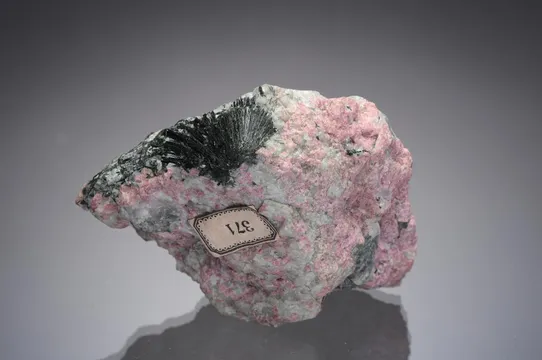
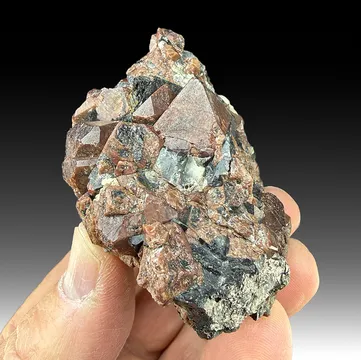
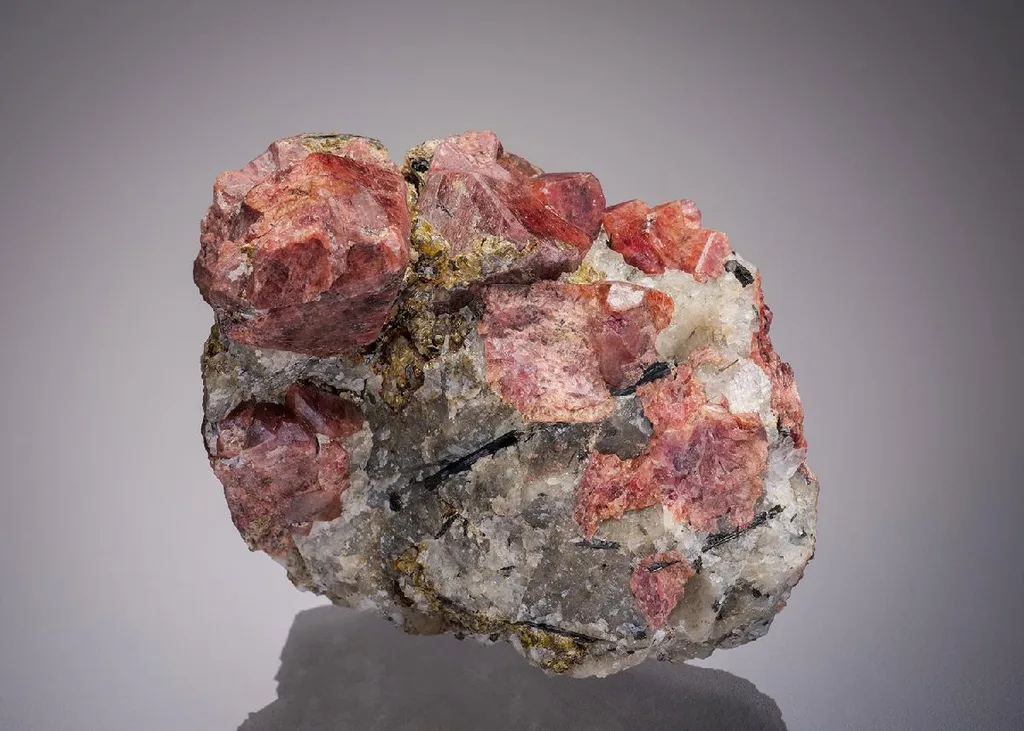
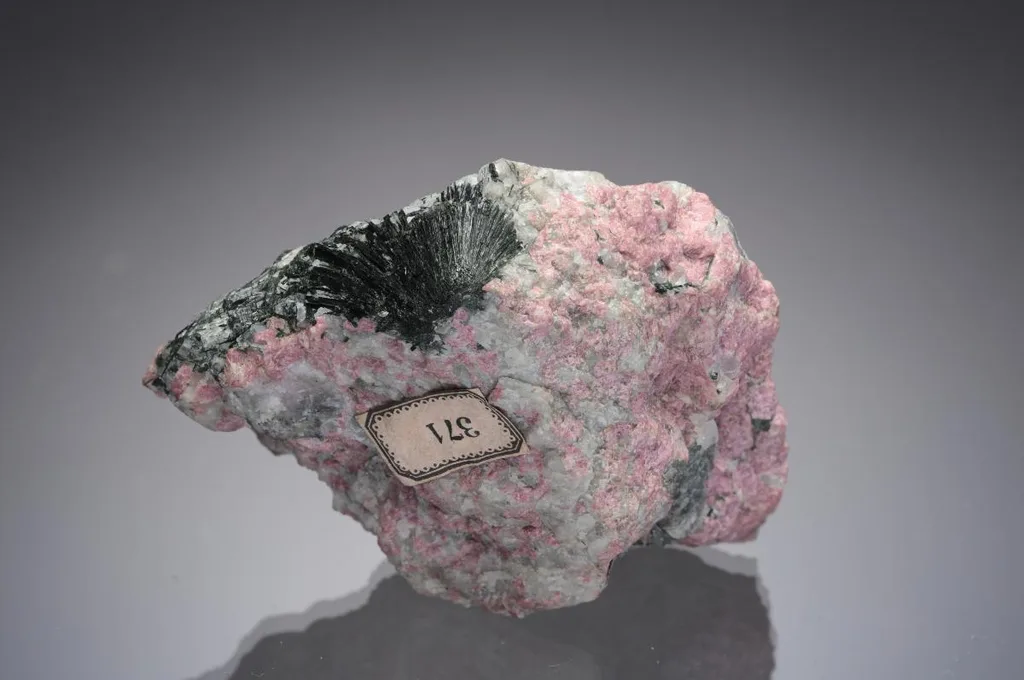
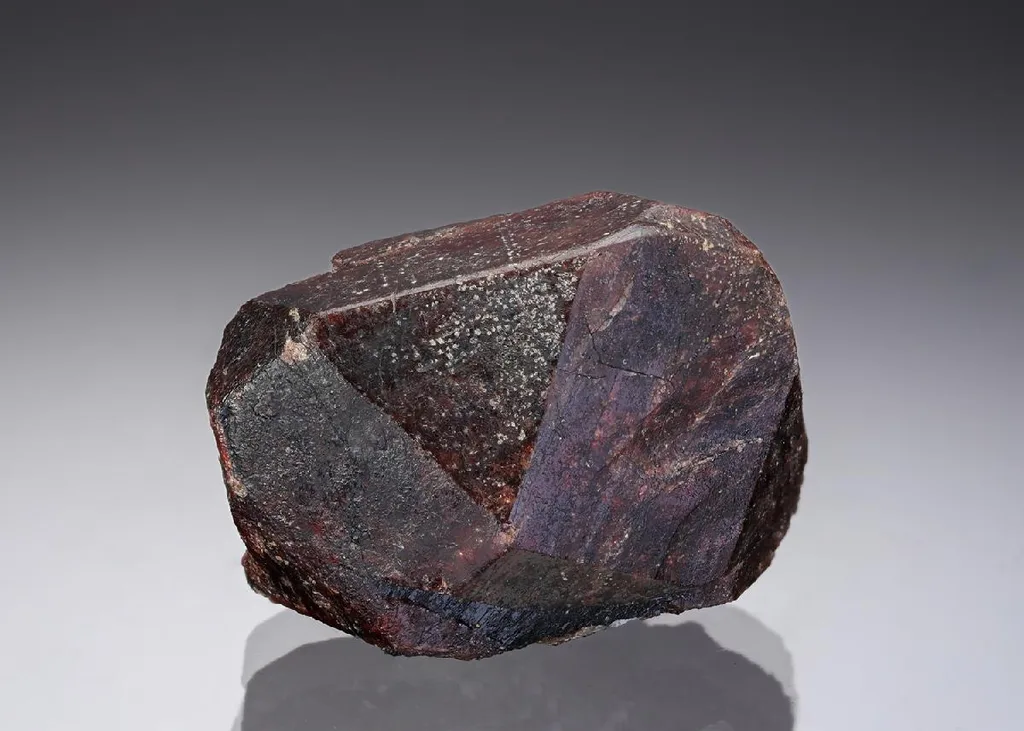
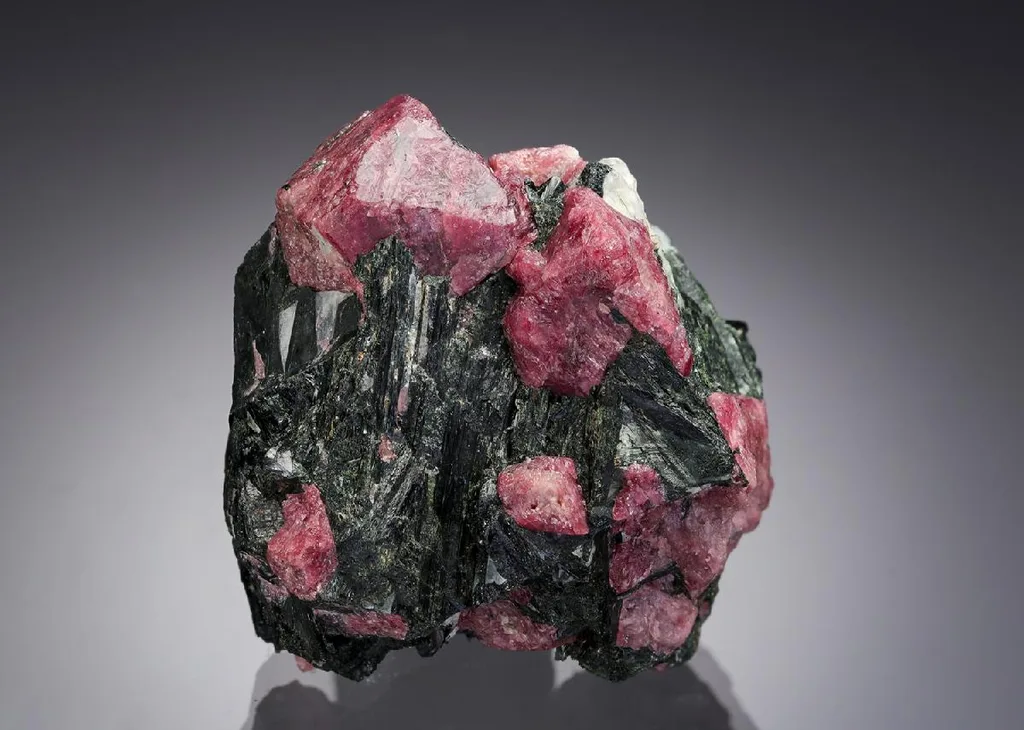
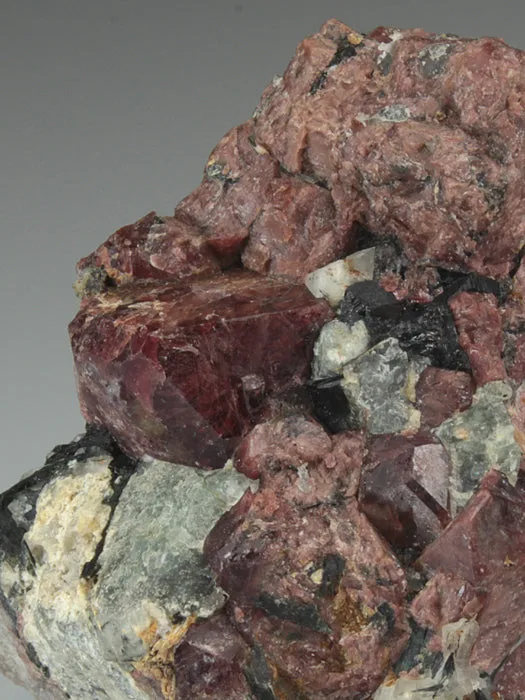
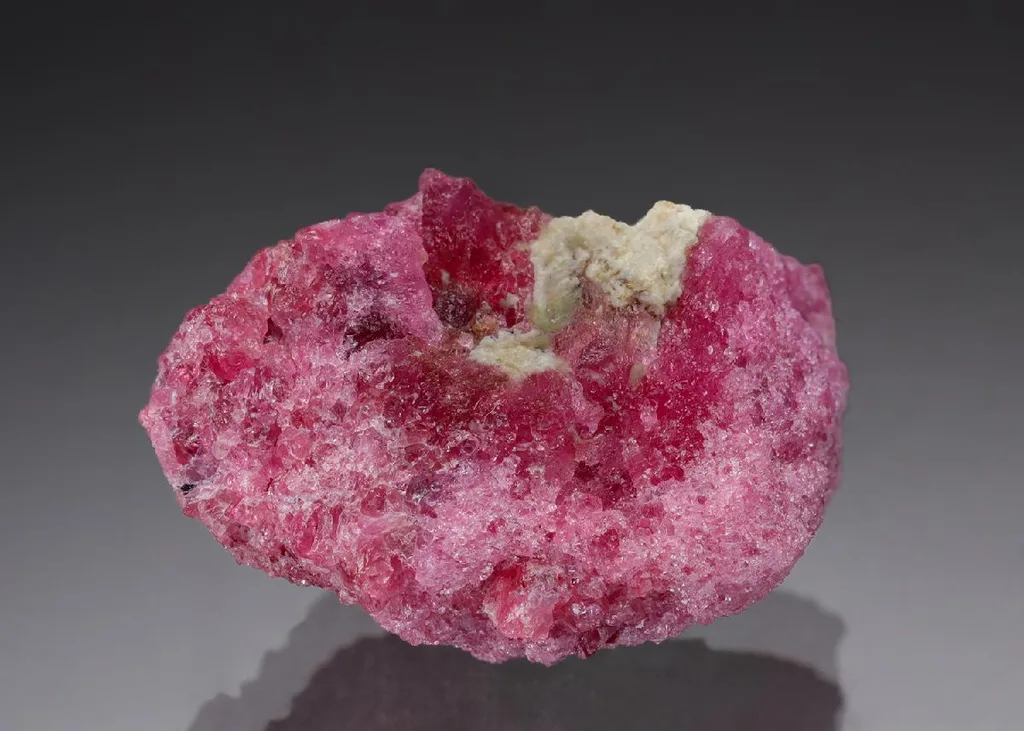
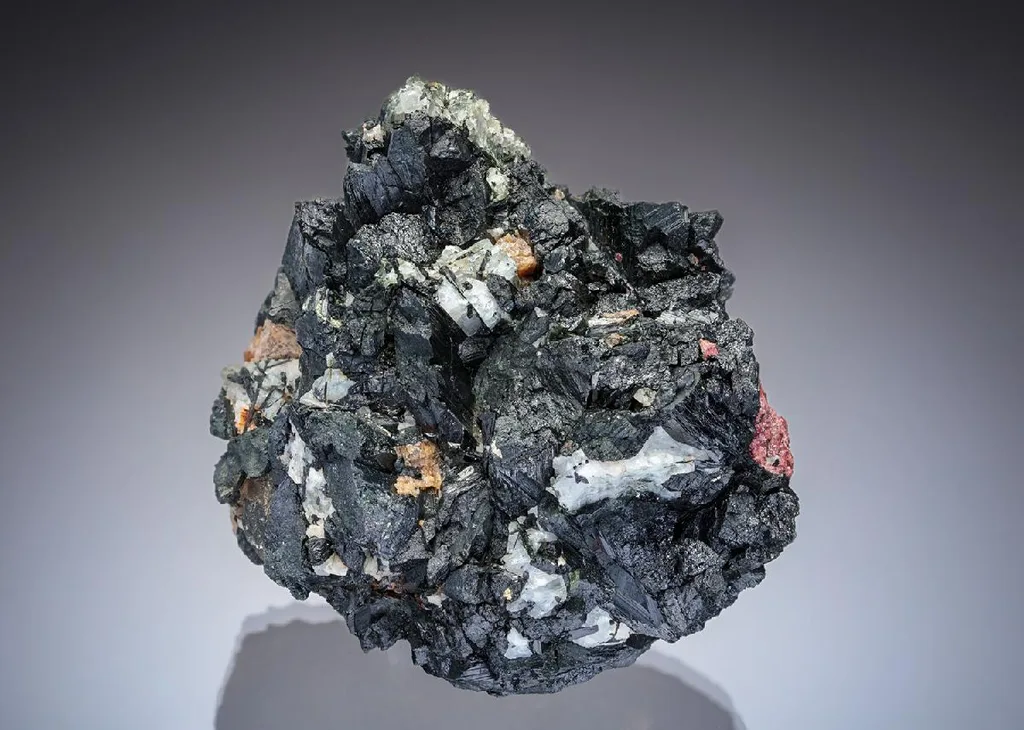
Eudialyte is a complex cyclosilicate known for its intricate, often radiating and tabular crystal habits. Crystals commonly display red to pinkish colors, with glassy to vitreous lusters and well-formed pyramidal terminations in striking, colorful aggregates. The mineral forms in alkaline, silica-saturated pegmatites and nephelinite-related rock environments, and notable specimens have come from classic localities in Russia, Greenland, and Canada, among others, showcasing rich color zoning and rare aesthetic combinations.
Collectors prize eudialyte for its vivid hues, complex crystal morphology, and the mineral’s relative rarity in well-crystallized specimens. Specimens exhibiting well-developed crystals in tones of red, pink, or orange, often with intergrowths or interpenetrations, command attention in mineral displays. The mineral’s association with other tourmaline-rich or complex silicate assemblages adds to its appeal, making curated cabinets a strong motivation for field study and careful preparation of matrix and accessory minerals. Eudialyte’s enduring allure lies in the balance of technical interest and striking visual impact in crystals sourced from historic and contemporary localities alike.