
Guide
22 for sale · $150–$6,000 USD
161 in the gallery
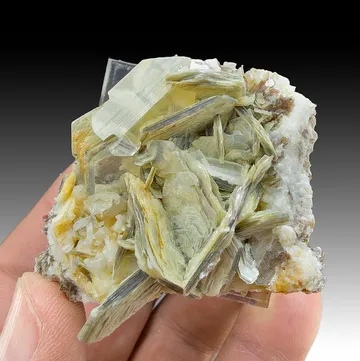
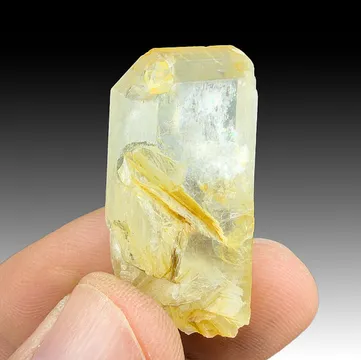
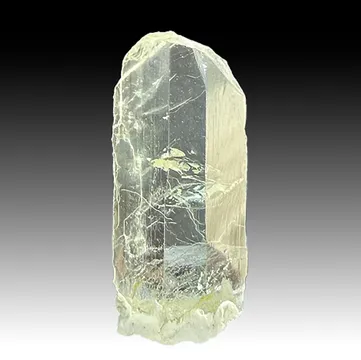
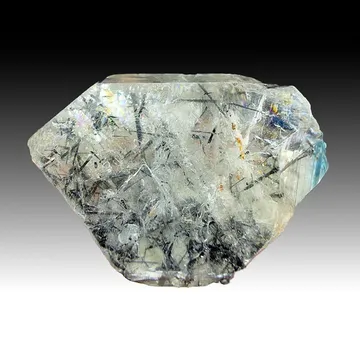
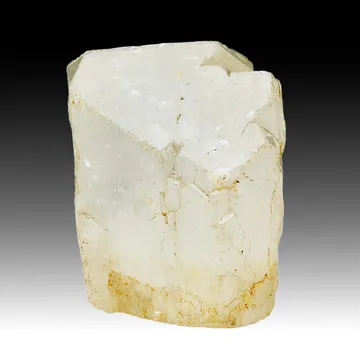
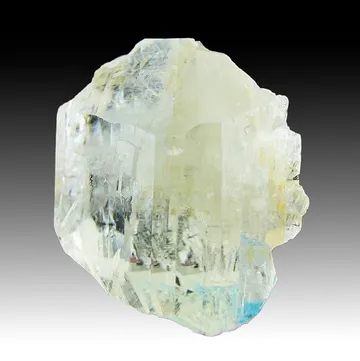
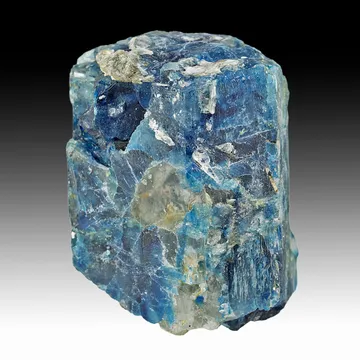
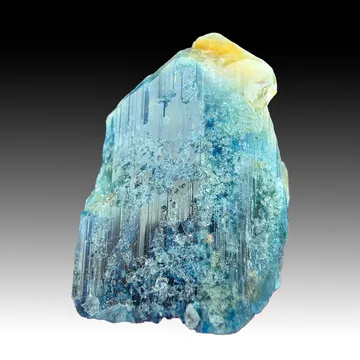
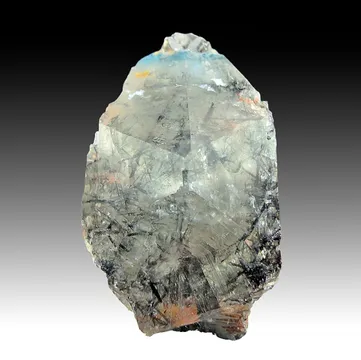
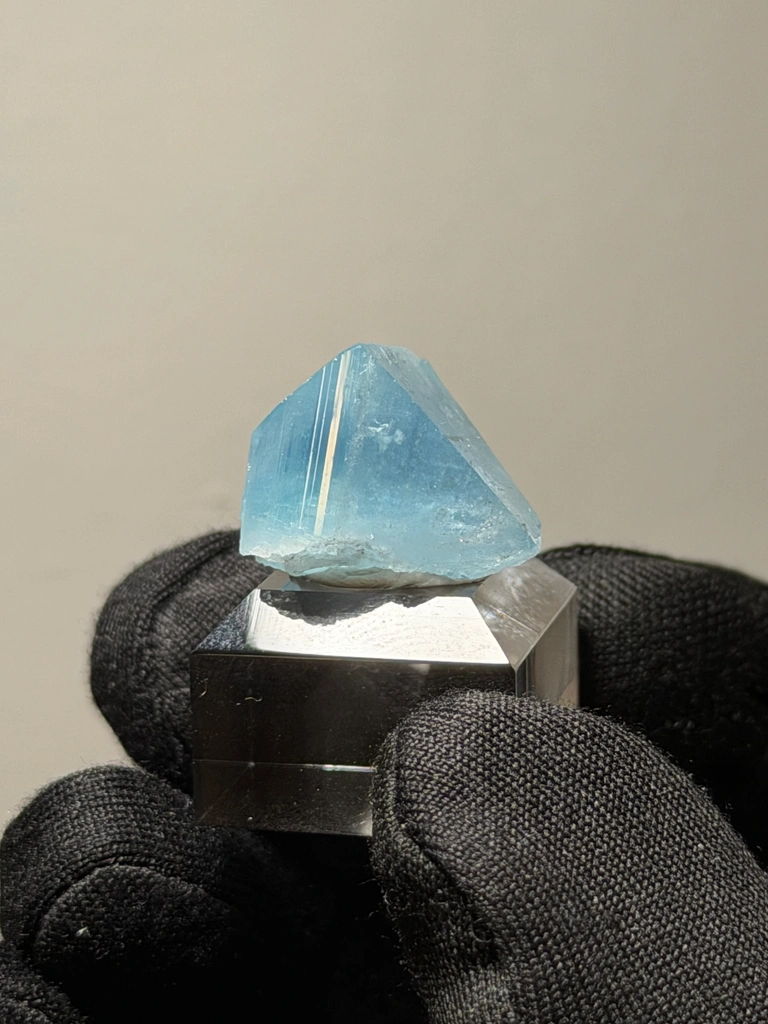
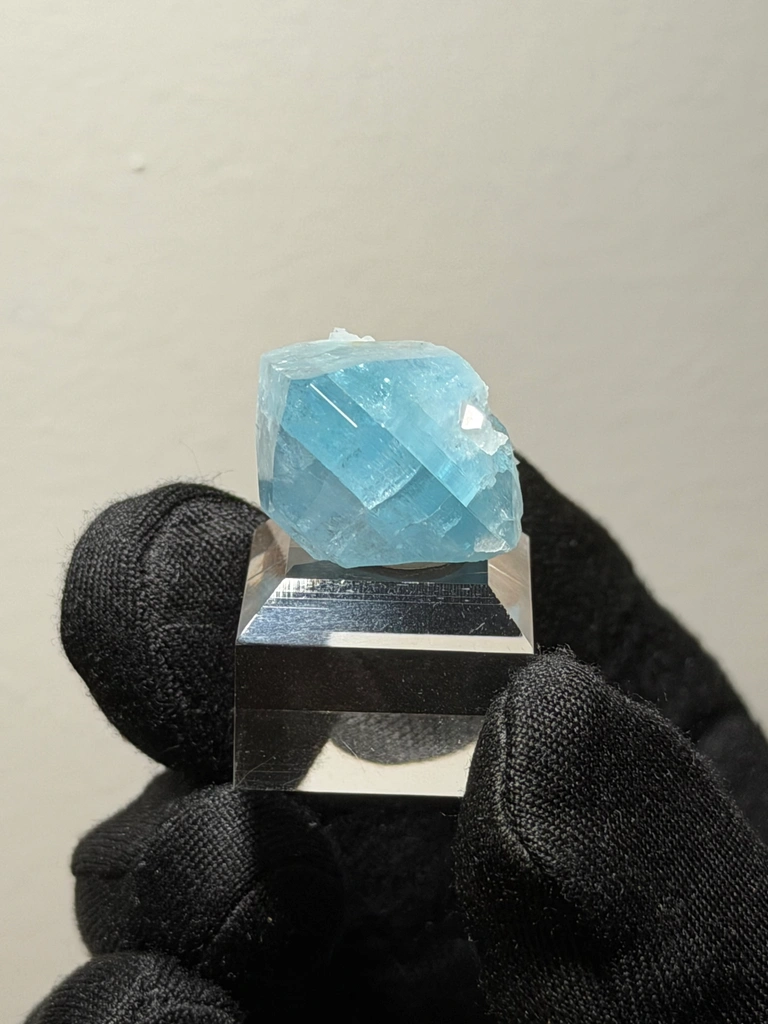
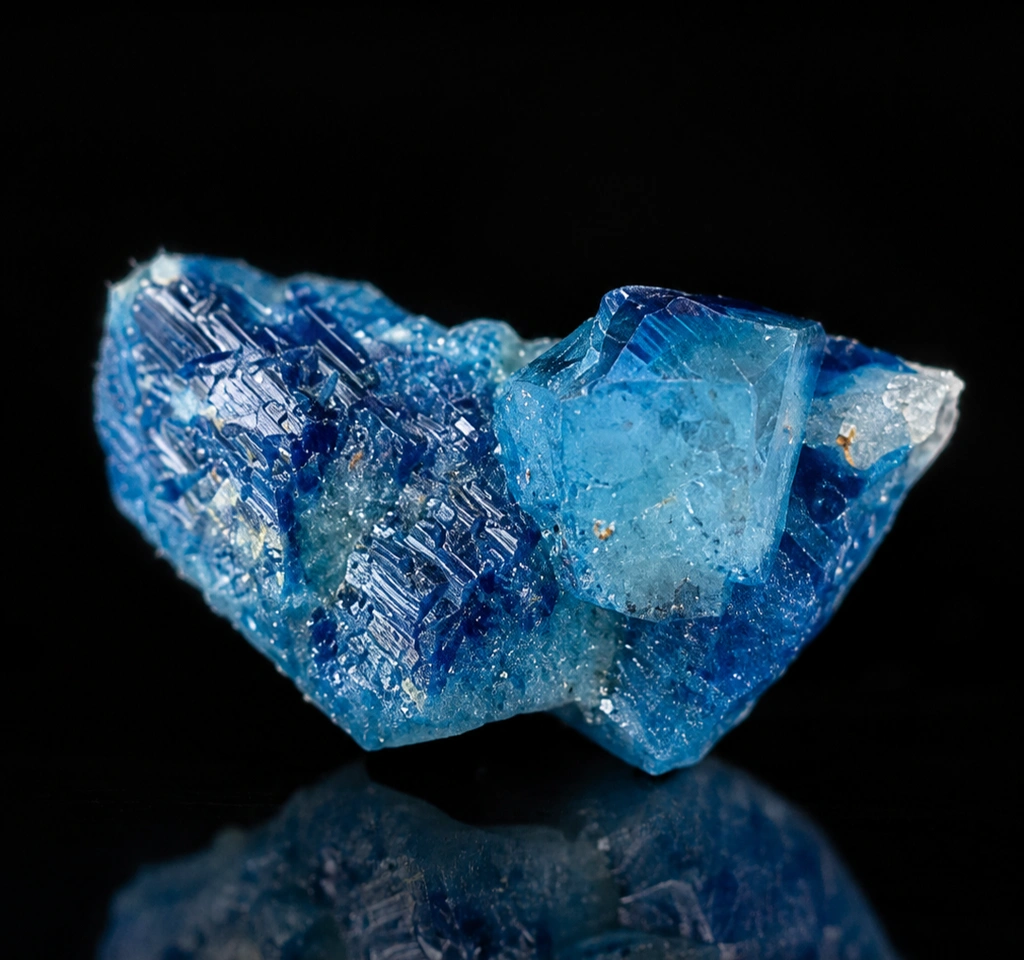
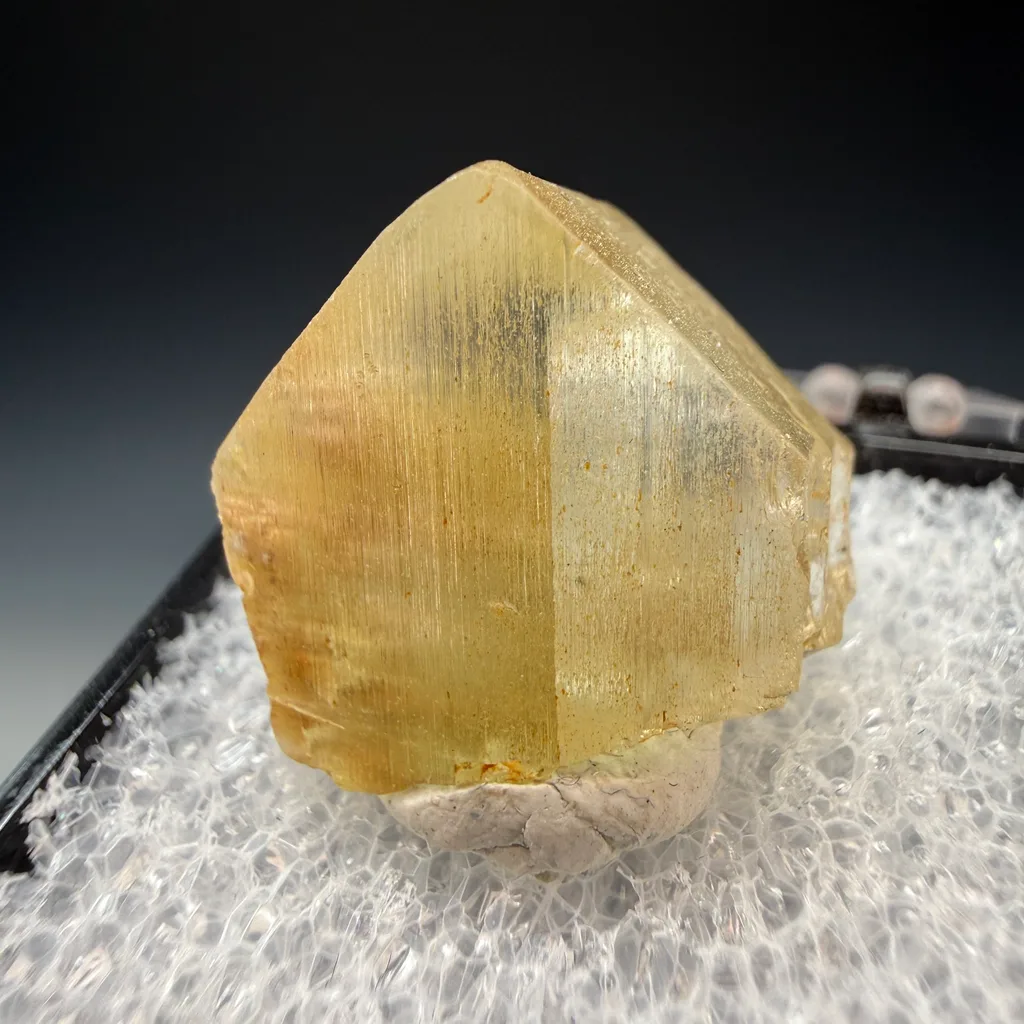
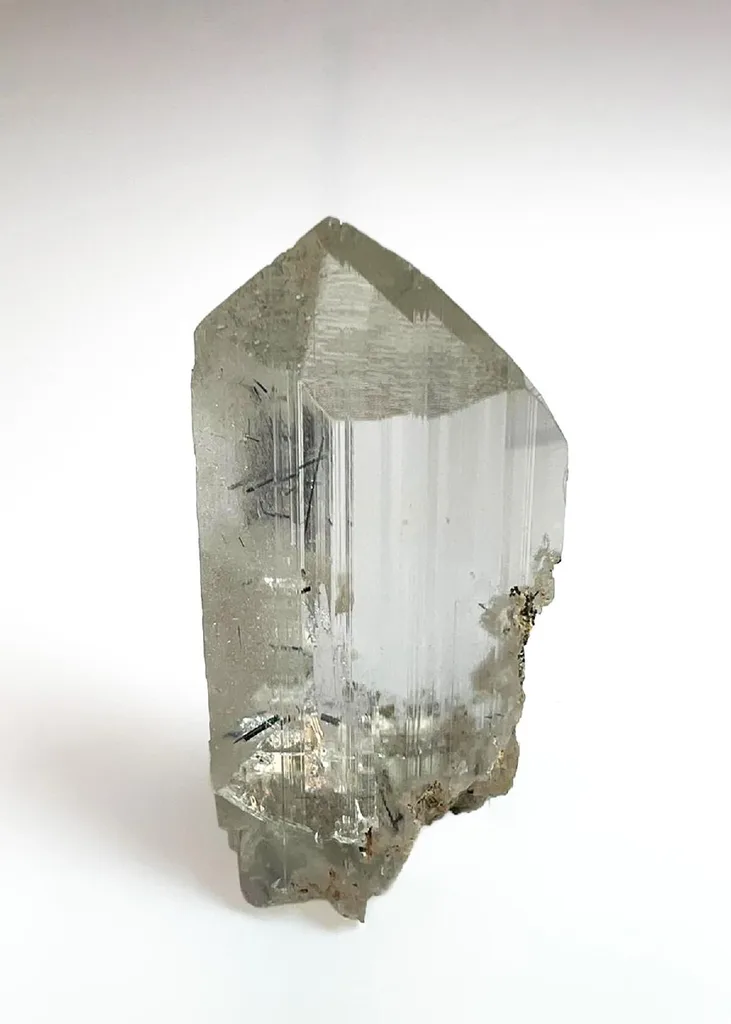
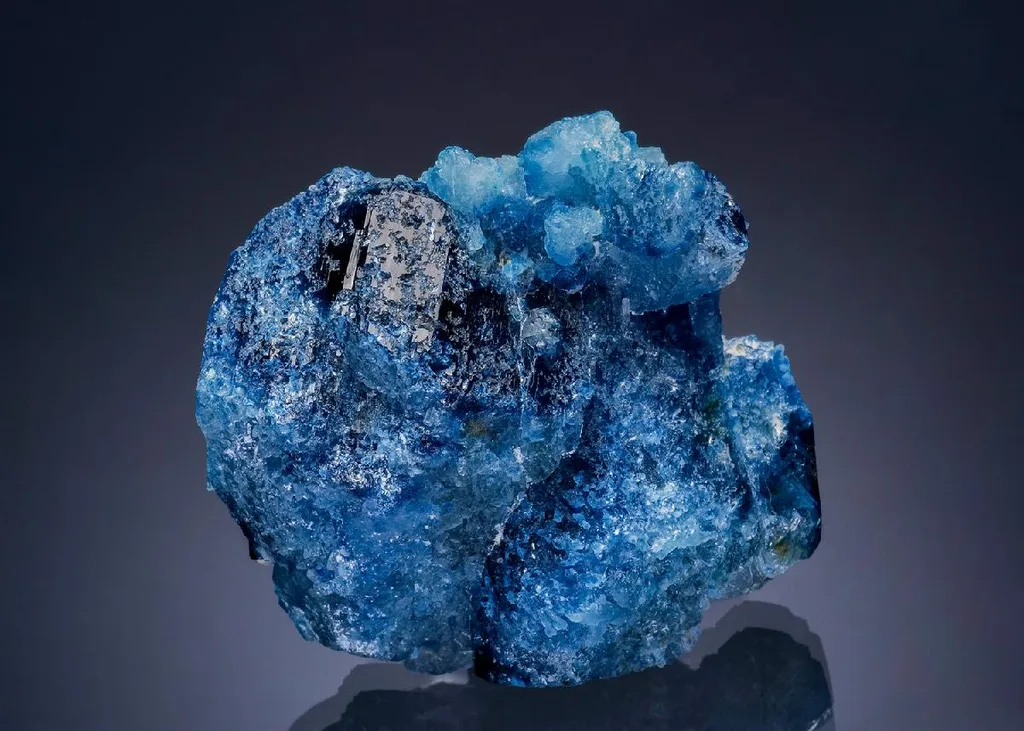
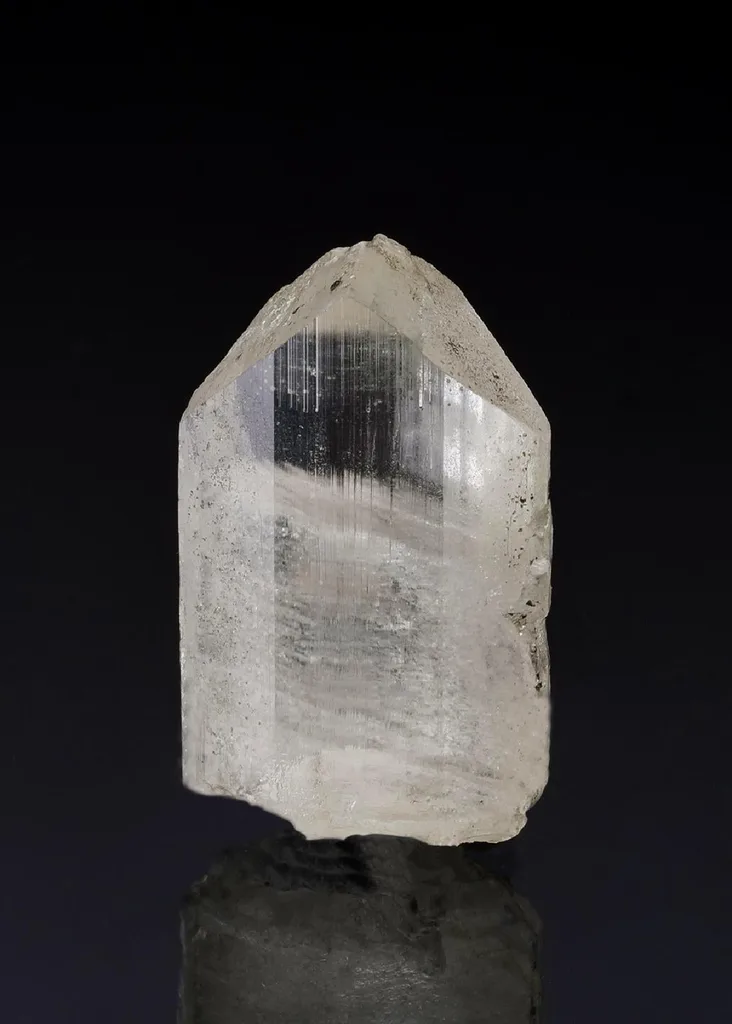
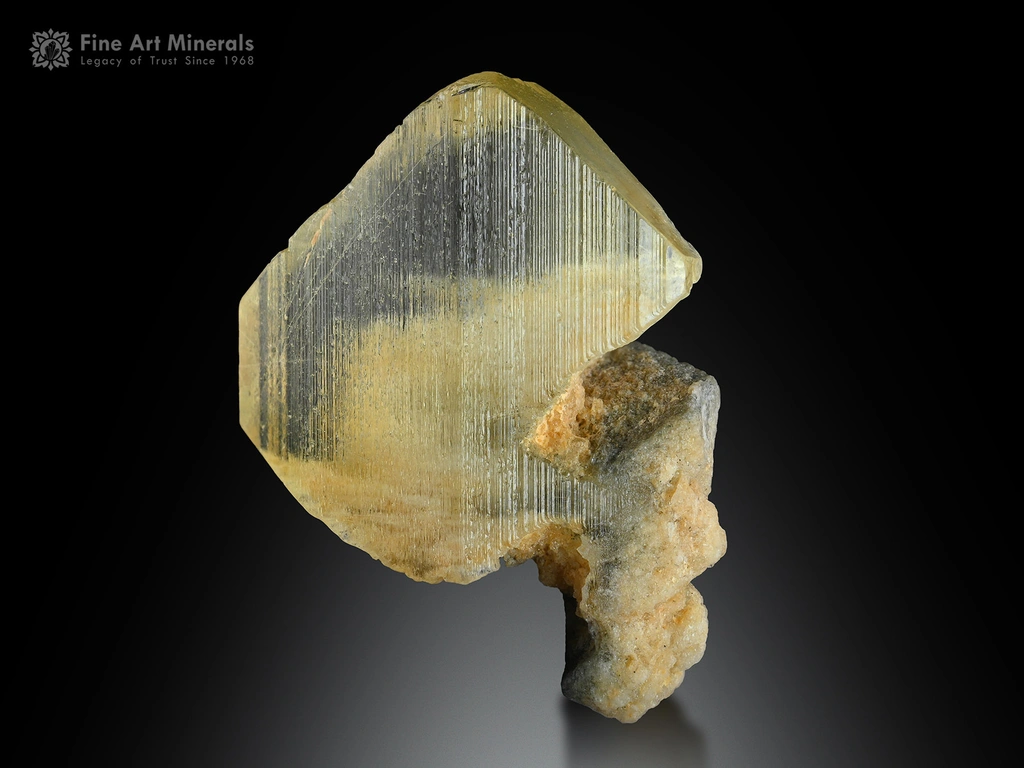
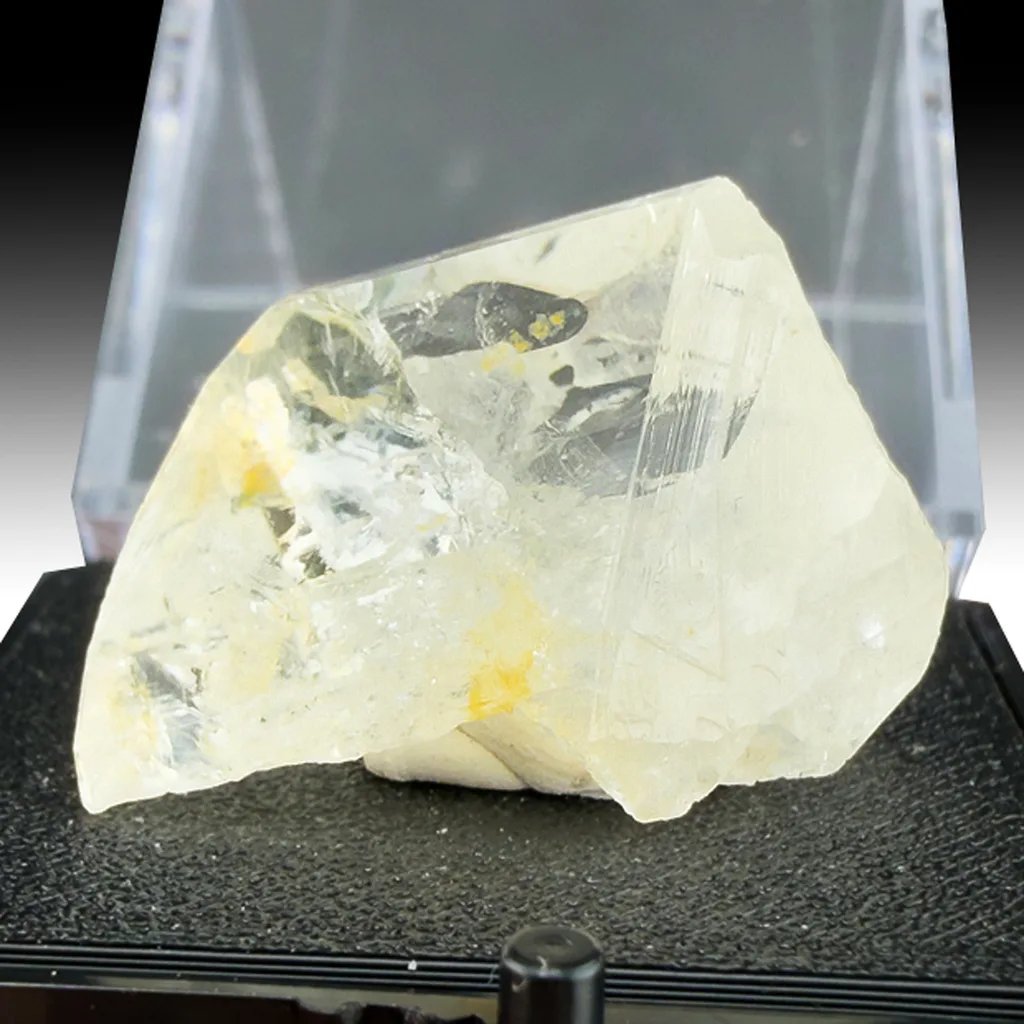
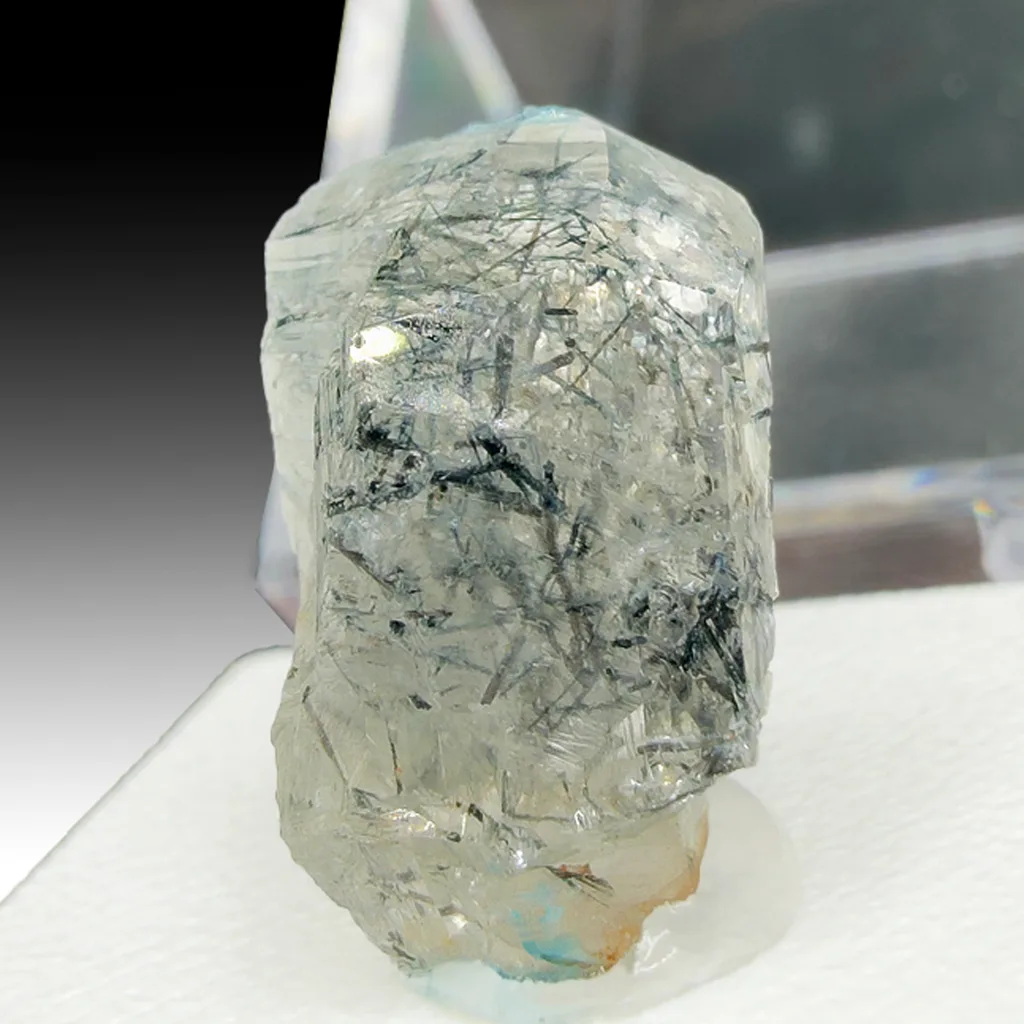
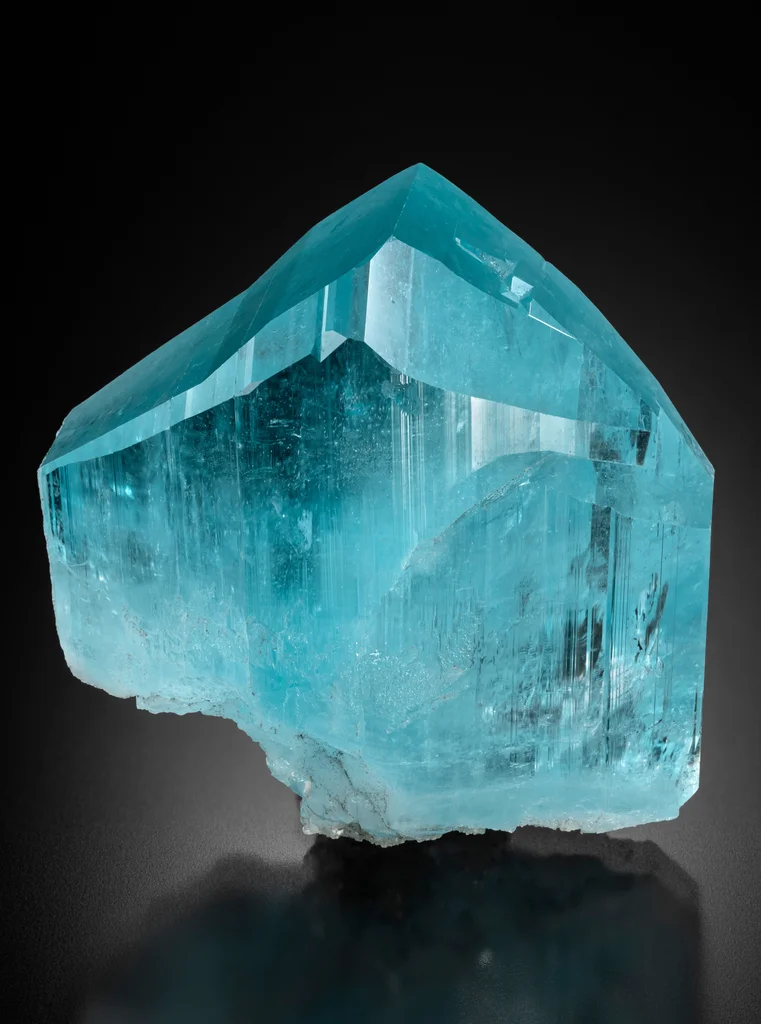
Euclase is a mineral species that forms clear to pale green to colorless prismatic crystals with a vitreous to adamantine lustre. It typically occurs in low-temperature hydrothermal veins and pegmatites, often associated with beryl and quartz, and it can appear in short, tabular to elongated crystal habits. Crystals are commonly small to medium in size, displaying sharp terminations and well-developed faces that catch the light beautifully when polished or displayed in hand specimens.
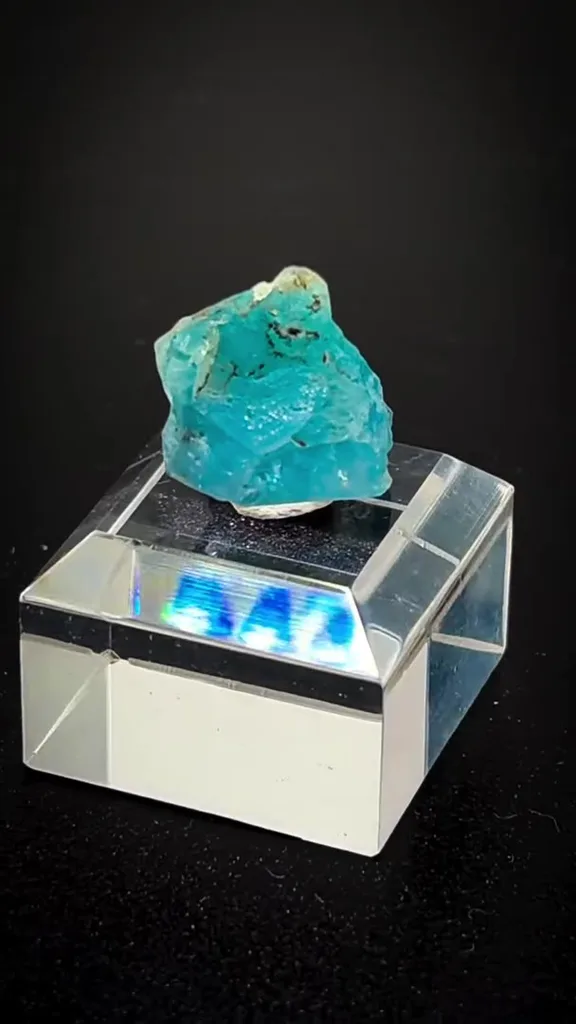
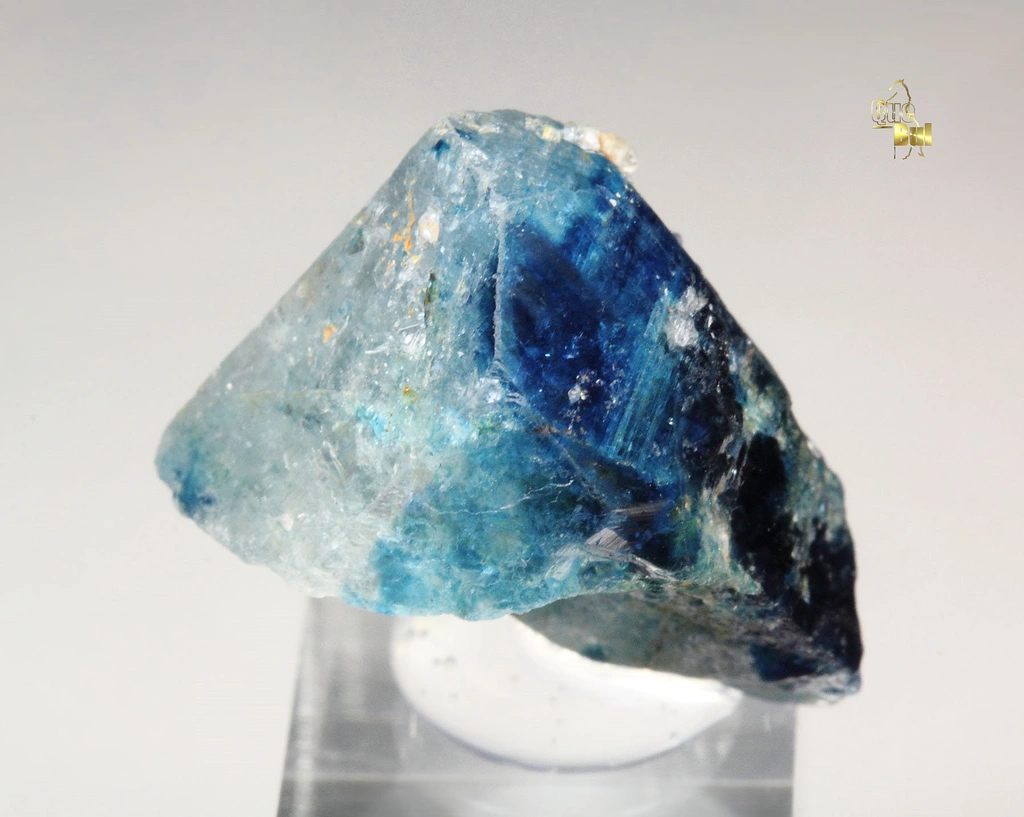
Notable localities include Brazil, Zimbabwe, and Colombia, where Euclase crystals are sought after for their transparency and vivid green hues, sometimes with a slightly bluish tint. The mineral also occurs in other areas, reflecting its formation under specific geological conditions that concentrate beryllium and aluminum silicate along hydrothermal pathways. Collectors value Euclase for its clarity, color, and optical quality, as well as its association with rare neighboring minerals, which adds context to a specimen’s origin and geologic story.