$750Median
1Sold (12 mo)
$750Last sale
27 for sale · $100–$5,000 USD
179 in the gallery
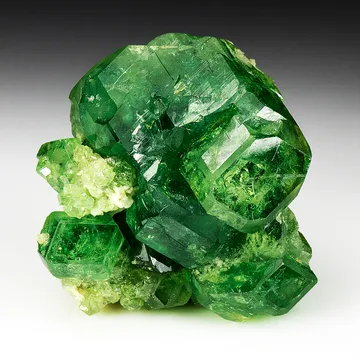
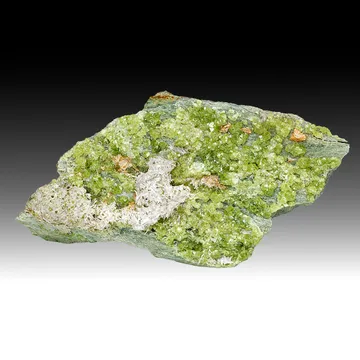
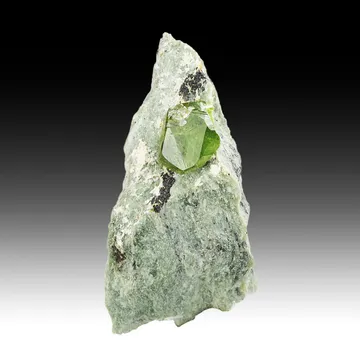
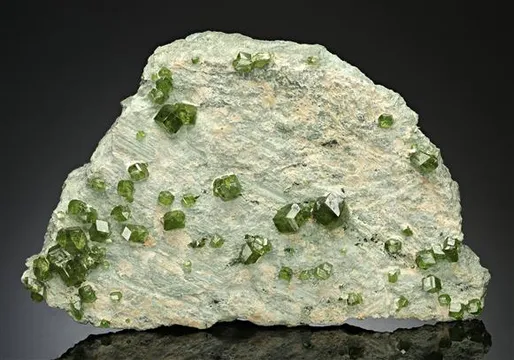
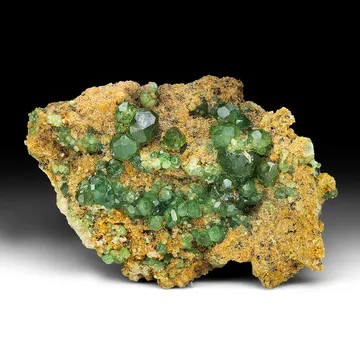
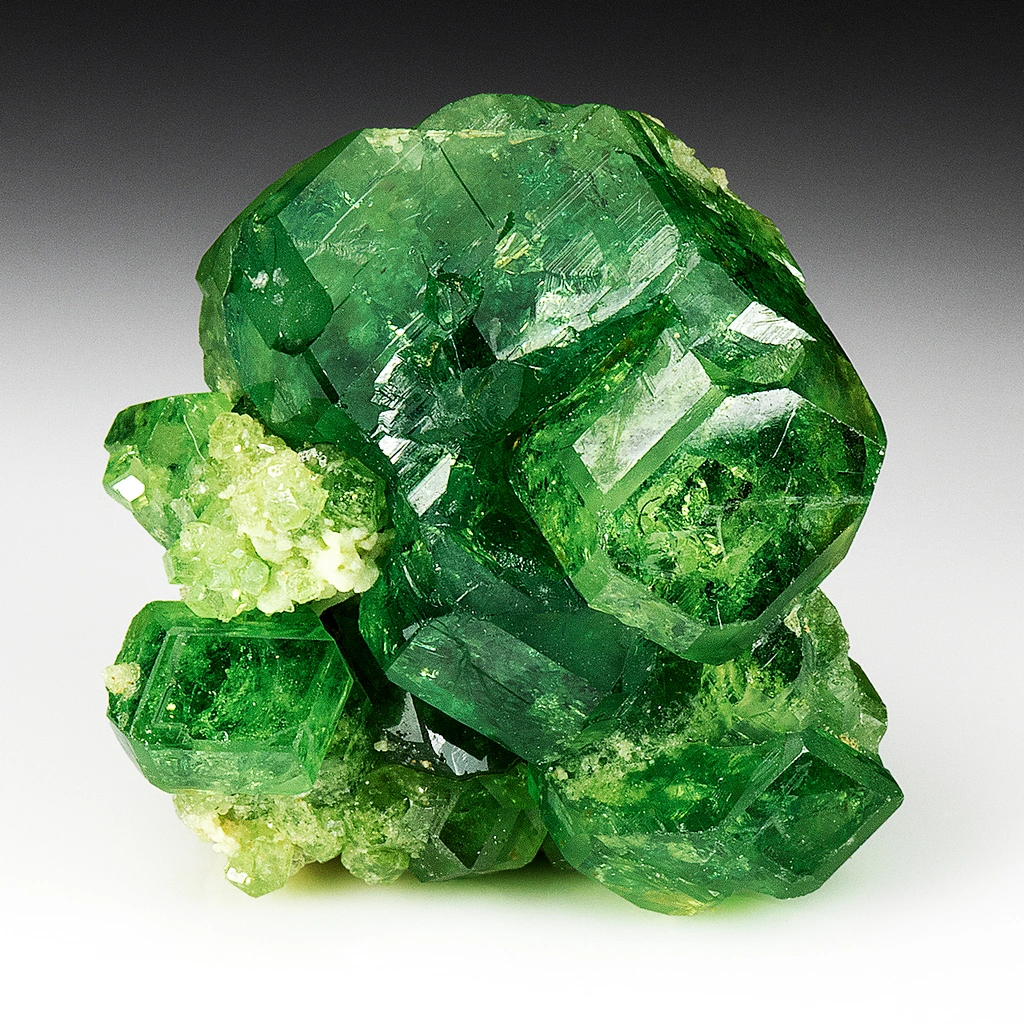
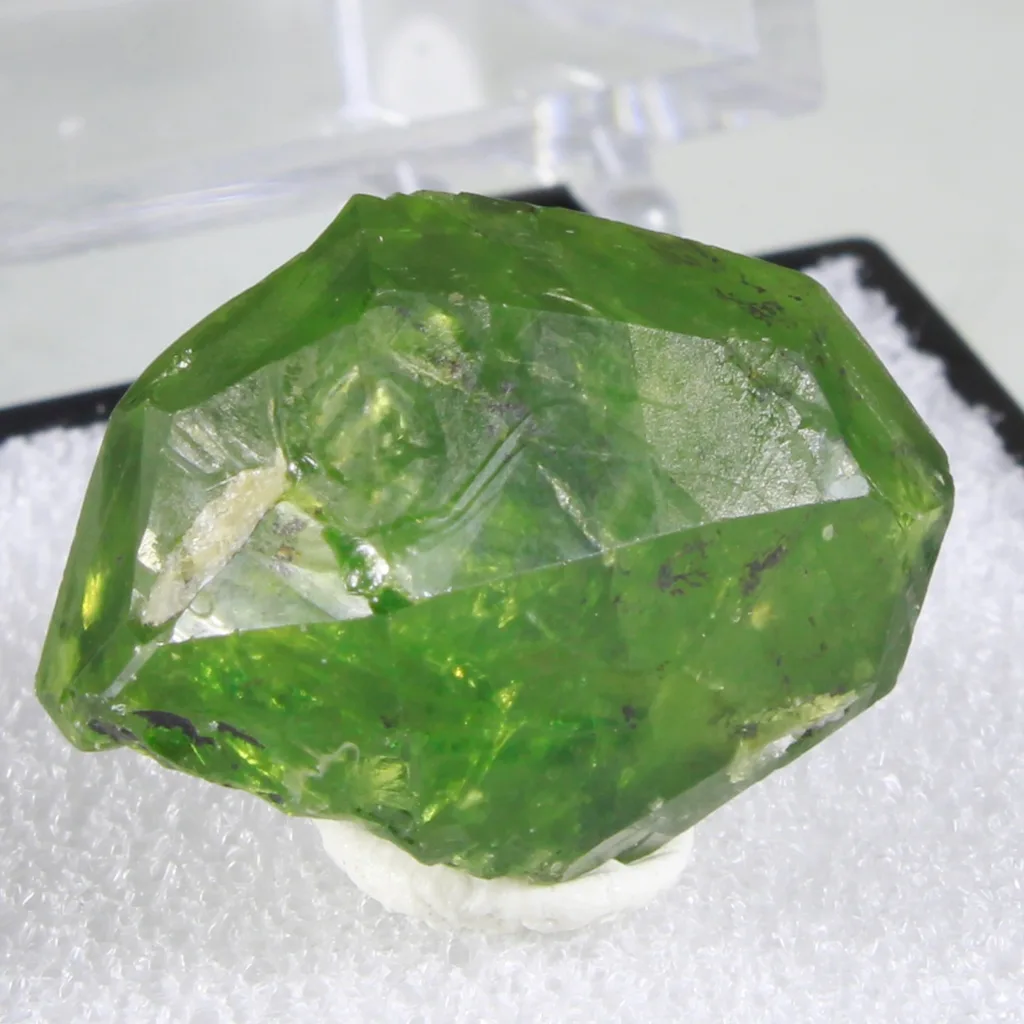
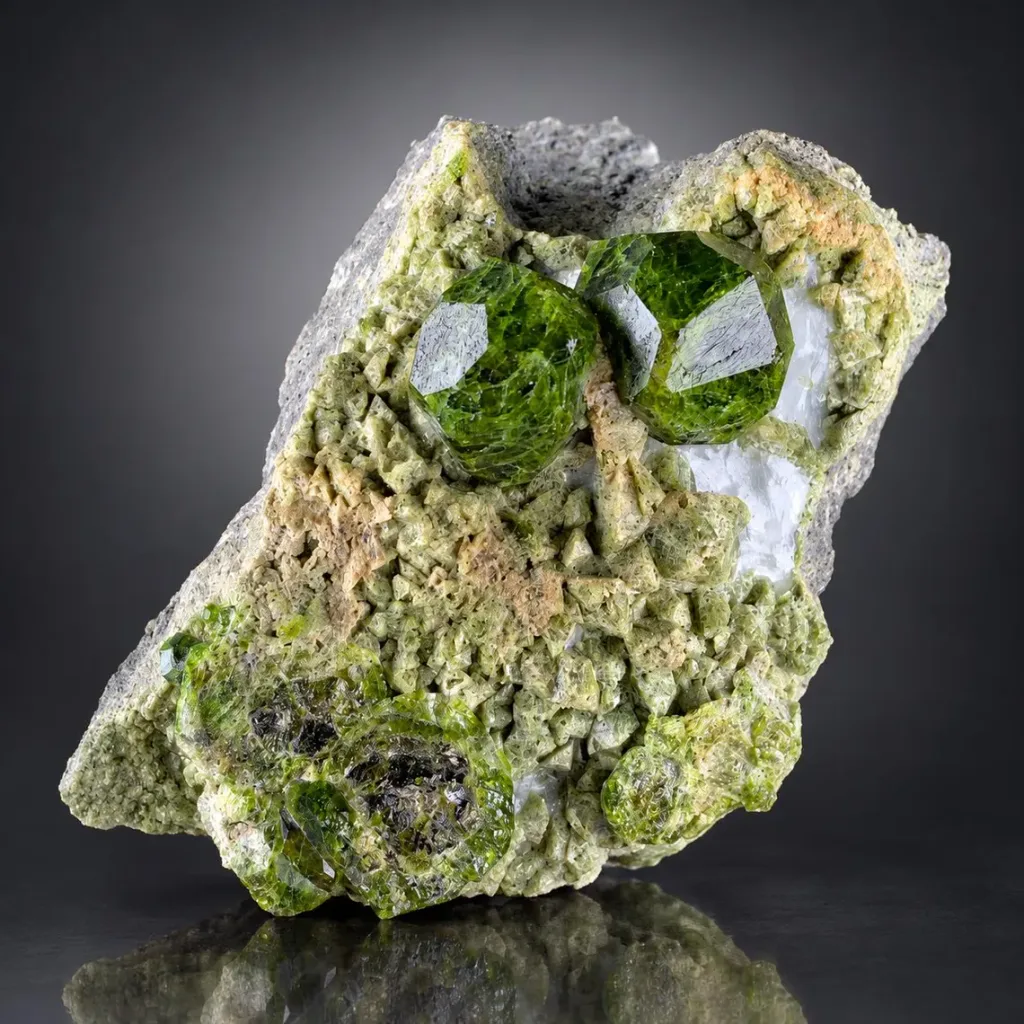
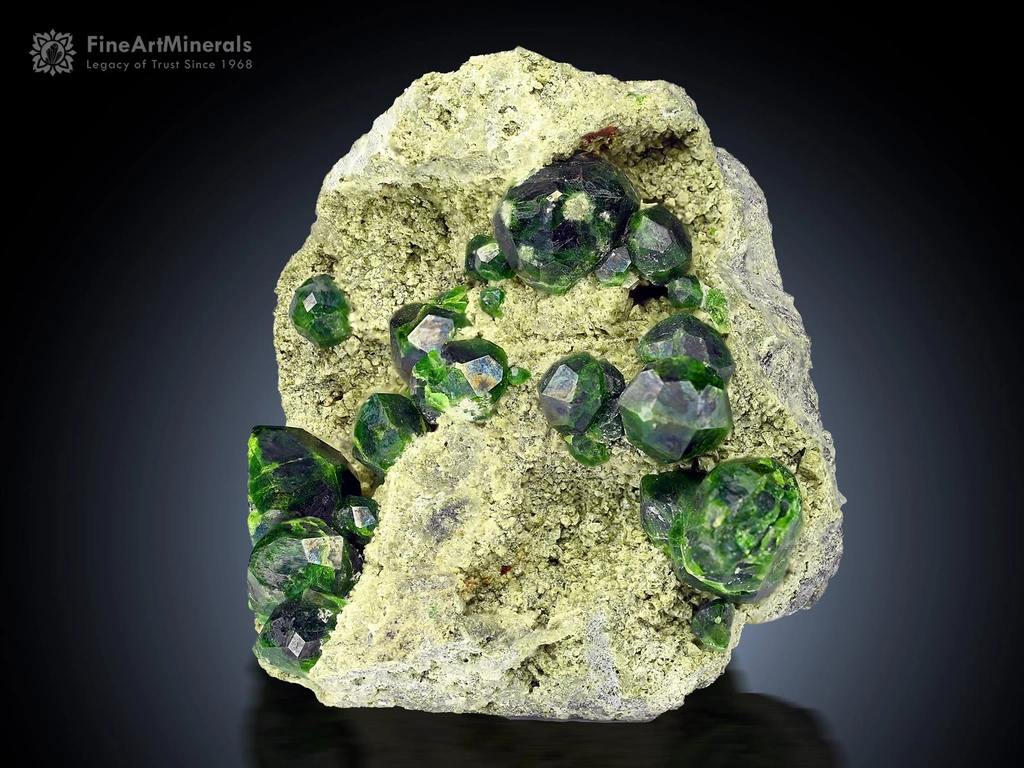
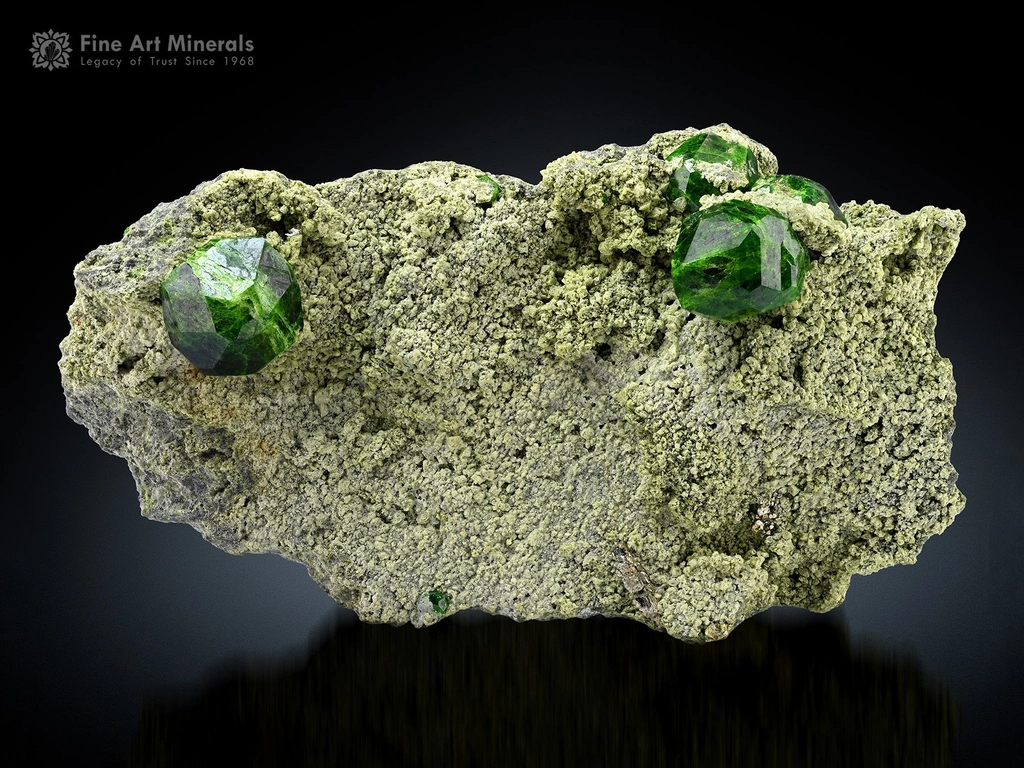
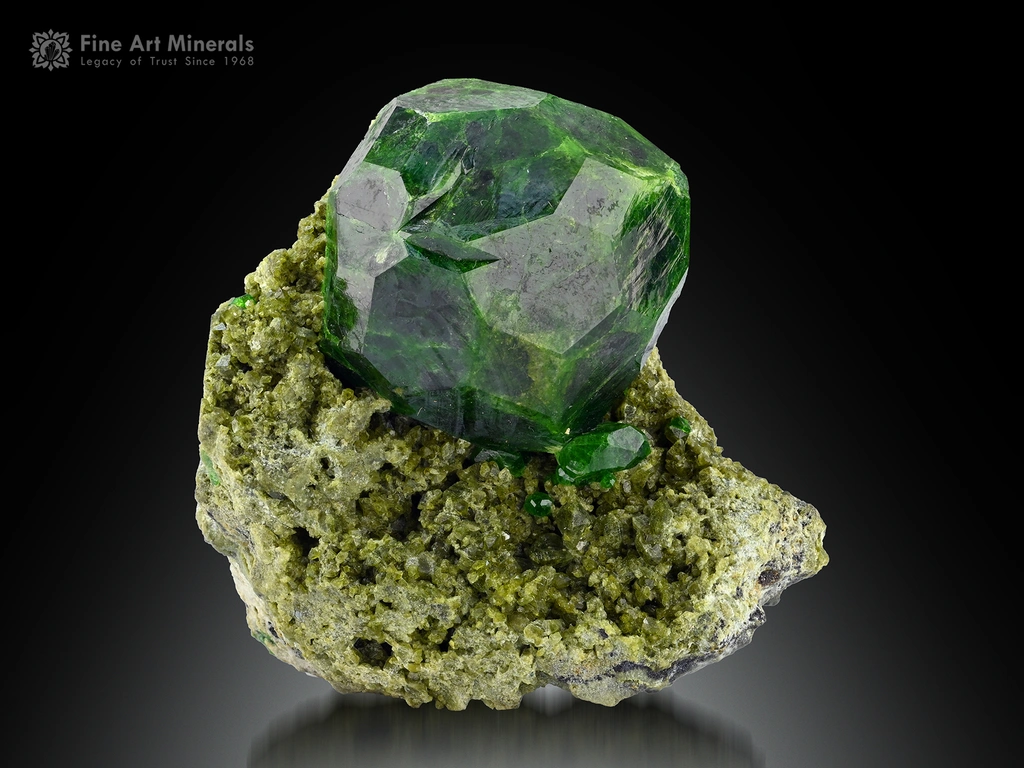
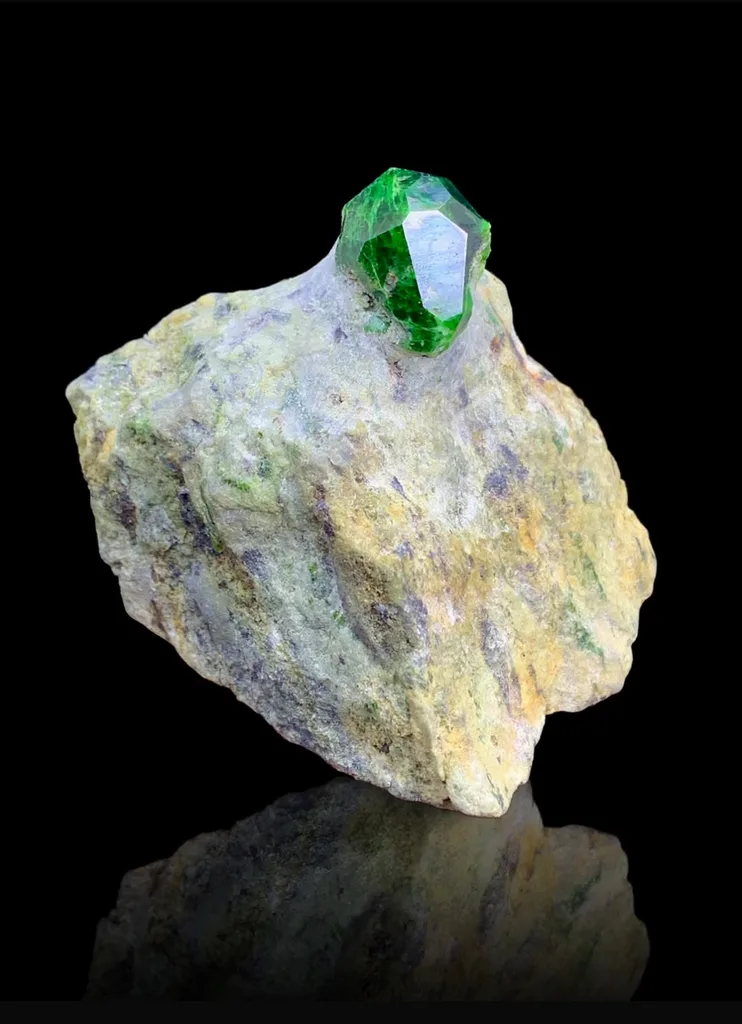
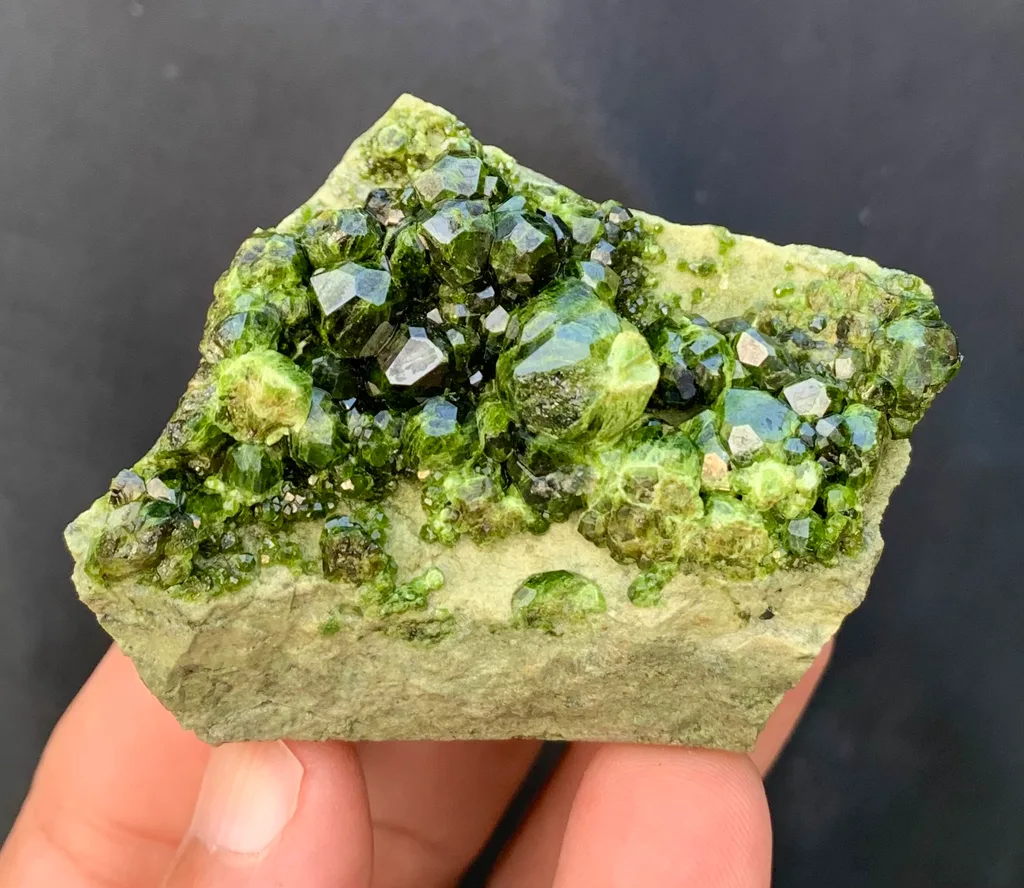
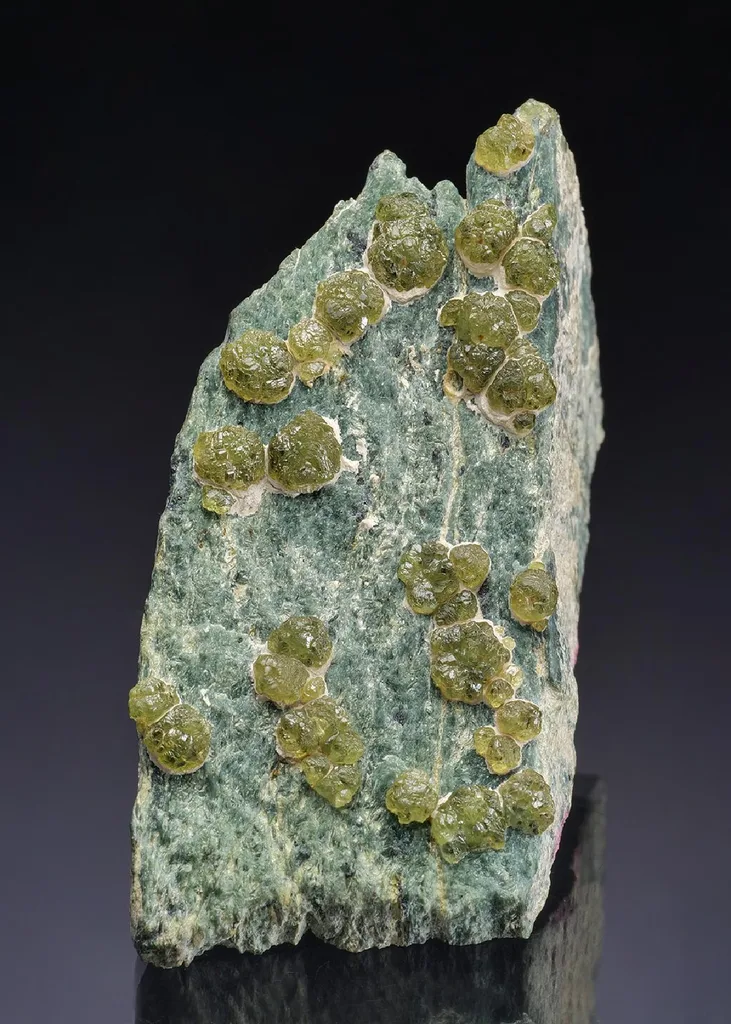
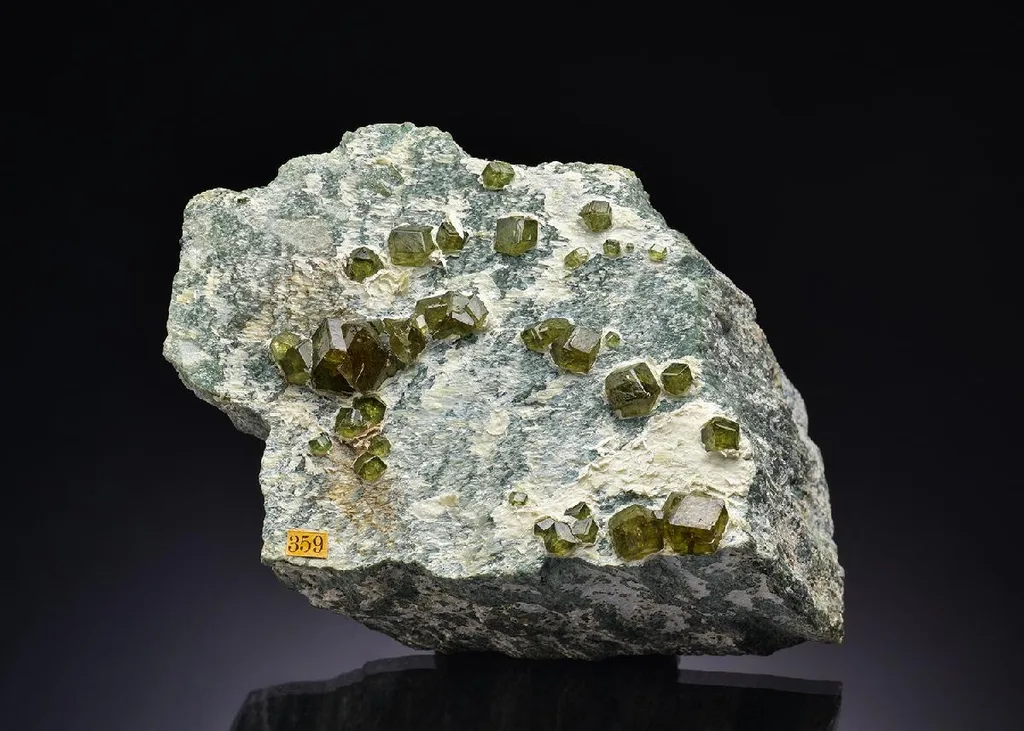
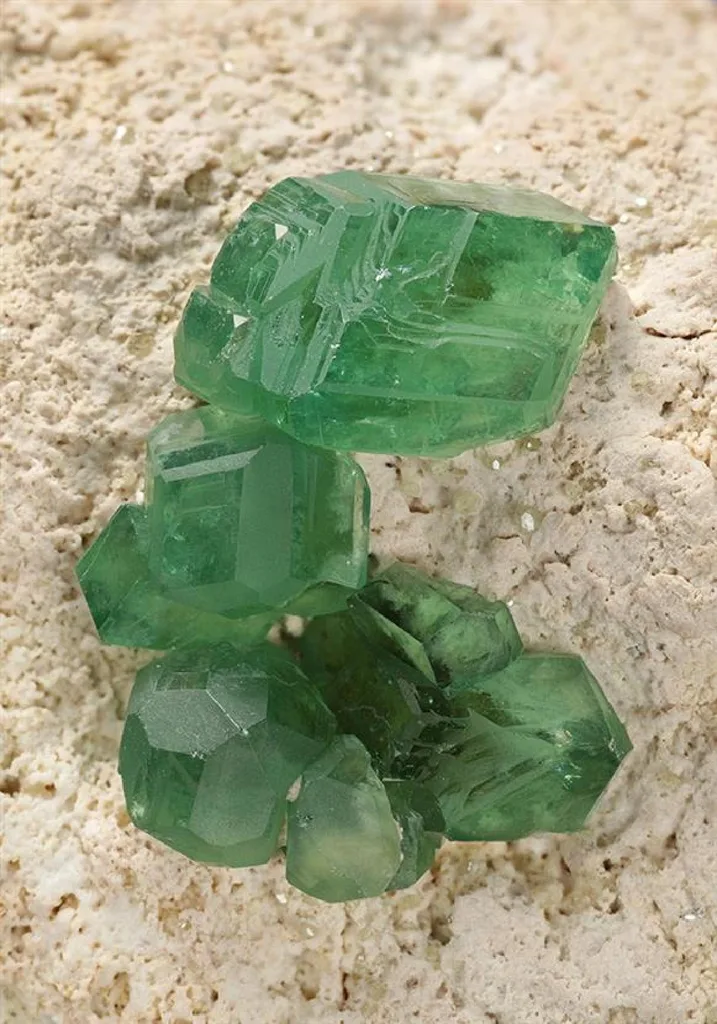
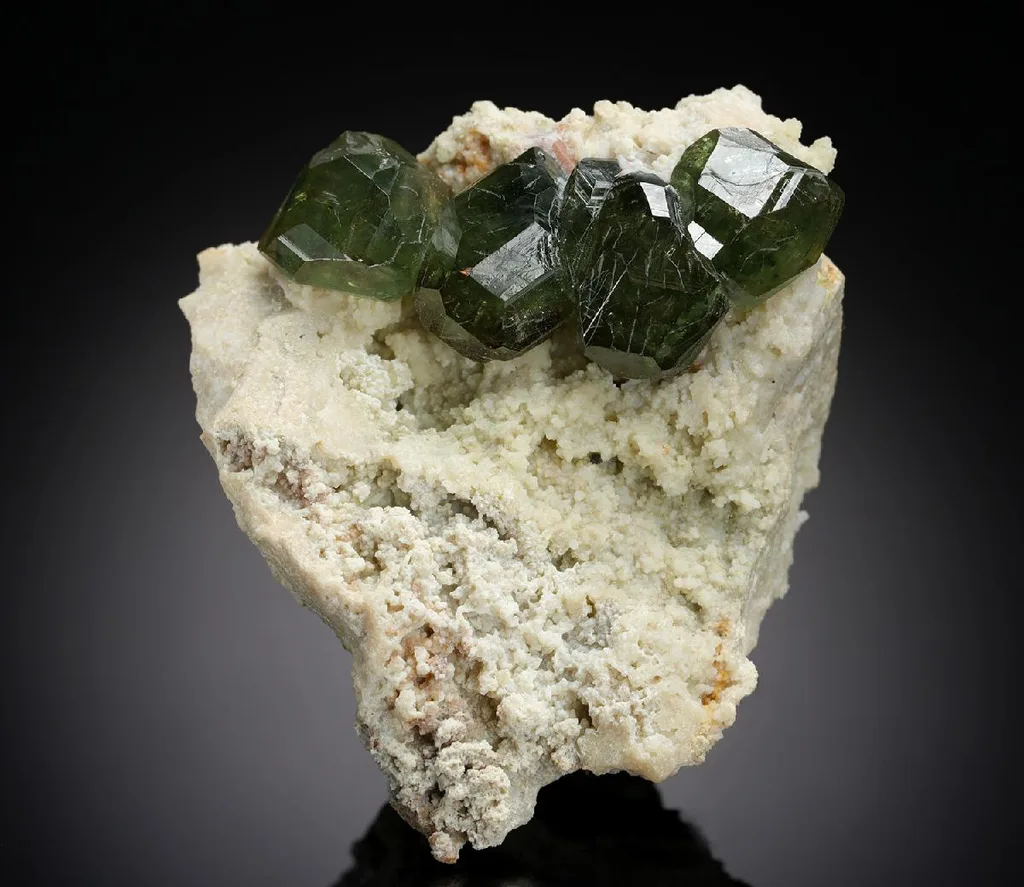
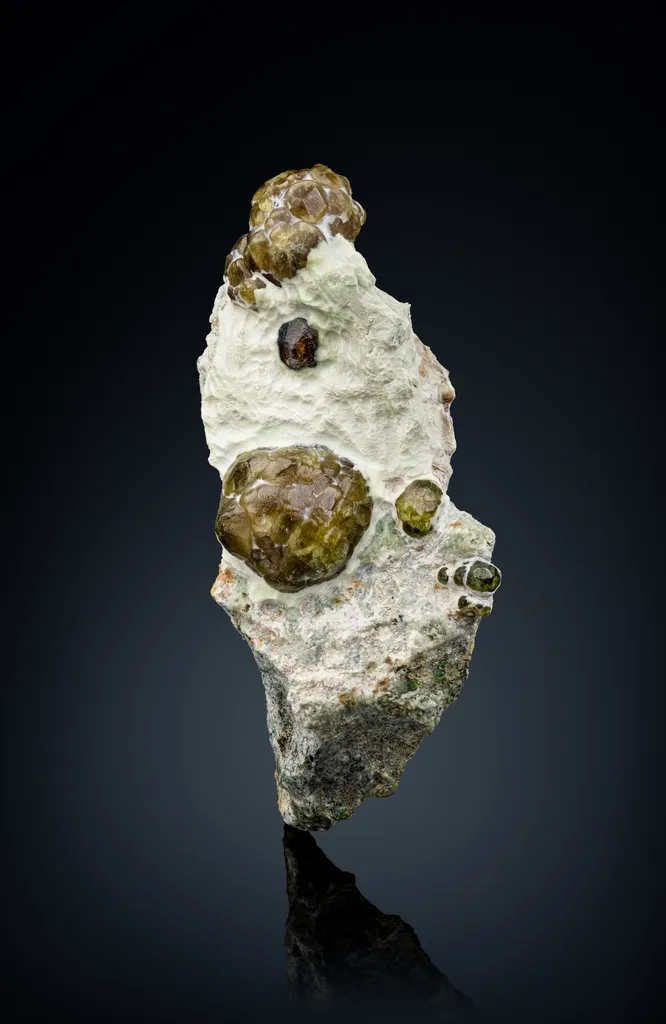
Demantoid is a green garnet variety within the garnet group, distinguished by its vibrant, emerald-like hue and high refractive index that yields notable brilliance. Crystals often form as well-shaped, prismatic dodecahedra or rhombic dodecahedra with a glassy to adamantine lustre, and some specimens display a horsetail or needle-like inclusion texture that can accentuate their facets. The color ranges from yellow-green to deep forest green, and when cut, the stones exhibit strong fire and scintillation that attract collectors who value bright, clean color in a relatively small, dense mineral.
Notable localities include Madagascar, Iran, Italy, Namibia, and Afghanistan, where Demantoid crystals have been recovered from alluvial, metamorphic, and garnet-bearing skarns and pegmatites. Madagascar is famous for vivid, gem-grade crystals, while Iran and Namibia have produced solid crystals with substantial size and clarity, contributing to the mineral’s desirability among field collectors and cabinet displays alike. Specimens often arrive in matrix or as loose crystals, and exceptional pieces may show sharp crystal faces and minimal inclusions, underscoring their appeal for aesthetic and scientific value.