






Cylindrite specimens for sale
8 for sale · $100–$800 USD
6 in the gallery
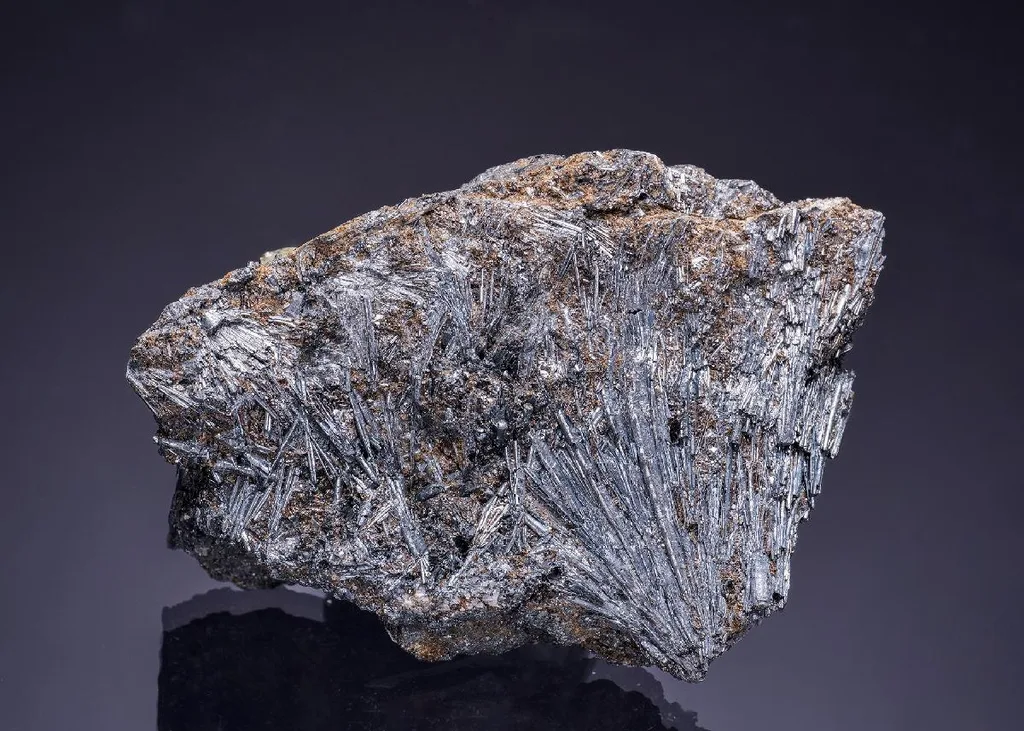
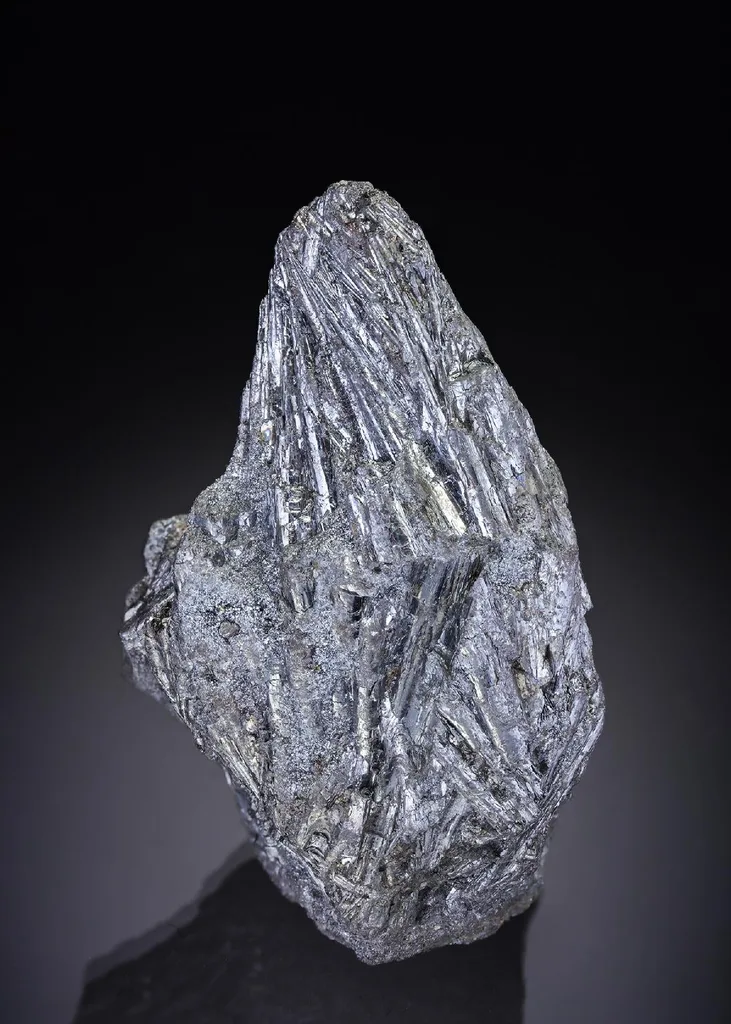
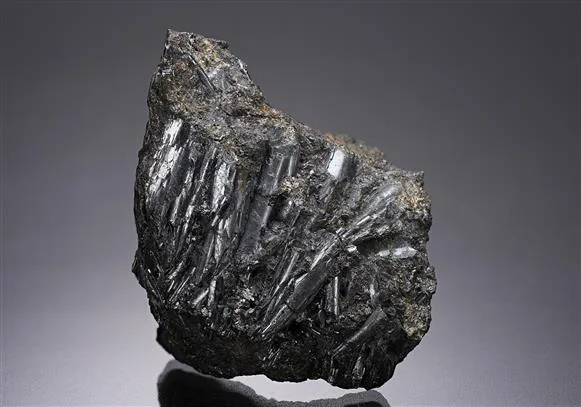
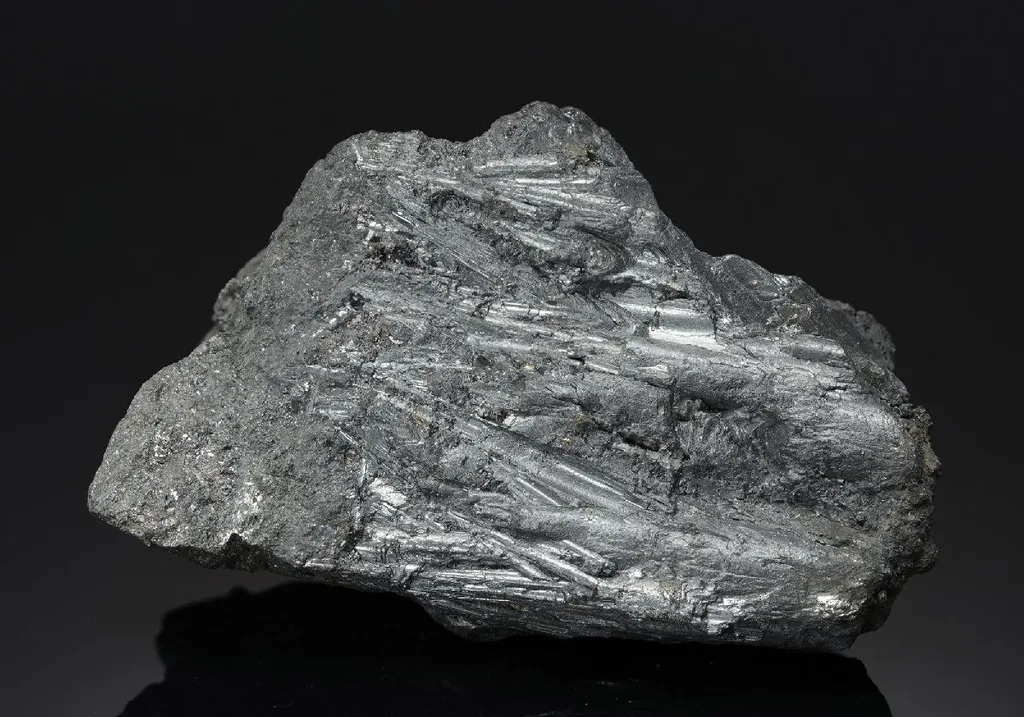
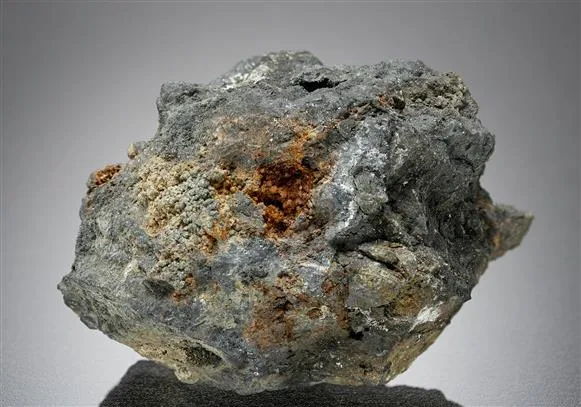
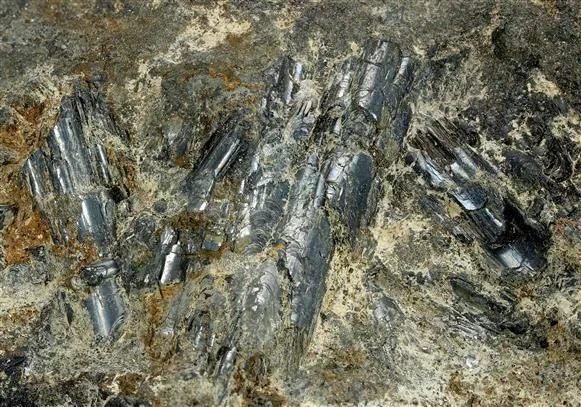
Cylindrite is a lead–tin sulfide mineral with a complex, layered structure that gives it a dark, metallic appearance and a distinct sheen. It often occurs in elongated, tabular crystals or as fine-grained masses, displaying a characteristic metallic luster and a gray to black color that can show subtle iridescence in exposed edges. The mineral forms in hydrothermal and sulfide-rich environments and is commonly associated with other sulfide minerals in ore veins. Notable specimens have originated from Bolivia and Argentina, where classic localities have produced well-formed crystals and rich, dense aggregates that highlight Cylindrite’s reflective surfaces and geometric habit.
- Formula
- Pb3Sn4FeSb2S14
- Rarity
- Rare
- Stability
- Moderately Stable
- Collector interest
- Very High Interest
- Classification notes
- Sulfosalt, cylindrite group
Key characteristics
- Crystal system
- triclinic
- Mohs hardness
- 2.5–3
- Specific gravity
- 5.4–5.45
- Luster
- metallic
- Transparency
- opaque
- Color
- gray, black
- Streak
- black
- Cleavage
- perfect
- Fracture
- uneven
- Crystal habit
- prismatic, fibrous, massive, granular
- Classic / historic
Buy Cylindrite specimens
View all 8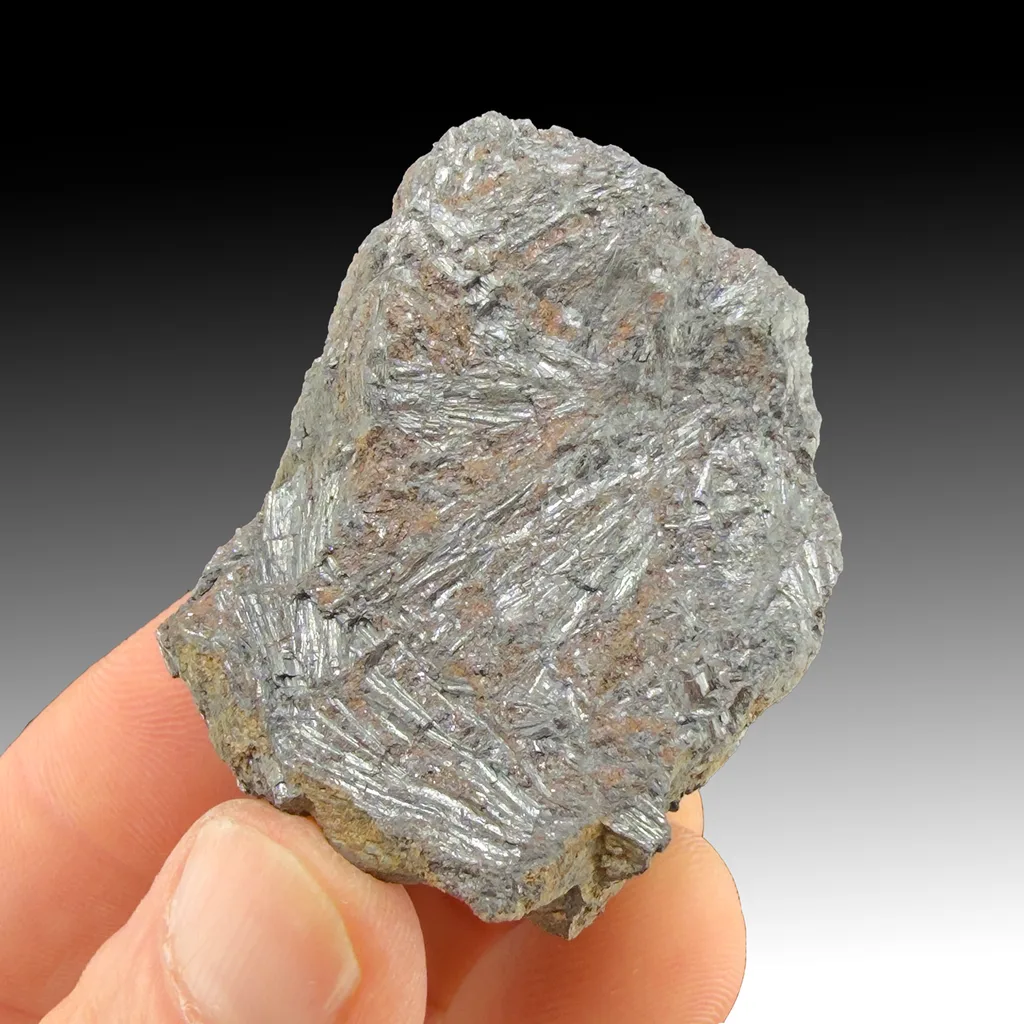
Where Cylindrite is found
Top localities
- Poopó2 specimens
- Santa Cruz Mine2 specimens
- Callapampa1 specimen
- Poopó Province1 specimen
About Cylindrite
Collectors value Cylindrite for its unique chemistry and crystal forms, where the interplay of lead, tin, iron, antimony, and sulfur yields a distinctive, layered structure. While individual crystals can be small, high-quality pieces display crisp edges and good lustre, making them attractive for display and study. The mineral’s relatively rare occurrence and its association with significant sulfide mineral assemblages add to its appeal among collectors seeking examples that illustrate complex sulfide chemistry and distinctive crystal habit.