$450Median
3Sold (12 mo)
$450Last sale
4 in the gallery
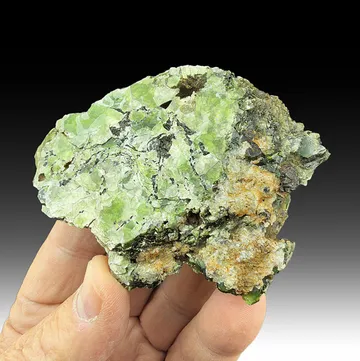
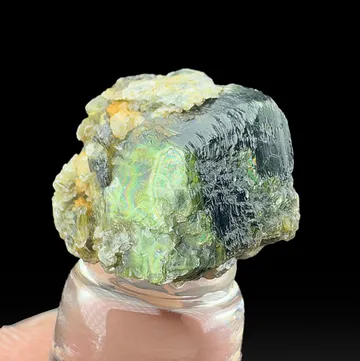
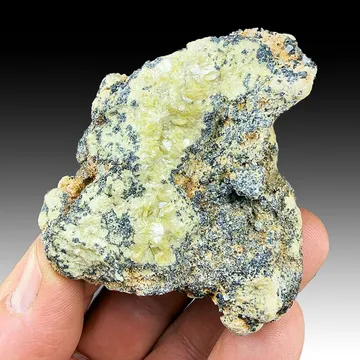
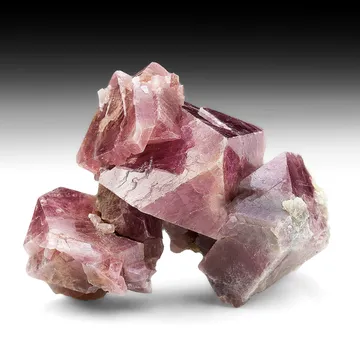
Clintonite is a hydrous calcium-magnesium aluminum silicate that forms as a phyllosilicate with a soft, pearly to vitreous luster. It typically occurs as platy, sheet-like aggregates and can show subtle green to brown hues, reflecting its aluminum and magnesium content. Crystals are often small to moderately sized, and it commonly forms in low-grade metamorphic rocks such as marbles and schists, where hydrothermal fluids can promote its growth. Notable localities include pegmatitic and contact-metamorphic environments in Russia, the United States, and Vietnam, where Clintonite specimens can be associated with other phyllosilicates and magnesian minerals, sometimes displaying pleasing color zoning and well-defined cleavage.
Collectors value Clintonite for its delicate habit and subtle coloration, appealing as cabinet minerals rather than as large, dramatic crystals. The mineral fits well within collections focused on metamorphic mineralogy or aluminum-rich silicates, and it pairs nicely with other phyllosilicates to show the diversity of sheet silicate structures. Fine specimens from classic localities can be sought after for their aesthetic surface sheen and the way light interacts with the layered crystal habit.