
Guide

17 for sale · $120–$3,000 USD
111 in the gallery
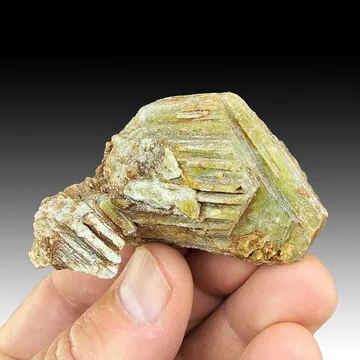
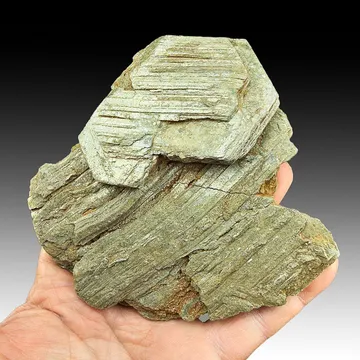
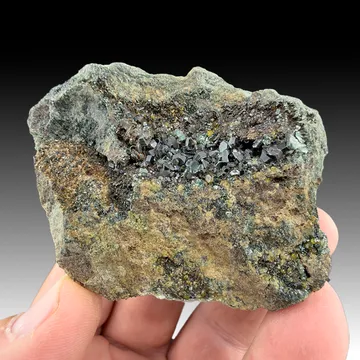
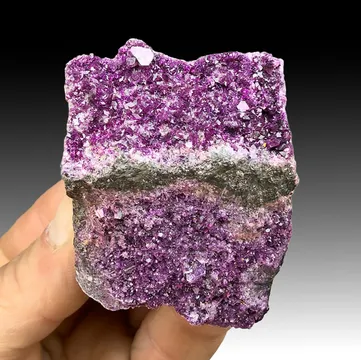
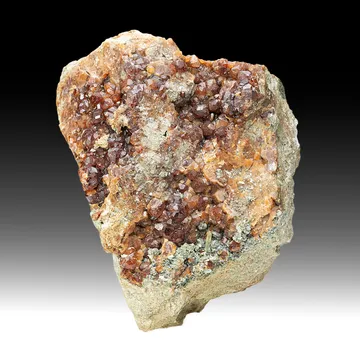
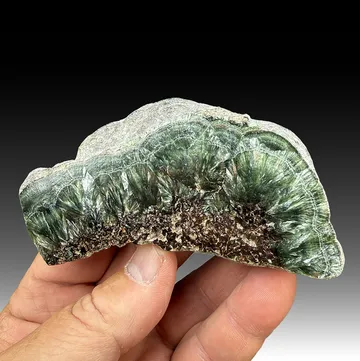
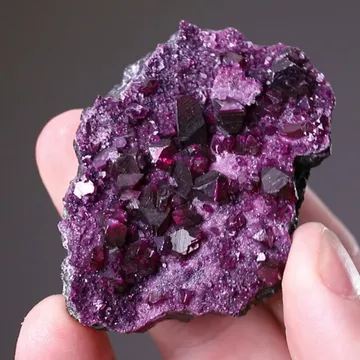
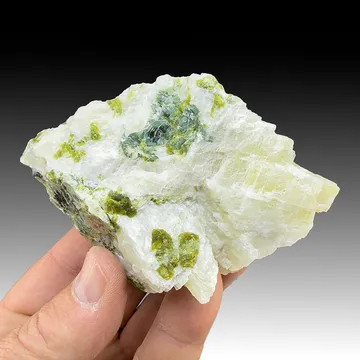
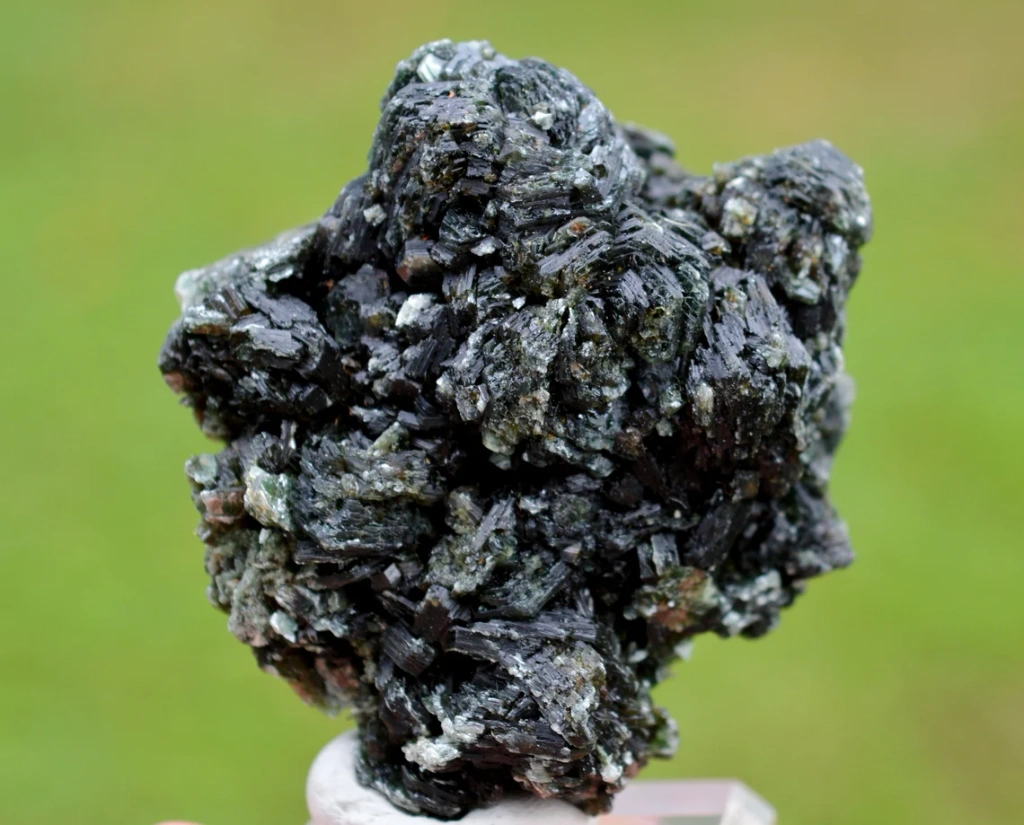
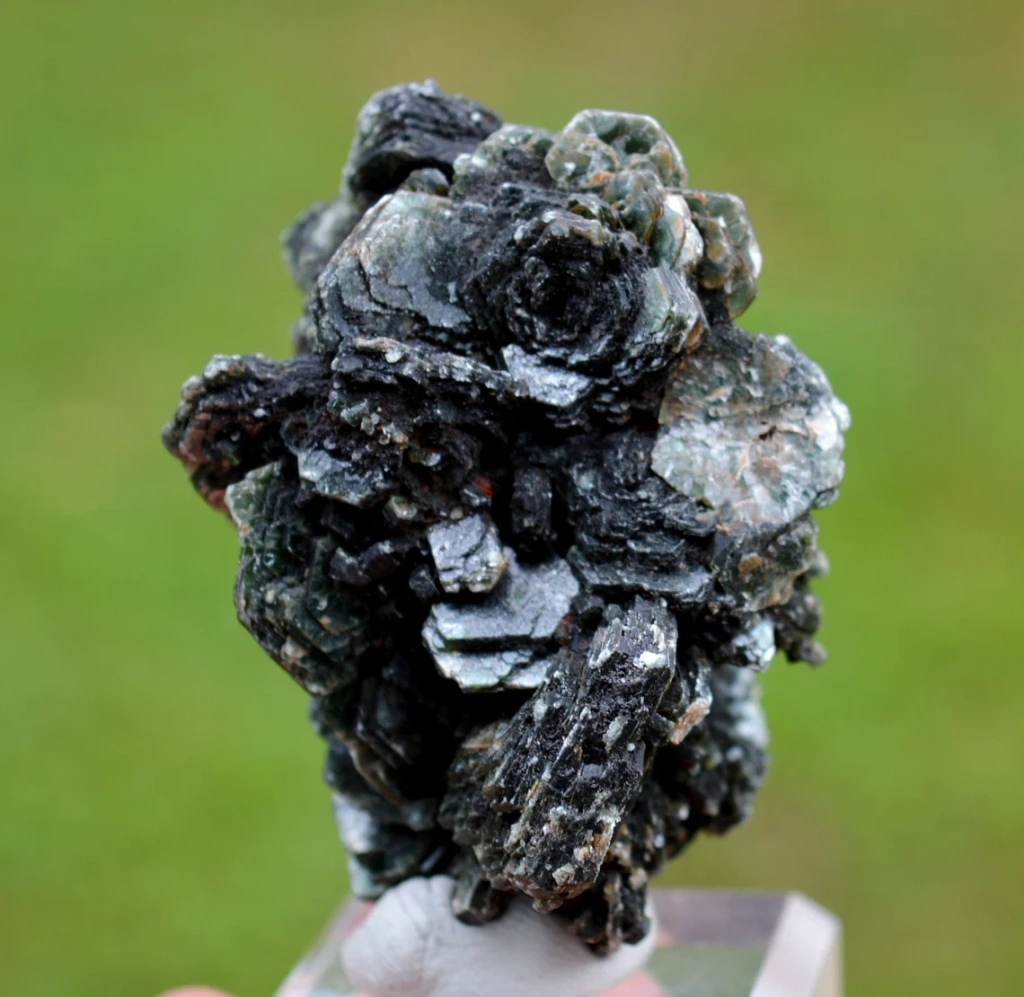
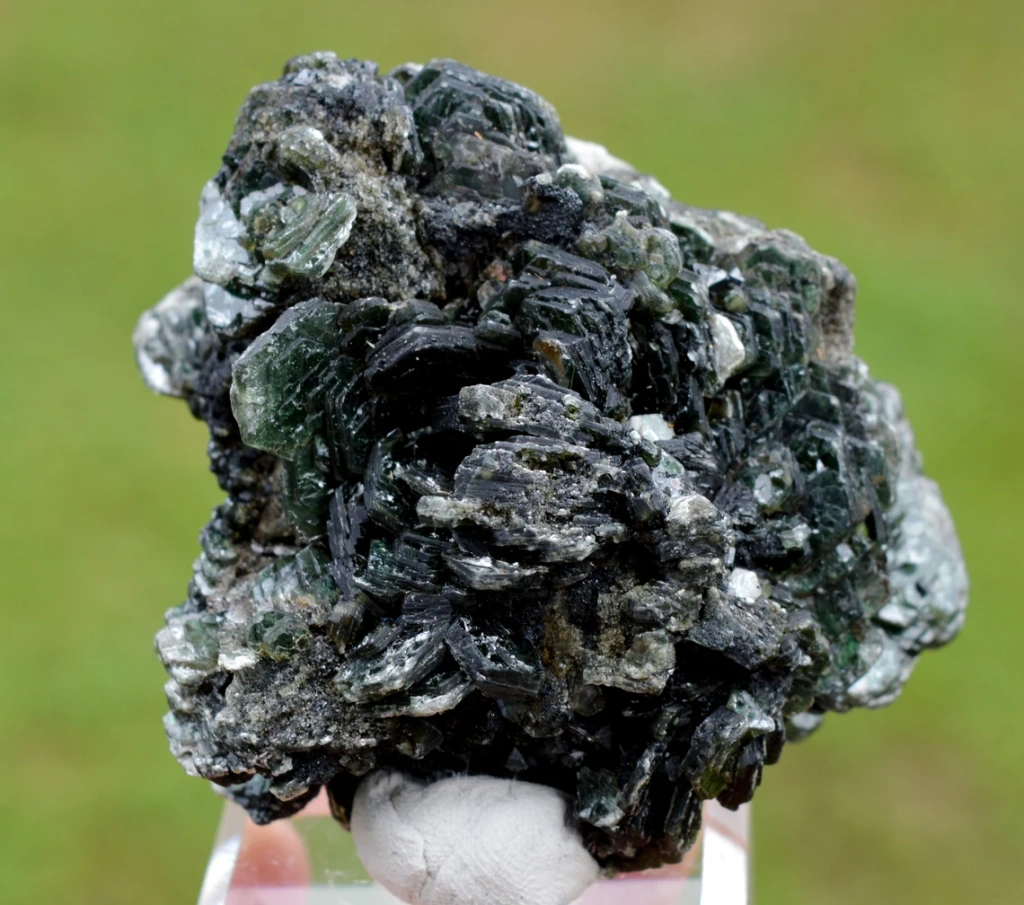
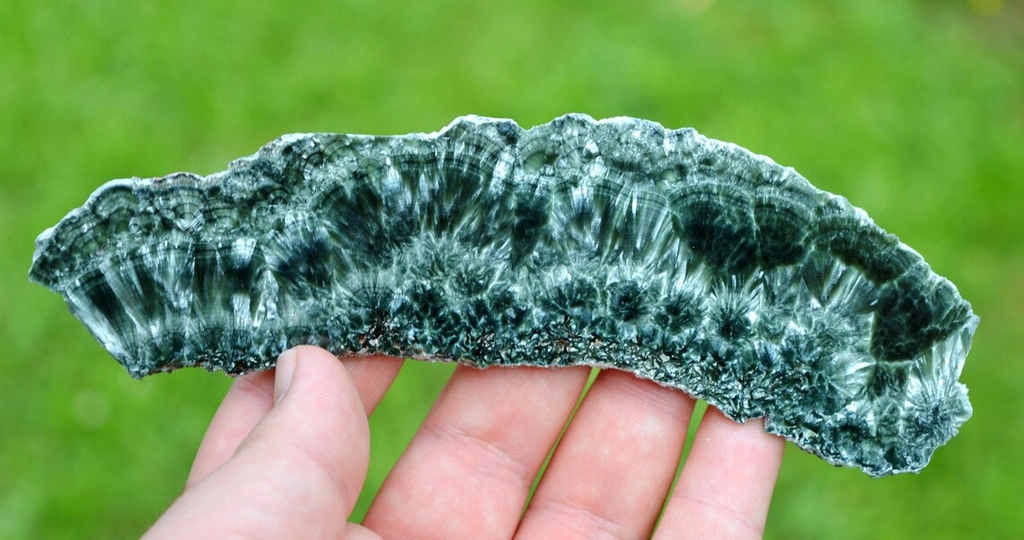
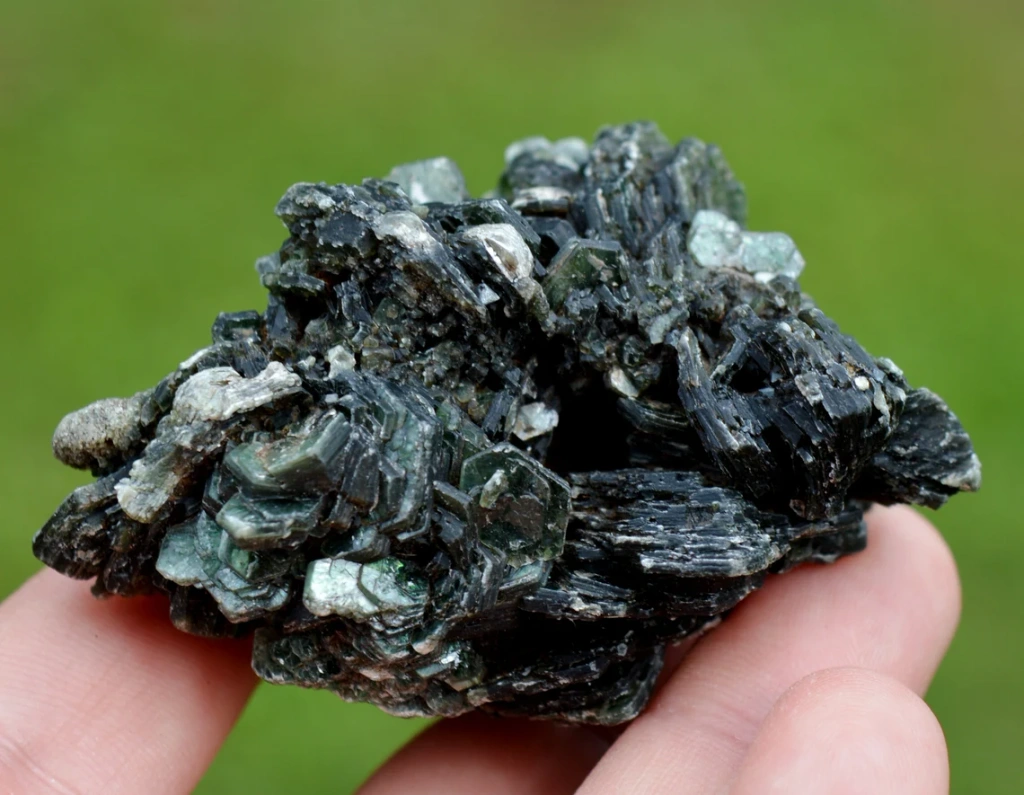
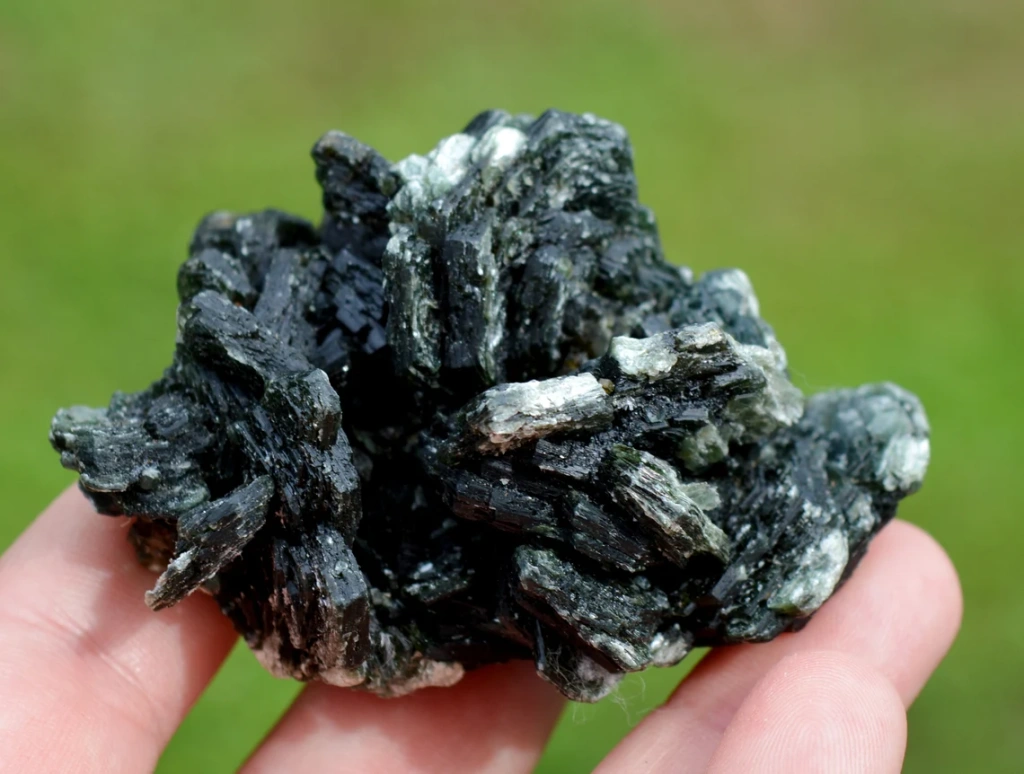
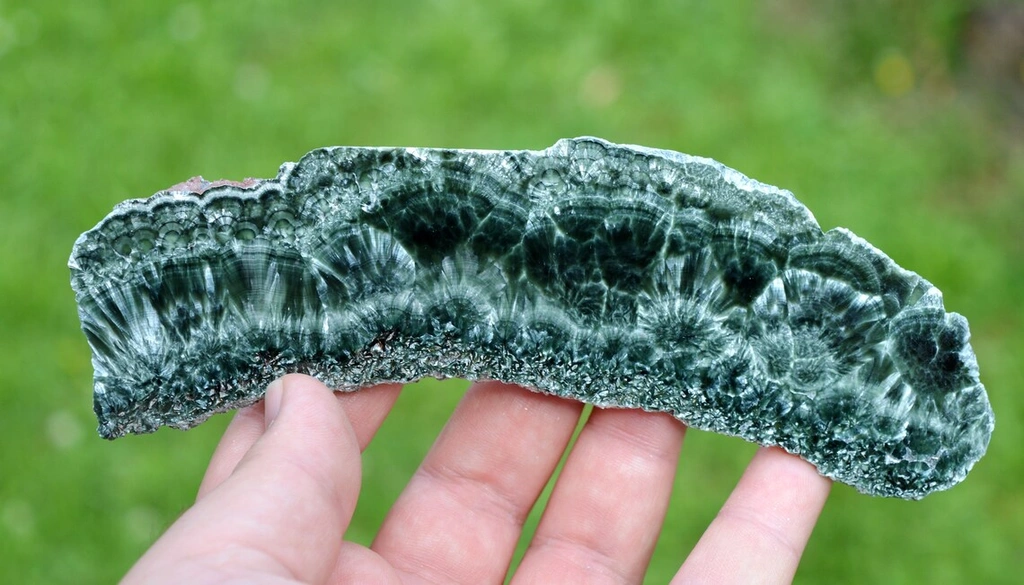
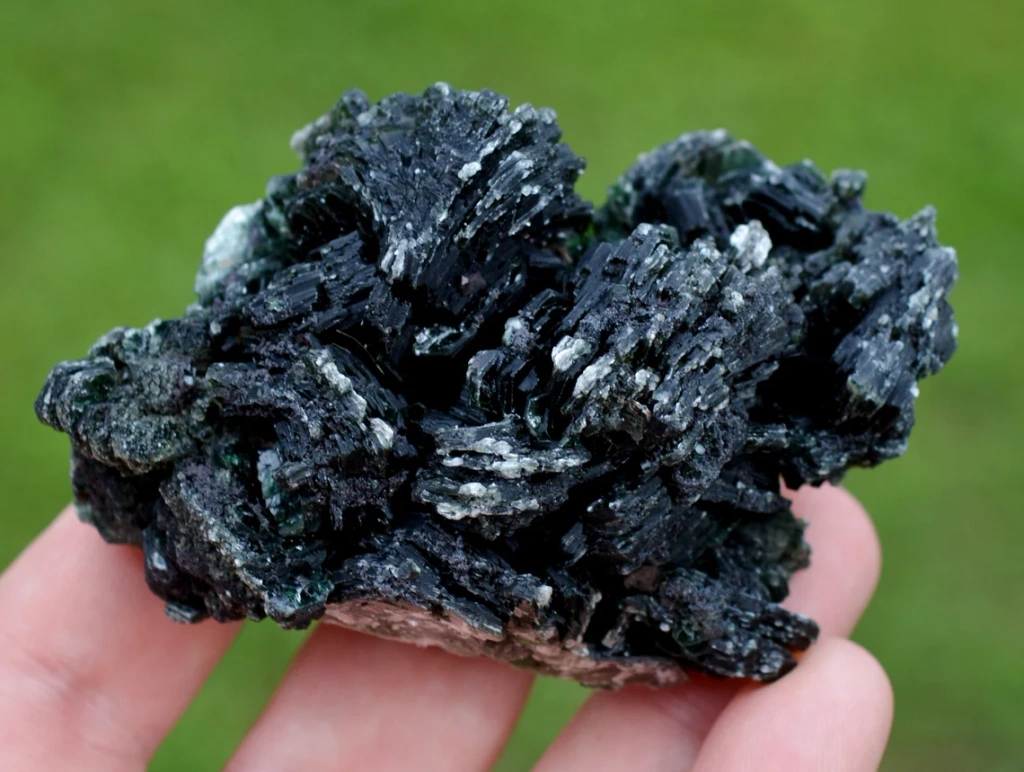
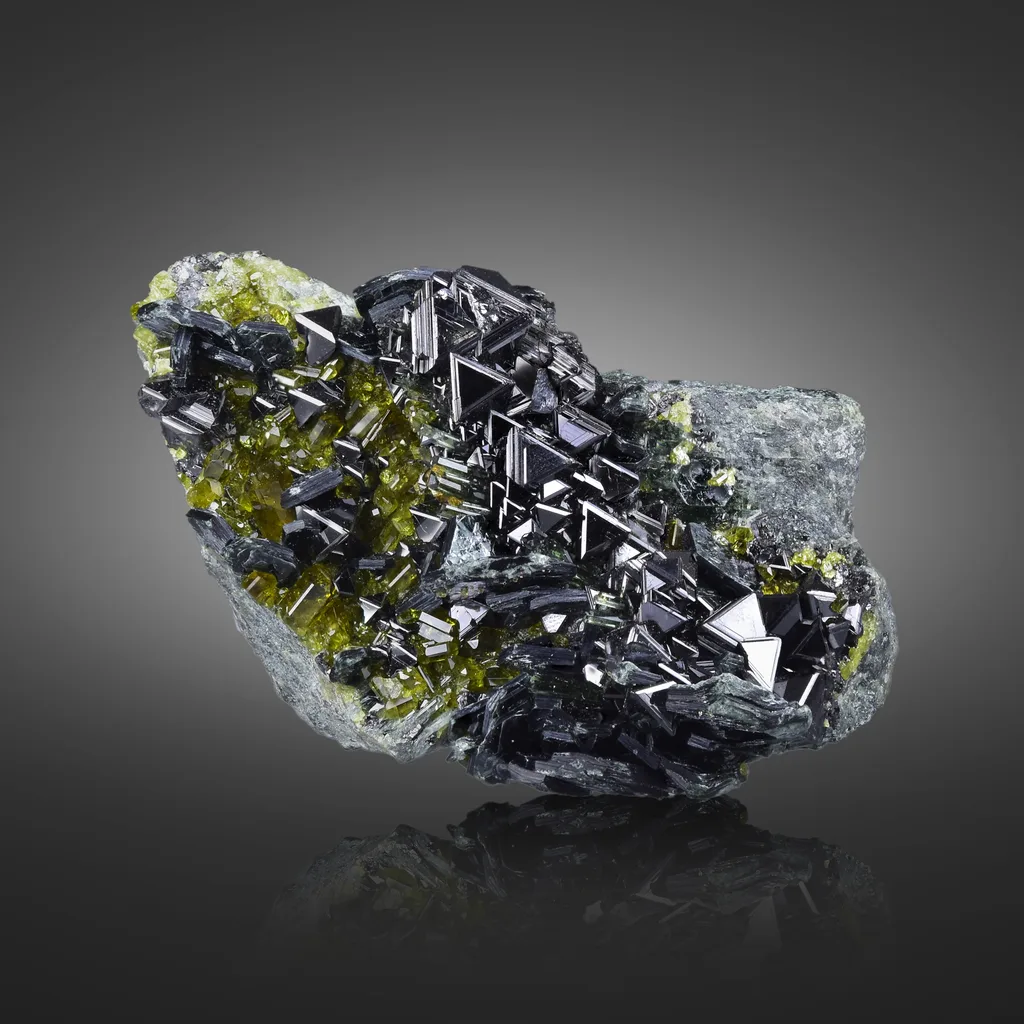
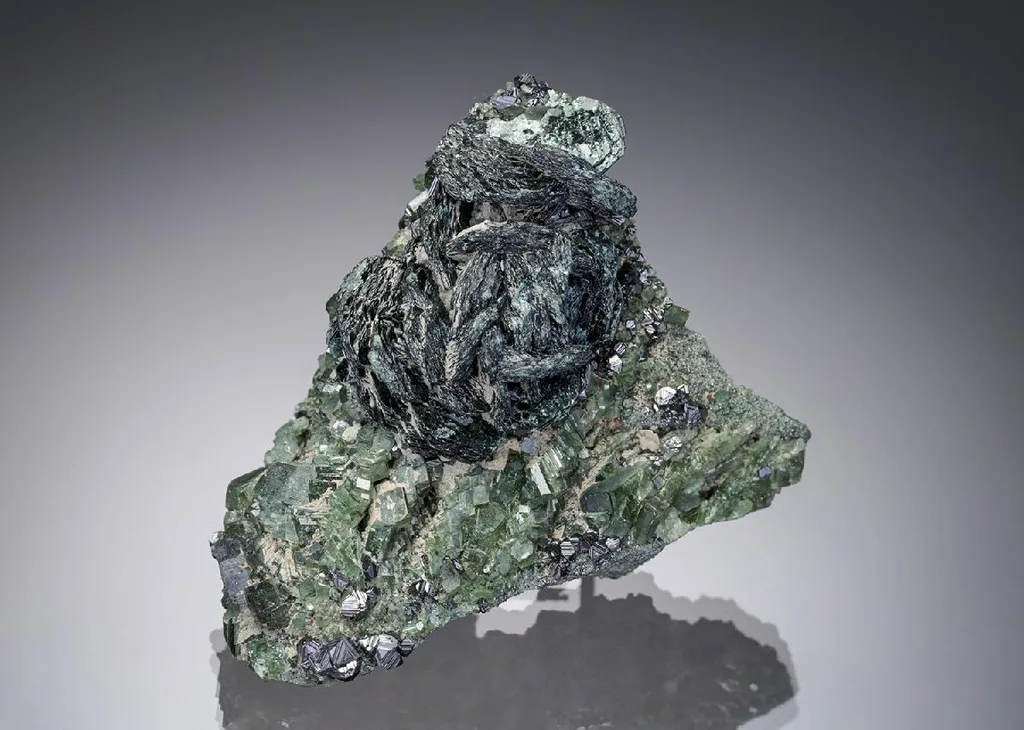
Clinochlore is a member of the chlorite group, commonly forming green, flaky to silky masses with a soft, pearly lustre. It often occurs in foliated or lamellar aggregates that can mineralize as thin plates within metamorphic rocks, reflecting a characteristic sheet silicate structure. Color ranges from pale to deep green, and the mineral may show slightly darker cores in some specimens; the habit is typically platy, with a flexible, easy-to-split surface that can feel greasy to the touch. In polished sections, clinochlore displays the distinctive green pleochroism of chlorite minerals and contributes to the overall green sheen seen in many metamorphic assemblages.
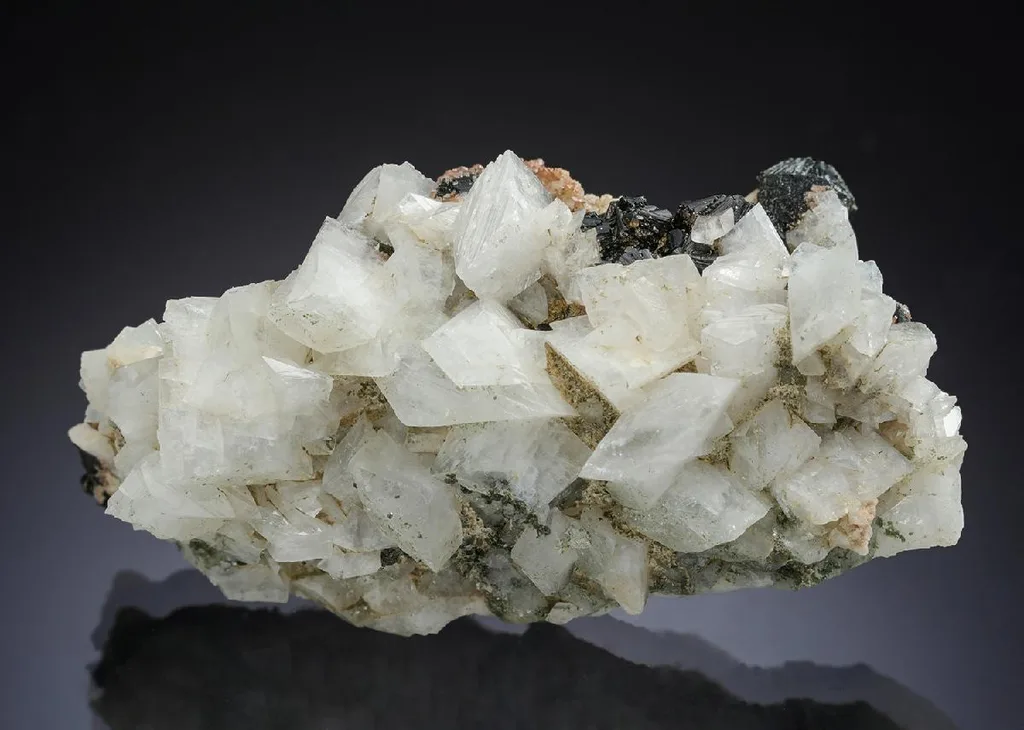
Notable specimens of clinochlore come from a variety of localities around the world, including historically important deposits in Italy and Türkiye, where it occurs within greenschist and lower-grade metamorphic rocks. In collecting terms, clinochlore is appreciated for its vivid greens, its utility as a rock-forming mineral in schists and serpentinites, and for its association with other chlorite-group minerals. Collectors value well-formed platelets and aggregates that reveal the mineral’s luster and delicate cleavage; pale green to deeper hues add visual interest when displayed with complementary minerals and matrix rock.