$215Median
3Sold (12 mo)
$50Last sale
1 for sale · $650 USD
5 in the gallery
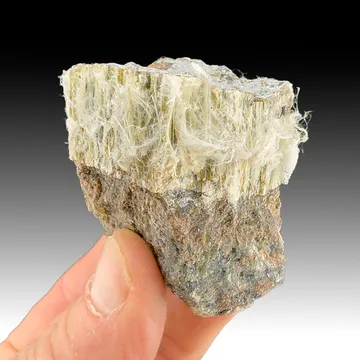
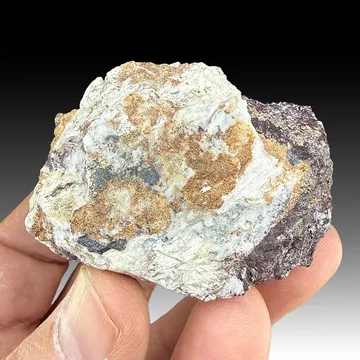
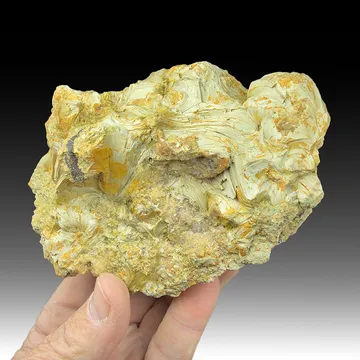
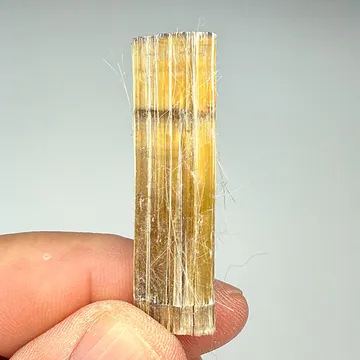
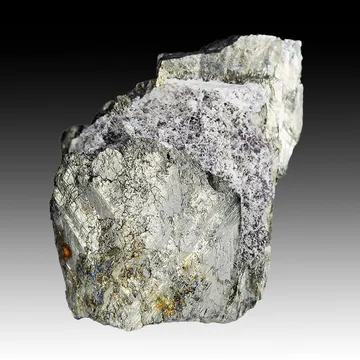
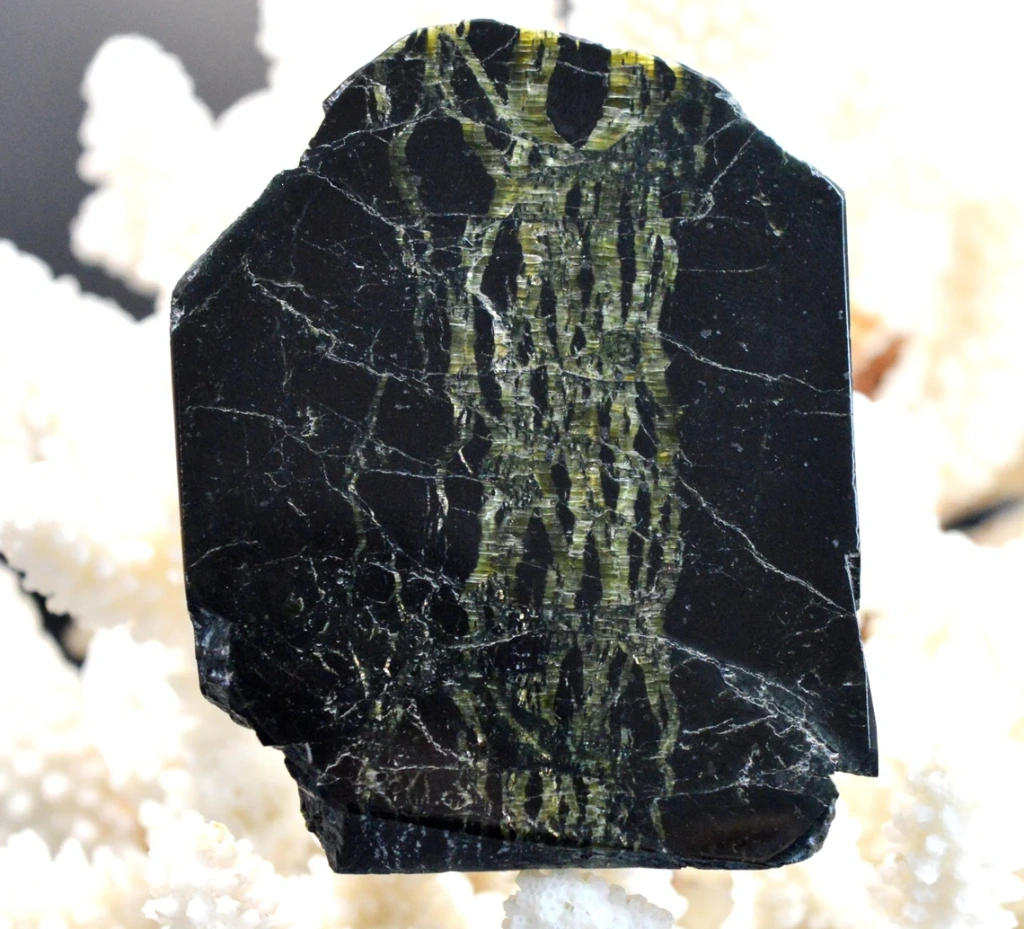
Chrysotile is a magnesium silicate in the serpentine group, characterized by a pale to white color and a silky to vitreous luster. It commonly forms slender, fibrous crystals that can create fibrous aggregates or compact masses, and it often occurs in hydrothermal and ultramafic contexts. Notable specimens have come from classic serpentine-bearing locales where chrysotile occurs alongside other serpentine minerals, providing striking contrasts in texture and sheen.
Collectors value chrysotile for its remarkable fibrous habit and historical significance in industrial mineral history. While its asbestos-related health concerns are well known, well-identified, properly labeled samples from reputable localities remain of interest for mineralogical study and for display alongside other serpentine minerals. The variety of fibrous habit, combined with pale coloration and smooth, reflective surfaces, can make chrysotile a focal point in a well-rounded mineral collection.