

Guide
47 for sale · $145–$8,000 USD
167 in the gallery
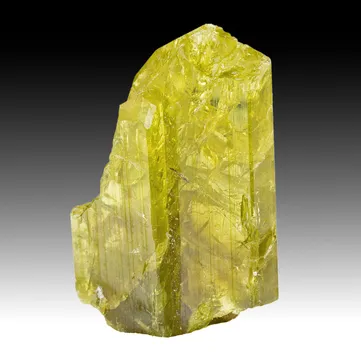
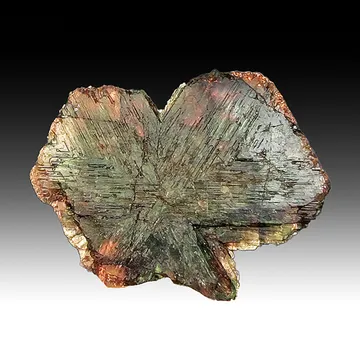
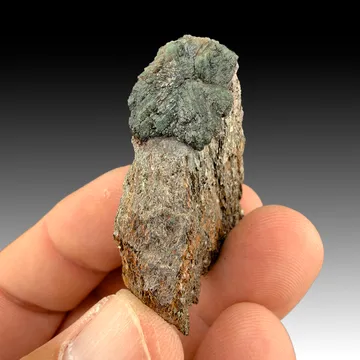
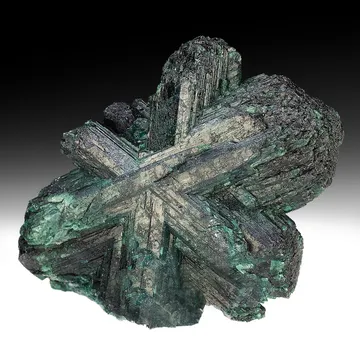
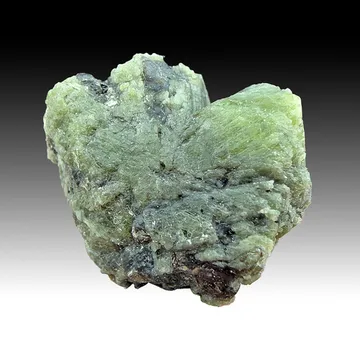
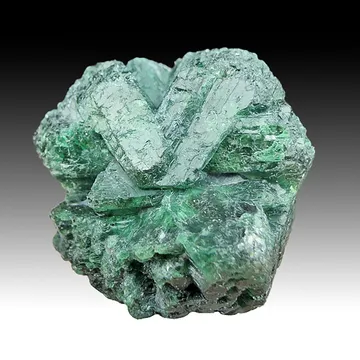
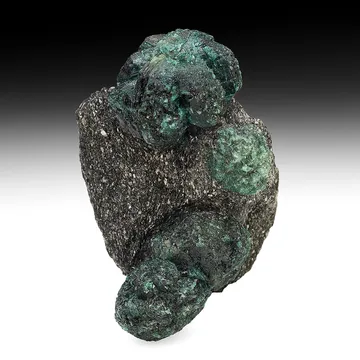
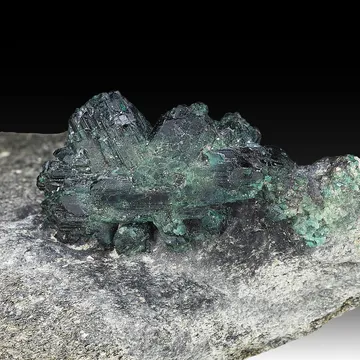
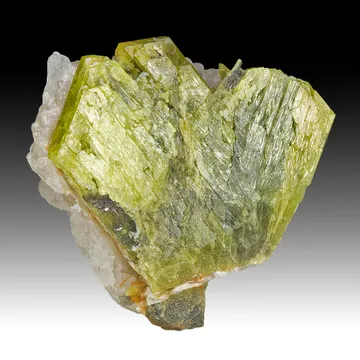
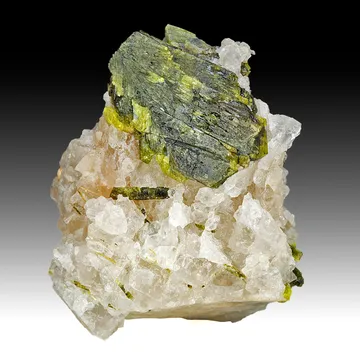
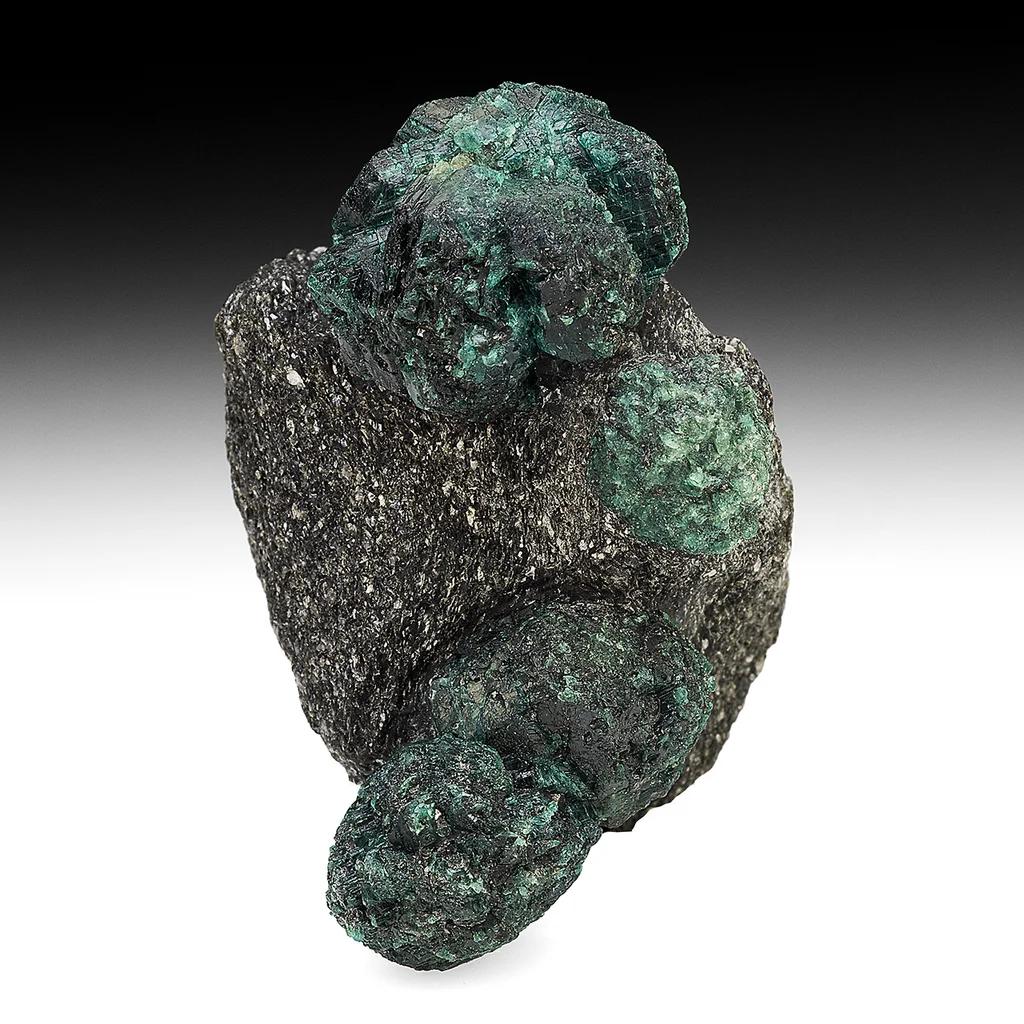
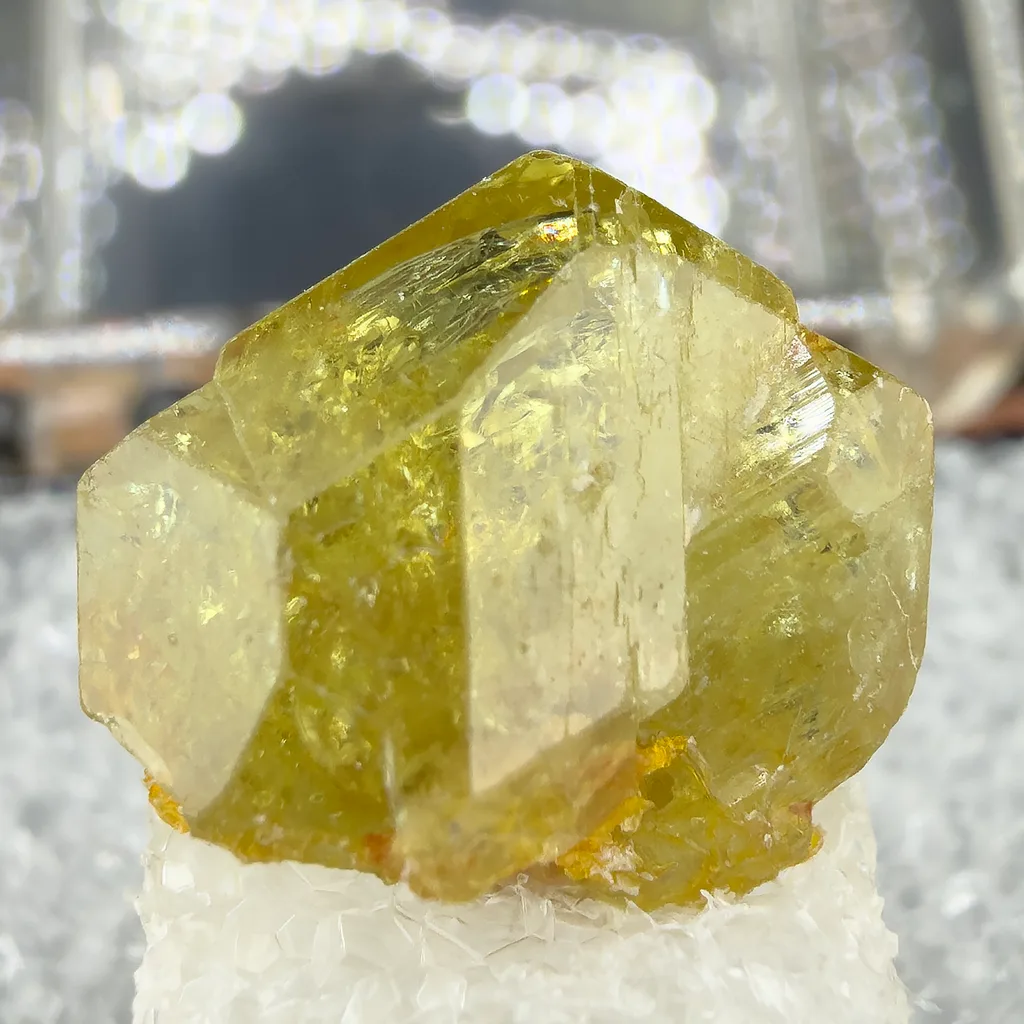
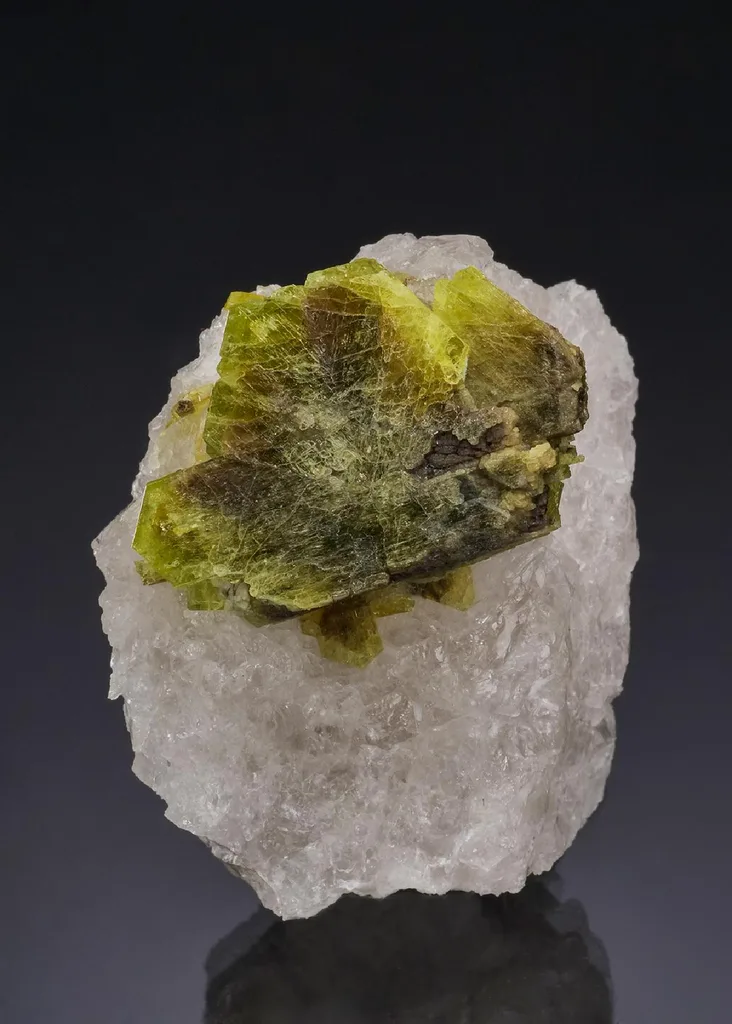
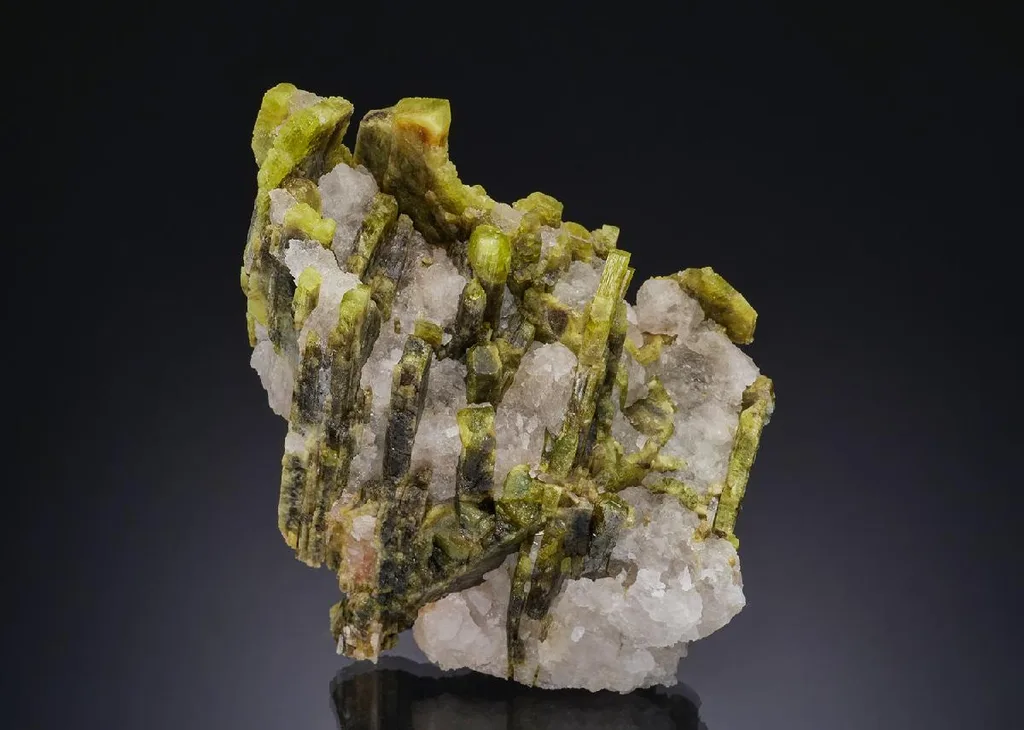
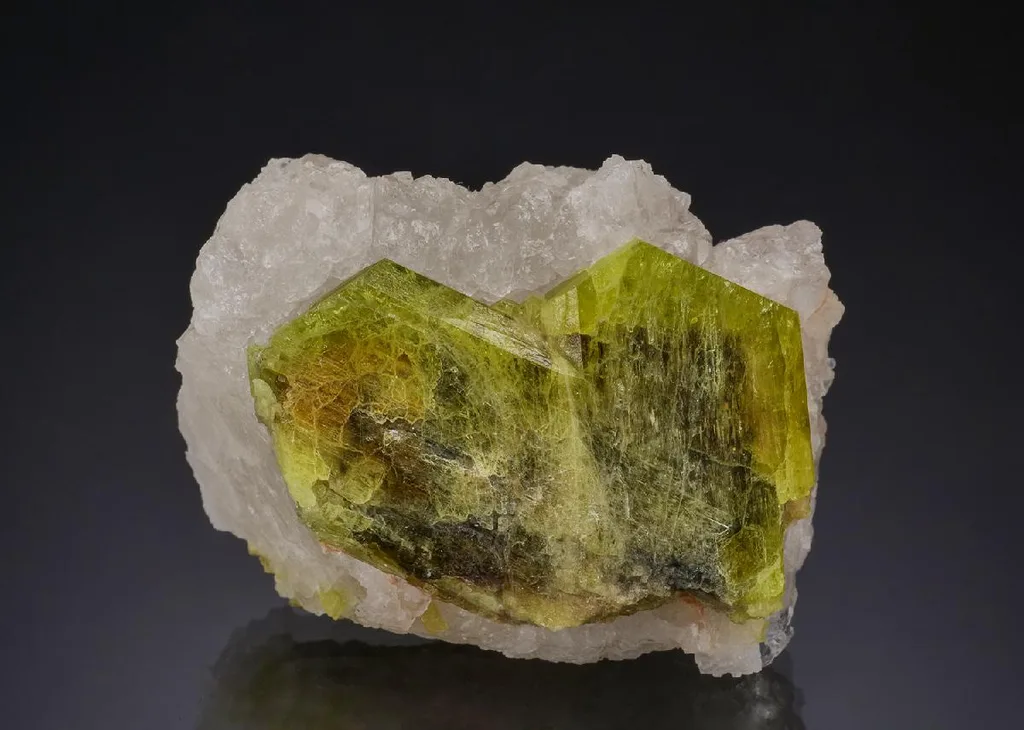
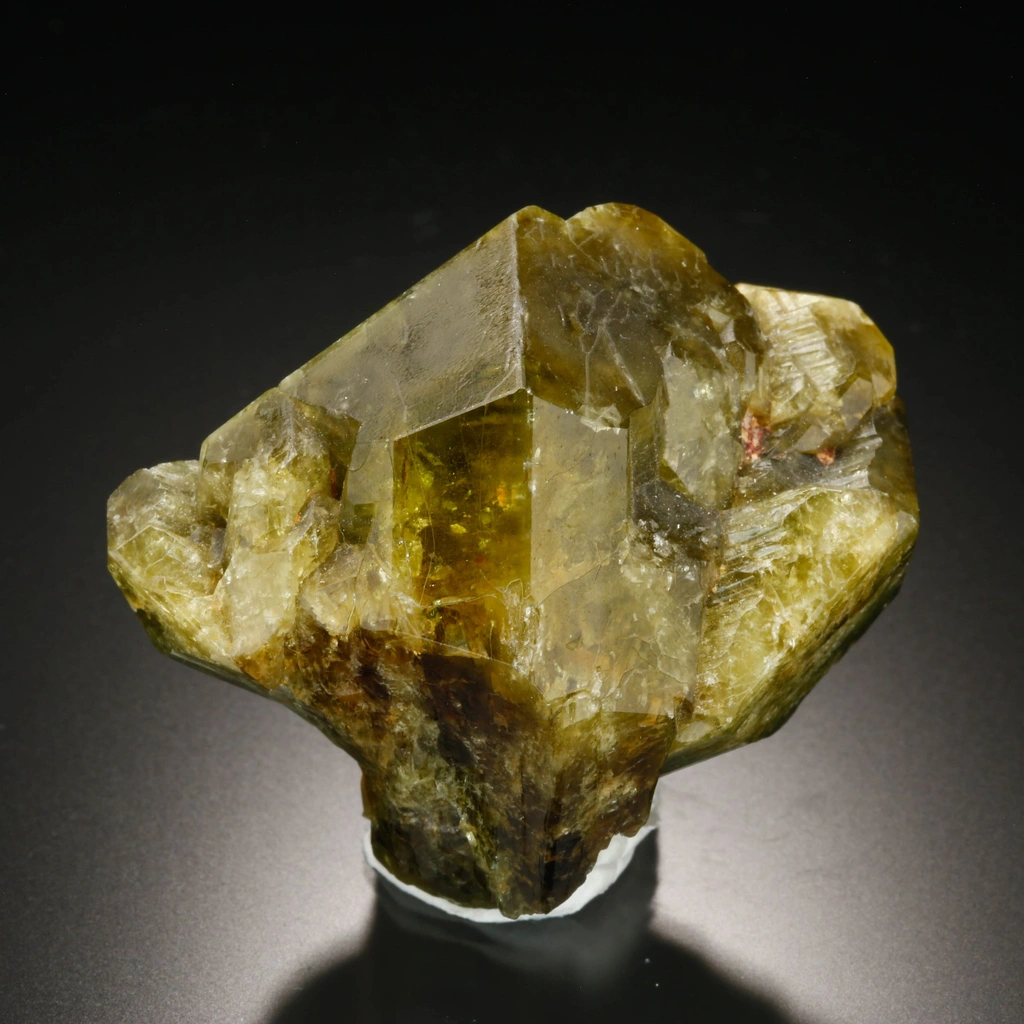
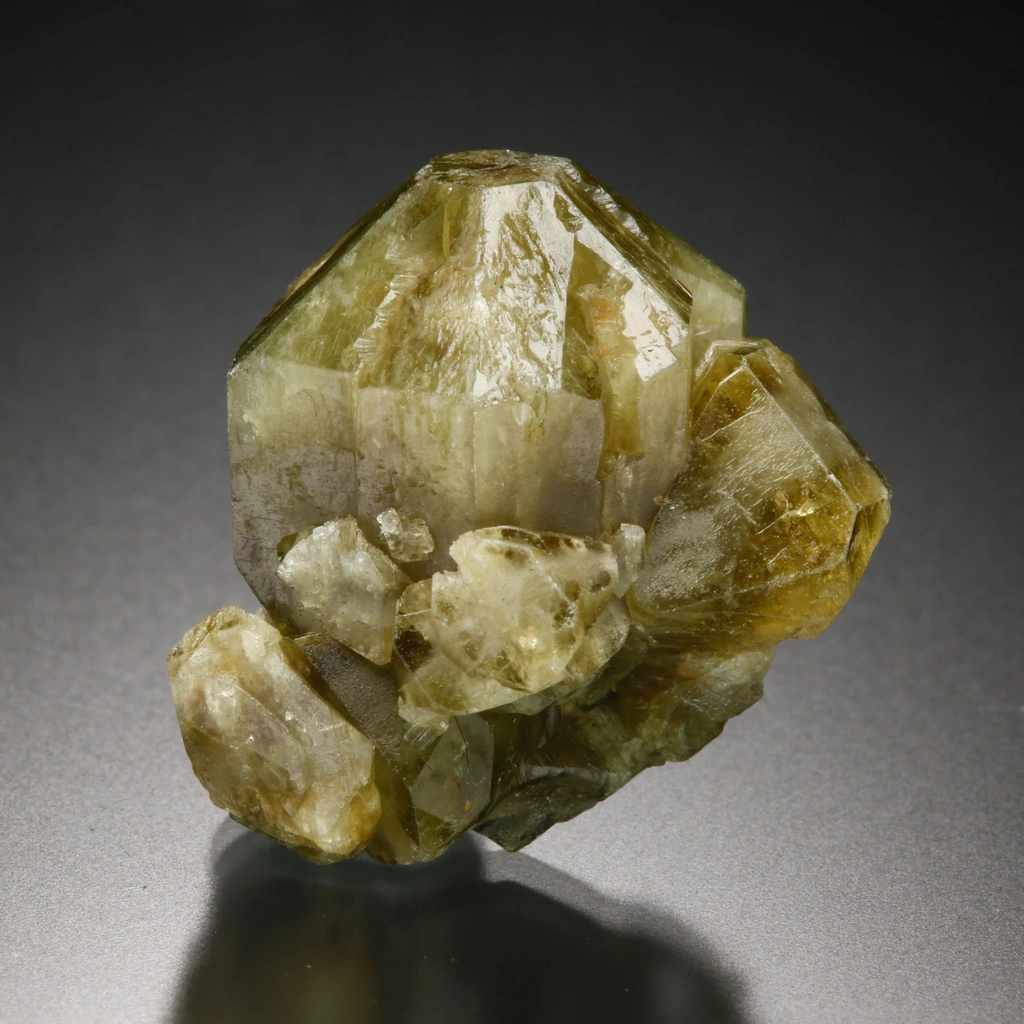
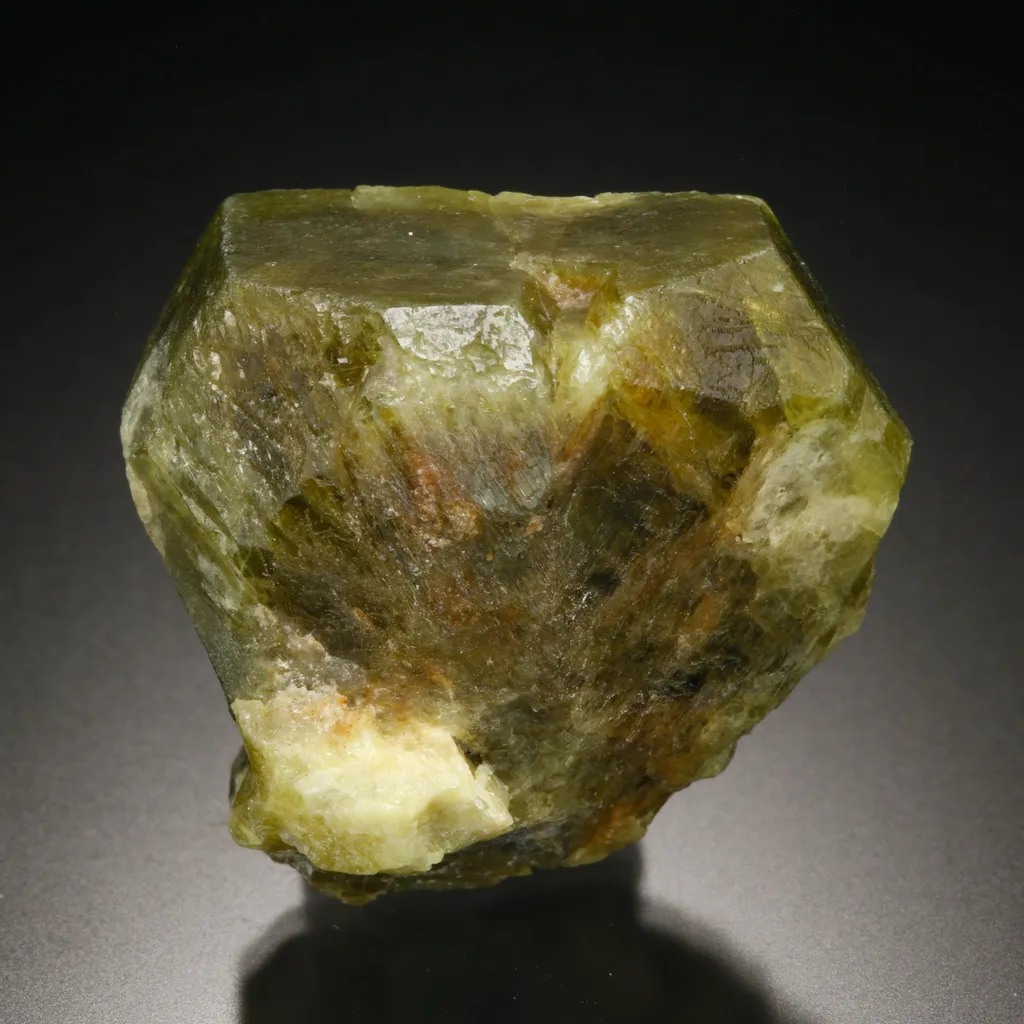
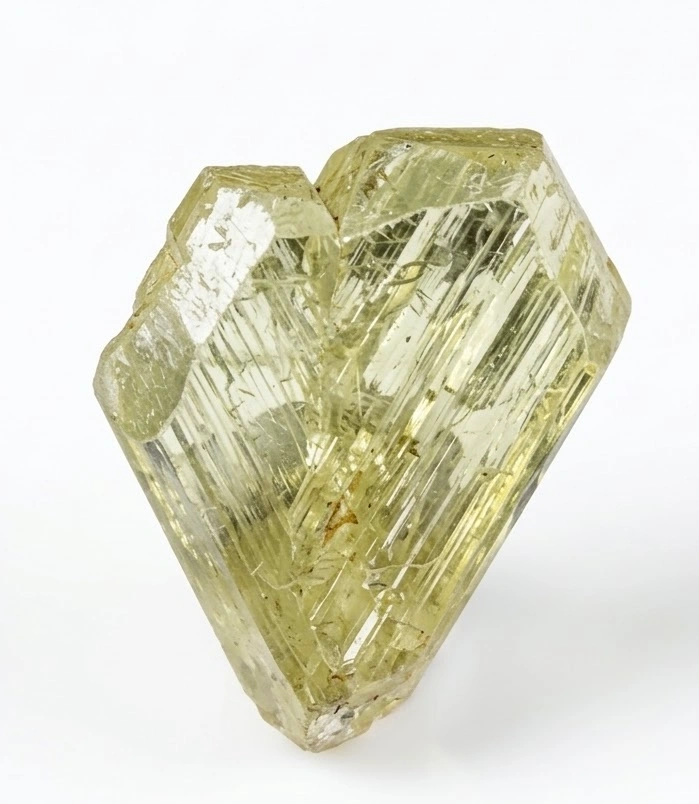
Chrysoberyl is a mineral comprised of beryllium aluminum silicate. It forms in a range of colors from pale yellow to deep olive and can occur as well-formed prismatic crystals or in needle-like aggregates. The lustre is usually vitreous, and gem varieties such as alexandrite and cat’s eye chrysoberyl are particularly prized for color-change and chatoyancy. Collectors often seek clean, well-terminated crystals and specimens exhibiting the distinctive golden to greenish tones.
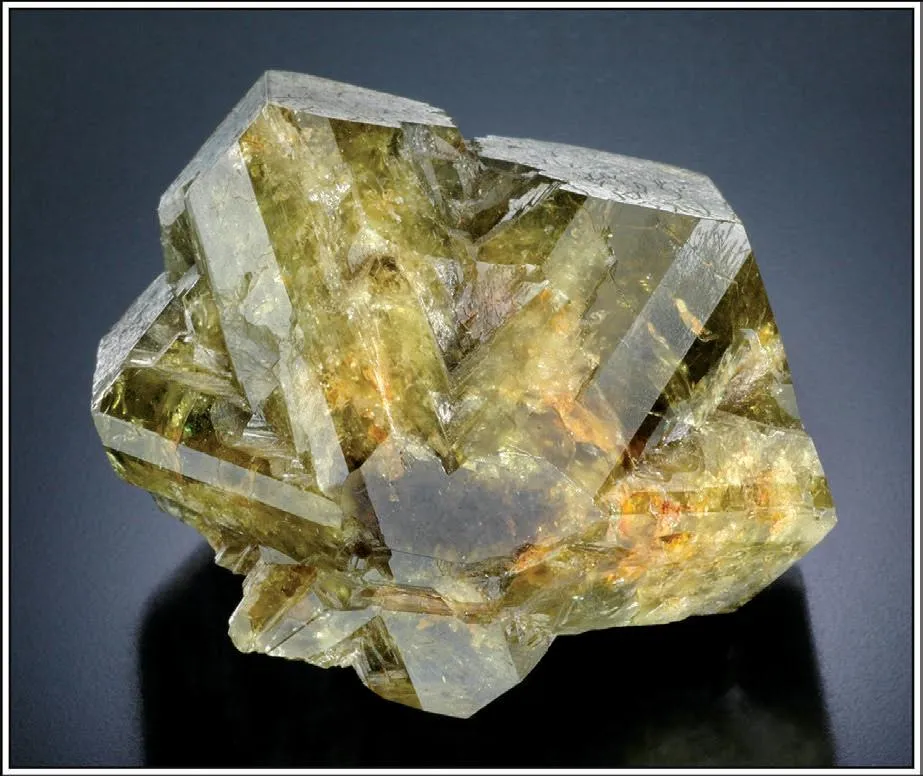
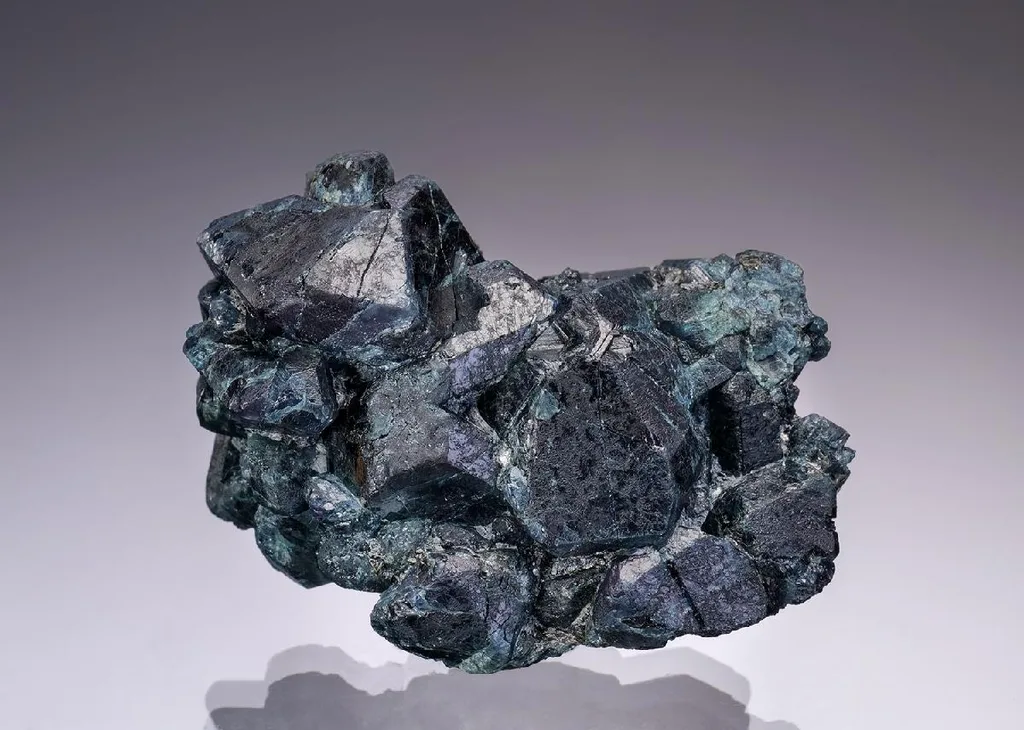
Significant collecting localities include Brazil, Zimbabwe, Mozambique, Madagascar, and Sri Lanka, where chrysoberyl occurs in pegmatitic pockets or metamorphic rocks. Fine gem crystals and metallic-looking cleavage surfaces are especially valued, along with specimens showing the characteristic cordierite-like pleochroism in some varieties. The mineral’s occurrence across diverse geological settings helps account for its presence in many cabinet displays from different continents.
Collectors appreciate chrysoberyl for its combination of rarity, crystal quality, and the appeal of gem-quality forms such as alexandrite and cat’s eye varieties, which offer striking color effects under varying light.