$115Median
4Sold (12 mo)
$75Last sale
10 for sale · $100–$30,000 USD
38 in the gallery
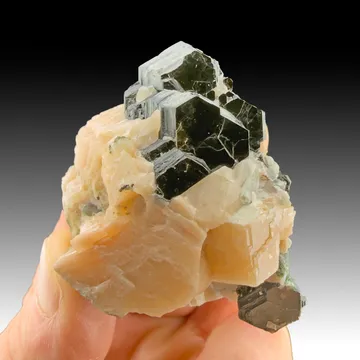
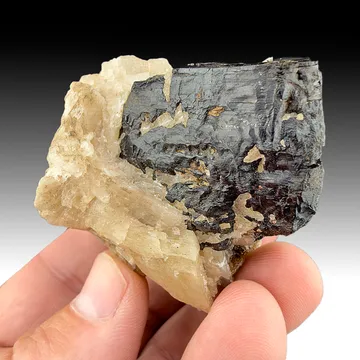
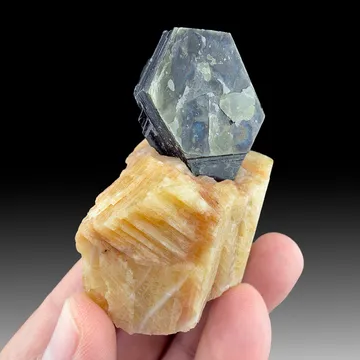
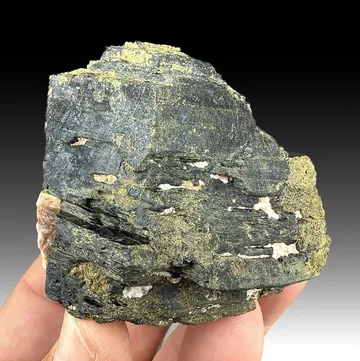
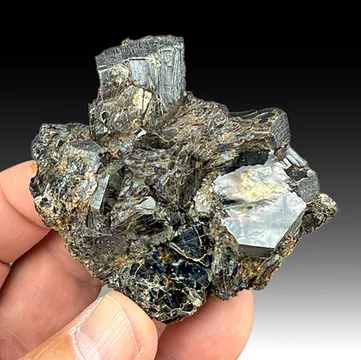
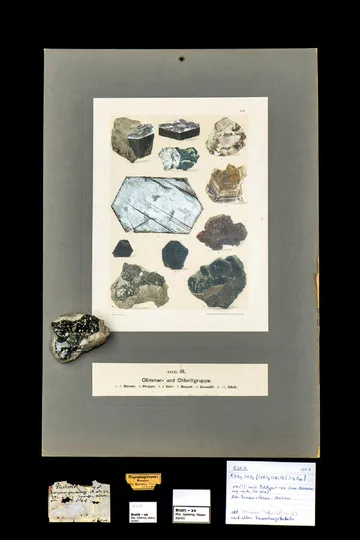
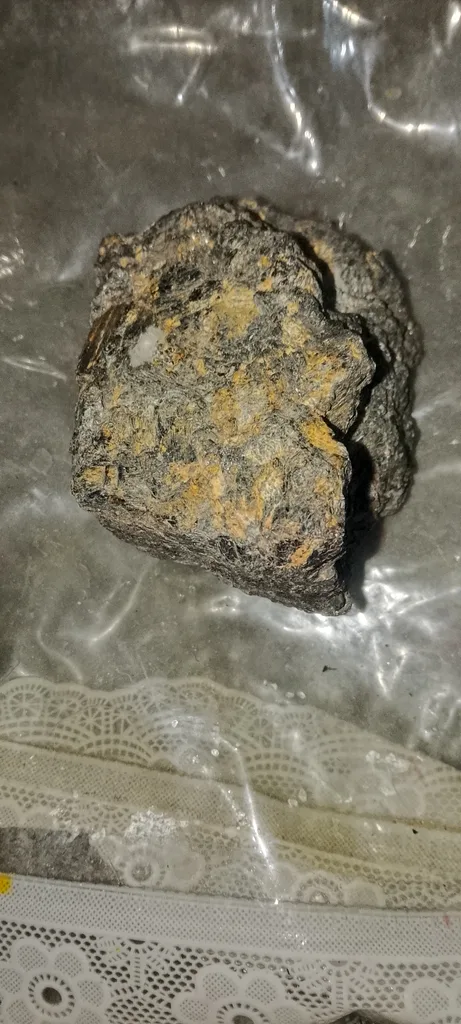
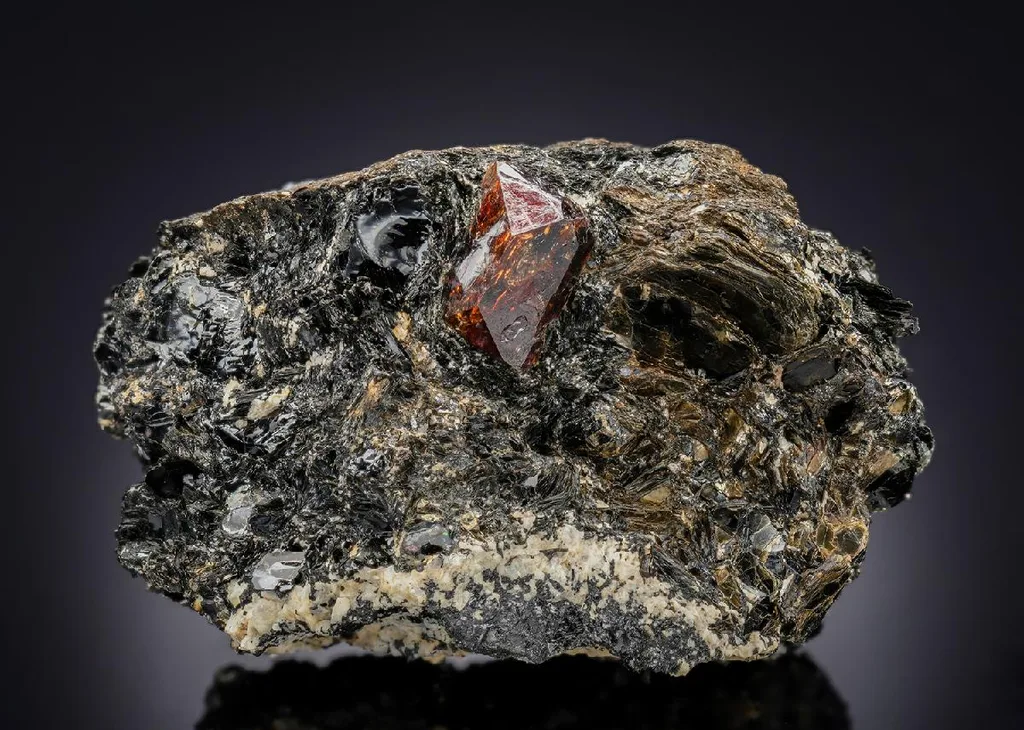
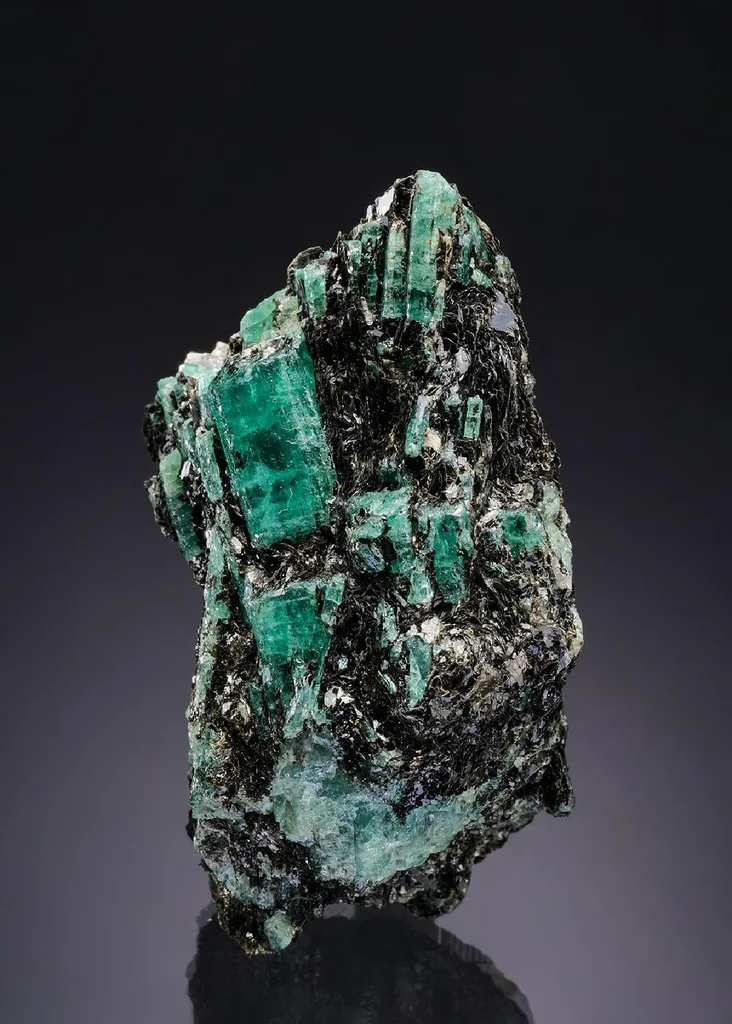
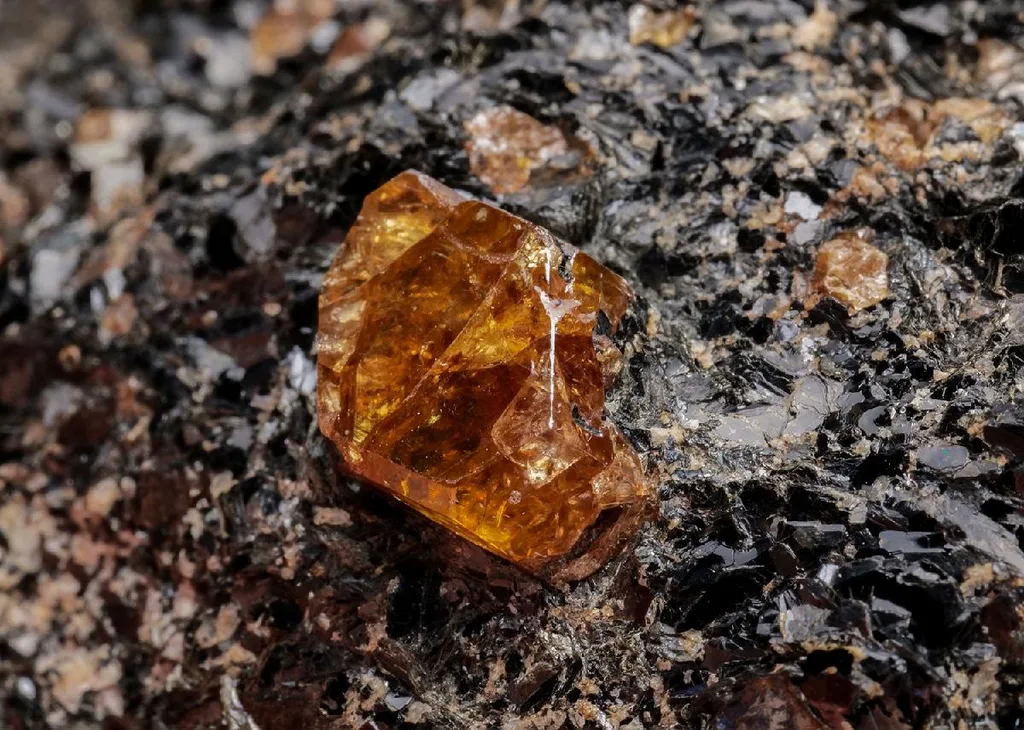
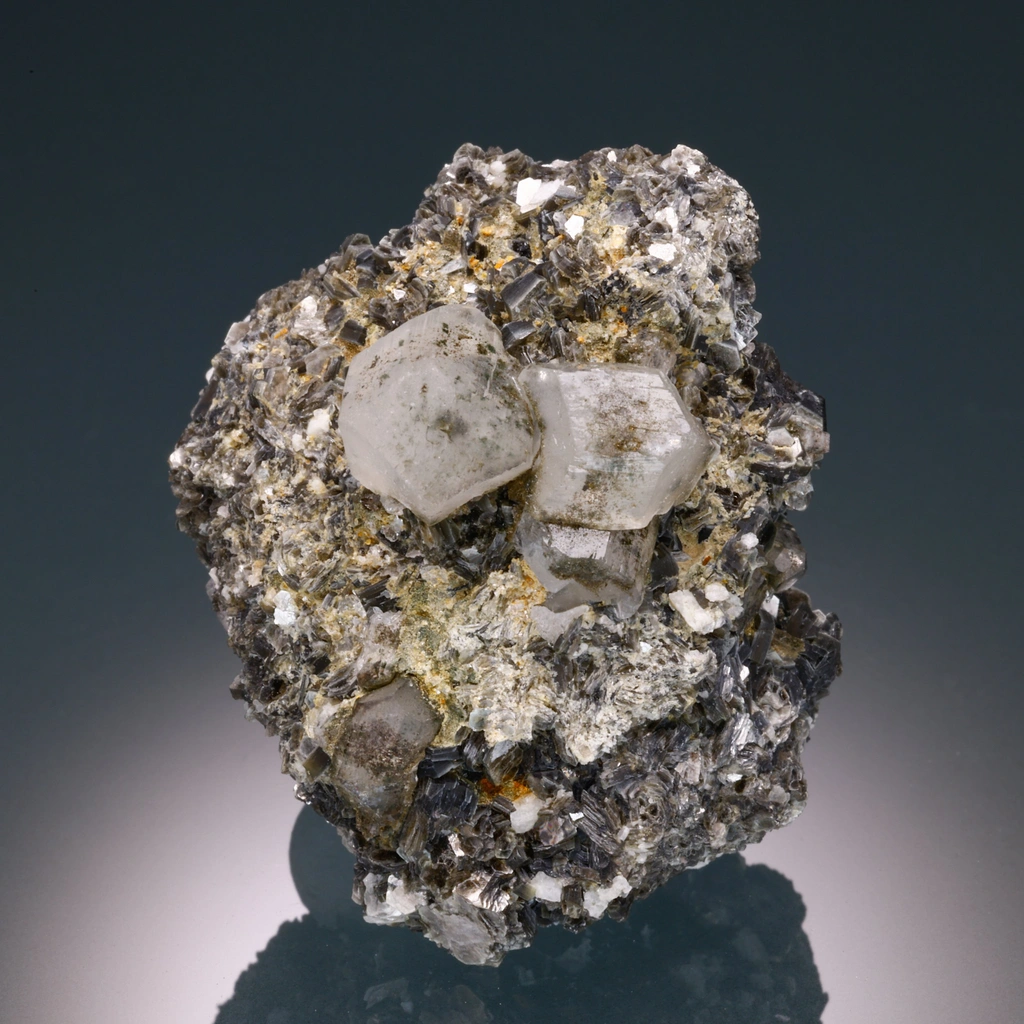
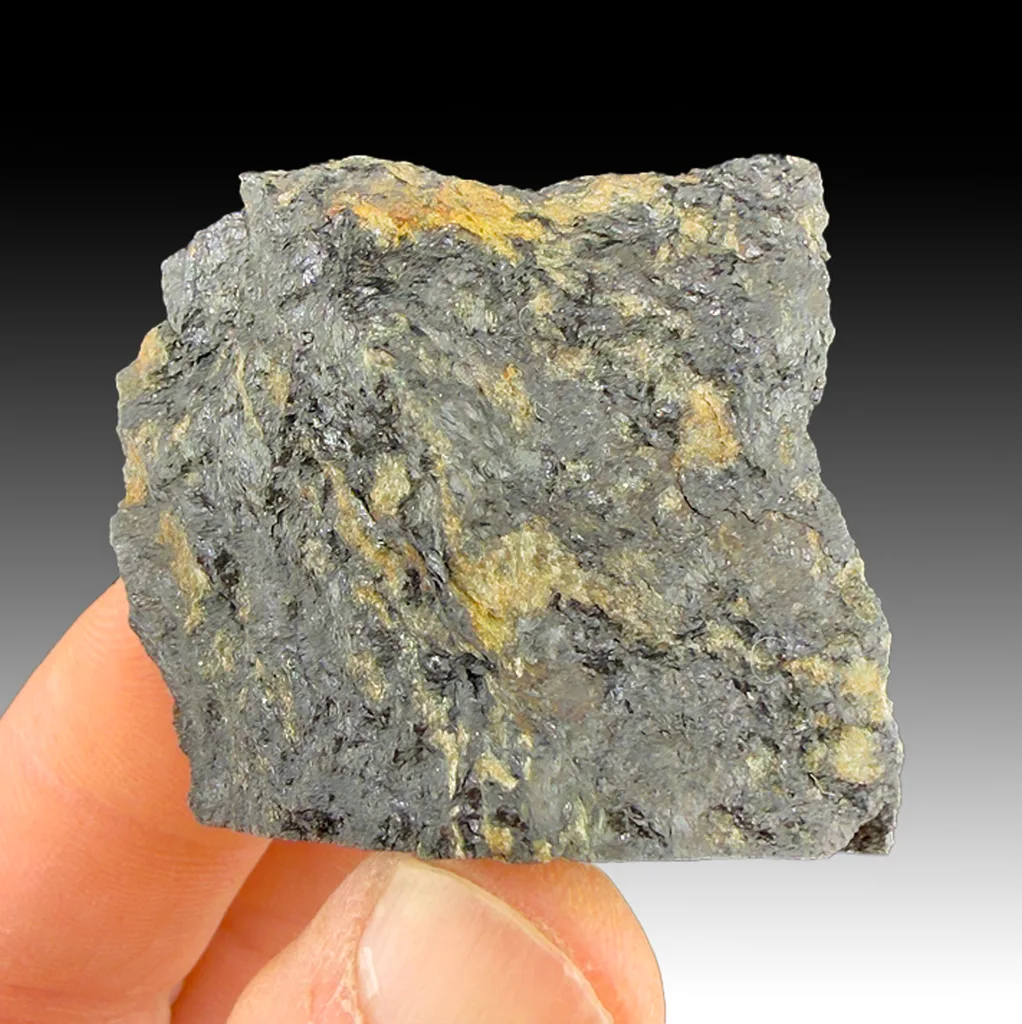
Biotite is a common sheet silicate mineral that forms monoclinic crystals and dark, vitreous to sub-metallic surfaces. It typically appears as thin, flexible sheets with a pleochroic range from brown to greenish-bold hues, and it often displays a rhombohedral cleavage that allows it to split into platy flakes. In rock formations, biotite occurs in igneous and metamorphic environments and can be found in masses or as individual crystals embedded in schists and granites. Collectors prize the glossy, dark flakes for their distinctive luster and the way they reflex infrared light, producing subtle color shifts in different lights.
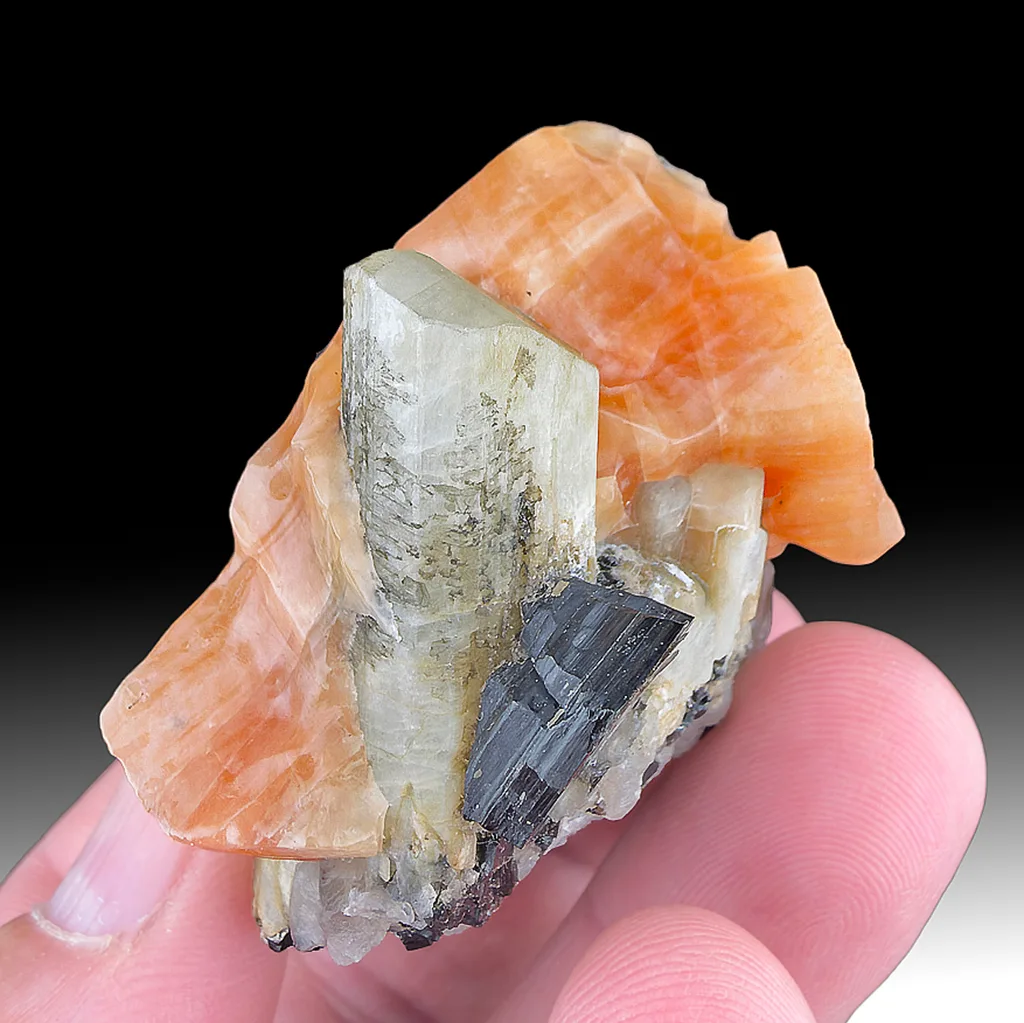
Notable specimens come from a variety of regions around the world, including the USA, Canada, Pakistan, Germany, and Norway, where biotite occurs alongside other mica minerals in granite bodies, schists, and pegmatites. Specimens are often valued for their size, thickness, and the quality of their sheet formation, which makes them attractive for cabinet displays and mineral gardens. For collectors, biotite represents a versatile and accessible mineral that demonstrates classic mica habit and the mineralogical traits of sheet silicates, contributing to comprehensive mineral collections.