$500Median
1Sold (12 mo)
$500Last sale
Recent salesSee more
4 for sale · $400–$9,500 USD
9 in the gallery
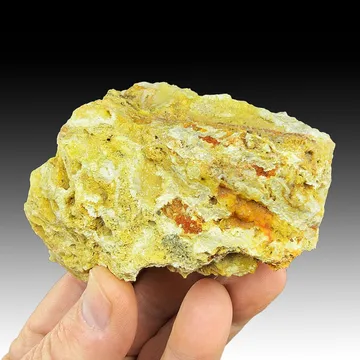
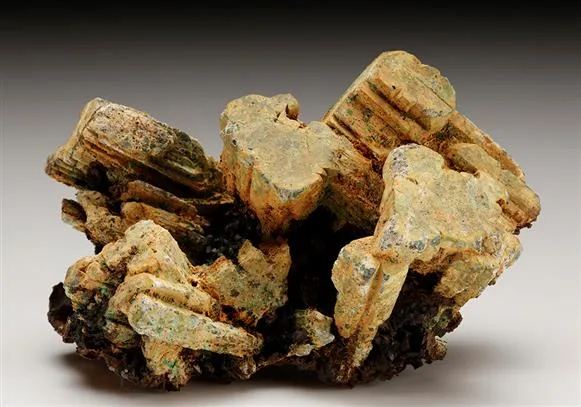
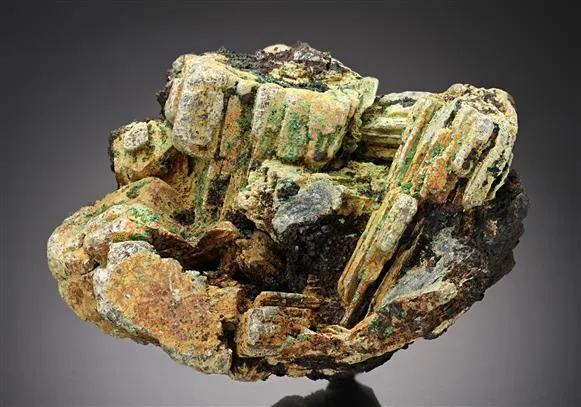
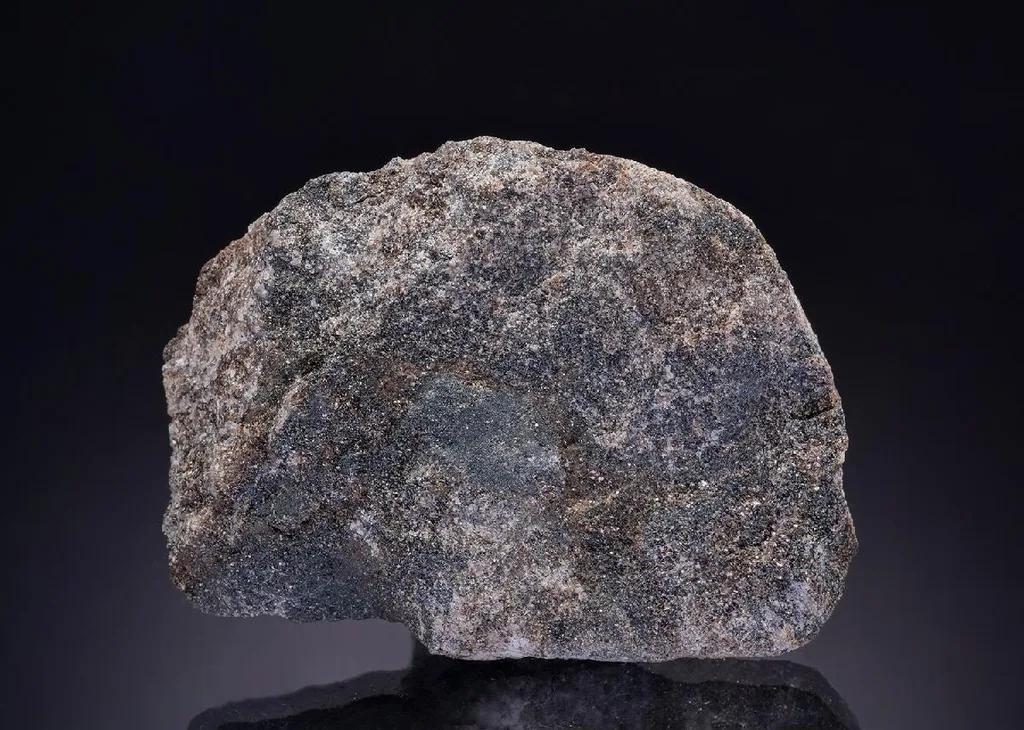
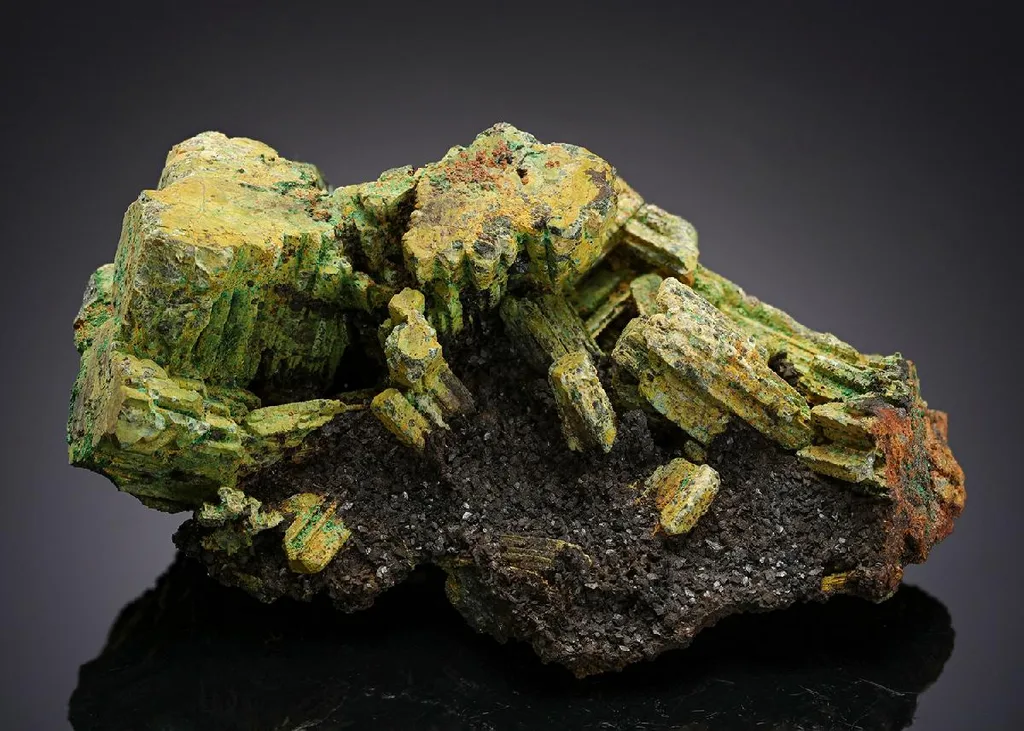
Bindheimite is a lead antimony oxide mineral that crystallizes in the monoclinic system. It typically forms yellow-brown to orange-brown crystals and often occurs in stout tabular or prismatic habits with a resinous to adamantine lustre on polished faces. Fine specimens can be found as associates in hydrothermal lead-antimony deposits, frequently alongside minerals such as pyrites and galena, and it may occur as small, well-formed crystals embedded in matrix.
Notable localities include tunes of Austria, the United States, Tunisia, and the United Kingdom, where oxidized zones of antimony-rich deposits yield collectible grains and crystals. Collectors prize well-formed, lustrous crystal groups that display the distinctive color and sharp terminations typical of bindheimite, as well as crystals with contrasting matrix or pairing alongside related species like senarmontite or valentinite. Its rarity and the specific chemical composition add a discrete allure for cabinet displays and thoughtful study, making bindheimite a worthwhile addition for mineral enthusiasts who focus on lead-antimony oxides and oxide mineralogy.