
Guide
5 for sale · $450–$7,500 USD
80 in the gallery
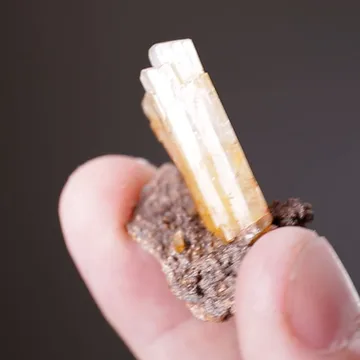
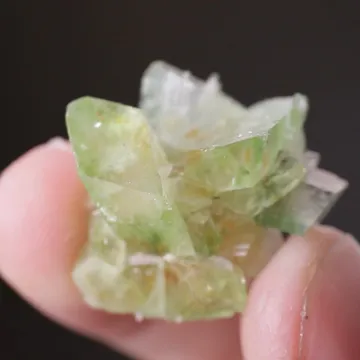
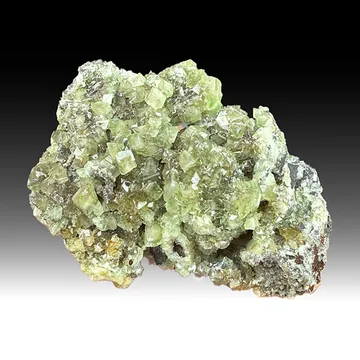
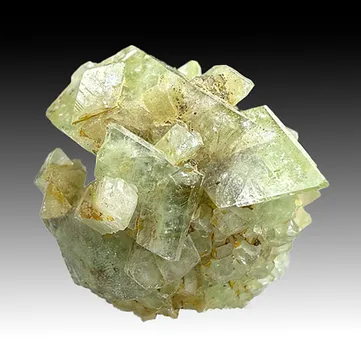
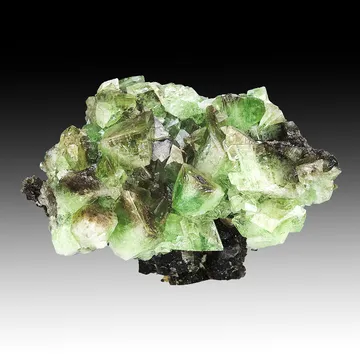
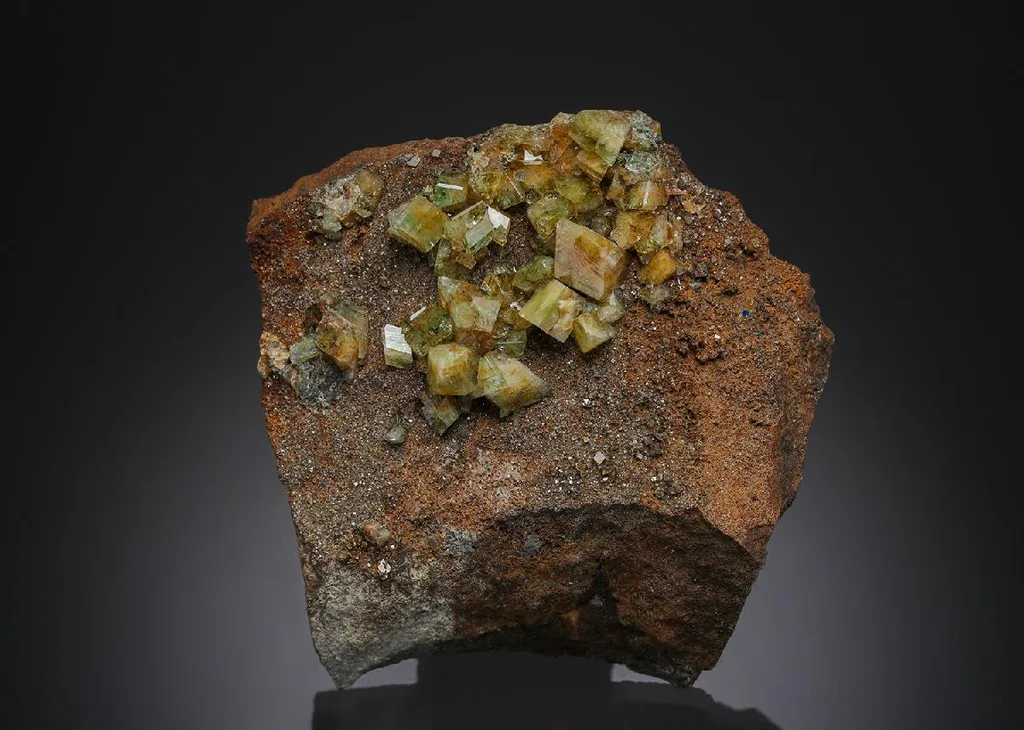
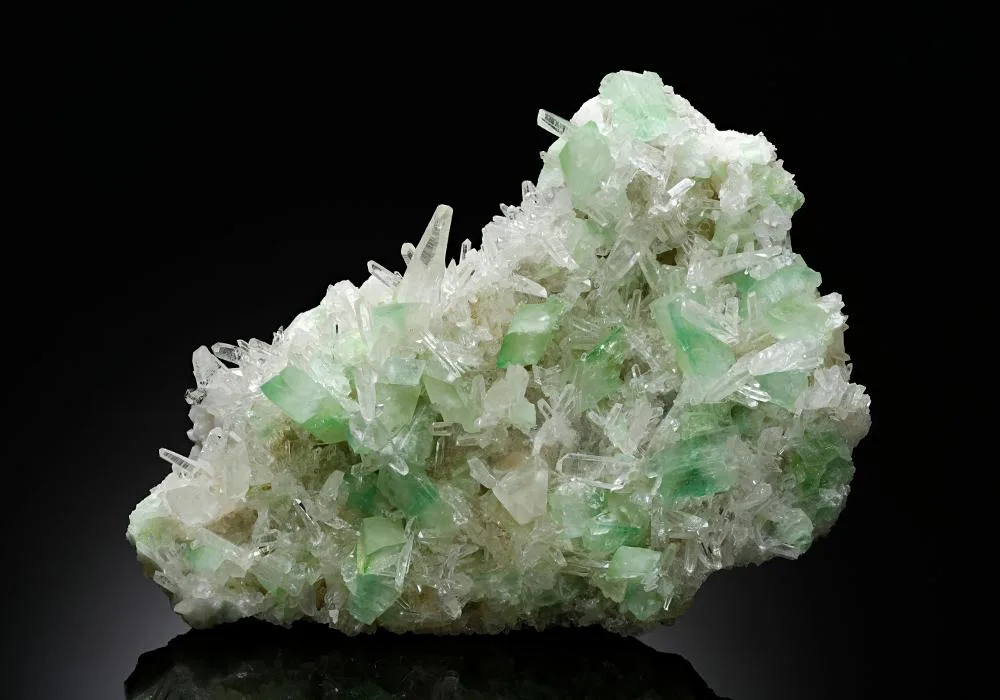
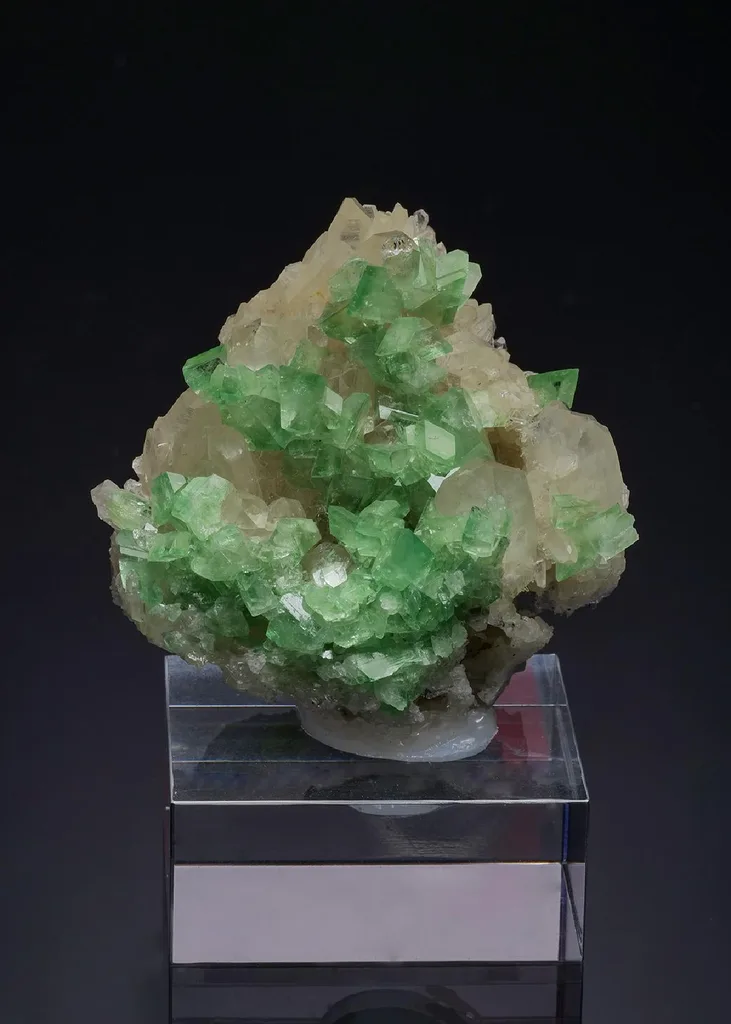
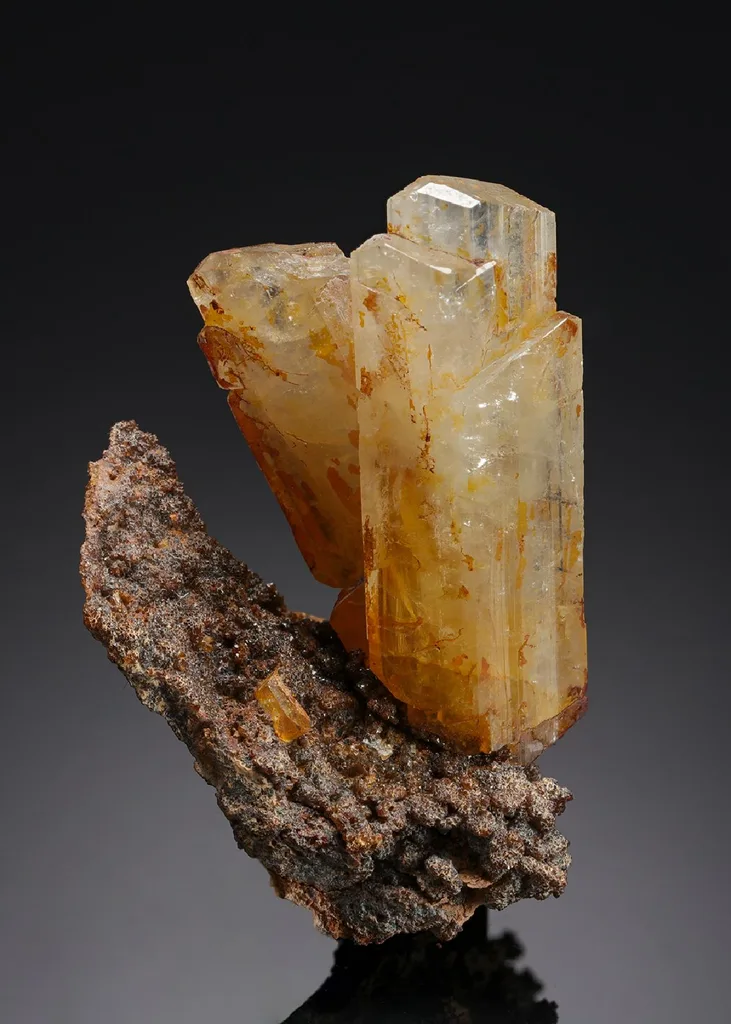
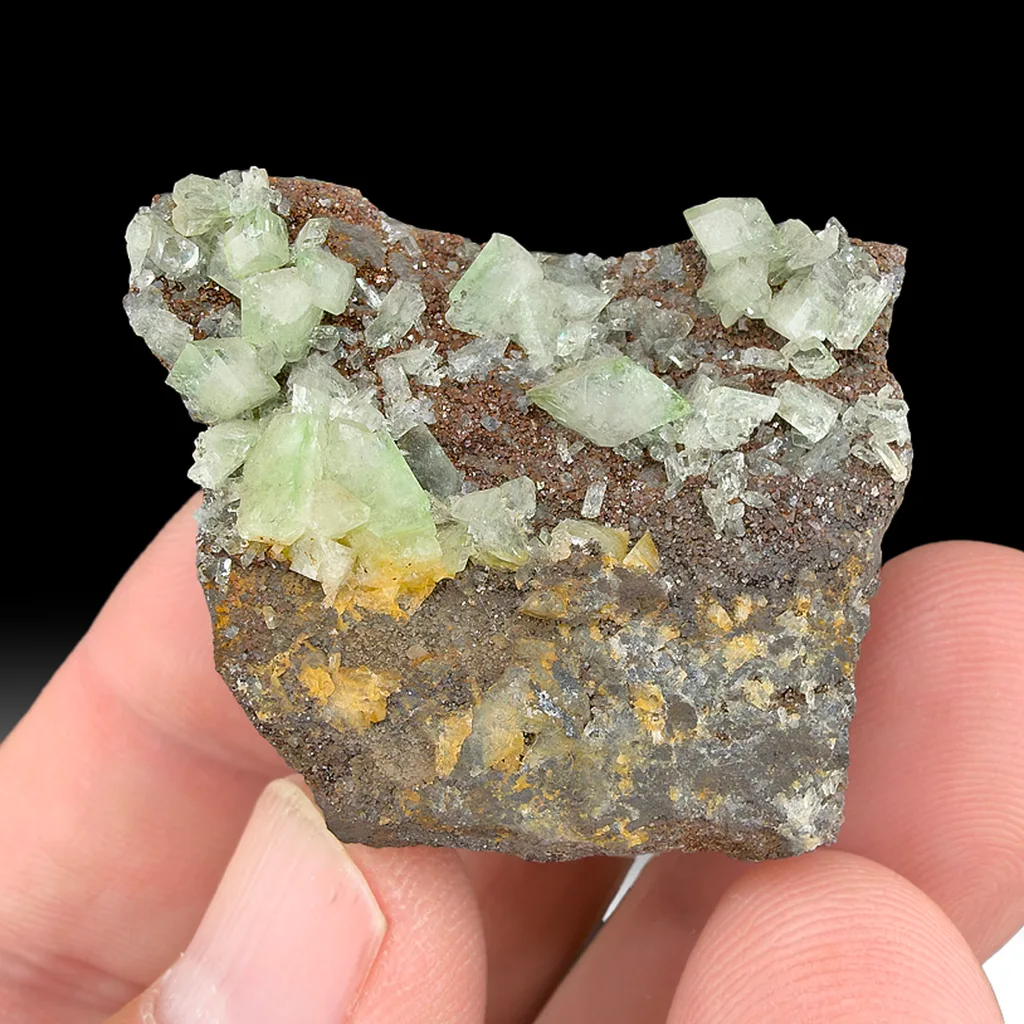
Augelite is a phosphate mineral that forms in hydrothermal environments and oxidized zones of aluminum-rich rocks. It typically occurs as colorless to white, prismatic or tabular crystals, often with a vitreous to subadamantine luster. Habit ranges from slender prisms to streaks and masses, and its transparent to translucent appearance makes it a delicate but intriguing specimen for display. notable specimens originate from Peru, Bolivia, Canada, and the United States, where hydrothermal activity has produced well-formed crystals and small aggregates that attract collectors who appreciate mineral purity and crystal geometry.
Collectors value augelite for its crisp crystal forms and locality associations within aluminum phosphate systems. While not as abundant as more common phosphates, well-crystallized augelite from classic districts is prized for its clarity and precision of termination. Specimens are often presented as single crystals or small clusters that highlight the mineral's pale optics and clean cleavage, making them a thoughtful addition to a cabinet of minerals focused on phosphate minerals and hydrothermal histories.