
Guide
57 for sale · $30–$4,500 USD
280 in the gallery
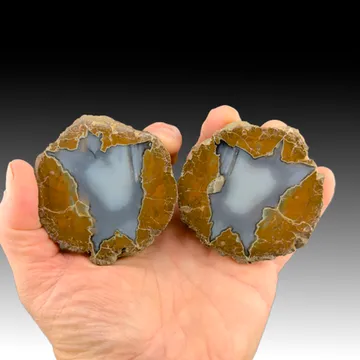
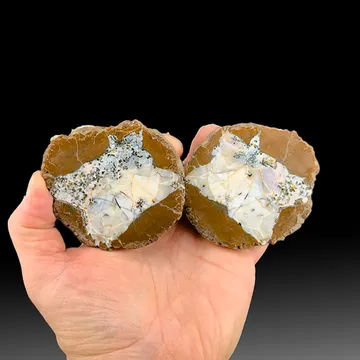
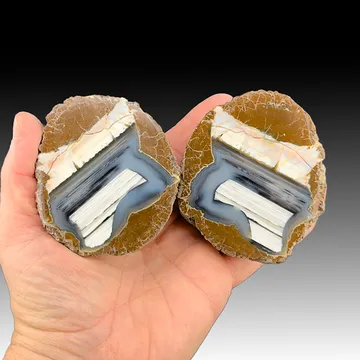
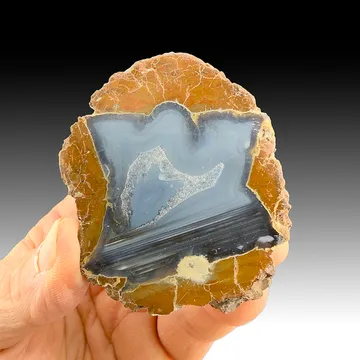
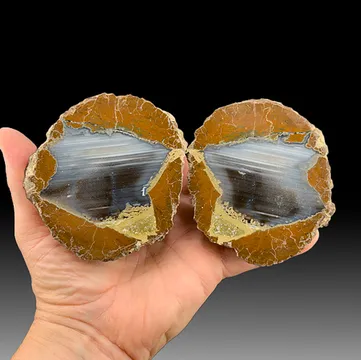
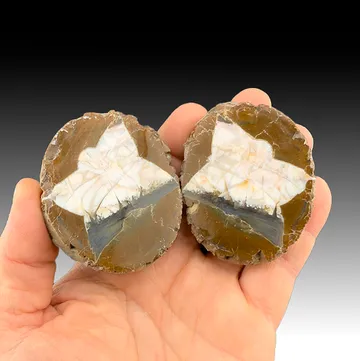
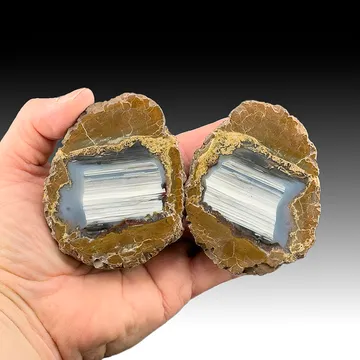
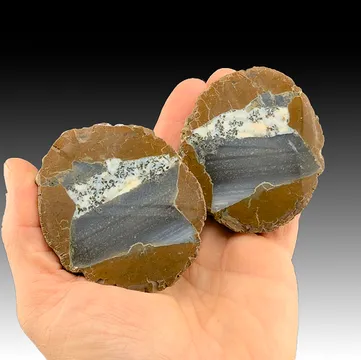
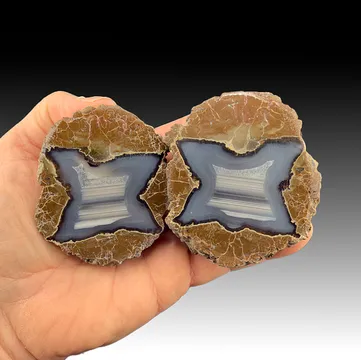
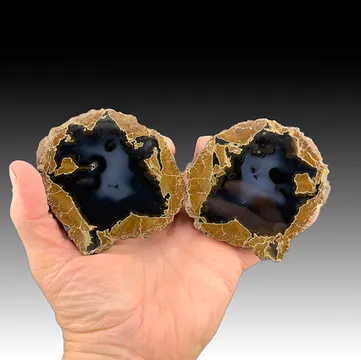
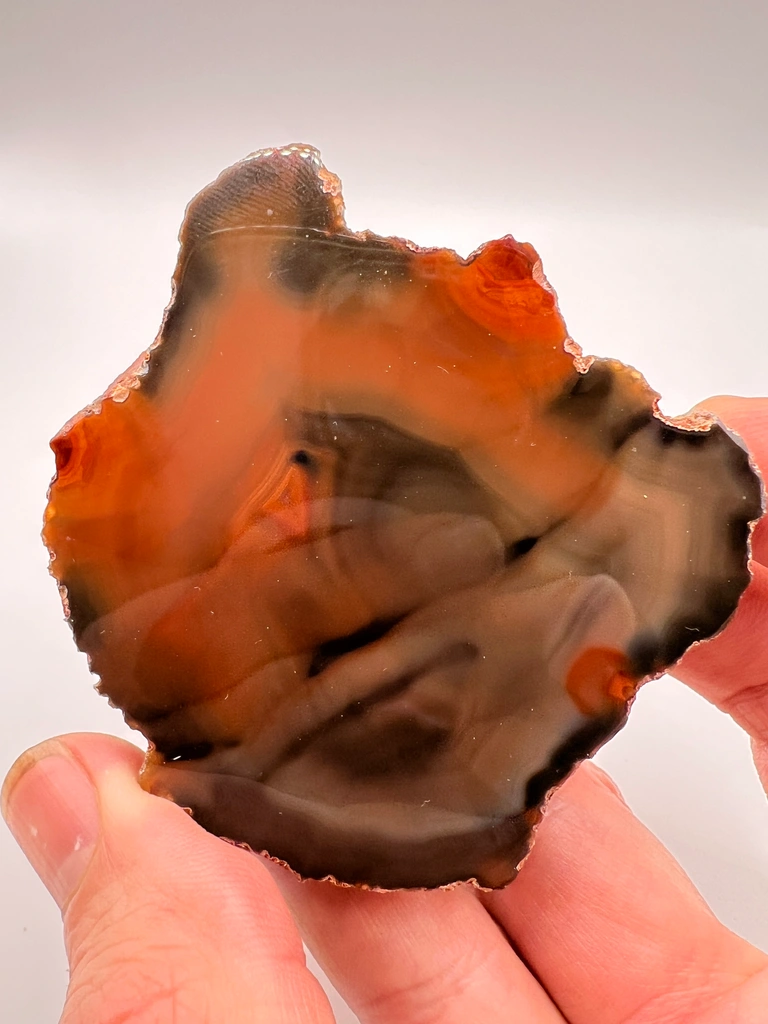
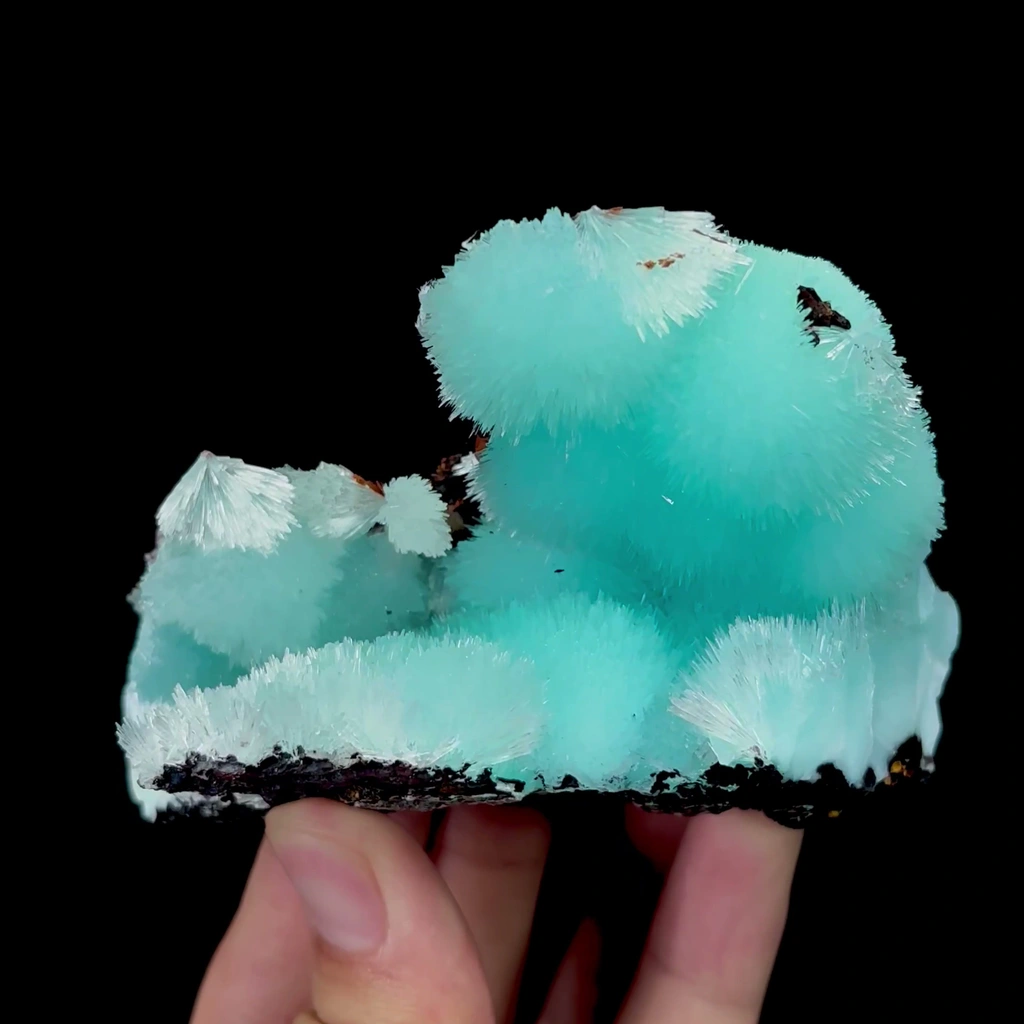
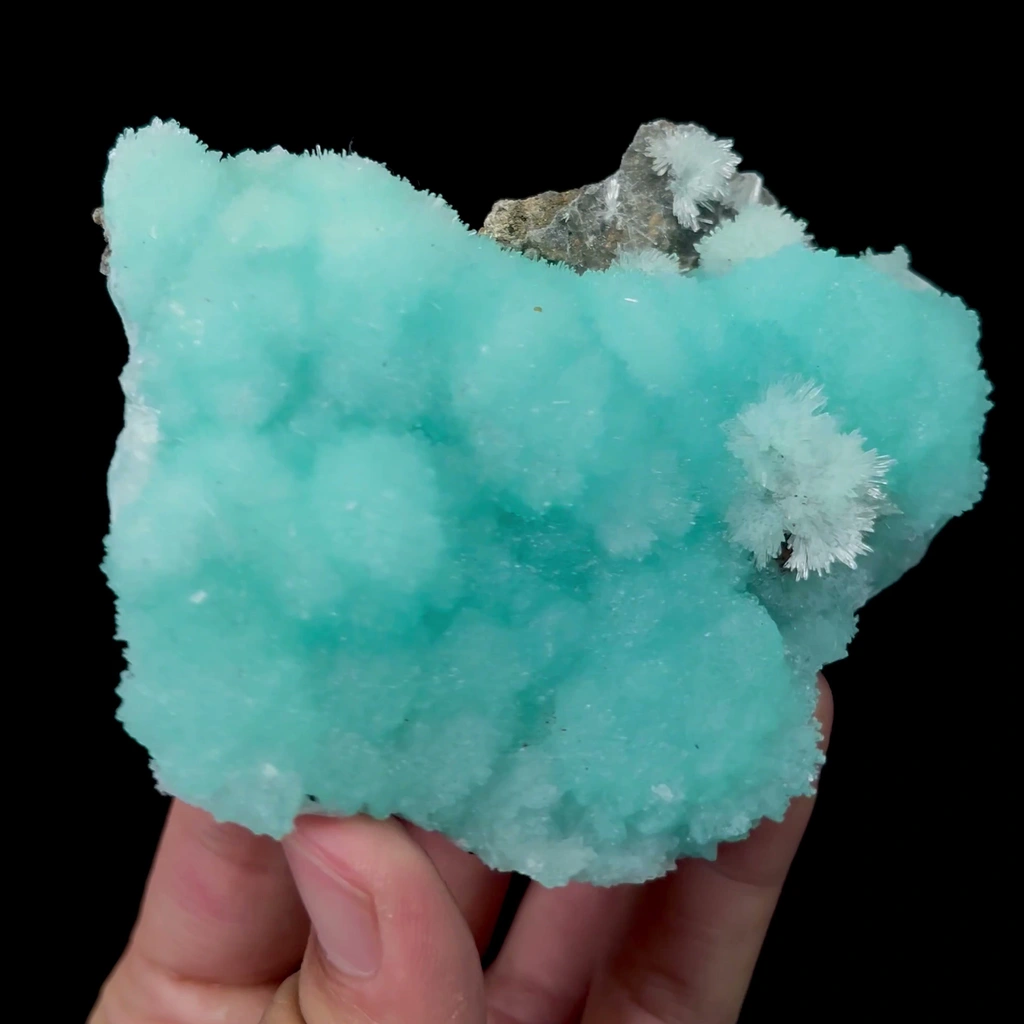
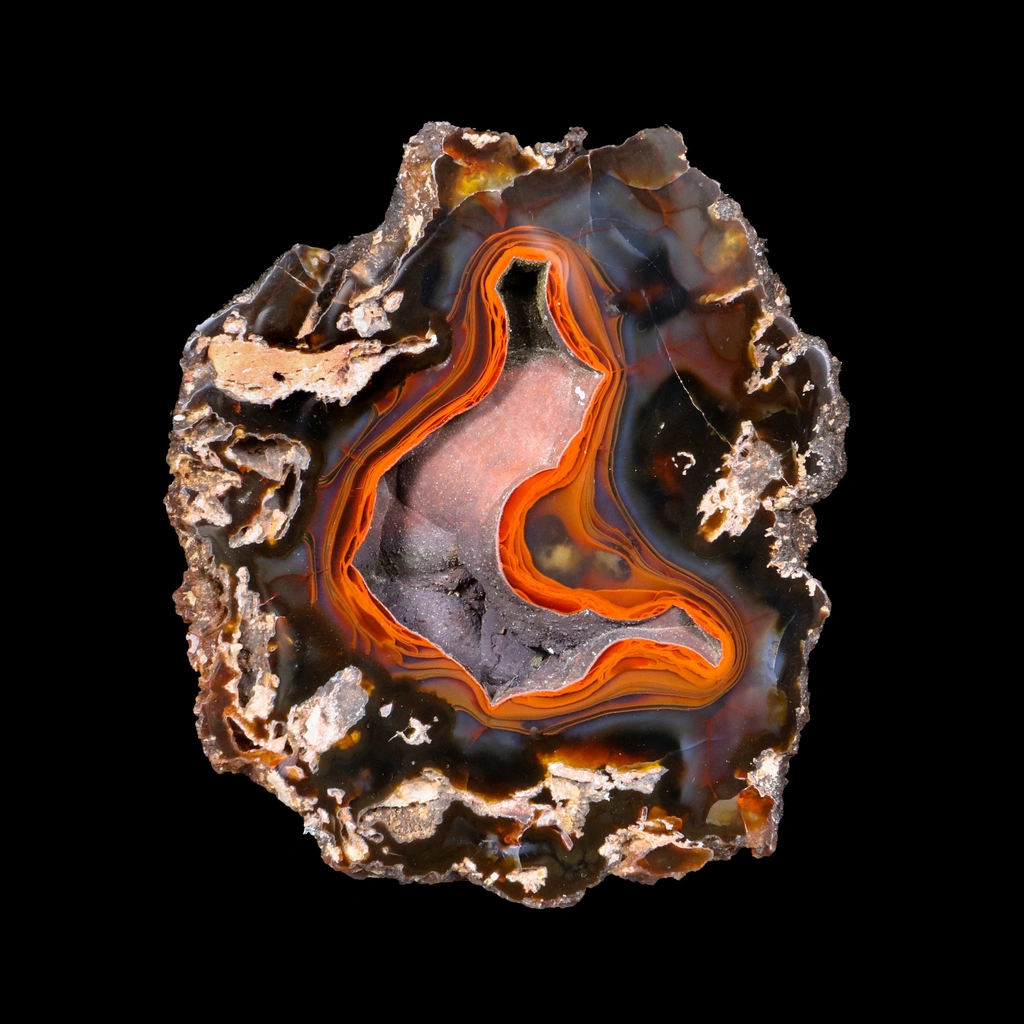
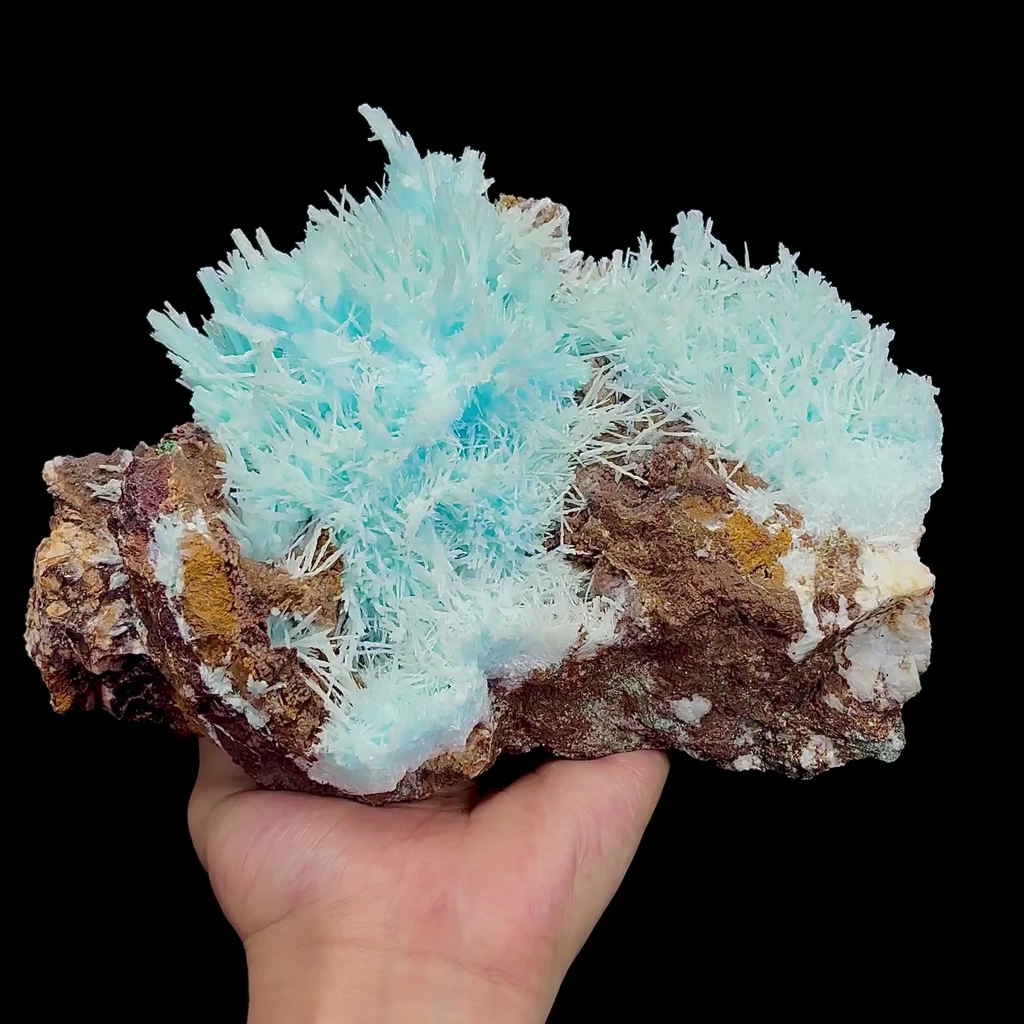
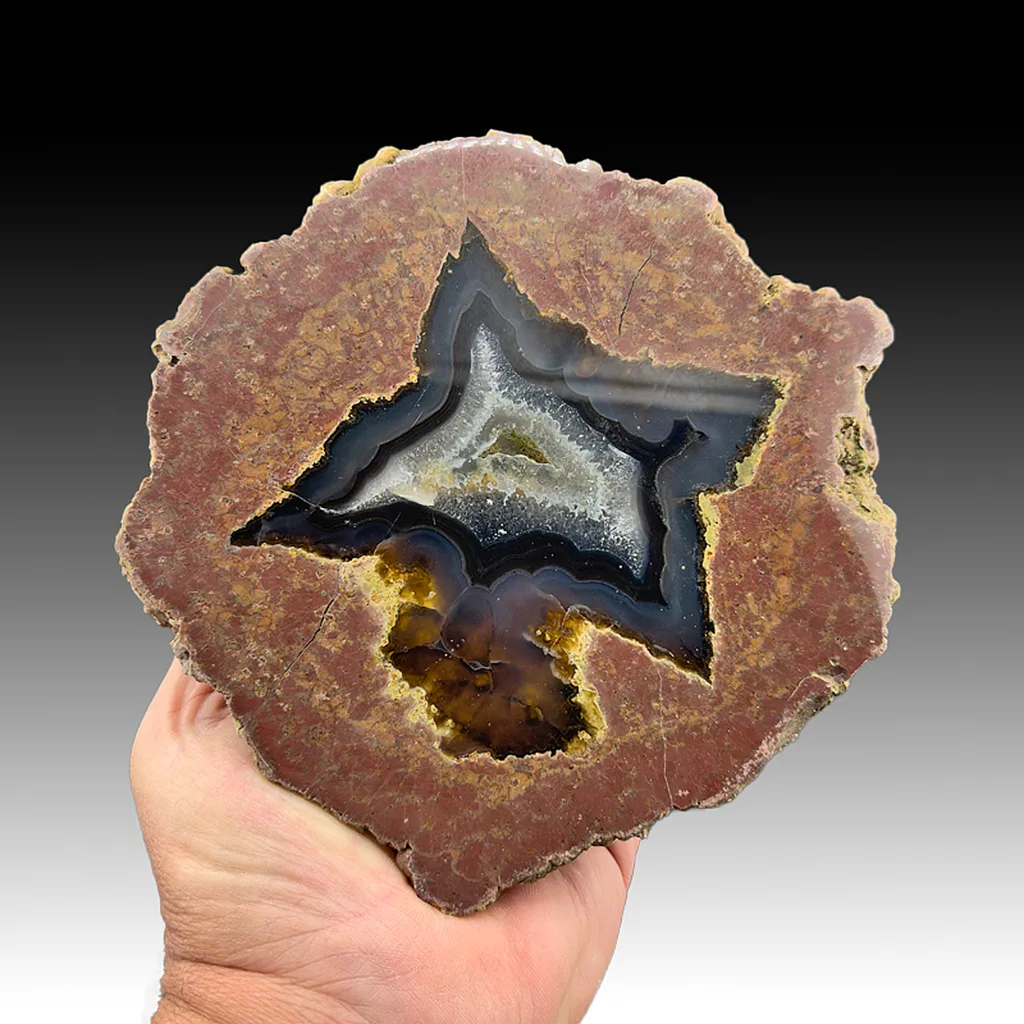
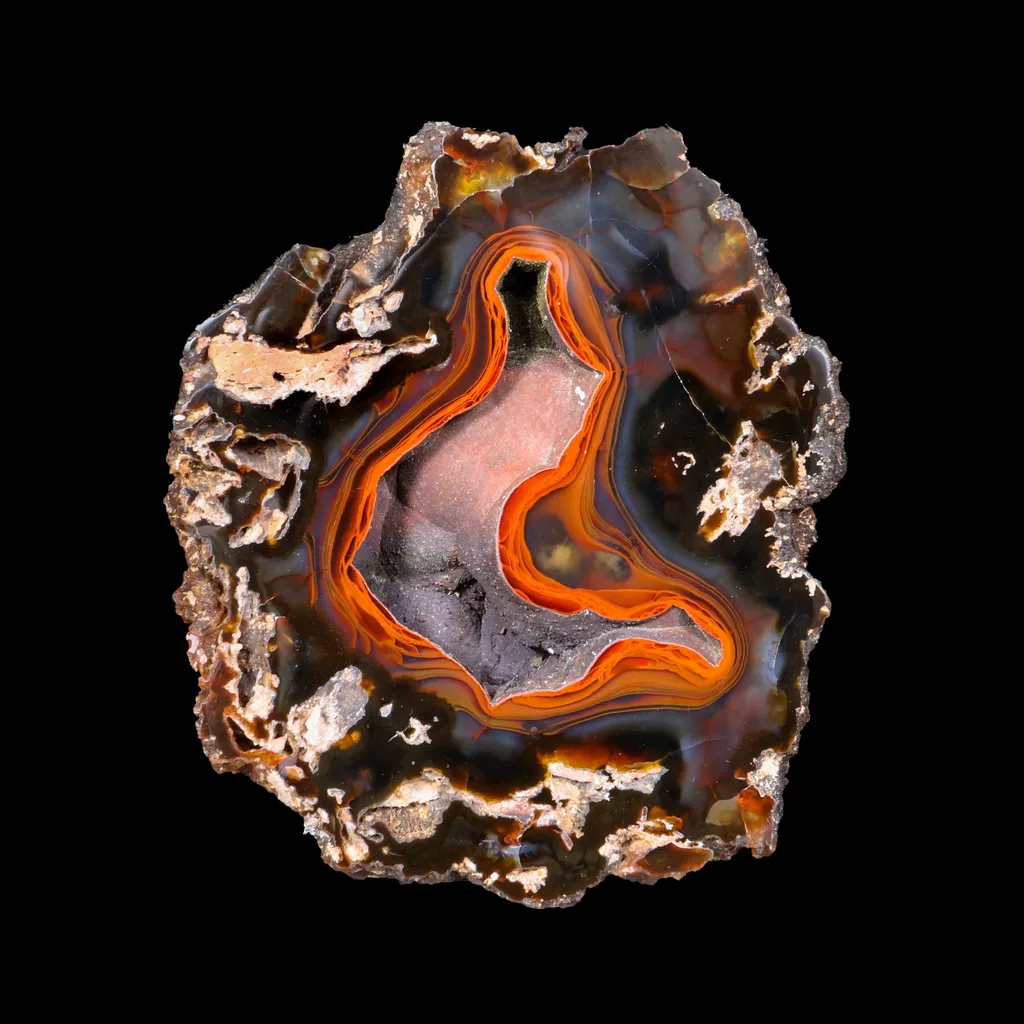
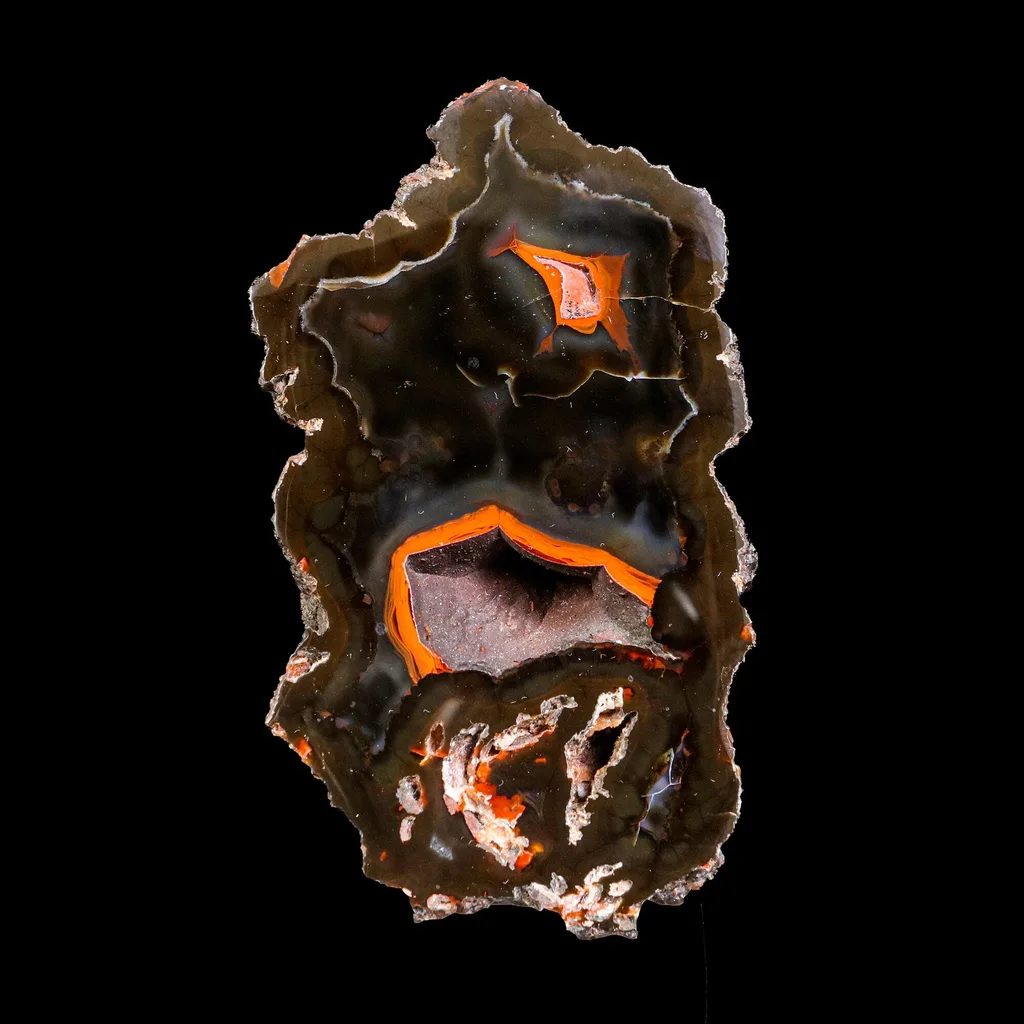
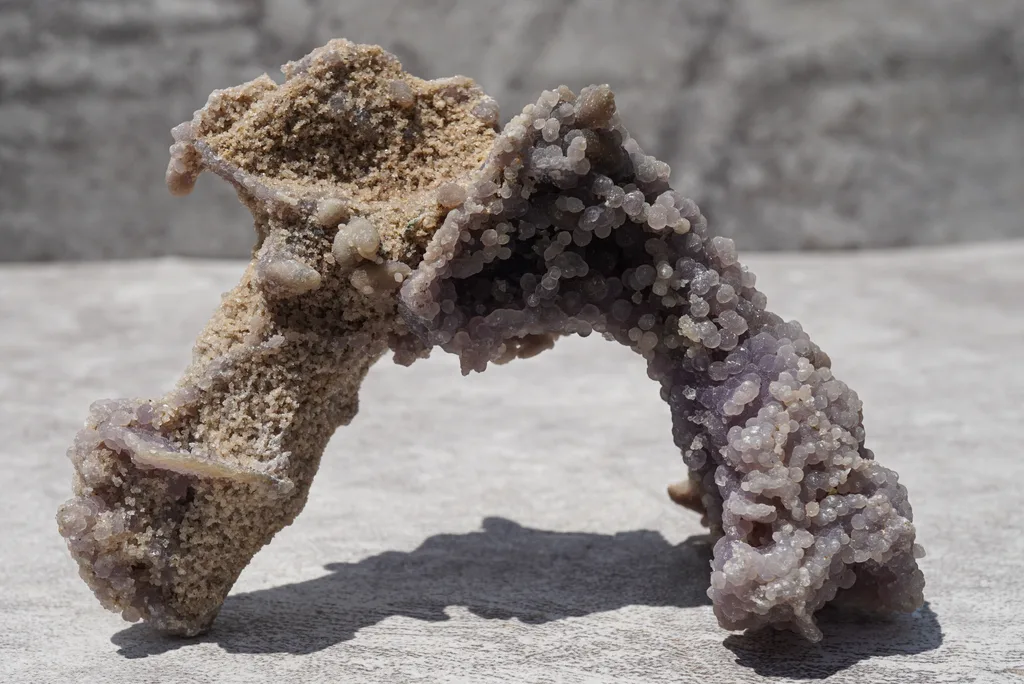
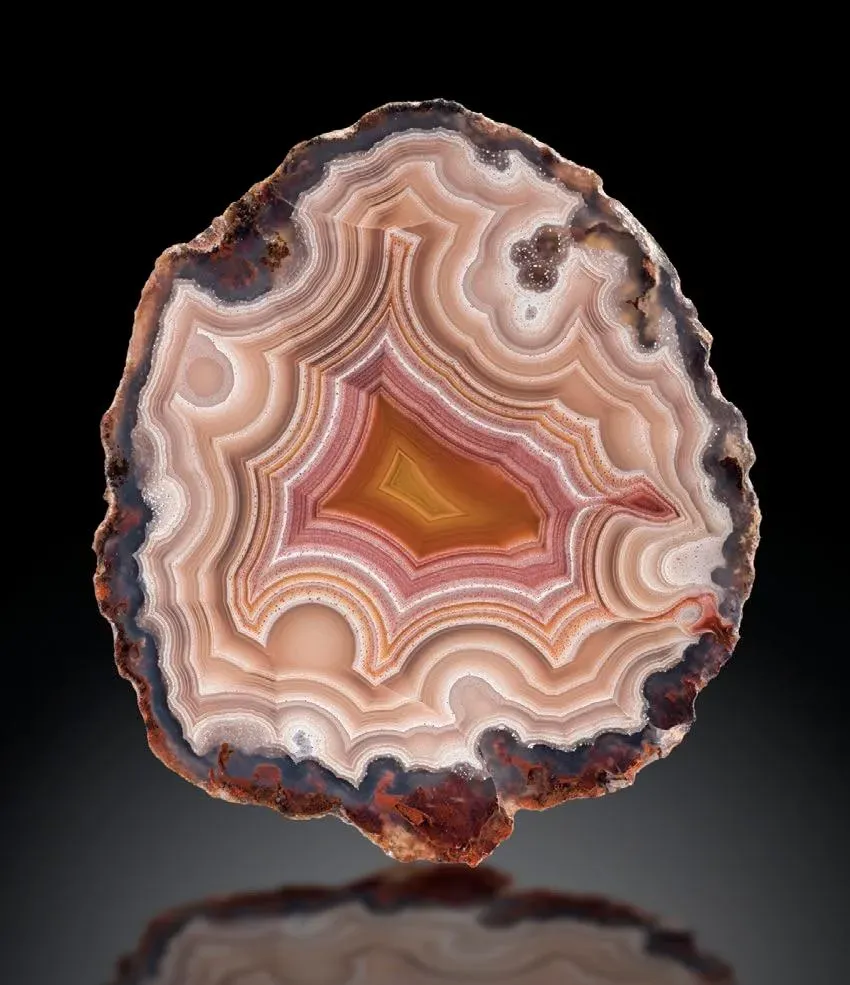
Agate is a variety of microcrystalline quartz that forms in nodules within volcanic rocks. It typically shows a waxy to vitreous luster and a smooth, banded appearance with pale to vivid color transitions. The bands arise from successive mineral inclusions and varying silica deposition, producing concentric or eye-patterned surfaces that are highly collectible. Many well-known specimens come from the USA, Brazil, and Mexico, where fortuitous silicification in cavities yields durable, short-wubbled chalcedony textures and a wide color range. Collectors seek agatized fills, geode-like interiors, and the intricate banding that can reveal a landscape of colors within a single stone.
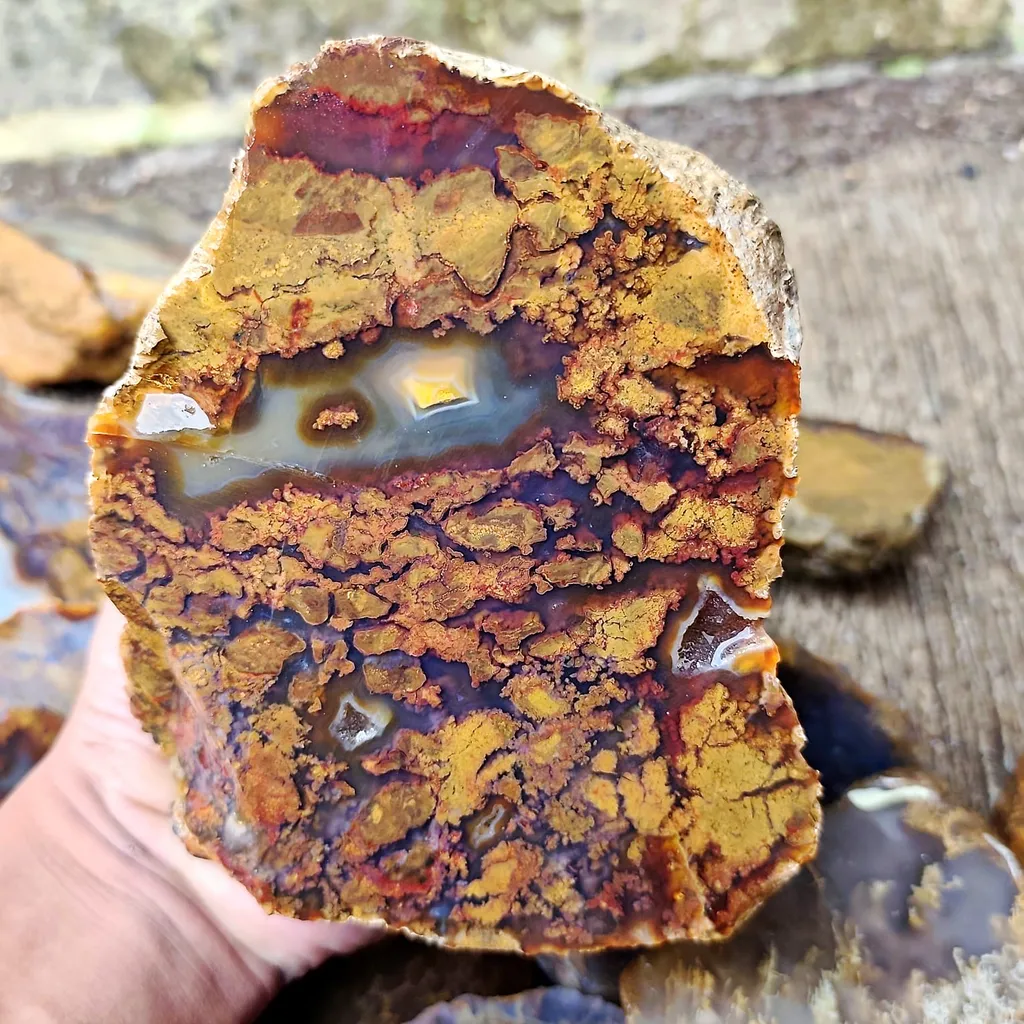
Agate is valued for its aesthetic versatility, including pocket-sized slices and larger nodules that reveal concentric rings and mossy or fortification patterns. Its hardness and durability make it suitable for display as cut slabs, cabochons, or mineral cabinets, while its variable color palette—from whites and creams to reds, blues, and greens—offers broad visual appeal. Notable localities provide distinctive textures, such as fortification bands or lace-like inclusions, which heighten both curiosity and display-worthy quality for collectors.