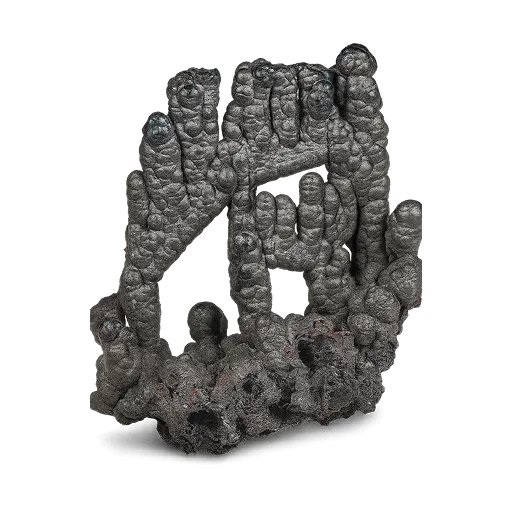
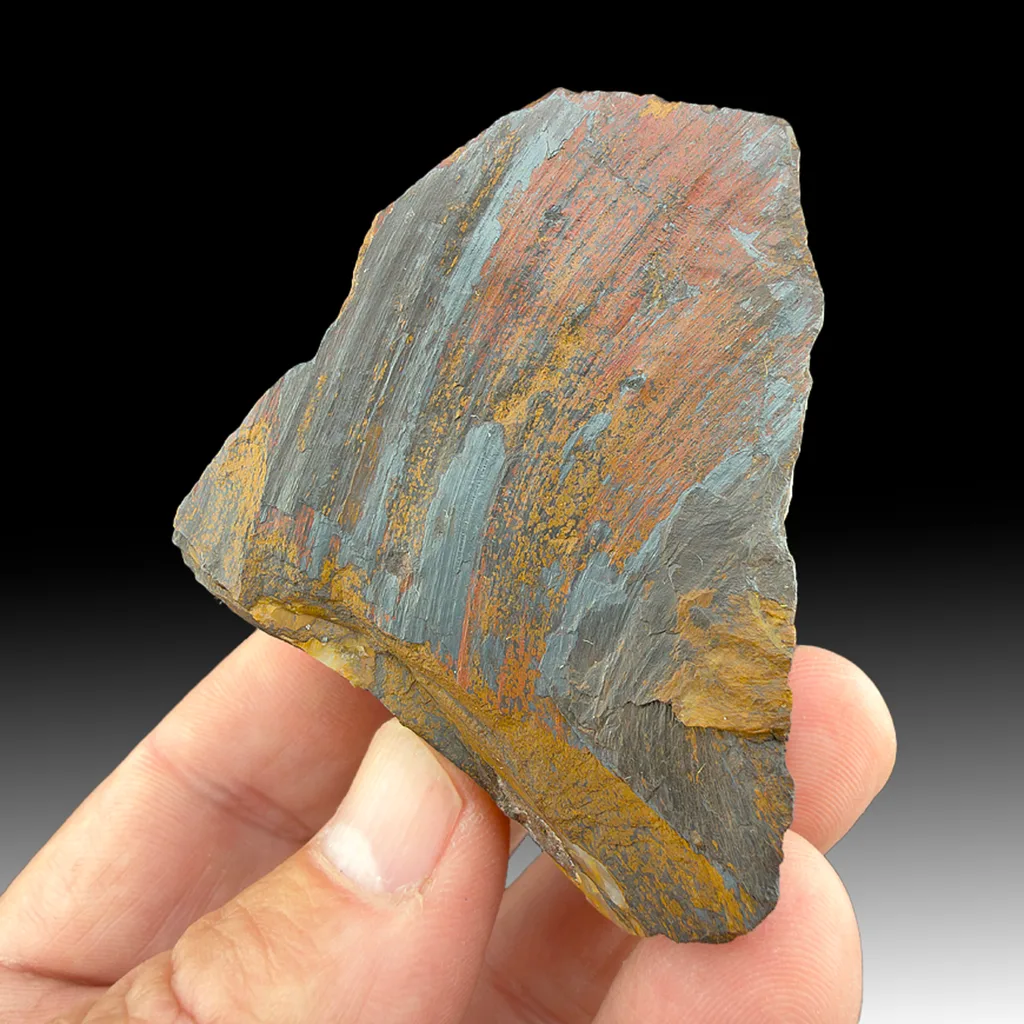
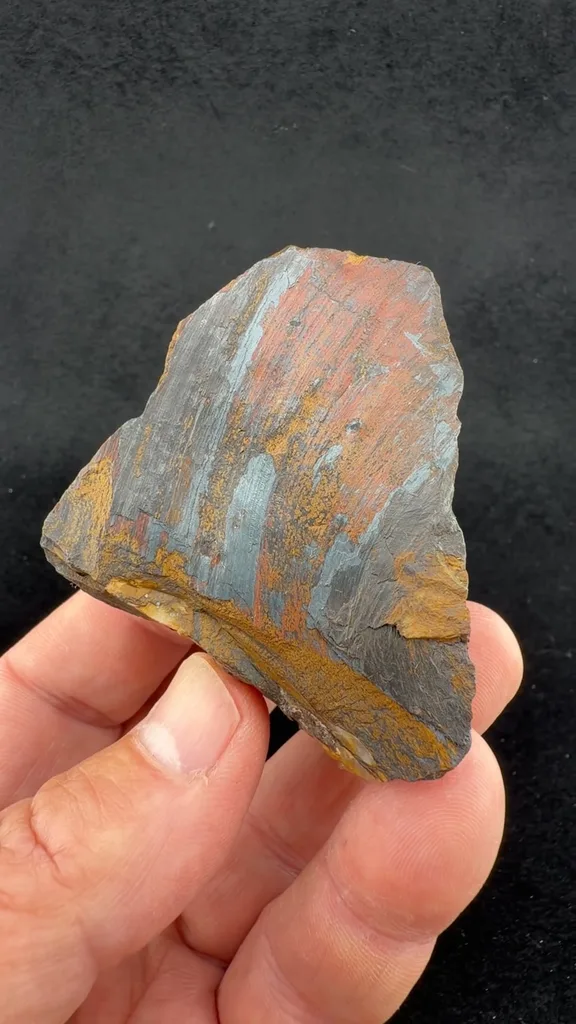
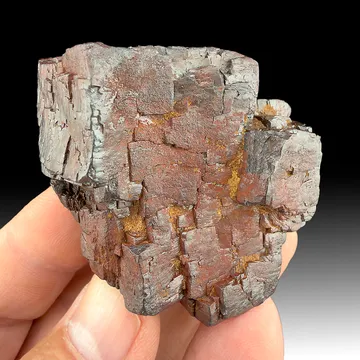
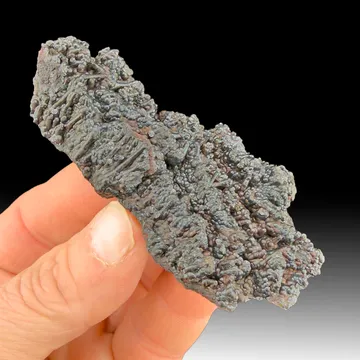
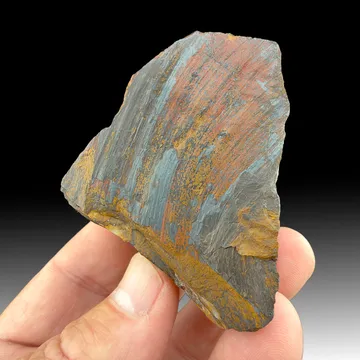
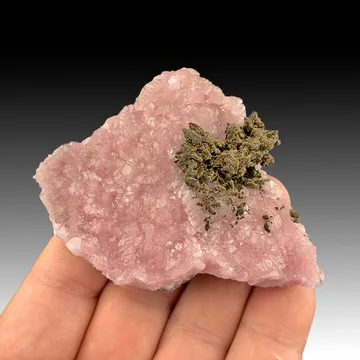
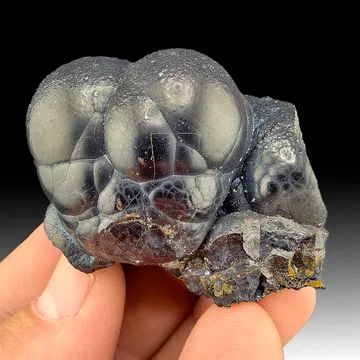
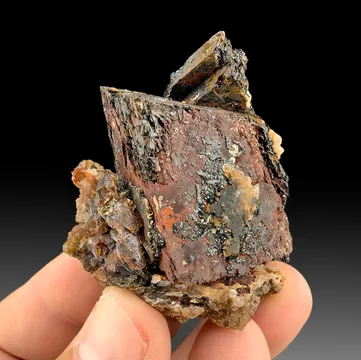
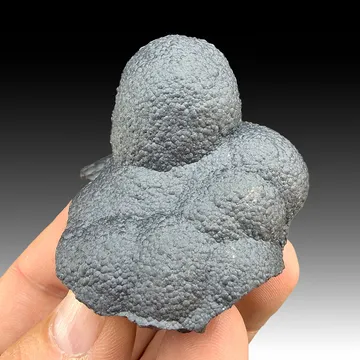
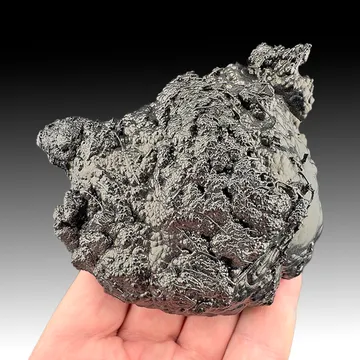
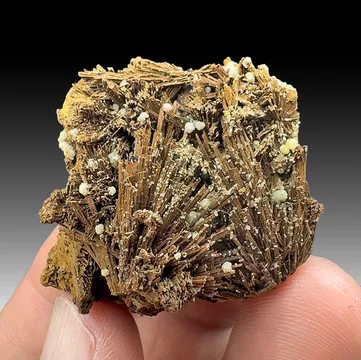
A non-cut and polished examples of what the lapidary people call Binghamite. This is essentially quartz replacing goethite. There is a small pocket on one side of the matrix with micro crystals of groutite. The specimen comes with a previous label from the collection of Ray DeMark.Binghamite is a rare and highly prized variety of chatoyant chalcedony found exclusively on the Cuyuna Iron Range near Crosby, Minnesota. Discovered in 1936 by lapidarist William Bingham, the stone formed within iron-ore and manganese deposits, developing striking patterns of red, gold, and brown. Its fibrous inclusions of goethite and hematite create a shimmering chatoyancy similar to tiger eye or pietersite, making high-grade material exceptionally sought after by collectors and lapidaries.
Comments