






Dundasite specimens for sale
7 for sale · $175–$3,500 USD
9 in the gallery
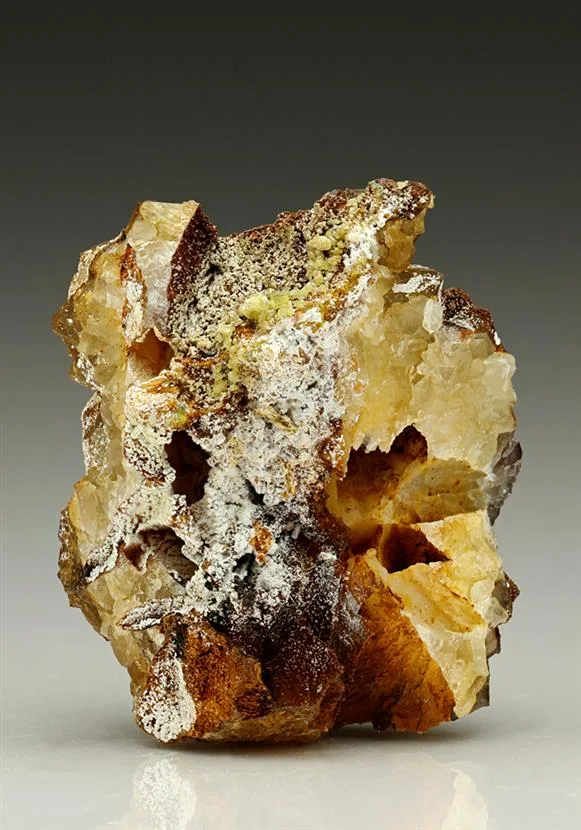
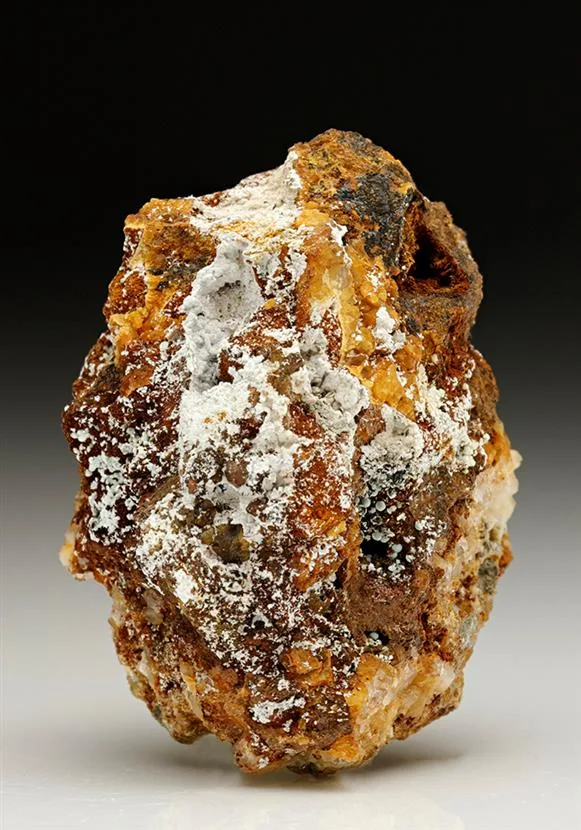
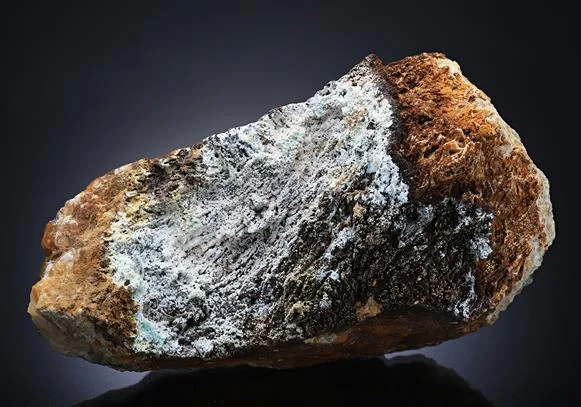
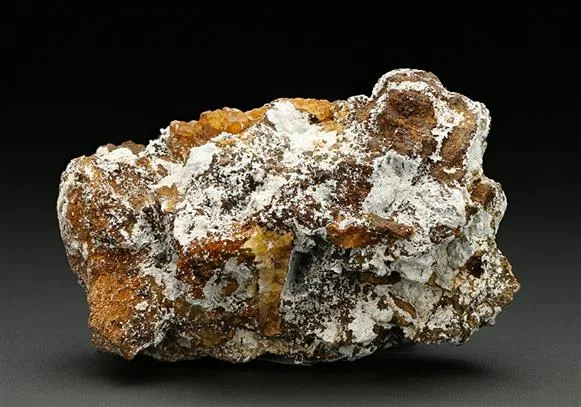
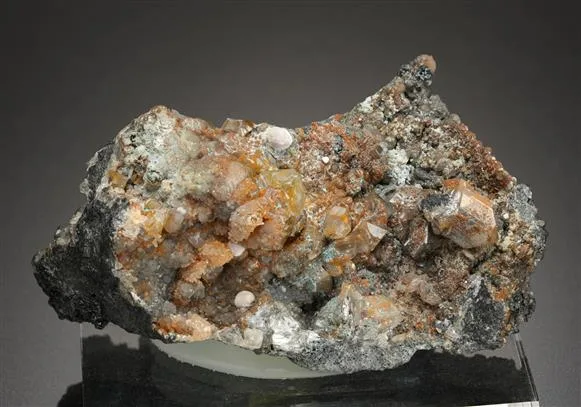
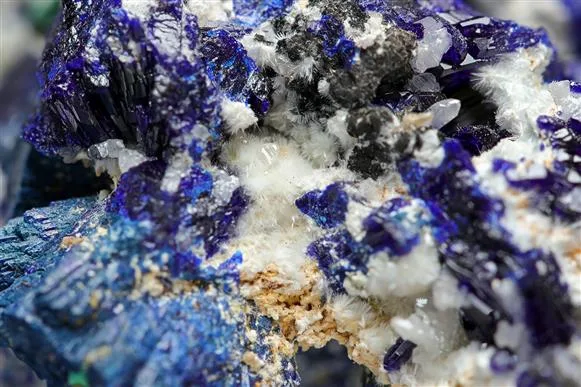
Dundasite is a lead aluminum carbonate hydroxide mineral that forms as soft, often leaf-shaped or tabular crystals and crusts. It typically exhibits a pale green to colorless coloration and a vitreous to subvitreous luster, with a platy or micaceous habit in some specimens. The mineral is best known from classic Australian localities, though notable specimens have also been reported from Namibia and the United Kingdom, reflecting its preference for specific hydrothermal or secondary settings where carbonate-rich fluids interact with lead-bearing rocks.
- Formula
- PbAl2(CO3)2(OH)4 · H2O
- Rarity
- Rare
- Stability
- Moderately Stable
- Collector interest
- Moderate Interest
- Classification notes
- Carbonate mineral; lead-aluminum carbonate hydroxide, Strunz category 5.BA (IMA carbonate minerals)
Key characteristics
- Crystal system
- orthorhombic
- Mohs hardness
- 2
- Specific gravity
- 3.25–3.55
- Luster
- silky, pearly, dull
- Transparency
- translucent, opaque
- Color
- white, gray, green, blue
- Streak
- white
- Cleavage
- none
- Fracture
- uneven
- Crystal habit
- acicular, fibrous, radiating, botryoidal, massive
Buy Dundasite specimens
View all 7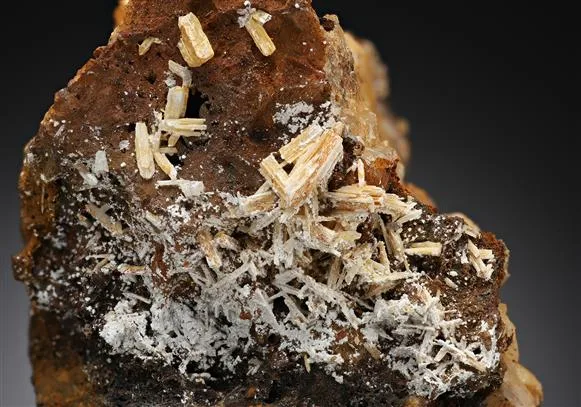
Where Dundasite is found
Top localities
- Adelaide Mine3 specimens
About Dundasite
Collectors prize dundasite for its delicate crystal forms and the way the mineral can occur as thin, translucent sheets or aggregates that remain relatively bright under reflected light. Localities in Australia yield some of the most traditional and well-documented crystals, often accompanied by related carbonate minerals that enhance the display value of a cabinet piece. While not among the most abundant minerals, dundasite offers a window into hydrothermal alteration processes and the geochemical conditions that stabilize lead- and aluminum-rich carbonate phases, making it a thoughtful subject for mineral cabinets seeking provenance and mineralogic context.