
Guide
50 for sale · $50–$15,000 USD
183 in the gallery
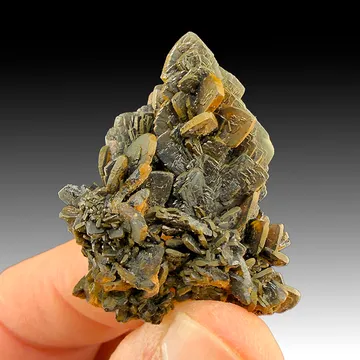
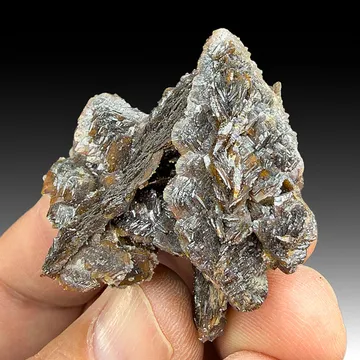
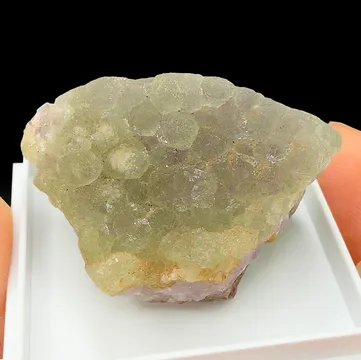
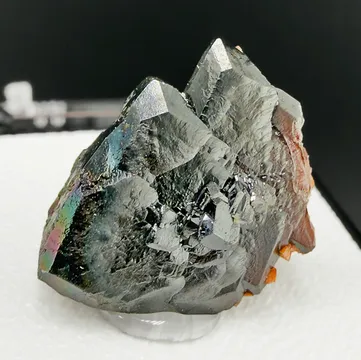
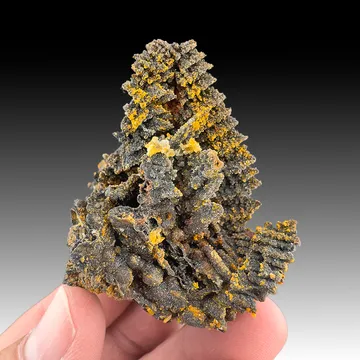
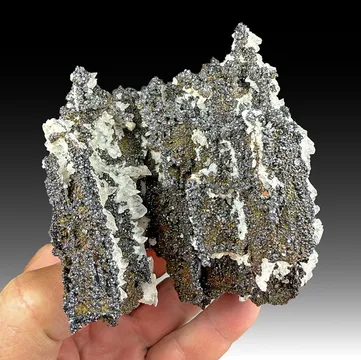
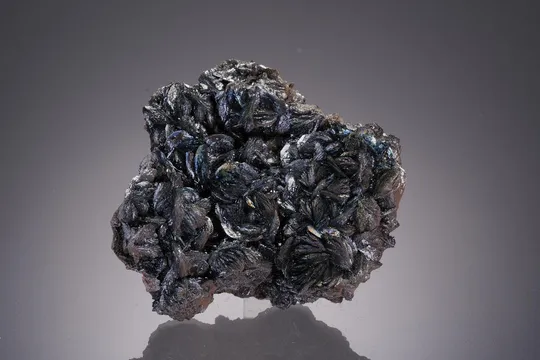
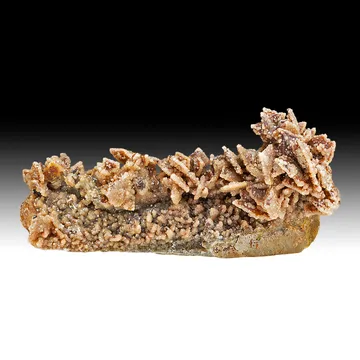
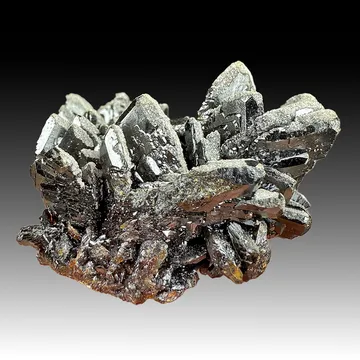
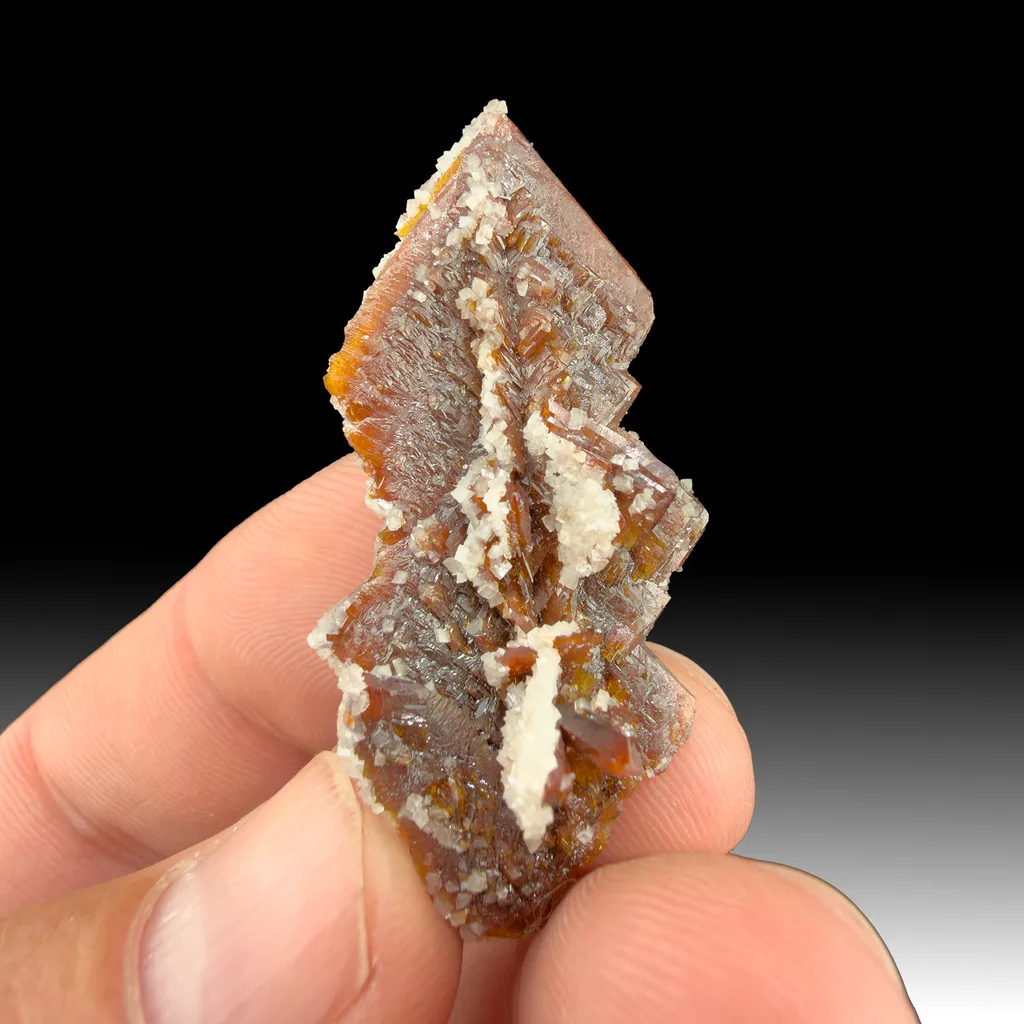
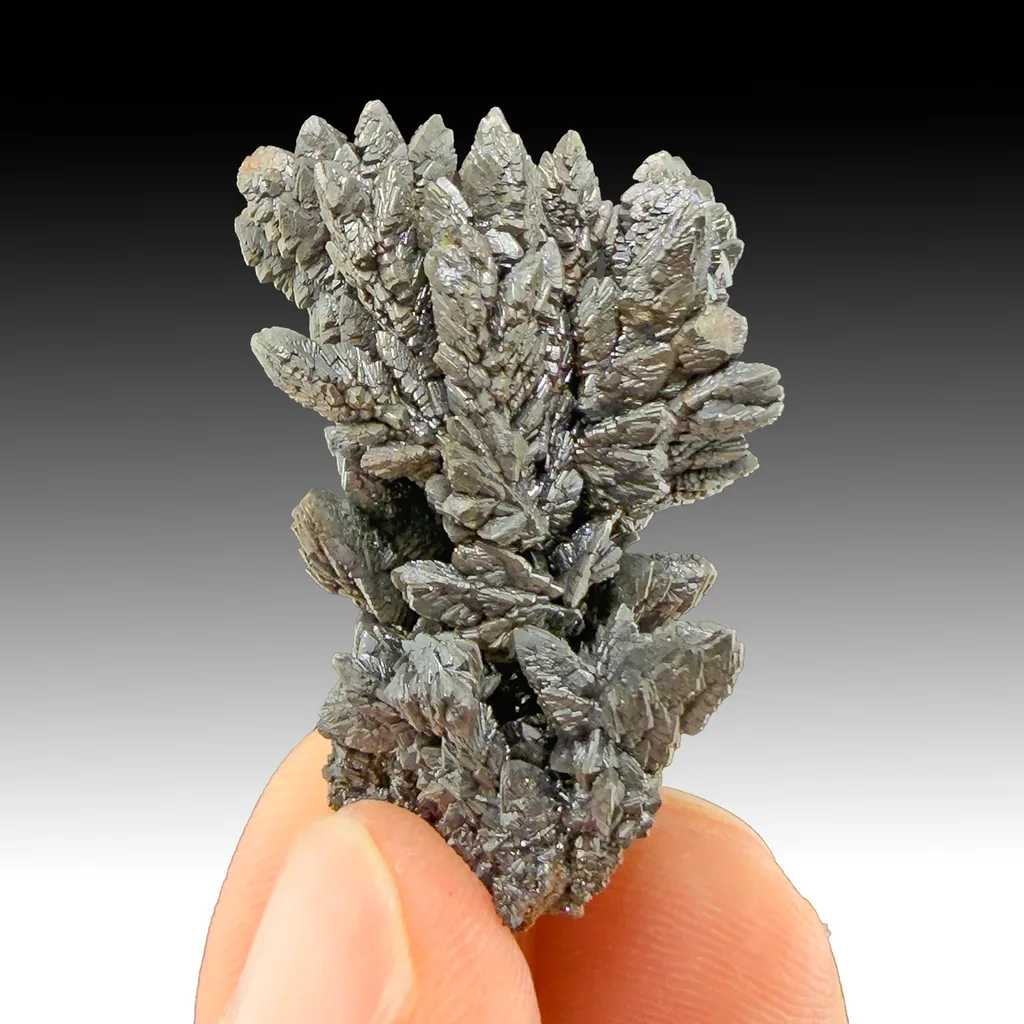
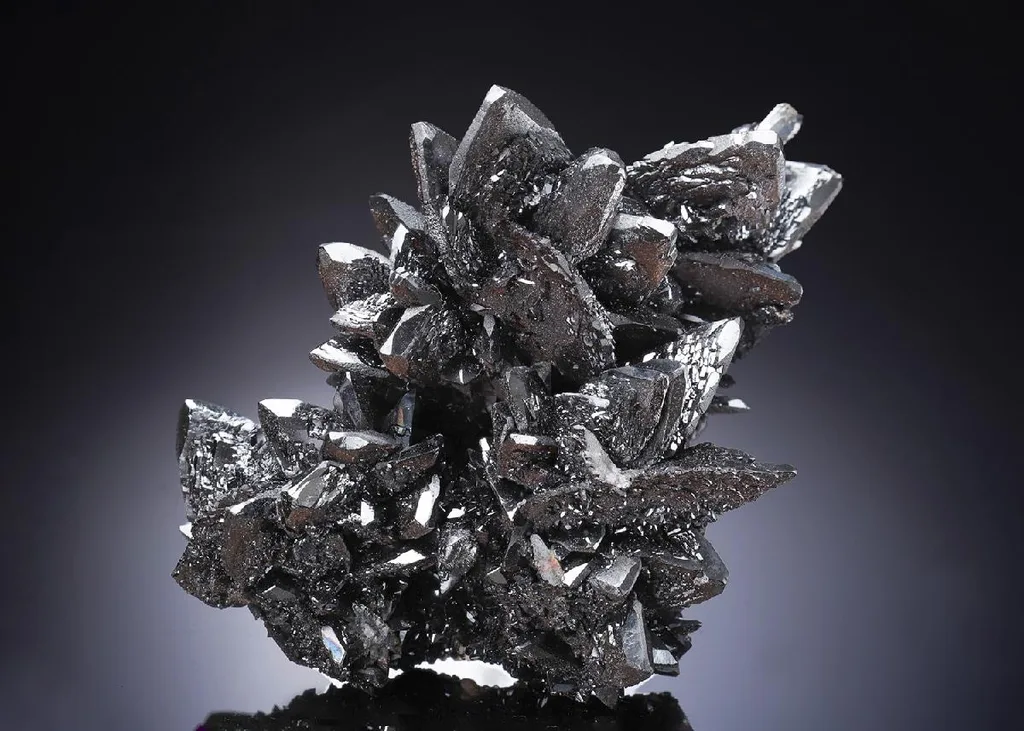
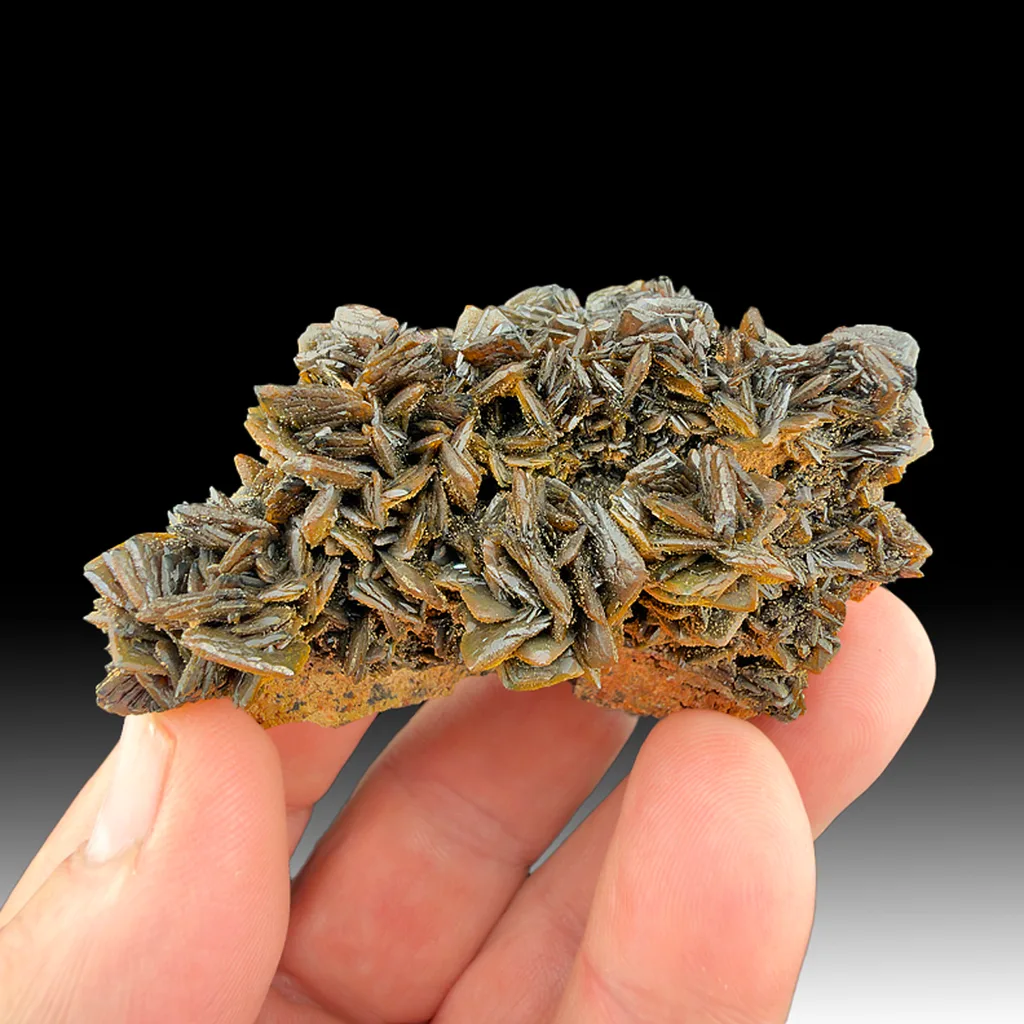
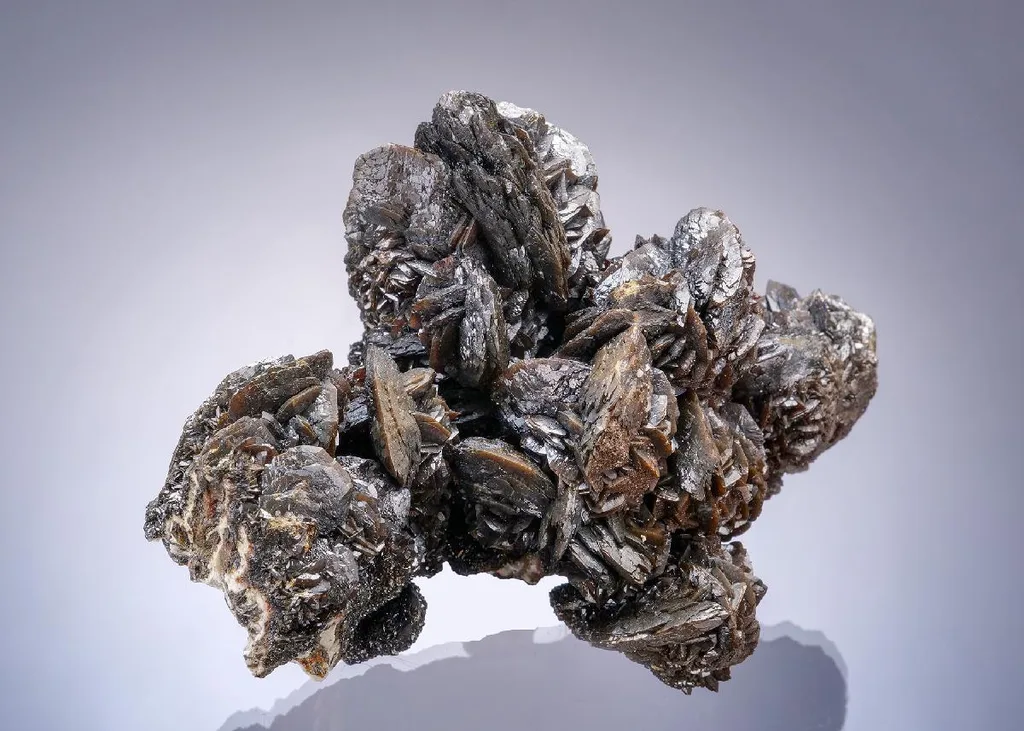
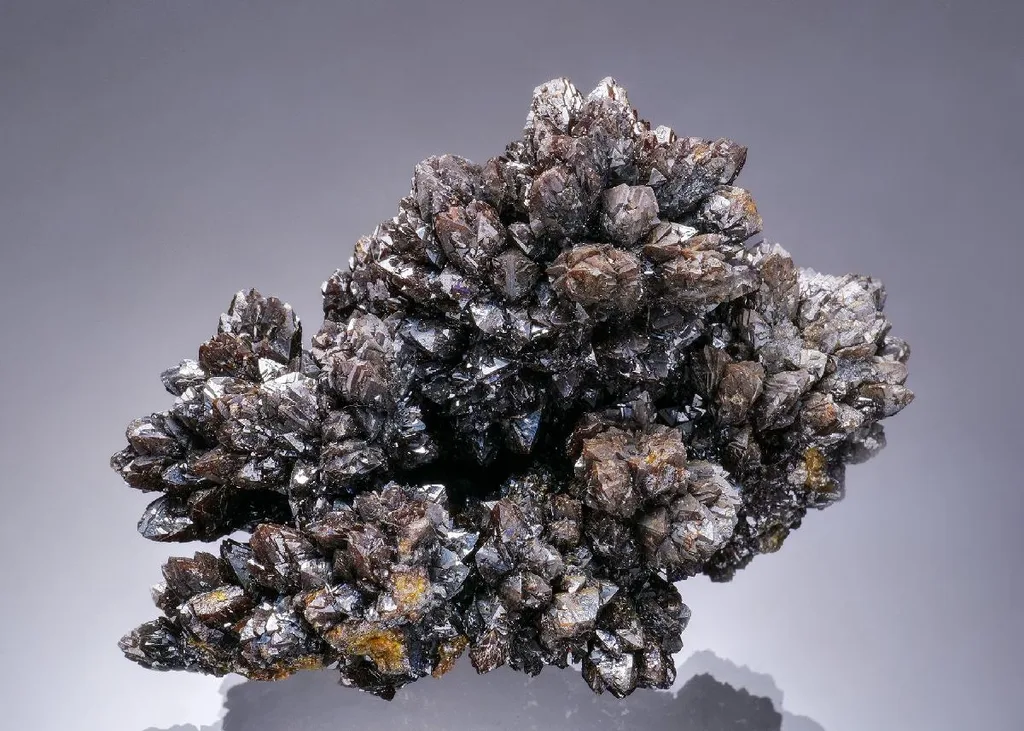
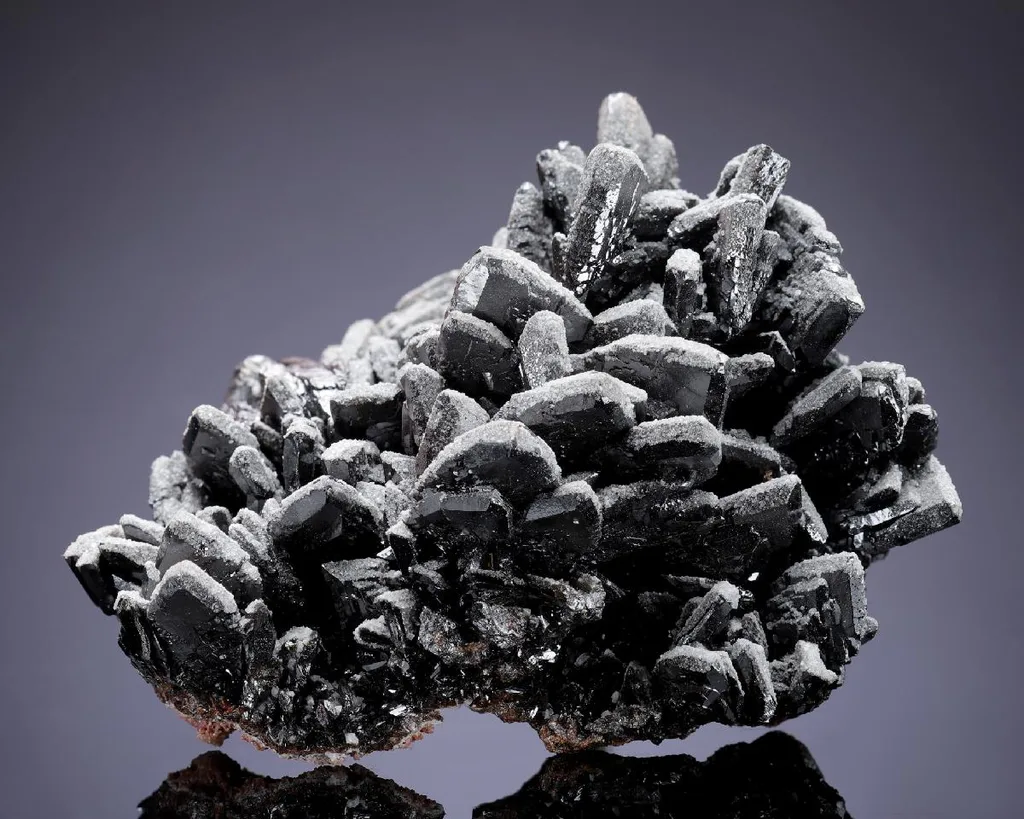
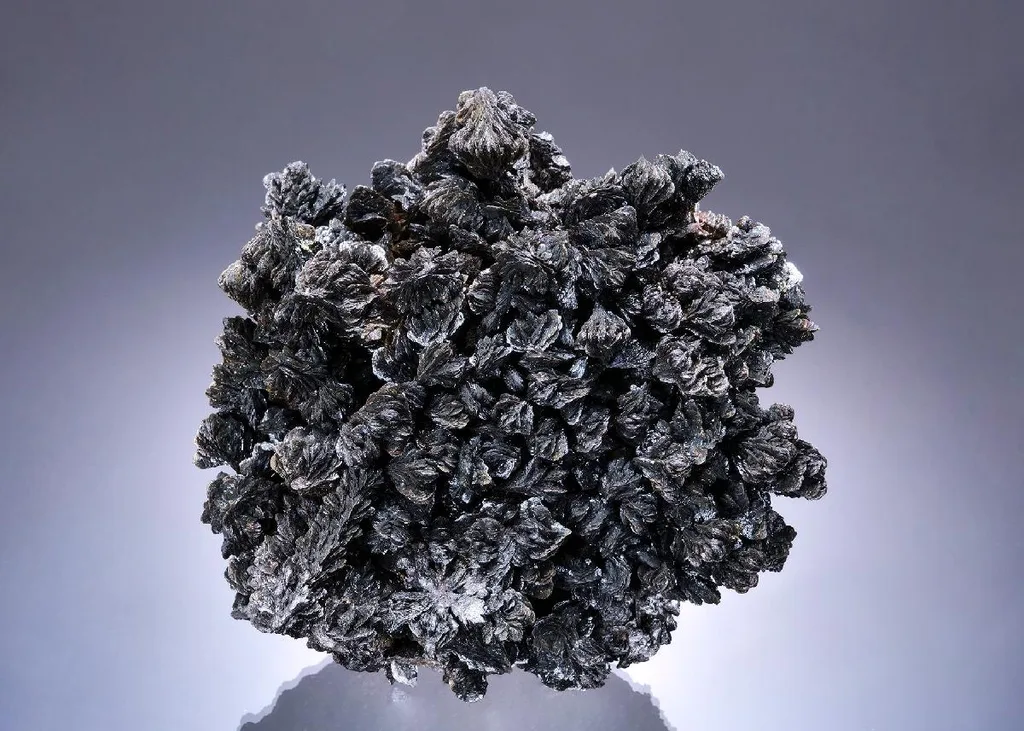
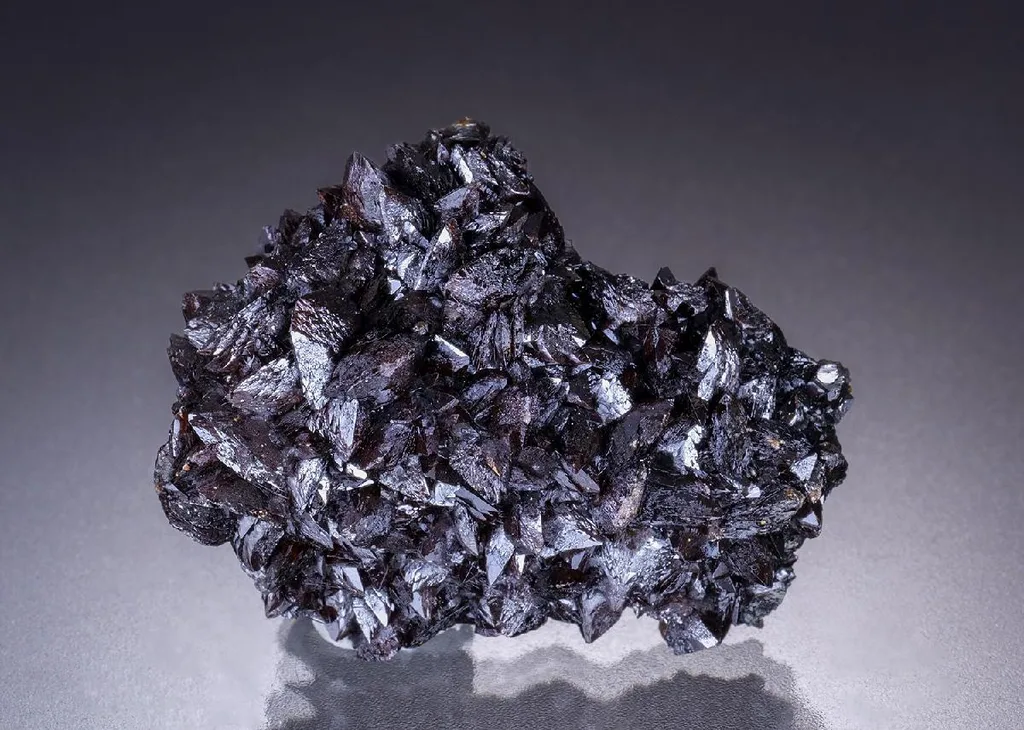
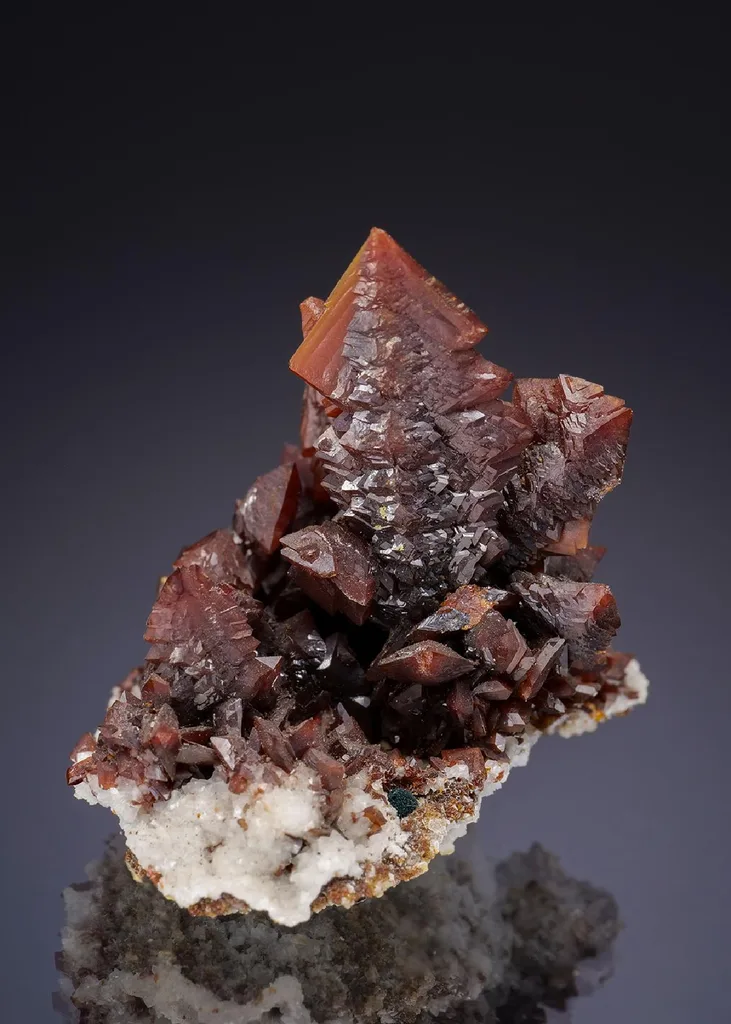
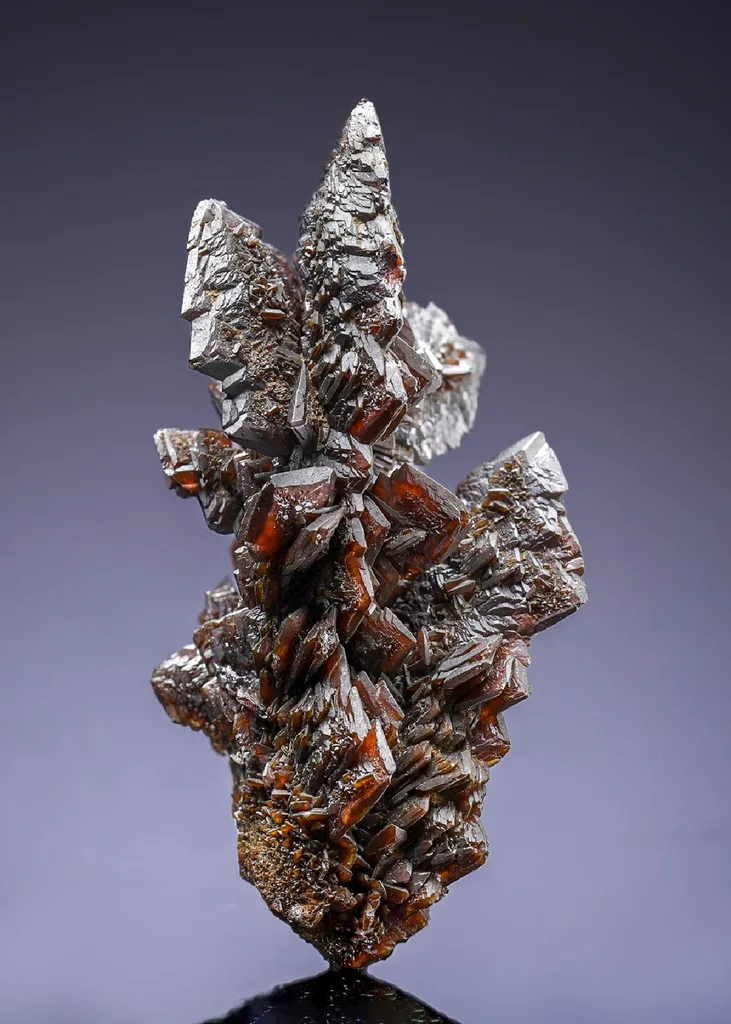
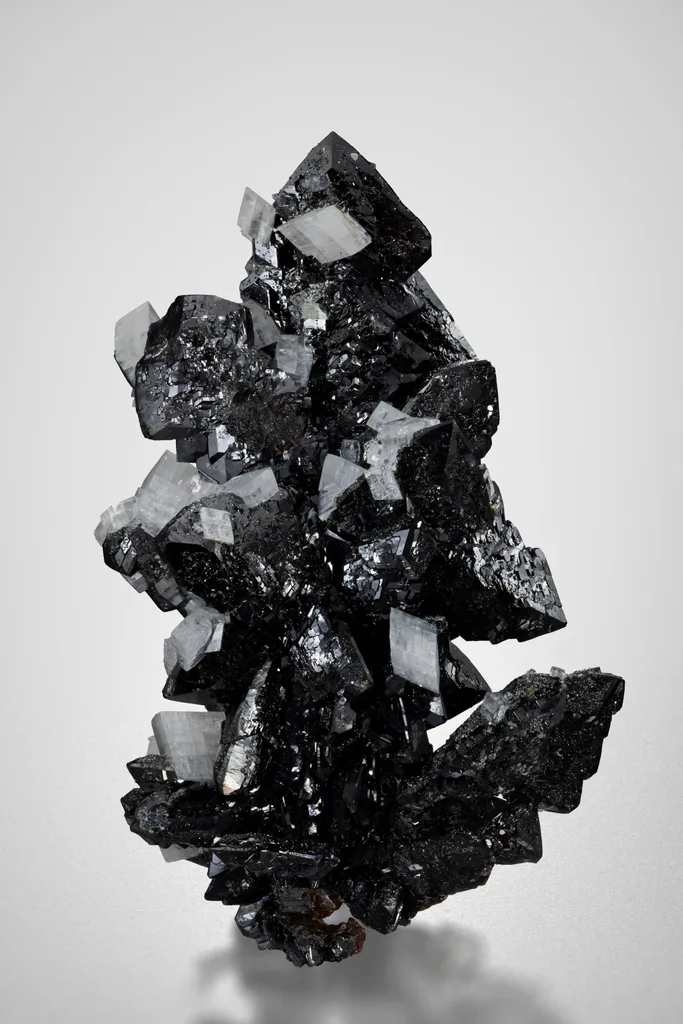
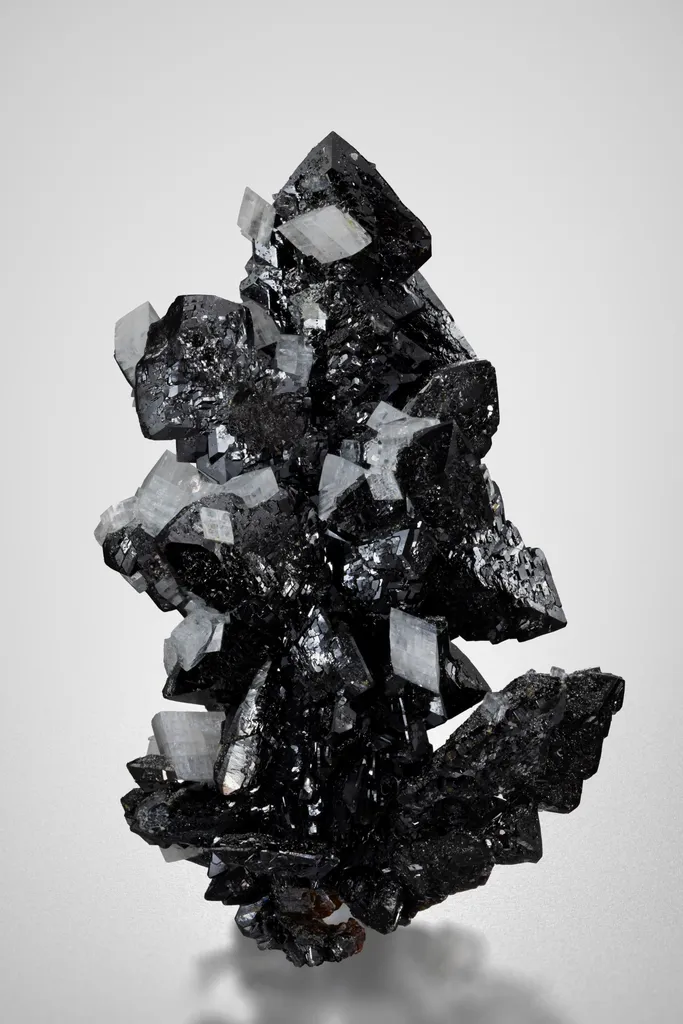
Descloizite is a lead zinc vanadate hydroxide mineral that forms prismatic to tabular crystals, often with a resinous to adamantine lustre. Crystals can exhibit rich colors ranging from olive-yellow to brownish-yellow, and may occur in zoned aggregates or solo prisms set against contrasting matrix. The mineral commonly forms in secondary hydrothermal veins and near oxidized zones, with notable crystalline habits that reward careful cleaning and display.
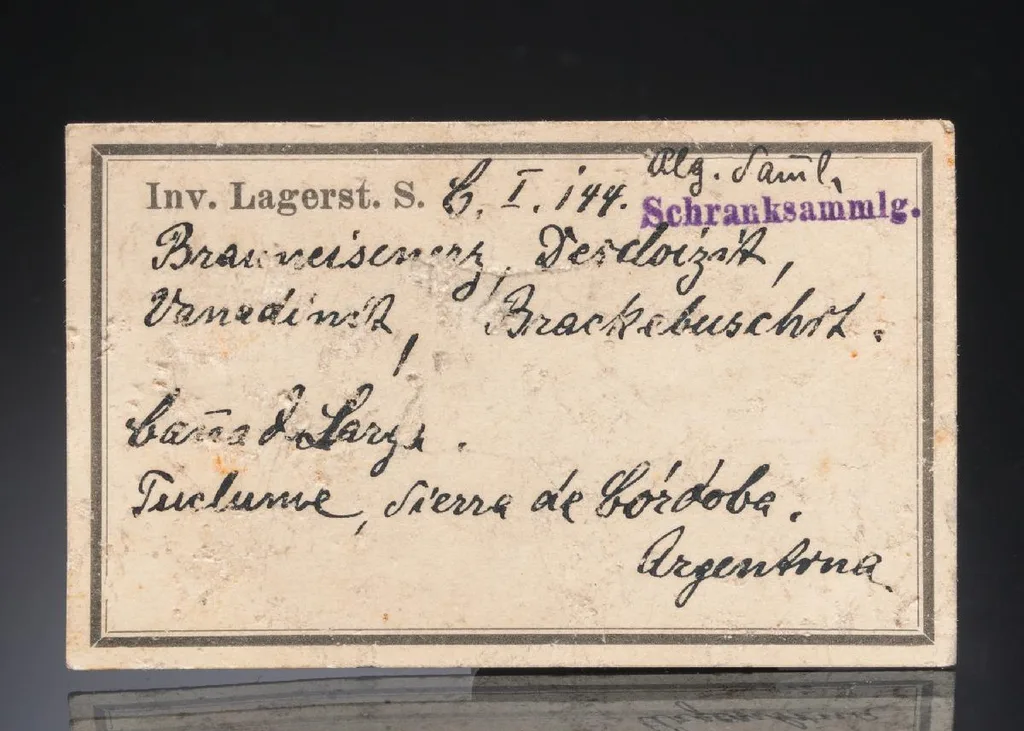
Significant specimens come from Namibia, Portugal, the USA, Mexico and Iran, among other locales. Classic localities include the Zechstein and scattered carbonate veins where Descloizite crystals populate matrix-rich pockets, sometimes displaying attractive parallel growth or twinned forms. High-quality material showcases vibrant color and crisp termination, making aesthetically compelling assemblages for collectors who appreciate horn-like luster and mineral diversity.
Collectors value Descloizite for its combination of color, crystal form, and locality association. The mineral’s varied habit and historically important collecting sites enhance its appeal as a specimen for cabinet displays and reference collections alike, offering a tangible link to hydrothermal processes and ore-oreite environments.