$500Median
14Sold (12 mo)
$350Last sale
32 for sale · $120–$12,500 USD
75 in the gallery
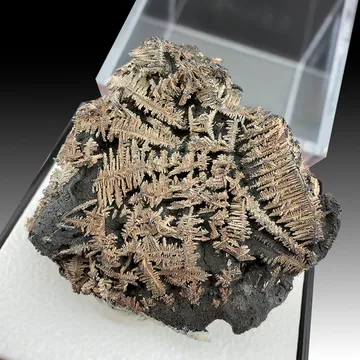
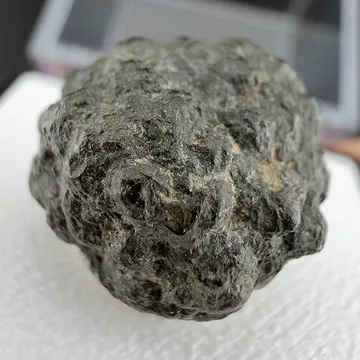
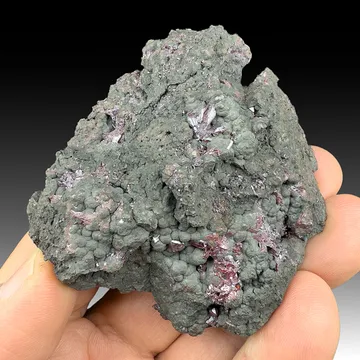
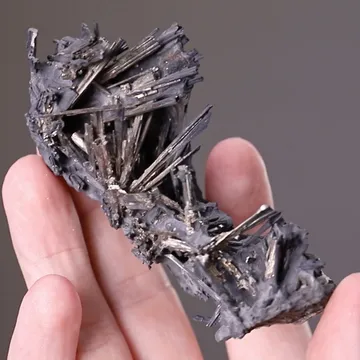
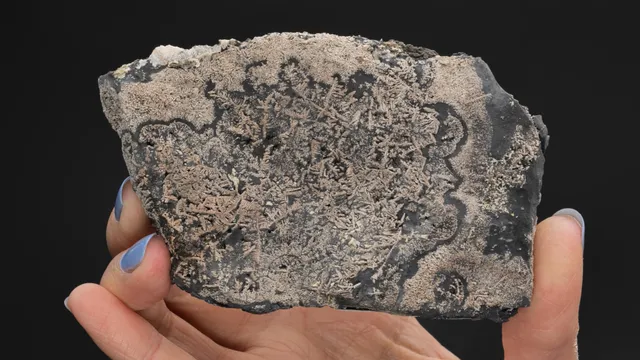
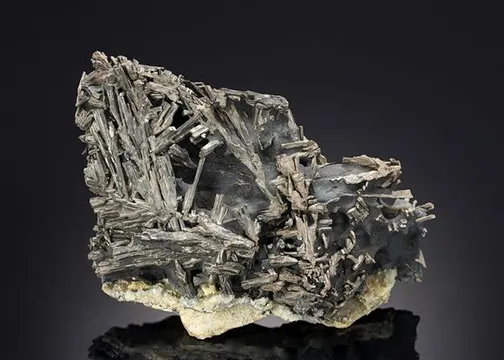
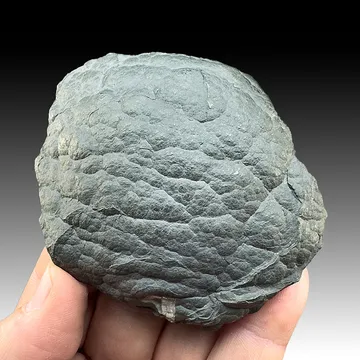
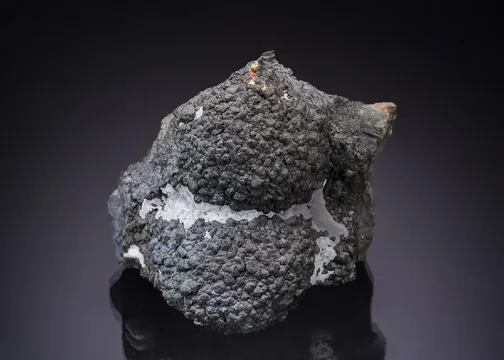
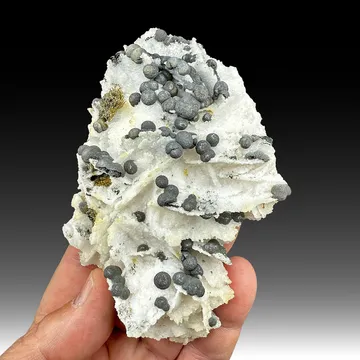
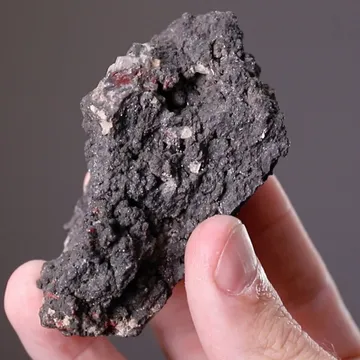
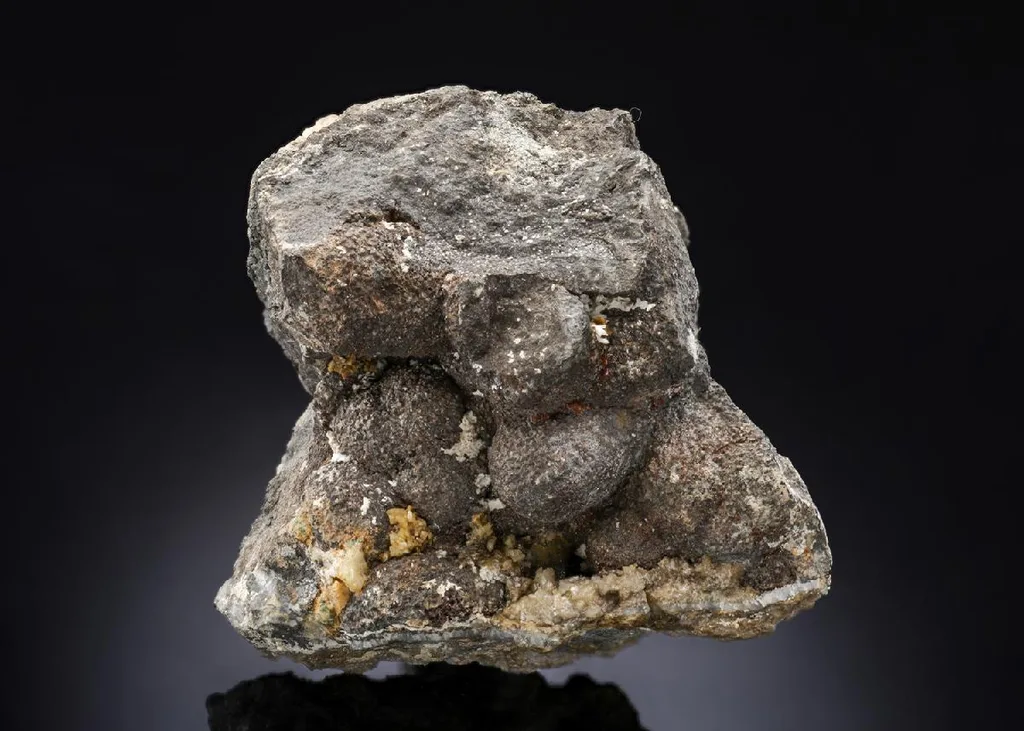
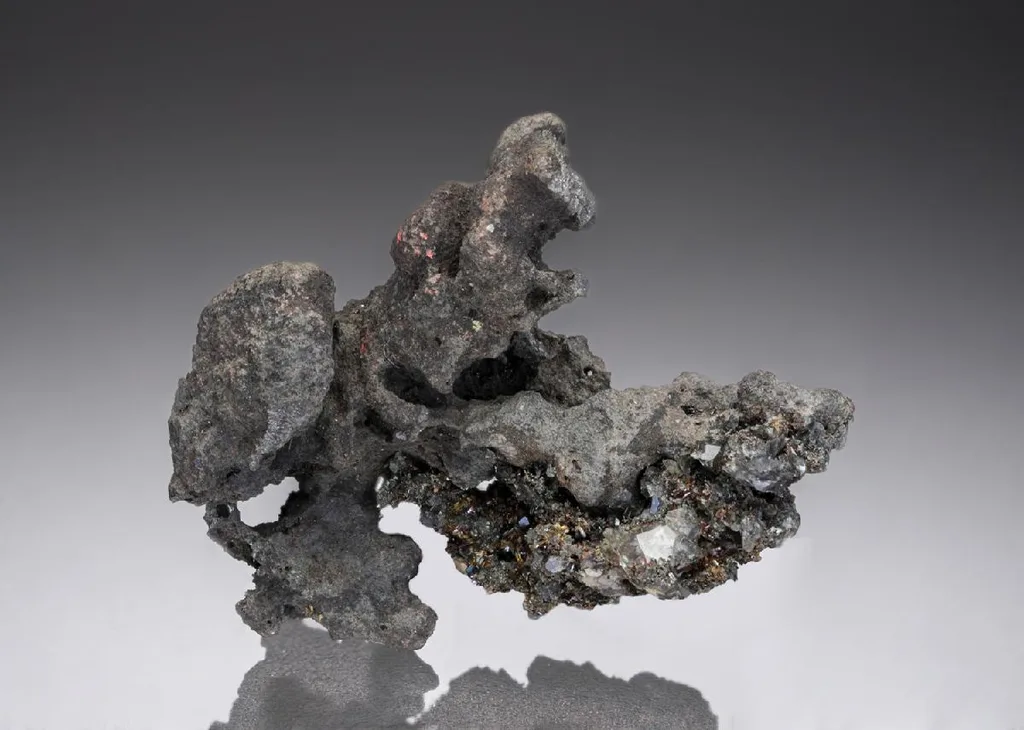
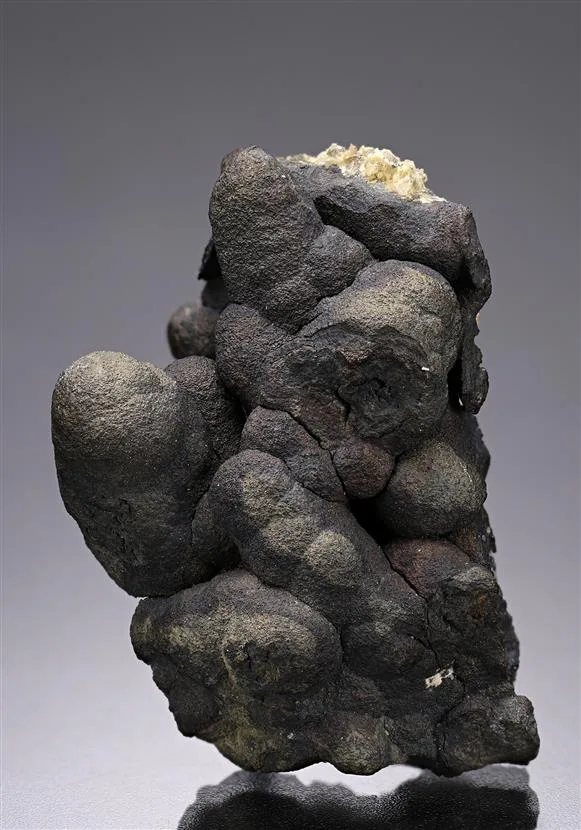
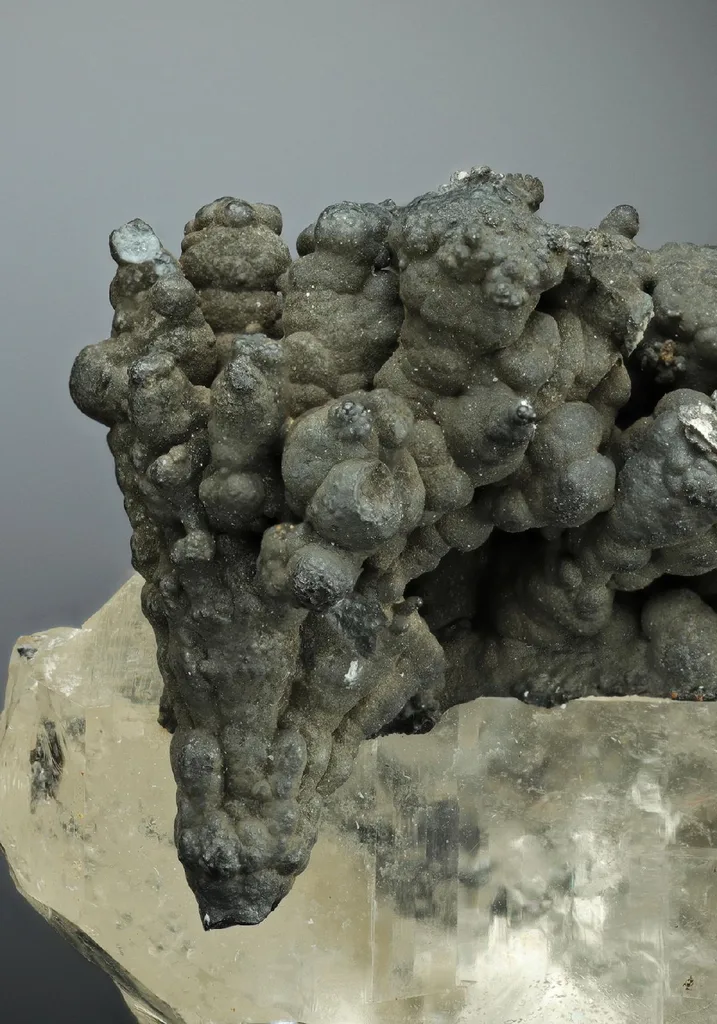
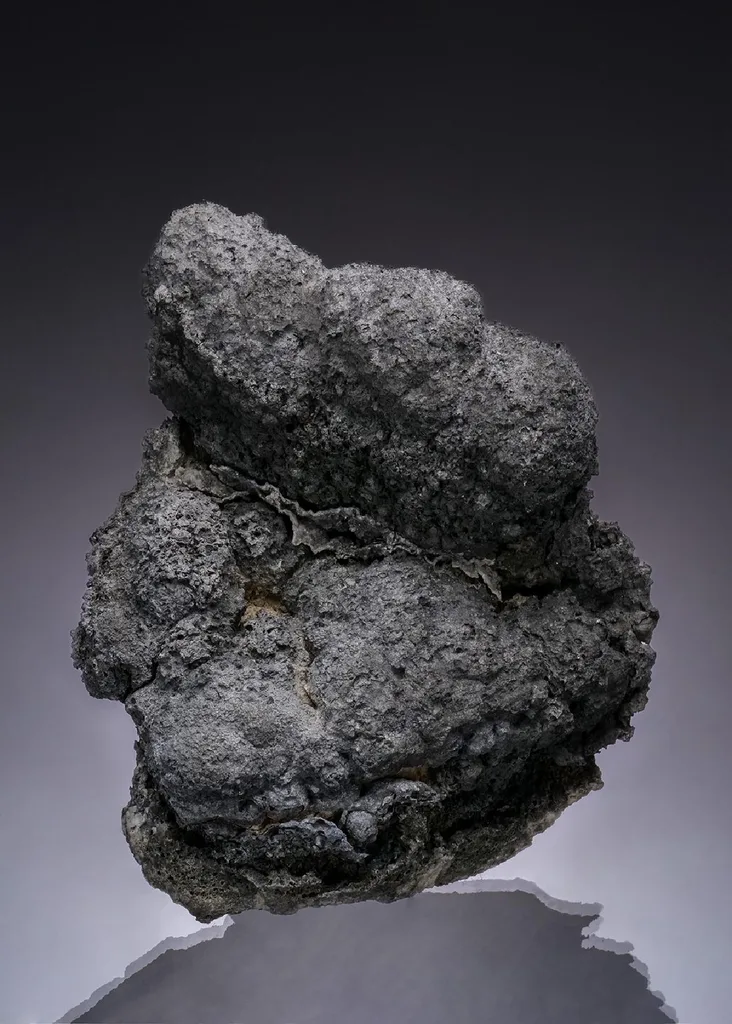
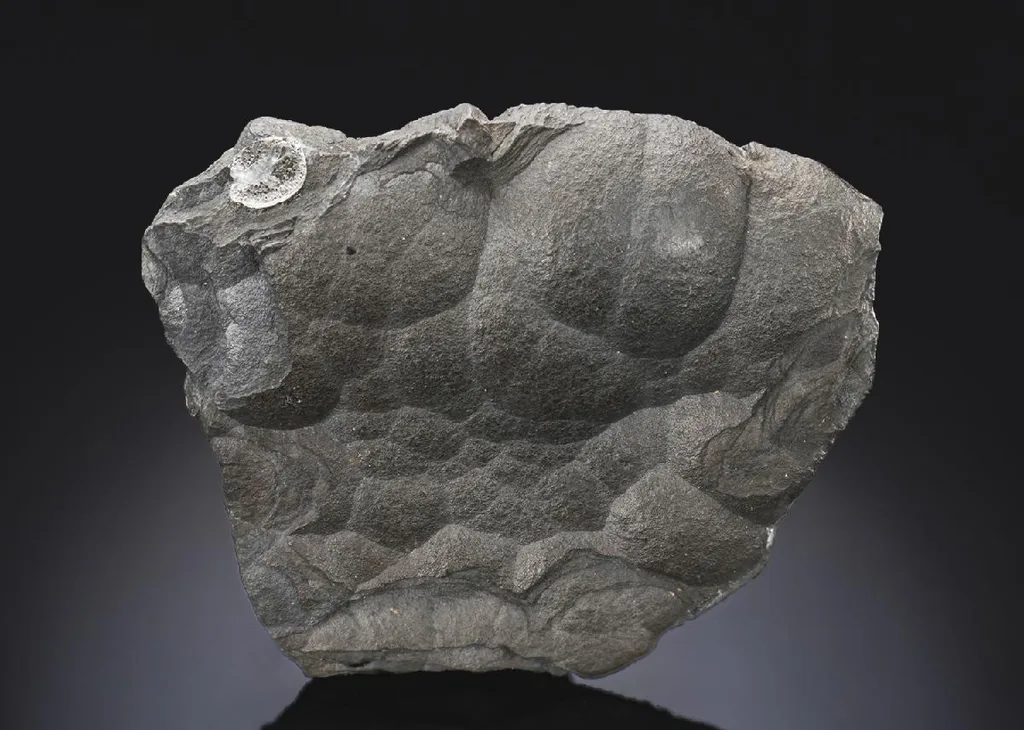
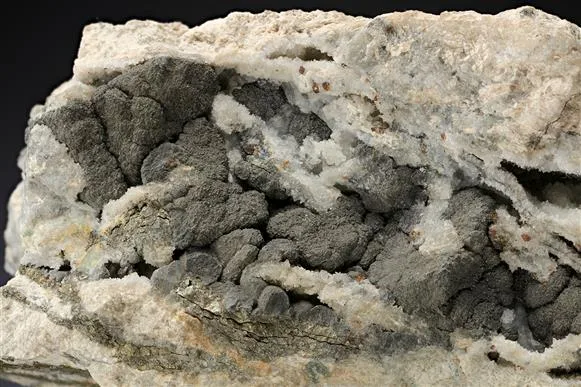
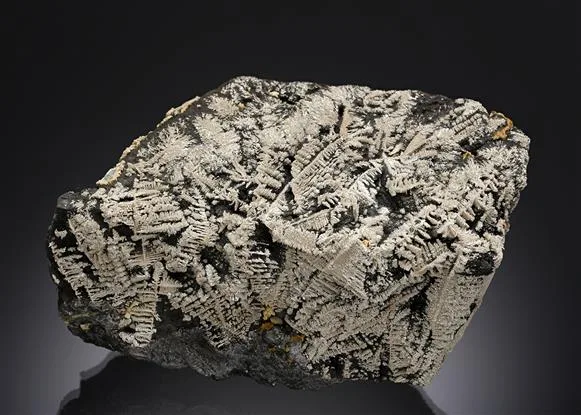
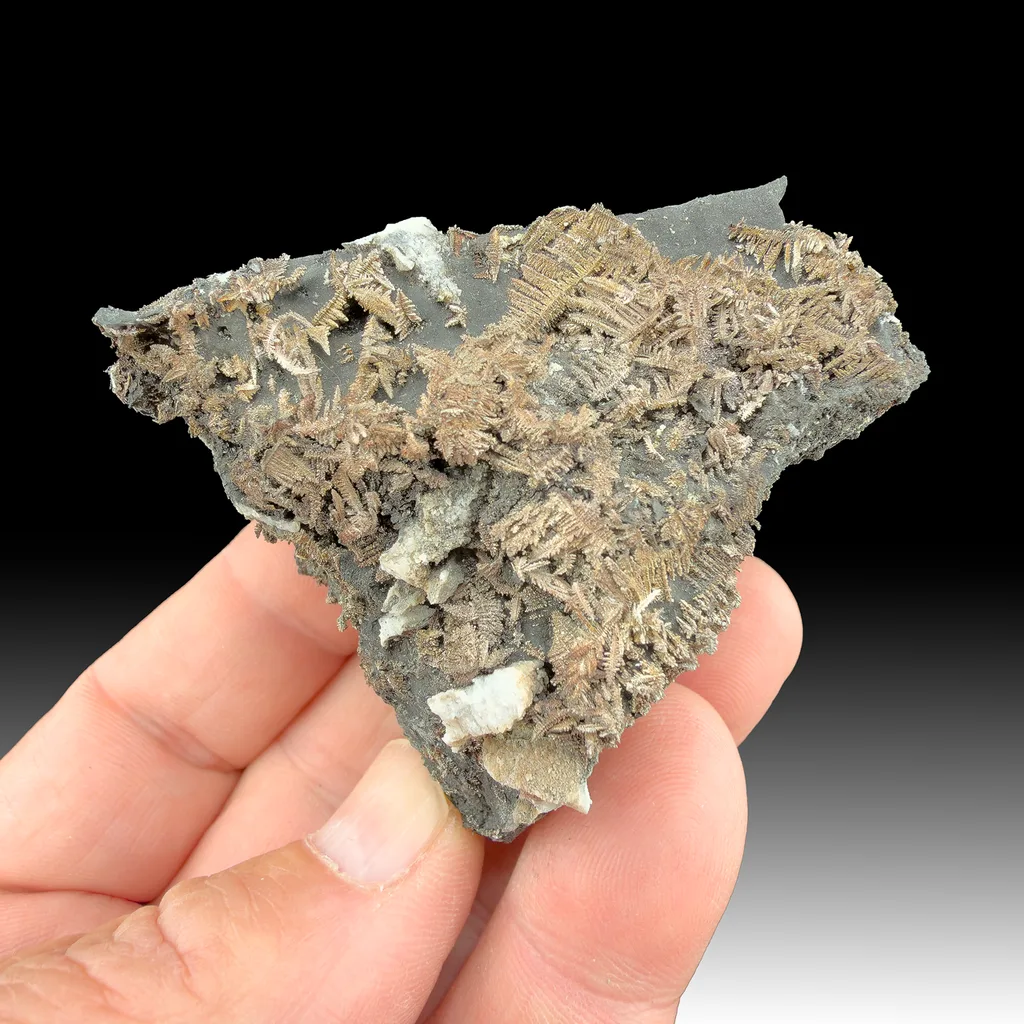
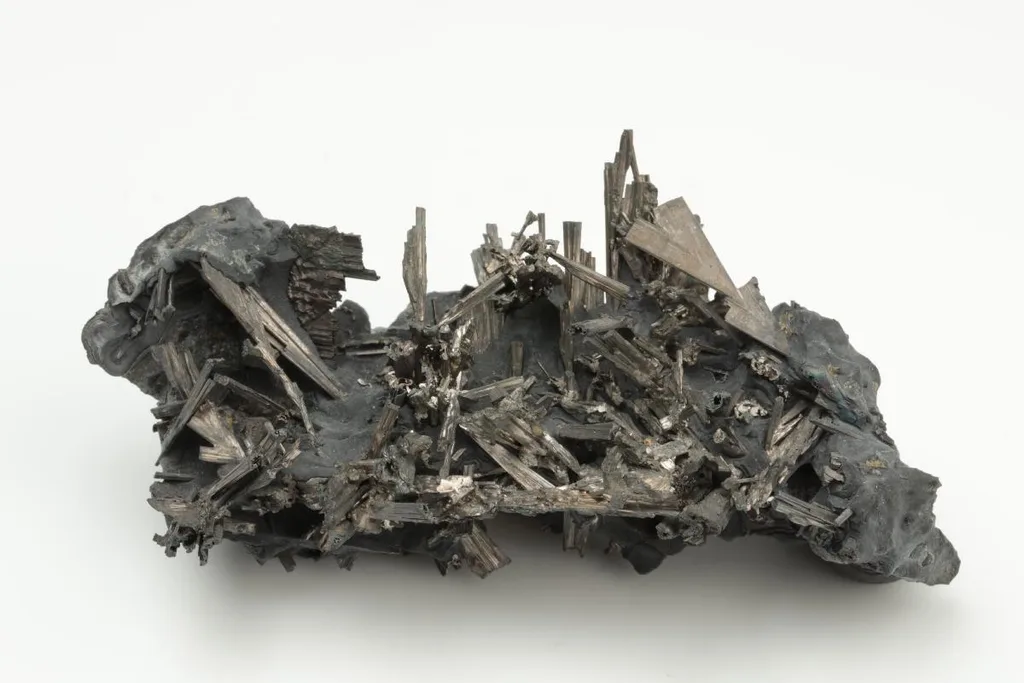
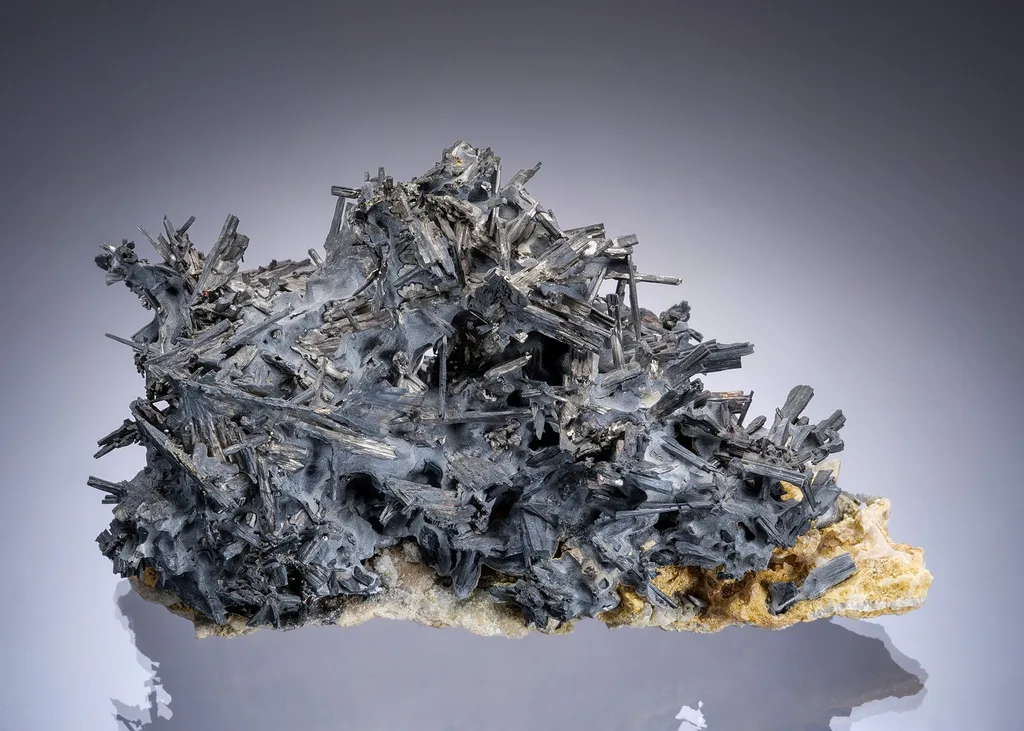
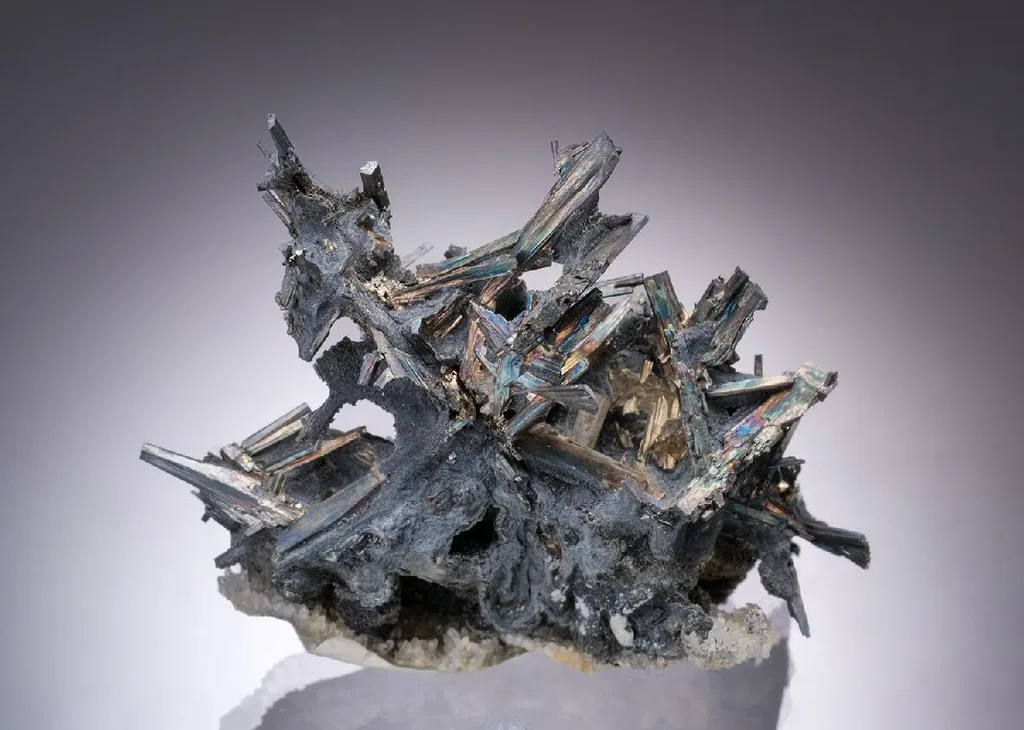
Arsenic is a gray, metallic element that often appears in dull to bright metallic luster and can form a variety of crystal habits, though its elemental form is rarely seen as pristine crystals in mineral collections. It commonly occurs as a native element or as a component in minerals where it substitutes for other elements, and it may appear as small metallic grains or as finemist crystals in ore assemblages.
Notable specimens are associated with classic mining districts in Germany, Peru, the Czech Republic, Japan, and the United States, where arsenic-bearing minerals and native arsenic have been recovered from sphalerite, realgar, or orpiment-rich environments. Collectors prize well-formed, lustrous crystals and associations that reveal the mineral’s metallic sheen and planar faces, often contrasted against host rocks or mineral parageneses that highlight its occurrence within ore deposits.
Collectors value arsenic for its historical significance in science and its role in mineralogy, offering a glimpse into ore-forming processes and the diverse crystallization environments that produce native and alloyed arsenic minerals. The metal’s pale gray hue and metallic sparkle, when isolated in crystal form, can provide striking specimens for display and study alike.