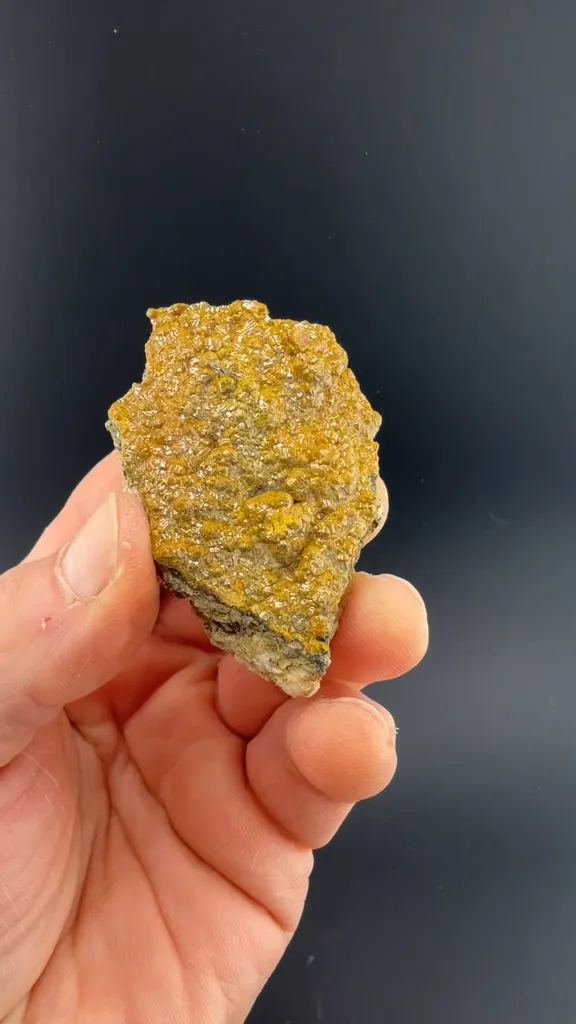
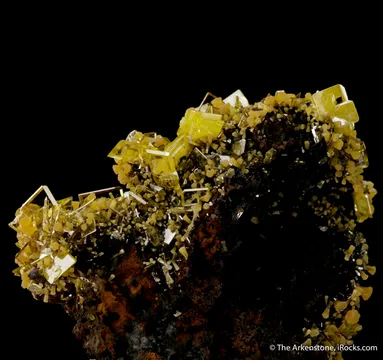
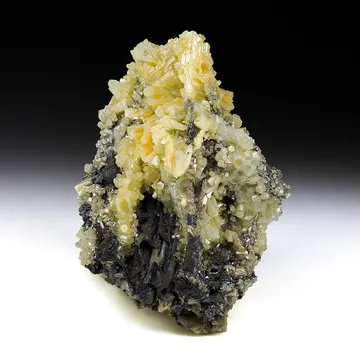
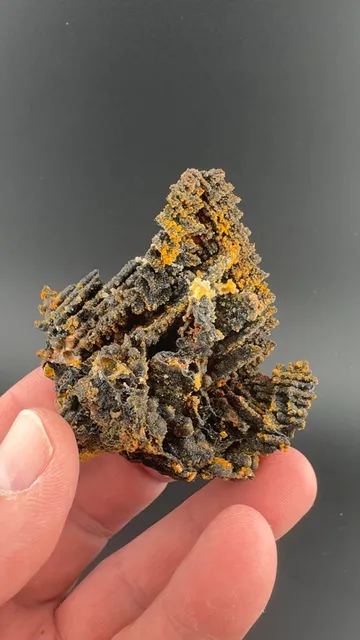
British classic with one side of matrix covered by botryoidal lustrous crystallized mimetite. This is often referred to by the varietals species campylite. In good condition.
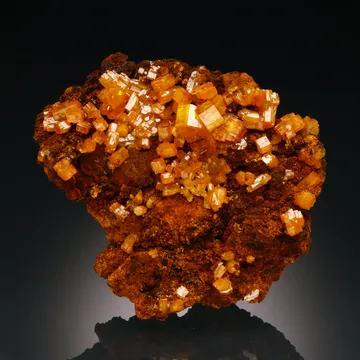
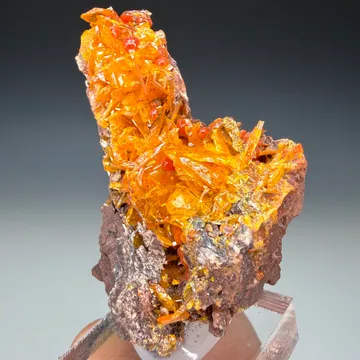
The Dry Gill Mine, located in the Caldbeck Fells of Cumbria, England, is a historic mining site with operations primarily dating from the mid-19th century, with recorded working beginning around 1846 and ending by 1869. Geologically, the deposit consists of a mineralized vein cutting through the rugged Ordovician volcanic and sedimentary rocks of the region, heavily altered by intense supergene processes. Mineralogically, the mine is world-famous for yielding exceptional specimens of mimetite, particularly the phosphatian variety known as campylite, which forms distinctive, barrel-shaped, curved crystals ranging in color from bright yellow and orange to deep red, often resting on a contrasting black manganese oxide matrix.



 Ships from USA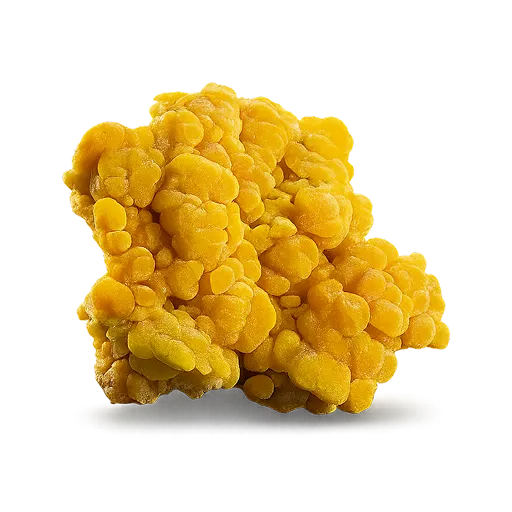




Comments