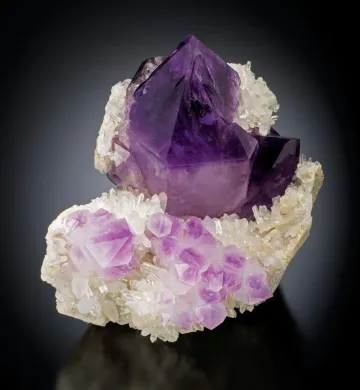
Amethyst
 Quartz
 Fluorite
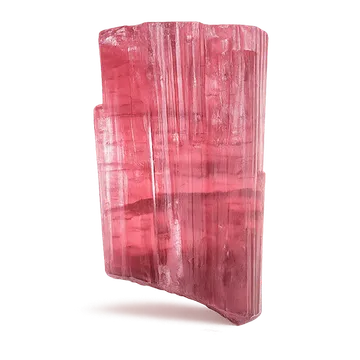
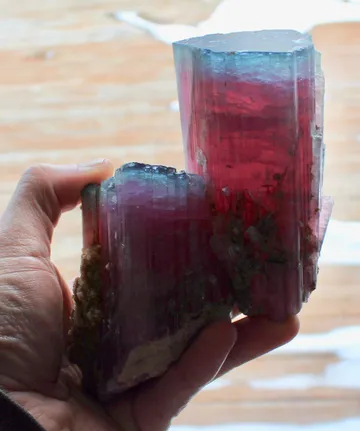
 Tourmaline
 Malachite
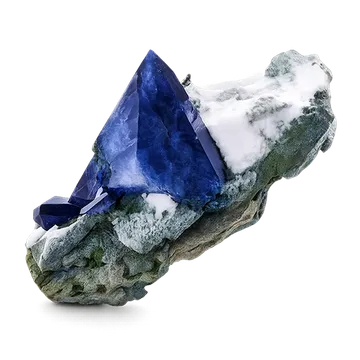
 Azurite
 Rhodochrosite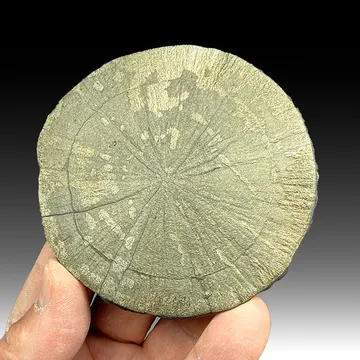
The coal mines of Illinois produce unique pyrite formations known as "pyrite suns" or "pyrite dollars," disc-shaped mineral specimens that formed within Pennsylvanian-age shale deposits approximately 300 million years ago. These distinctive formations from Sparta and surrounding areas in Randolph County represent one of nature's most unusual crystallization patterns.
Regional View
State View
Illinois pyrite suns are disc-shaped pyrite formations found exclusively in coal mines throughout Illinois, with the most notable specimens originating from the Sparta area in Randolph County. These specimens formed within narrow shale layers above coal seams during the Pennsylvanian Period when Illinois was covered by tropical swamps. The unique conditions of formation - crystallization under extreme pressure within confined spaces - created these flat, radiating crystal structures found nowhere else in the world.
These formations display radial crystal growth patterns emanating from a central point, creating sun-like appearances that give them their common name. The specimens range from perfectly circular to slightly oval shapes, with surfaces showing intricate crystalline patterns. Their formation represents a unique mineralization process where pyrite crystallized horizontally within extremely thin spaces between shale layers, forced to grow outward rather than in three dimensions.
Illinois pyrite suns are collected for their unique morphology and aesthetic appeal. Specimens range from less than one centimeter to over 15 centimeters in diameter, with larger specimens being considerably rarer. The most sought-after pieces display complete, unbroken discs with sharp, well-defined radial patterns visible on both surfaces. Collectors particularly value specimens showing the characteristic golden metallic luster without oxidation or weathering.
The quality of pyrite suns varies based on several factors. Premium specimens exhibit perfect circular or near-circular shapes with minimal distortion. The radial crystal patterns should be clearly visible, creating intricate geometric designs across the surface. Many collectors prefer specimens that remain embedded in their original shale matrix, showing the geological context of formation. Double suns - two discs naturally connected or overlapping - are particularly prized by collectors.
Surface texture varies among specimens, from smooth, mirror-like faces to those displaying pronounced crystal growth patterns. Some specimens show concentric growth rings similar to tree rings, indicating periods of crystal development. The edges of quality specimens should be intact and well-defined, though natural irregularities from the formation process are acceptable and add character. Specimens with bright, untarnished surfaces command higher values than those showing oxidation or dull patinas.
When evaluating Illinois pyrite suns, collectors should examine both sides of the disc, as patterns often differ between faces. Matrix specimens showing the pyrite sun in its original shale host rock provide scientific value and display context. Some specimens fluoresce under ultraviolet light, adding another dimension for collectors interested in fluorescent minerals.
The Sparta area mines have produced some of the largest and finest pyrite sun specimens known. Individual discs exceeding 12 centimeters in diameter have been documented, though specimens of this size are exceptional. Some of the most remarkable finds include perfect matched pairs that formed adjacent to each other in the shale, creating natural bookends when the rock splits along the bedding plane.
Multiple-sun clusters, where several discs formed in close proximity and sometimes overlap, represent significant finds. These specimens demonstrate the widespread mineralization that occurred within specific shale layers. Museums worldwide display Illinois pyrite suns, including the Smithsonian National Museum of Natural History and the Field Museum in Chicago, recognizing their geological significance and aesthetic appeal.
The coal mines around Sparta, including the now-closed Pyramid Coal Mine and other operations in Randolph and Perry Counties, have been the primary sources. Each mine location produces specimens with subtle variations in size, pattern, and associated minerals, allowing experienced collectors to sometimes identify the source mine based on specimen characteristics.
Pyrite suns have been known since coal mining began in Illinois in the 19th century. Miners initially regarded them as curiosities, often keeping them as good luck charms or pocket pieces. Scientific interest grew in the early 20th century as geologists recognized their unique formation process and began studying them to understand sedimentary mineralization.
Commercial collecting began in earnest in the 1960s when mineral dealers recognized their appeal to collectors. The closure of many Illinois coal mines in recent decades has made new specimens increasingly scarce. Most pyrite suns available today come from old collections or limited production from the few remaining active mines. This scarcity has increased collector interest and values for quality specimens.
Modern coal mining methods often destroy these delicate formations before they can be collected. When mines do encounter pyrite sun-bearing shale layers, careful extraction is required to preserve specimens intact. Many are damaged during the mining process, making complete, undamaged specimens particularly valuable. Some mining companies have recognized the value of these specimens and work with collectors to preserve notable finds.
The future availability of Illinois pyrite suns remains uncertain as coal mining continues to decline in the region. Existing specimens in collections become increasingly important as examples of this unique geological phenomenon. Educational institutions use these specimens to teach about mineral formation, sedimentary processes, and the geological history of Illinois. Their distinctive appearance and formation story make them valuable for engaging students and the public in earth science education.