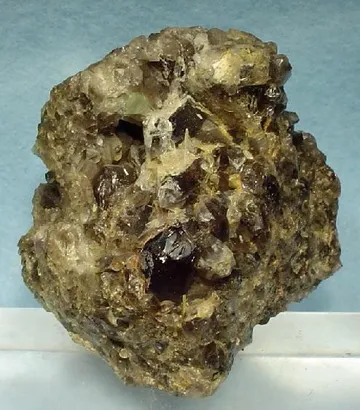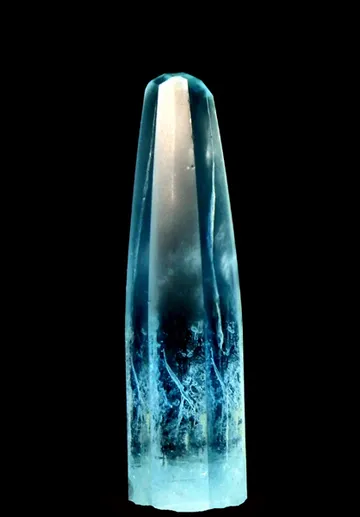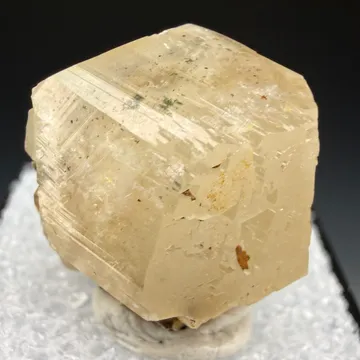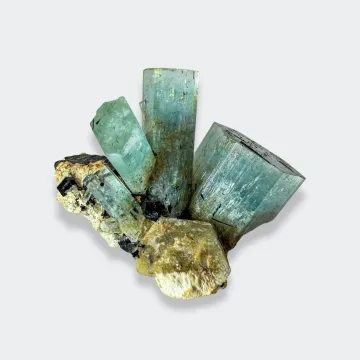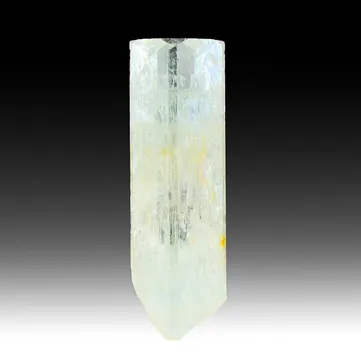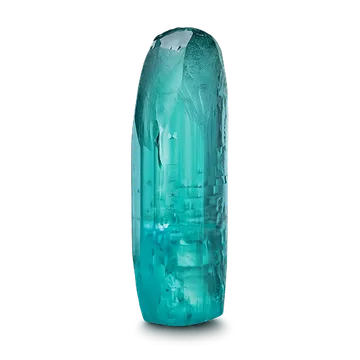
コロラド州アンテロ山、グラス状の青いベリルを伴うクラシックな高山産アクアマリンの産地。希少なビーメタル関連鉱物があり、コレクターに高く評価される歴史的なポケット標本。
Key facts
Mt Antero はアクアマリンの定番アメリカの山である:コロラド州の高く風に削られた四teennerで、青色のベリルが小さなペグマタイト、ミアロリティック空洞、および Mount Antero Granite 周辺の関連した水熱脈に産します。最高の結晶は、アルプス山脈のペグマタイトから鉱物収集家が求める明確な魅力を持っています:ガラス光沢、六角形の形、淡色から中程度の青色、そして現地の高度が樹木限界を超える場所としてはありえないほど繊細に見える宝石級の終端部を時折示します。

産地の性格は高度と切り離せない。生産的な地はMount Anteroの上部斜面と隣接するMount Whiteの周り、Sawatch山脈のアーカンソー渓谷上部に広がる。採集は歴史的に、砕けて凍結した花崗岩、タリス、ポケット粘土の上で行われ、天候が同じ日内に晴天から雷雨、雹、あるいは雪へと変わることがある場所での作業を意味してきた。このアルプスの景観はAnteroのアクアマリンに多くのロマンスを与える一方で、産地の標本像も説明している:多くの個体は単結晶または修復されたポケット片であり、広く未分解のマトリクス板ではない。
地質的な環境はベリリウム鉱物が非常に豊富である。アクアマリンが主役の種だが、Mt Antero の評判は、フェナキサイトとベルドランサイトを含むBe系鉱物群全体に基づいており、煙水晶、透明および乳白色の水晶、アルビト、微斜長石、白雲母、蛍石、トパーズ、石榴石、黄鉄鉱、方解石、そして区内で報告されたより希少な種が含まれる。最もコレクション性の高い標本では、淡い青色のベリリウム分岩が煙水晶と長石と共に座していたり、古典的な組合標本としてベルドランサイトとともに現れたりする。アクアマリンとフェナキサイトおよびベルドランサイトの結びつきは、Antero をアメリカのペグマタイト産地の中で直ちに認識させる特徴の一つである。
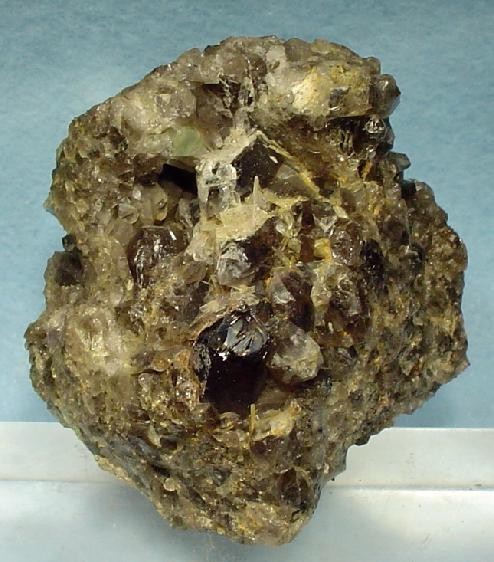
歴史的に Mt Antero はコロラド州の採集界を超えて重要であった。鉱物標本は1880年代から採集されており、アクアマリン、フェナキサイト、ベルドランサイトに関する作業を通じて、地質学文献の初期にも登場した。20世紀には現地の採集家、政府地質学者、ペグマタイト専門家、宝石鑑定人によって再訪され、現代には「Diane’s Pocket」と呼ばれるアクアマリンと煙水晶のポケットが Steve Brancato の2004年の発見とともに再構成され、博物館展示として広く知られるようになった。最高級の Mt Antero のアクアマリンは国際的な標準で見れば通常は決して巨大ではありませんが、 locality コレクターにとって特別な魅力があります。シャープで、つやがあり、傷のない、自然に青い Antero クリスタルが良好な透明度と信頼できる出自を備えると、コロラド州の重要な標本となります。母岩付きの塊、古い収集家のコレクションが記録されたクリスタル、フェナカイト、ベルランドタイト、スモーキークォーツ、蛍石との関連は追加の関心を呼びます。
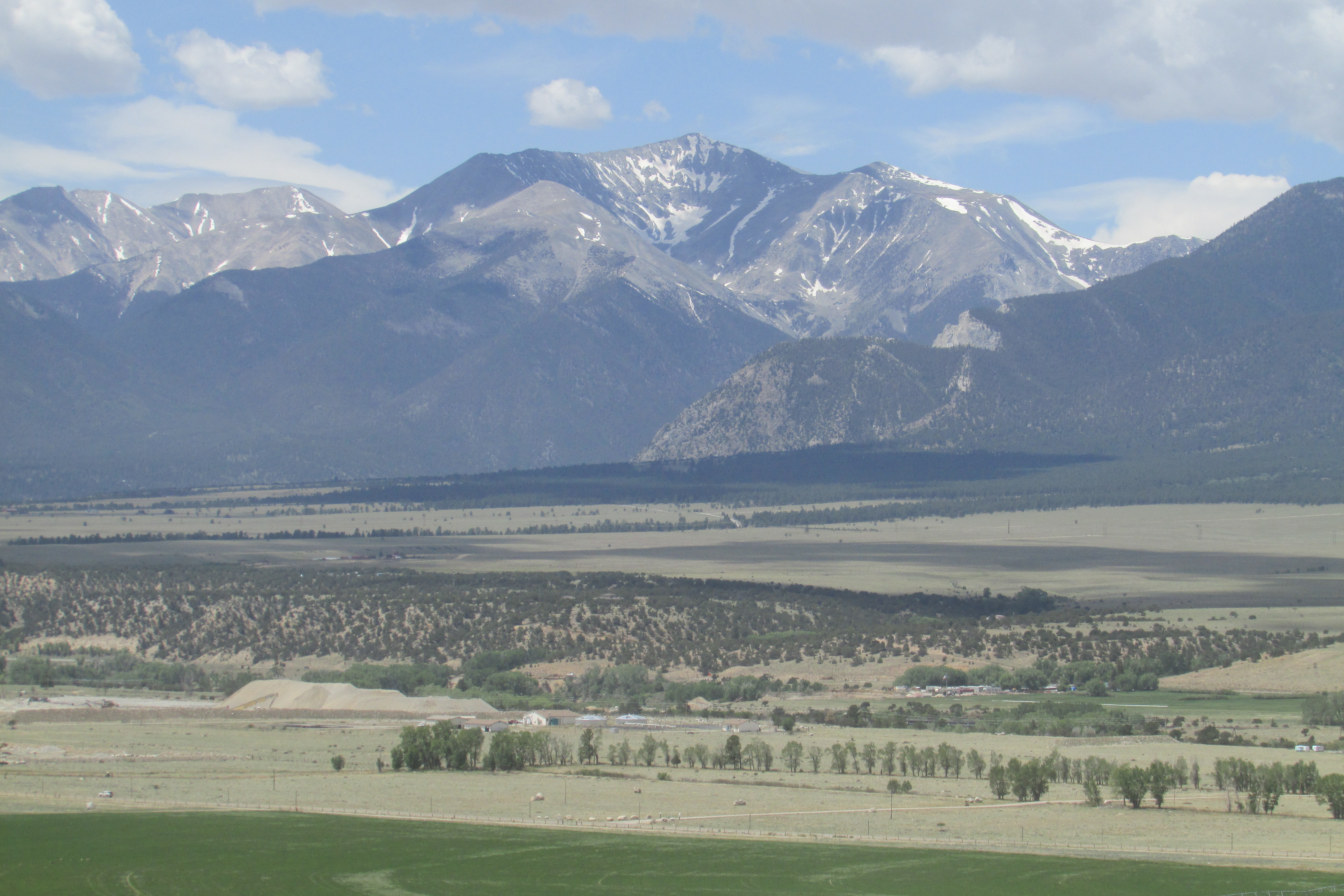
写真: Wikimedia Commons## 特集標本
Search for specimens: View all aquamarine specimens from Mt Antero, Colorado, USA
Mt Antero rises in Chaffee County, Colorado, in the southern Sawatch Range, within the San Isabel National Forest. It is a fourteener, and the Forest Service describes the mountain as having the highest gem field in the lower 48 states. The collecting area is reached from the Buena Vista–Nathrop side by County Road 162 and the Baldwin Gulch/Mount Antero road system; the Forest Service notes that the road is rocky and rough and requires high-clearance four-wheel drive. Vehicles must stay on designated roads to protect the alpine tundra.
Geologically, the gem deposits are tied to a granitic stock in the Mount Antero–Mount White area. Classic studies describe small beryllium-rich pegmatites and related veins in the granite, with the granite itself related to the larger Mount Princeton batholith. The batholithic rocks include granite and quartz monzonite; the pegmatites and cavities carry microcline, quartz, and hydrothermal beryllium minerals including beryl, phenakite, bertrandite, albite, and fluorite. Modern work refines this further, recognizing evolved granites, the Mount Antero Granite and California leucogranite, aplite dikes, granitic pegmatites, and hydrothermal veins as hosts for colorless beryl, blue beryl, aquamarine, bertrandite, and phenakite.
The deposit style is small-pocket, high-alpine pegmatite and vein mineralization rather than a large commercial gemstone mine. George Switzer’s classic 1939 study emphasized that the pegmatites are generally small, seldom more than about three feet wide and only a few feet in lateral extent, and that many are lenticular, disk-shaped, or cylindrical bodies with sharp contacts in the granite. The best specimen finds have historically come from miarolitic cavities rather than from continuous ore shoots, which explains both the mountain’s fame and its unpredictability.
The oldest documented collecting belongs to the late nineteenth century. E. G. Cross published notes on Mt Antero aquamarine in 1887, describing crystals found a few years earlier by H. A. Wanamaker. S. L. Penfield soon followed with work on phenakite, bertrandite, and the beryllium minerals of Mt Antero. By the early twentieth century, the locality was already known as a source of gem minerals, though its remoteness, weather, and altitude limited regular production.
In the 1930s, Edwin Over, Arthur Montgomery, and George Switzer helped move Antero from collector legend into detailed mineralogical literature. Switzer’s field work in 1938, supported through Harvard’s mineralogical circle, produced a careful study of the granite pegmatites and veins. His classification separated beryl pegmatites, phenakite pegmatites, beryl-phenakite-bertrandite pegmatites, muscovite-quartz veins, phenakite-quartz-fluorite veins, and beryl-quartz-molybdenite veins.カリフォルニア鉱山は、マウントアンテロ southwest の関連するが独立した地区のベリリウムの物語の一部です。そこで、ベリルは石英モリボン石安山岩の石英脈中の石英脈モリボン石脈内に産出します。鉱山は第一次世界大戦中にモリボン石の小規模作業が行われ、その後のUSGSの調査によれば露出している脈はおおよそ幅1.5〜3フィート、高さはほぼ垂直で、北72°〜75°東を冠すると推定されました。カリフォルニア産の材料は、ベリルがモリボン石と共に沈着したことを示す重要なものであり、またアントロの科学的関心を宝石ポケットからベリリウムを含む石英脈へと拡げた点で重要です。
現在のアクセスには、土地と権利の状況に細心の注意を払う必要があります。森林局は特に、ピーク上には無特許鉱山権が散在しており、権利者の許可なしにこれらの権利のある区域での岩石採集、探鉱、採掘、あるいは表面採集を行うことは違法であると警告しています。実際には、生産的な地盤で真剣に採集するには、通常、権利の所有、権利者の許可、組織的な料金掘削、または確立された鉱山家からの実証済み購入に依存します。山は「気軽にどこへでも歩き回って掘る」場所ではありません。
現代の顕著な発見には、2004年のダイアンズ・ポケットの summit 周辺での発見が含まれ、スティーブ・ブランカートと関係しています。そのポケットの再構成部には、煙硝のような水晶とマトリックス鉱物を含むアクアマリンが含まれており、デンバー自然科学館に展示されており、アントロ山のアクアマリンの最も広く認識されている公開の顔となっています。## Mt Antero, Colorado, USA のアクアマリンの特徴
Mt Antero のアクアマリンはベリル Be3Al2Si6O18 を青から青緑色に機能する鉄によって着色したものです。最も典型的な収集用結晶は、平滑からやや改変された末端部を持ち、プリズム面に垂直な縞模様や成長組織が見られる、単結晶で終端部が多い六角柱状のベリルです。結晶は完全な単結晶、ポケット内の断片、エッチングまたは腐食の痕跡、あるいは石英、正長石、雲母、またはポケットマトリクスに部分的に付着した結晶であることがあります。
色は非常に淡い青から緑がかった青、さらには中程度の青へと幅があります。最高の標本は、灰色っぽい色合いや褪せた色ではなく、清潔で涼しげなアクアマリンの色を示します。いくつかの結晶はほぼ無色のゴッシュナイトへと段階的に移行し、個々の結晶は色帯を示すことがあります。Mt Antero のベリルに関する分析作業では、鉄分が暗い青色領域で豊富で、淡い端部の部分では比較的不足していることが示され、同時に多くの結晶は内部の組織と化学組成に現れる成長帯を保っています。
透明度は幅広く変化します。多くの結晶は半透明、曇り、または内部で亀裂が入っています;最良のものは宝石質で、透明な窓と明るい光沢を持ちます。色、透明度、傷のない形、Antero の起源が文書化されている場合、この産地は特に評価されます。ポケットが小さく、山自体が物理的に過酷であるため、2–5 cm の鋭い結晶がその寸法以上の重要性を持つことがあります。大きな結晶も知られていますが、魅力的で無傷、宝石質の例は一般的ではありません。
マトリクスは loose crystals(結晶のみ)よりは少ないですが、自然で美的バランスが取れている場合には非常に望まれます。最高の組合せには、スモーキークォーツ、アルビト石( albite )や他の正長石、雲母、ミクロクリン、蛍石、フェノカイト、ベルドランタイトが含まれます。ベルドランタイトは小さく透明度の高い水色–無色の薄片として現れることがあり、時にはベリルに関連する後期の変質または置換産物として見なされます。フェノカイトは当地の主要な伴生種であり、同時に Mt Antero のクラシックなコレクション対象の一つです。
地質環境には、収集家が認識すべきいくつかのテクスチャー習慣が生じました。いくつかの材料は開放腔から来て、結晶面がきれいでポケット光沢を示すことがあります。別の材料は風化したポケット帯の花崗岩崩壊層から来ており、結晶は粘土や浮遊物から解放されることがありますが、摩耗、打撲、または自然のエッチングを示します。第三のカテゴリーは、硝石やモリブデナイトと結びついたビーナージュのベリルを含み、カリフォルニア鉱山近くの石英とモリブデナイトと関連するベリルなどが含まれます。このような標本は、古典的な宝石ポケット結晶とは異なる鉱物学的風味を持っています。Mt Antero のアクアマリンの品質要因は、強く産地志向です。コレクターは次の点を重視します:
Mt Antero aquamarine is a locality specimen first and a gemstone second. Fine faceting rough exists, and Colorado aquamarine has been cut into attractive stones, but collectors pay strongest premiums for natural crystals with clear Antero identity. A loose pale blue beryl crystal without a label can be difficult to separate from other beryl localities by eye alone, so provenance matters. Old collection labels, miner documentation, claim names, and purchase history are not just paperwork; they are part of the specimen.
The market contains a range of material. At one end are small pale crystals, crystal fragments, and tumbled or faceted stones sold as Colorado aquamarine. At the other are sharp, lustrous singles; repaired pocket crystals; matrix combinations with smoky quartz or feldspar; and historic specimens from older collections. Serious buyers should distinguish between “Mt Antero style” and documented Mt Antero origin.
No major, locality-specific fake tradition defines the Antero market in the way some famous gem localities have been plagued by systematic forgeries. The more practical concerns are misattribution, repair, reconstruction, and undisclosed treatment. Aquamarine in the gem trade is commonly heat-treated worldwide to improve blue color by reducing greenish tones, so faceted stones or cutting rough sold as Mt Antero should be queried for treatment history. Crystal specimens should be inspected for glued terminations, reattached bases, filled fractures, and mounted fragments.
Reconstruction deserves special mention because the most famous public Mt Antero object, Diane’s Pocket, is displayed as a reconstructed pocket section. Such reconstruction is not automatically deceptive when fully disclosed; in fact, pocket reconstructions can preserve the visual story of a find that naturally came out in pieces. But in the marketplace, the difference between a naturally attached matrix specimen, a repaired specimen, and an artistic reconstruction must be explicit.
Condition issues are common. Antero crystals may show internal crazing, frost damage, etched faces, bruised edges, and broken bases from pocket collapse, talus movement, freeze-thaw cycles, or extraction. Some crystals were recovered from decomposed granite and clay rather than pristine open cavities, and many old pieces were collected under difficult field conditions long before modern specimen-preparation standards. A small, undamaged crystal with strong luster can therefore be more desirable than a larger but battered one.
Rarity is best understood by grade. Small fragments and modest pale crystals are obtainable. Attractive, complete, gemmy crystals are much less common. Significant matrix specimens, old-time pieces, and well-documented crystals from named pockets or important finds are genuinely scarce. Diane’s Pocket-scale material is not representative of routine availability.現代の収集における基本的なルールはシンプルです:許可なく権利地内を掘ったり採集したりしてはいけません。マウント・アンテルの森林局の指針は明確で、この山の生産部域は多くが権利で固められています。自力で採取した材料を求める収集家は、正当な権利所有者との取り決め、クラブ・トリップ、料金掘り、または出どころを文書で示せる鉱山労働者からの直接購入を追求してください。## Stories & Field Notes
古い物語は、青い結晶を簡単には与えない山から始まる。1887年にE. G. Crossによって文献に記述されたH. A. Wanamakerの初期の発見は、コロラド州の採掘基準から見てもなお遠い場所から来ていた。後の記述は、ワナメイカーが夏を木振り横断のキャンプや山頂近くの石の避難所で、山へ背負ってきた手工具を使って働いていた様子を描く。その情景のロマンスは感傷的な誇張ではない:アンテロの宝石原地は、樹木限界を超え、タリス坡道と急な嵐の中、薄い空気の中に座している。ジープロードの前には、食料・鉄鋼・回収した結晶の一ポンドごとに、登りと下りの二度の努力が必要だった。
1930年代には、Mt Anteroはカジュアルな観光客ではなく、硬派な野外採集家を引き寄せるタイプの地として知られるようになった。Edwin OverとArthur Montgomeryは、その山の伝説に名を刻んだ人物のうちのひとりであり、Montgomeryの『Anteroを越える嵐(Storm over Antero)』は、採集時代の感触をそのままタイトルに残している。彼らの仕事は、古いスタイルの探鉱と現代の鉱物採集の継ぎ目に位置している:タリスを横断する長い探索、浮石の中のポケットの手がかり、そして風化した花崗岩の亀裂に洞窟が生じるかどうかを常に判断すること。
1938年の科学的野外シーズンは、地元にその古典的なペグマタイトの枠組みを与えた。ジョージ・シュワイツァーは、アーサー・モンゴメリーとエドウィン・オーバーとともに、アンテロ山周辺で約15のペグマタイトと鉱脈を詳しく studyした。彼が見つけたのは、連続的な採掘可能な塊ではなく、小さく孤立したベリリウムを豊富に含むシステムの謎だった:ベリリーペグマタイト、フェナクサイトペグマタイト、ベリル-フェナクサイト-ベルドランダイトペグマタイト、そして熱水脈。ポケットは次の大発見が何もないほんの数フィート先かもしれないほど小さかった。これが山の論理のままだ。
カリフォルニアの鉱山は、別のAnteroの物語を語る。アンテロ山の南西部で、モリブデン硫化物とベリルを運ぶ石英脈が第一次大戦中に採掘された。P. G. Worcesterは、脈壁と脈内の空洞に近いモリブデナイトの豊かな筋を記述した。最も生々しい箇所では、長さ12インチにも及ぶ白い石英結晶が、透明または不透明のアクアマリン結晶と結晶モリブデナイトとともに見つかった。ベリルと石英の間のポケットは、実質純粋なモリブデン硫化物とモリボダイトを20〜30ポンドも掘り出すことができ、ろうそく立てで掘り出すほどであった。これは驚くべき光景だ:宝石箱の清澄な青いアクアマリン結晶ではなく、硬い岩のモリブデン鉱脈に閉じ込められたベリル、標本の一部であり戦略的鉱物の一部でもある。次に道の時代が訪れた。1950年代、ベリリウムの探索と鉱山労働者の実用的ニーズが、山へ rough な車両アクセスを押し上げるのに寄与した。その道はアントロを永久に変えた。結晶を容易にはしたわけではない—ポケットは散在し、捉えどころがなかったが—山をほぼ遠征地帯から、装備の整った鉱山技師やコレクターが車両・機械・短期の物流でたどり着ける場所へと転換させた。現代のアントロは依然厳しいが、道は Wanamaker が認識していただろうとは思えない形で山を文化的に“アクセス可能”にした。
最も有名な現代の話は Diane’s Pocket だ。2004年7月、スティーブ・ブランカートは山頂周辺で主要な煙水晶-アクアマリンのポケットを開いた。人気のある報告は、瞬間をほとんどシネマのように見事に描写する:小さな海青色の結晶が転がり出て彼を打ち、はるかに大きな空洞へと導いた。この発見は最終的にデンバー自然史博物館と連携した再構成展示となった。Mindat の写真記録は、その展示を「高さ約1メートルの再構成されたアクアマリンと煙水晶のポケット」と表現しており、上部の大きなアクアマリン結晶は約12センチ長だったとされる。公開された他の記録は、再構成されたポケットの区画を「37×25インチ(約94×64センチ)以上」とし、100個以上のアクアマリンやその他の結晶を含むと記される。どんな測定を採用しても、Diane’s Pocket は、多くの非コレクターが初めて「なぜ人々がアントロに登り、掘り、悪天候のリスクを冒すのか」を理解するきっかけとなった発見である。
ウェザー・チャンネルの『Prospectors』は、2013年から2016年にかけて山をはるかに幅広い視聴者に届けた。番組はコロラド州の鉱山労働者を追い、アントロの危険性—雷、落石、崩落、白紙搬入、権利の紛争、採掘シーズンの短さ—を繰り返し取り上げた。真剣なコレクターは現実番組を慎重に見ることが多いが、この番組はアントロについての一つの真実を捉えていた:これは結晶がギフトショップのトレイに並んで拾われるだけの“ locality”ではない。結晶は、天候、権利、機械、家族、リスク、そして掘削が可能な狭い年間窓のある、活動する山から来ている。## 鉱物学的記録と公刊物- E. G. Cross, “Notes on Aquamarine from Mt. Antero,” American Journal of Science, 3rd series, 1887 — Mt Antero の水晶緑柱石の初期公開通知、Adams の USGS 参考文献および歴史的レビューで引用。
S. L. Penfield, “Phenakite from Colorado,” American Journal of Science, 1887 — 地域起源のフェナキサイトに関する初期結晶学的研究、Adams のレビューで引用。
S. L. Penfield, “Bertrandite from Mt. Antero,” American Journal of Science, 1888 — 地域のベルトランド石に関する重要な初期記述。
S. L. Penfield, “Some Observations on the Beryllium Minerals from Mt. Antero,” American Journal of Science, 1890 — エッチド水晶の水晶系と鉱物の関係について、ベリリウム鉱物とベルトランド石の関係を論じる。
George Switzer, “Granite Pegmatites of the Mt. Antero Region, Colorado,” American Mineralogist, vol. 24, pp. 791–809, 1939 — アンテロ・ペグマタイトと脈の古典的鉱物学研究。
John W. Adams, Beryllium Deposits of the Mount Antero Region, Chaffee County, Colorado, U.S. Geological Survey Trace Elements Investigations Report 126, 1951; also issued as USGS Bulletin 982-D, 1953 — ベリリウム含有ペグマタイトとカリフォルニア鉱山脈脈に関する不可欠な政府報告書。
Adityamoy Kar, Fluid Inclusion and Trace Element Studies of the Gem Pegmatites of Mt. Antero, Colorado, Virginia Tech M.S. thesis, 1991 — 流体包蔵、痕跡元素、成長分化、そしてアントロ水晶の形成条件に関する詳細な研究。
Mark Ivan Jacobson, Antero Aquamarines: Minerals from the Mount Antero–White Mountain Region, Chaffee County, Colorado, L. R. Ream Publishing, 1993 — 地域の鉱物、歴史、地質、採集に関する全集著書。
Mark I. Jacobson, “Antero Aquamarines,” Mineralogical Record, vol. 25, no. 2, 1994 — 鉱物収集家文献におけるヤコブソン研究の published レビュー。
Arbogast et al., Development of Industrial Minerals in Colorado, U.S. Geological Survey Circular 1368, 2011 — コロラド州の宝石鉱物の文脈を含み、Mount Antero–Mount White 地域の水晶緑柱石と煙水晶に関する注記を含む。
[Logan J. Erichsen, Matthew E. Brueseke, and Brian Busse, “Reconnaissance Textural Observations of Aquamarine and the Beryllium-Rich, Gem-Hosting Pegmatite System of Mount Antero, Colorado (USA),” Geological Society of Ameri]ca Abstracts with Programs, vol. 57, no. 6, 2025]() — Recent academic work revisiting Antero pegmatite and hydrothermal textures, granitoid ages, and beryl-bearing assemblages.
Mindat photo record: Diane’s Pocket, Denver Museum of Nature & Science — Documents the reconstructed aquamarine and smoky quartz pocket display, including scale information.
Mindat locality page: Mount Antero, Chaffee County, Colorado — Comprehensive locality and species index for the mountain and its sublocalities.## Videos & Media
Prospectors — The Weather Channel — 2013年から2016年に放映されたリアリティ番組で、スティーブ・ブランカートやバッセ家を含むマウントアンテロのアクアマリン採掘を繰り返し特集しました。
Mt Antero Treasures — YouTube channel — Cardwell家のマウントアンテロ採掘とジュエリー制作の継続的な映像コンテンツ。
TGMS 2008 — Mount Antero, Colorado, by Jolyon Ralph / Mindat — マインダットの短いショー報告。アンテロ山標本を特集しており、2004年8月にスティーブ・ブランカートが採掘した「Rabbit Ears(ラビット・イヤーズ)」アクアマリンを含みます。## さらなる読み物と外部リンク
Mindat: Mount Antero, Chaffee County, Colorado — 地域の最高のオンライン鉱物学インデックスとして、産地リスト、種別リスト、局所性、参照がまとまっています。
Mindat: Aquamarine from Mount Antero — アクアマリン専用の産地エントリと関連鉱物および写真リンク。
USDA Forest Service: Mount Antero Fourteener — 権限者による現在のアクセス情報、道路、権利保有、採集警告情報。
Colorado Geological Survey: Gemstones — コロラド州のアクアマリンと Mount Antero の地質設定を州レベルで分かりやすくまとめた要約。
USGS: Development of Industrial Minerals in Colorado — アクアマリンと Mount Antero–Mount White 地域を含む、コロラド州鉱物の権威ある概説。
USGS: Beryllium Deposits of the Mount Antero Region — ベリリウム生産とカリフォルニア鉱山地質の基礎となる USGS 報告書。
Virginia Tech: Fluid Inclusion and Trace Element Studies of the Gem Pegmatites of Mt. Antero — アンテロ運びペグマタイトの形成条件、包有体、微量元素のゾーニングに関する技術論文。
Wikimedia Commons: Beryl-264028.jpg — Mt Antero のアクアマリン結晶の自由ライセンス写真。
Wikimedia Commons: Bertrandite-Beryl-Quartz-148304.jpg — Mt Antero の Bertrandite-アクアマリン-スモーキー石英の古典的組み合わせの自由ライセンス画像。
Mindat: Best Minerals — Aquamarine — Mount Antero を大規模なアクアマリン産地の文脈に位置づけるページ。
Rock & Gem: “Aquamarine Jewelry: Colorado’s Expert” — 現代の Mount Antero の採掘と宝飾の文脈を含む、コレクター向けの記事。