Aquamarine - sea-blue to blue-green beryl; forms in pegmatites and alpine veins; prized for color, clarity, and dramatic matrix specimens.
Key facts
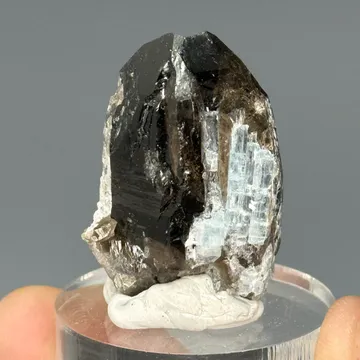
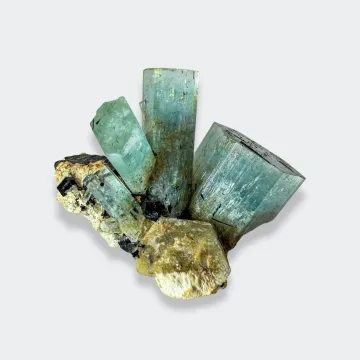
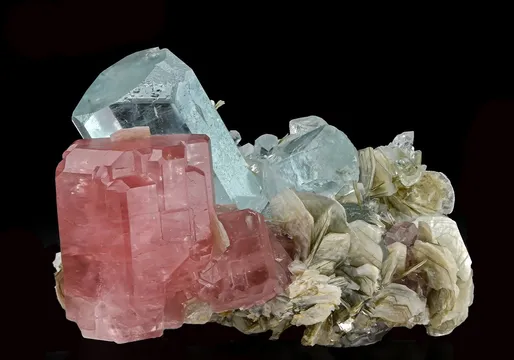
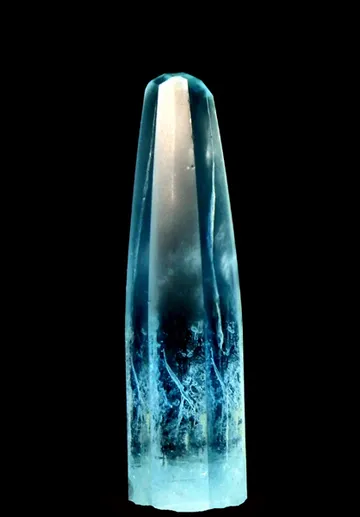
Aquamarine is the sea-blue to blue-green gem variety of beryl (Be3Al2Si6O18). It is beloved for its serene hues, glassy luster, and elegant hexagonal prisms that can range from slender “pencils” to stout, gemmy columns. Colors span from pale sky-blue to the saturated “Santa Maria” blues that define the most desirable tones. Aquamarine commonly forms in granitic pegmatites and alpine-type veins; crystals can be superbly transparent, sometimes virtually “water-clear,” or subtly included with silky veils or growth tubes that catch the light. On matrix, aquamarine pairs beautifully with snow-white albite, silvery muscovite books, inky schorl tourmaline, or smoky quartz, creating striking contrast.
Collectors value aquamarine for its purity of form, clarity, and calm yet captivating color. Top-quality crystals—saturated in hue, sharply terminated, and displayed on aesthetic matrix—are centerpieces in any display. The market spans from affordable single crystals and thumbnails to world-class matrix specimens from Pakistan, Brazil, Namibia, or Colorado that can command five- to six-figure prices.
Aquamarine has been prized since antiquity, but its modern collector prominence was cemented by classic 19th- and 20th-century finds in the Urals and Brazil, and by the flood of superb pegmatite specimens from Pakistan and Afghanistan in recent decades. The species has broad appeal: beginners can acquire attractive single crystals at modest cost, while advanced collectors chase rare saturated blues, perfect terminations, or dramatic matrix compositions.
Benchmark localities set the standard: Pakistan’s Shigar–Skardu region for hyper-gemmy, textbook crystals; Brazil’s Minas Gerais for large, clean prisms including the famed “Santa Maria” blue from Itabira; Namibia’s Erongo for sculptural matrix pieces with smoky quartz and feldspar; and Colorado’s Mount Antero for iconic American aquamarines with alpine provenance. While production ebbs and flows, aquamarine’s enduring popularity lies in its consistent availability at many levels coupled with the occasional show-stopping pocket that ignites the market.
While aquamarine occurs worldwide, certain districts produce specimens that define quality and aesthetics for the species. Below are celebrated sources with characteristic styles prized by collectors.
The Shigar Valley (near Skardu, Gilgit-Baltistan) has become the modern benchmark for aquamarine. Crystals are often ultra-clear, sky- to ocean-blue, and sharply terminated, typically perched on snow-white albite with muscovite, schorl, or smoky quartz. Many are “textbook” hexagonal prisms with mirror-bright pinacoid terminations; others show delicate etching from late hydrothermal fluids, adding sculptural interest without dulling luster. The finest Shigar pieces combine top clarity with vivid color and elegant composition on matrix, making them highly competitive in advanced collections.
Chumar Bakhoor produces superb, often thicker aquamarine prisms—frequently water-clear—with flat, lustrous terminations. Matrix associations include cleavelandite (albitic feldspar), muscovite, and occasionally fluorite or smoky quartz, yielding refined, high-contrast arrangements. Colors are typically pale to medium blue; when saturation and clarity converge, these specimens exemplify why Northern Pakistan is considered a global epicenter for fine aquamarine.
Erongo aquamarines are renowned for aesthetics: sky-blue to blue-green crystals rising from white orthoclase/albite, with black schorl and smoky quartz adding dramatic contrast. Many show beautifully striated prism faces and crisp, glassy tips; mild etching can impart a frosted elegance without sacrificing form. True, unrepaired matrix examples with balanced arrangements are highly desirable and embody the “look” of Namibia’s modern classics.
The Urals’ Murzinka Mine is a classic European aquamarine locality dating back to the 18th–19th centuries. Specimens tend to be stout, pale- to medium-blue prisms, sometimes lightly etched, on feldspar and smoky quartz. While not always as saturated as Brazilian or Pakistani material, Murzinka aquamarines carry strong historical appeal and often show authoritative crystal form—ideal for a “type-example” of beryl from the Urals.
Zambezia has emerged as an important modern producer, yielding slender to robust aquamarine crystals that are frequently very clean. Colors run from blue-green to straight blue; many crystals are loose (true matrix is scarce), and the best combine limpid interiors with crisp terminations and attractive zoning. Production is sporadic but significant, and high-quality single crystals from Zambezia are increasingly represented in contemporary collections.
Madagascar’s Itremo region hosts extensive pegmatites producing blue to blue-green aquamarine. Many crystals display attractive etching and silky clarity, with associations of feldspar, quartz, and mica. Colors are typically softer than the top Pakistani or Brazilian blues, but refined form and graceful matrix arrangements make top Itremo specimens excellent value and aesthetically pleasing additions.
Color
Clarity and Luster
Crystal Form and Termination
Matrix and Composition
Condition
Aesthetics
Repairs and Restoration
Polishing
Heat Treatment
Maxixe/irradiation
Composites
Handling
Light and Color Stability
Temperature and Environment
Cleaning
Storage
By focusing on color, termination quality, clarity, and composition—while minding condition and provenance—you can build a refined aquamarine suite ranging from classic Urals and Brazilian pieces to the gemmy modern marvels of Pakistan and Namibia.