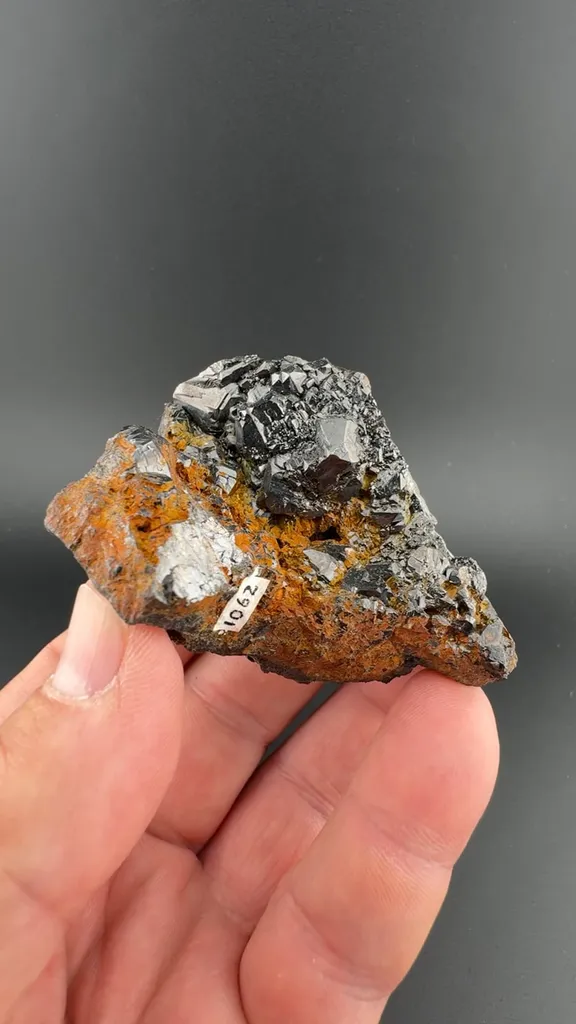
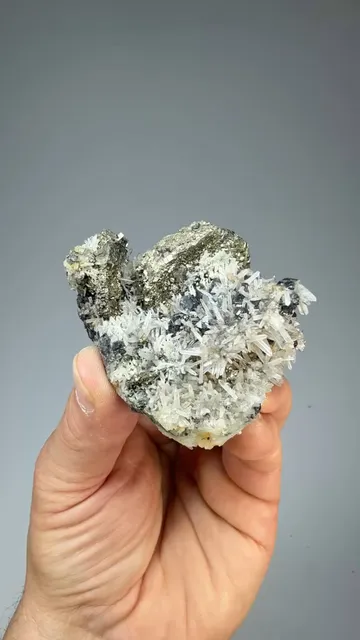
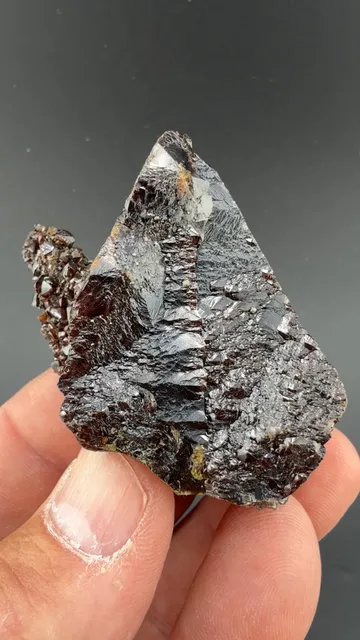
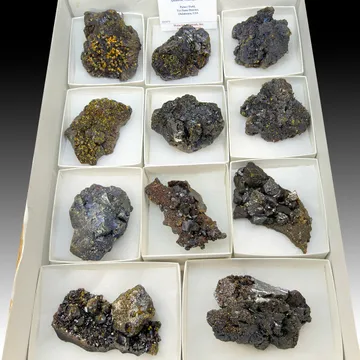
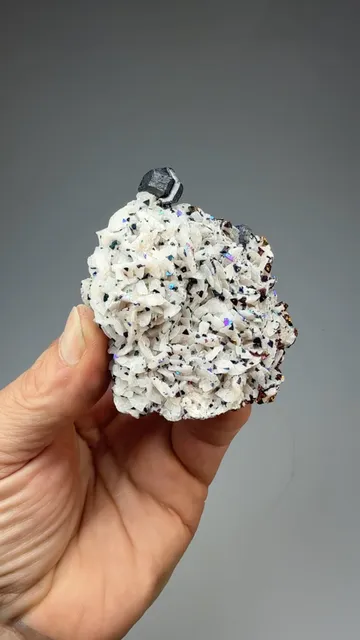
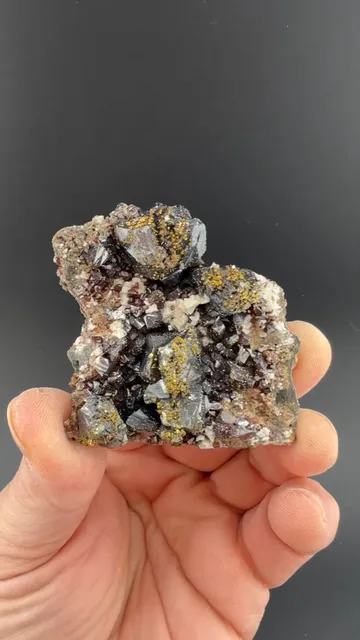
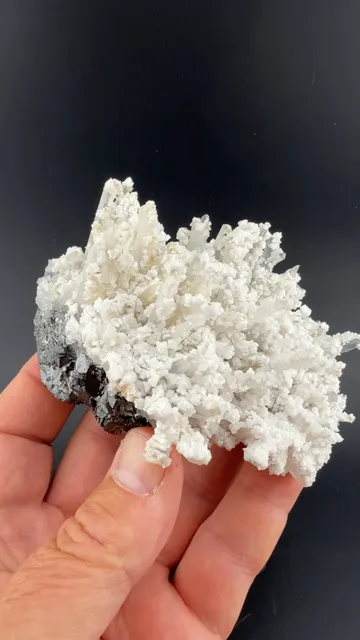
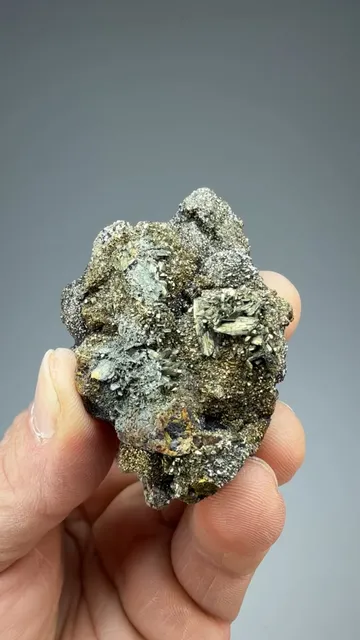
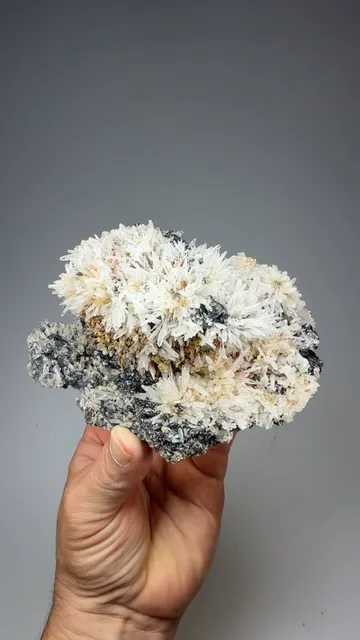
Lustrous black crystals of sphalerite to 1.0 cm in size on matrix. In good condition.
The Smallcleugh Mine in Nenthead, Cumbria, England, had its primary access horse level driven around 1770, expanded significantly under the London Lead Company starting in 1787, discovered its rich flat ore deposits in 1796, and ultimately ended regular underground commercial production in the early years of the 20th century, around 1920, though minor reprocessing and exploration occurred later. Geologically, the mine is renowned for its extensive flat replacement deposits formed within the Carboniferous Great Limestone through metasomatic alteration by mineralizing fluids, yielding significant concentrations of galena and sphalerite along fault-controlled structures within the North Pennine orefield.



 Ships from USA
Comments