Willemite — fluorescent zinc silicate with UV glow; daylight colors range from colorless to pistachio, iconic from Franklin–Sterling Hill and Tsumeb.
Key facts
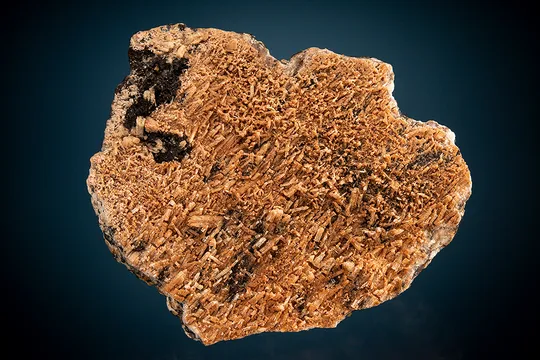
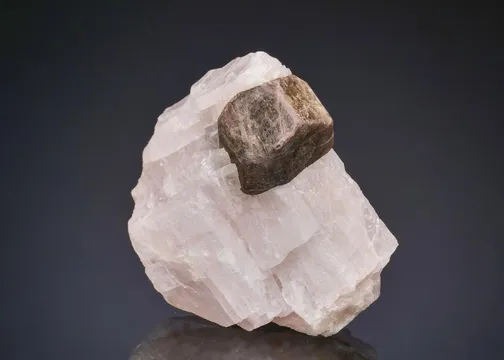
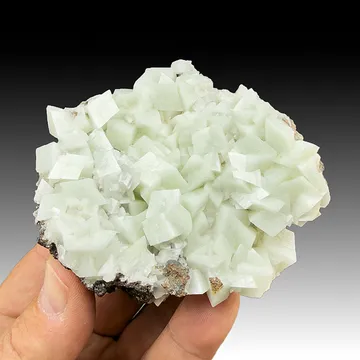
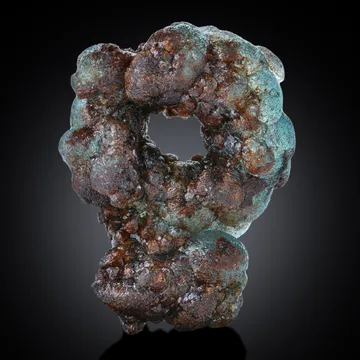
Willemite (Zn2SiO4) is a zinc silicate prized by collectors for its brilliant green fluorescence under shortwave UV light and, at times, striking crystal forms. In daylight it ranges from colorless to white, honey-brown, pistachio to apple green; in UV it typically explodes into neon green due to Mn2+ activators, sometimes with an afterglow (phosphorescence). Crystals are trigonal, occurring as prismatic or acicular crystals, radiating sprays, botryoidal crusts, and stalactitic forms depending on locality. The Franklin–Sterling Hill district (New Jersey) yields the world’s most iconic fluorescent willemite, often intergrown with red-fluorescent calcite and black franklinite—classic “Christmas” pieces. Other top localities such as Tsumeb and Berg Aukas (Namibia) produce elegant crystals and aesthetic spray clusters rarely matched elsewhere. Because it bridges two passions—fine crystallography and fluorescent mineral collecting—willemite remains a cornerstone species in many advanced collections.
Few minerals have a following as dedicated as willemite’s in the fluorescent community. The Franklin–Sterling Hill district created a culture of UV collectors: combinations of bright-green willemite with red calcite (and sometimes purple hardystonite or orange clinohedrite) are museum staples and gateway pieces for new enthusiasts. Meanwhile, Tsumeb’s lustrous apple-green crystals and Berg Aukas sprays attract aesthetics-focused collectors who may or may not collect under UV. Demand spans macro showpieces to micromounts, and pricing is equally broad: common massive NJ ore (great for UV demos) is affordable, whereas sharp Tsumeb crystals or delicate Berg Aukas radiating groups on contrasting matrix can command strong prices. Provenance matters—historic Franklin/Sterling Hill labels, well-documented Tsumeb pockets, or old Berg Aukas pieces from the heyday add premium value. Overall, willemite’s cross-appeal—daylight beauty and UV drama—keeps it perpetually popular.
Franklin is the world capital of fluorescent willemite. The metamorphosed zinc ore produced massive and veinlet networks of willemite intimately intergrown with red-fluorescent calcite and opaque franklinite, yielding the quintessential “Christmas colors” under shortwave UV. Many specimens display intense, even green fluorescence with strong phosphorescence after the lamp is switched off. In daylight, material ranges from white to tan and brown, occasionally greenish, with distinctive ore banding. While euhedral crystals are uncommon here, the visual drama comes from contrasting fluorescent colors and bold patterning in sawn or natural pieces.
Collectors look for: high brightness and evenness of the green response, pleasing patterning of willemite vs. calcite/franklinite, multi-color combinations (additions like purple hardystonite or orange clinohedrite are major bonuses), and historic provenance. Franklin remains the benchmark for fluorescent display specimens and educational sets.
Just south of Franklin, the Sterling Hill Mine (Ogdensburg) produced a parallel suite of classic willemite-calcite-franklinite ores, often with striking stringers and breccia textures. UV response is typically vivid green for willemite and red for calcite; some pieces show zoned or mottled willemite networks that create dramatic “lightning” patterns under SW UV. Sterling Hill also yielded combinations with rarer fluorescent minerals, making tricolor or even four-color plates possible.
Collectors favor bright, evenly fluorescent willemite, interesting ore textures, minimal cutting (natural faces sought after), and well-documented mine-zone provenance. The Sterling Hill Mining Museum continues to anchor the lore and availability of these revered fluorescents.
Tsumeb produced some of the finest willemite crystals known: lustrous, transparent to translucent apple-green prisms, sprays, and botryoidal or stalactitic forms on contrasting matrix. Associations with smithsonite, cerussite, mimetite, and quartz amplify aesthetics. Many Tsumeb willemites fluoresce bright green under SW UV (responses vary by generation), and the best combine clean crystal faces, good size, and balanced composition on matrix.
Collectors value sharp, unetched terminations, saturated green color in daylight, and attractive pairings—e.g., apple-green crystals on snow-white smithsonite or drusy quartz. Because mining ceased decades ago, top Tsumeb willemites are coveted and increasingly scarce.
Berg Aukas is renowned for elegant radiating sprays and jackstraw clusters of slender willemite crystals, typically colorless to pale green in daylight but highly fluorescent under SW UV. These sprays, often perched on dark matrix or associated with descloizite and smithsonite, create superb contrast and sculptural form. Many pieces are delicate; intact geometry and minimal damage significantly elevate value.
Collectors seek: symmetric sprays with distinct individual crystals, strong fluorescence, and stable, attractive matrix. Berg Aukas material bridges the aesthetics of fine crystallography with the spectacle of fluorescence.
Fluorescence and Color:
Crystal Form and Aesthetics:
Clarity, Luster, and Condition:
Associations and Provenance:
Size vs. Quality:
Repairs:
Enhancements and Fakes:
Handling:
Light and UV:
Temperature and Environment:
Cleaning:
Storage and Display:
By focusing on brilliant fluorescence (especially under shortwave UV), crisp crystal forms where available, classic associations, and sound condition, you can assemble a willemite suite that impresses in both room light and under UV—few minerals deliver such a captivating dual display.