Hemimorphite: hydrated zinc silicate with colorless blades and blue botryoids; forms in zinc-oxide zones, with famed localities and collector appeal.
Key facts
Hemimorphite is a hydrated zinc silicate that forms in the oxidation zones of zinc deposits and captivates collectors with two very different aesthetics: dazzling, colorless-to-white sprays of lustrous bladed crystals, and velvety botryoidal crusts in shades of sky to electric blue. The name derives from its hemimorphic crystal structure—opposite ends of a single crystal can terminate differently—though in practice most sculptural “sheaf” clusters read as elegant, fan-like bursts. The species ranges from microscopic druse to large stalactitic and flowstone masses; blue specimens are often caused by trace copper phases or inclusions that impart a robin’s-egg hue.
Fine hemimorphite is both sculptural and textural: sharp bladed fans look like natural fireworks, while botryoidal and stalactitic pieces offer soothing color fields and satiny luster. Because it forms in complex gossans, associations with limonite, smithsonite, mimetite, cerussite, calcite, and aurichalcite can add contrast and context. Prices vary widely—classic white sprays are accessible, but iconic sky-blue Chinese botryoids and exceptional Mexican or Namibian crystal clusters can command strong premiums.
Hemimorphite has surged in popularity in the 21st century, thanks largely to vivid blue Chinese discoveries (Wenshan and Qinglong) that redefined the species’ look for a new generation of collectors. At the same time, historic sources like Ojuela (Mexico), Příbram (Czech Republic), and Tsumeb (Namibia) remain pillars of the species, producing timeless white to colorless crystal fans and thick stalactites with a museum pedigree.
Collectability stems from diversity: one species offers two aesthetic “lanes”—brilliant bladed crystals and soothing blue botryoids—making it easy to build a varied suite. Blue color is highly desired and can drive demand, while classic white fans from famed districts remain perennially sought, especially on contrasting gossan matrix or in association with mimetite or smithsonite. With plentiful mid-range choices and an elite tier of large, undamaged, vividly colored or dramatically composed specimens, hemimorphite appeals to beginners and connoisseurs alike.
Below are notable, well-documented sources of fine hemimorphite with strong reputations among collectors.
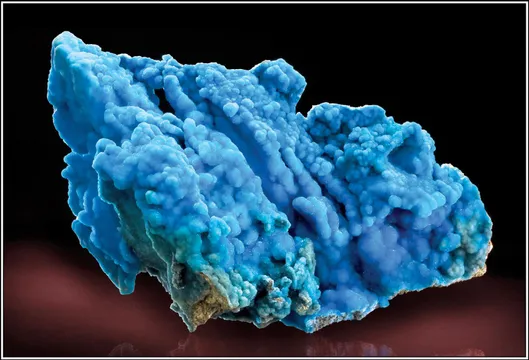
Wenshan transformed hemimorphite collecting with intensely colored botryoidal, stalactitic, and flowstone material in eye-catching sky to electric blue. Many pieces display a fine, sparkling microcrystalline surface atop undulating forms, often contrasted by brown iron-oxide gossan. Production peaked in the 2000s–2010s; the best pieces combine saturated, uniform color, sculptural form, and fresh, unabraded texture.
Collectors prize Wenshan for bold color, smooth botryoidal surfaces, and elegant stalactites. The strongest pieces show even color without chalky patches, crisp “pebbly” luster, and minimal saw marks on the back. Large, undamaged domes and stalactitic curtains are rare and highly valued.
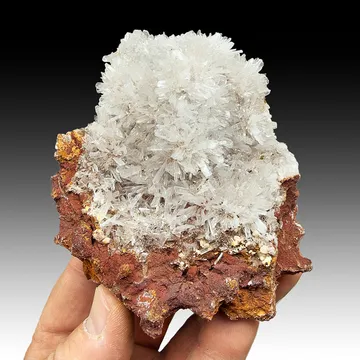
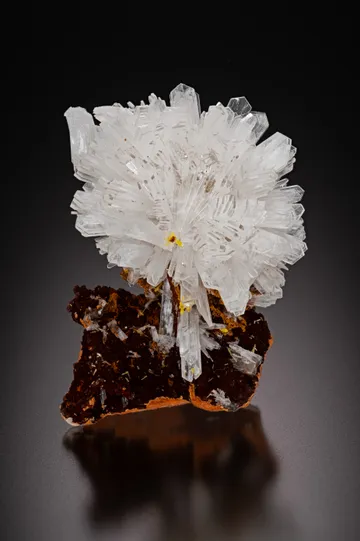
Mapimí’s Ojuela Mine is a perennial classic for hemimorphite, producing brilliant white to colorless bladed fans and sheaves, often perched beautifully on iron-rich gossan. Some specimens form delicate “snowflake” clusters or radiating sprays with glassy luster; others show stalactitic or botryoidal masses, sometimes faintly bluish due to associated copper-bearing minerals.
The best Ojuela pieces combine strong composition, high luster, and pristine terminations. Associations with mimetite, austinite, smithsonite, or calcite add appeal. Large, damage-free sprays on contrasting matrix are showy and remain in steady demand.
Santa Eulalia is renowned for robust, brilliantly lustrous hemimorphite sheaves and rosettes on gossan or limestone matrix. Many pieces present as dramatic sprays with sparkling faces and sharp terminations, often in association with calcite, fluorite, or smithsonite. Good cabinet examples remain relatively obtainable, making this district a cornerstone for anyone building a classic hemimorphite suite.
Top specimens show crisp, damage-free blades with a “wet,” glassy shine and a balanced arrangement on matrix. Large, aesthetic clusters with complementary species are particularly desirable.
Color and Aesthetics
Luster and Surface Quality
Crystal Form and Architecture
Size and Balance
Condition and Repairs
Dyeing and Staining
Glues and Reattachments
Polishing
Hemimorphite is moderately soft and brittle (Mohs ~4.5–5) with perfect cleavage and delicate habits. Handle with care.
Handling and Display
Light, Heat, and Environment
Cleaning
Storage
By focusing on color integrity, surface quality, crisp form, and sound condition—and by buying from reputable sources—you can assemble a hemimorphite suite that spans the species’ dual personality: elegant, high-luster crystal fans and tranquil, intensely blue botryoidal sculptures.