How to Stop Pyrite Decay (Before Your Pyrite Turns to Dust)
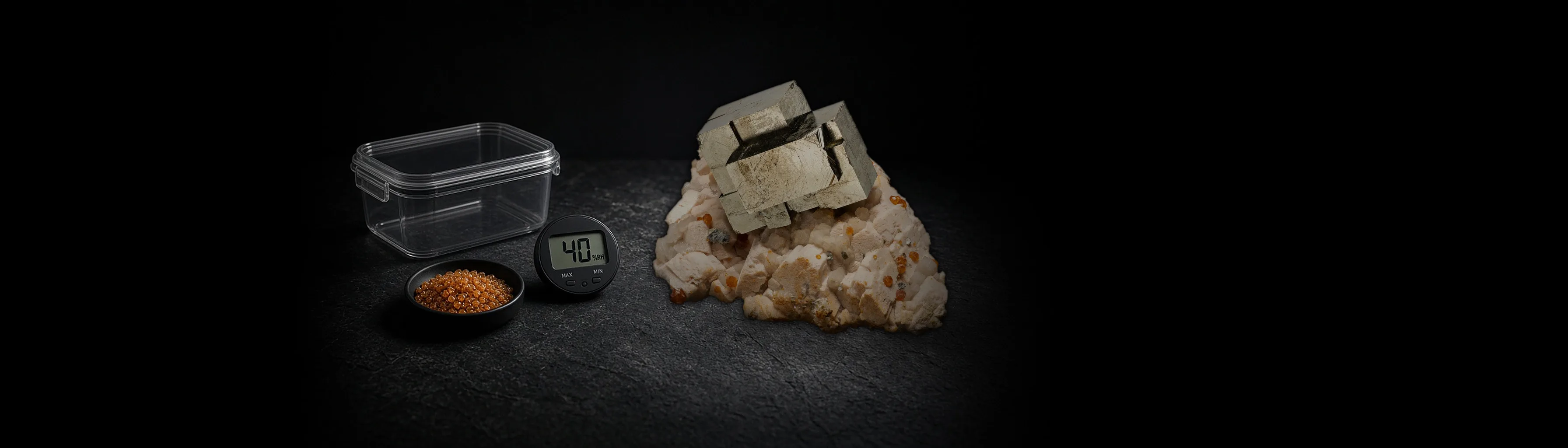
White powder, a whiff of sulfur, a crack that wasn't there last year: pyrite decay is a chemical reaction with oxygen and moisture, not a disease. Caught early and stored correctly, most specimens can be saved. Here's how to recognise it, what to do first, what museums do, and how to make sure it never starts. By EarthWonders Team · Oct 08, 2026
How to Protect Light-Sensitive Minerals (Before the Damage Shows)
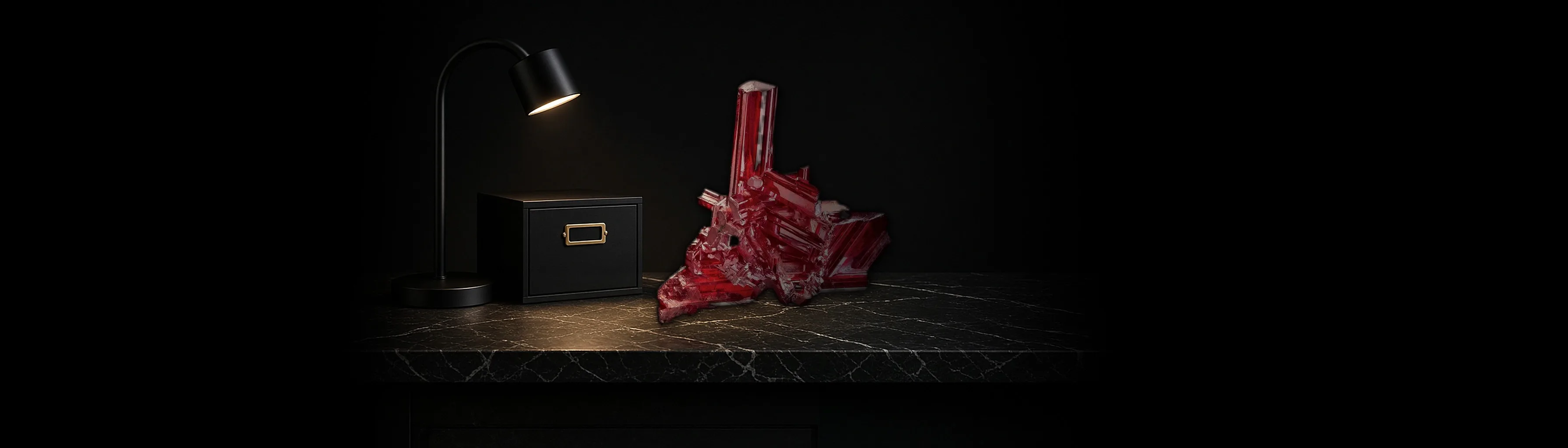
Most minerals don't care about light, but a few fade, darken or fall apart, and the damage builds up without you noticing. Here's which species are at risk, ranked by how solid the evidence is, plus storage and lighting rules that keep them as you bought them.By EarthWonders Team · Oct 08, 2026 How to Clean Minerals by Type (And the Cleaners That Quietly Ruin Them)
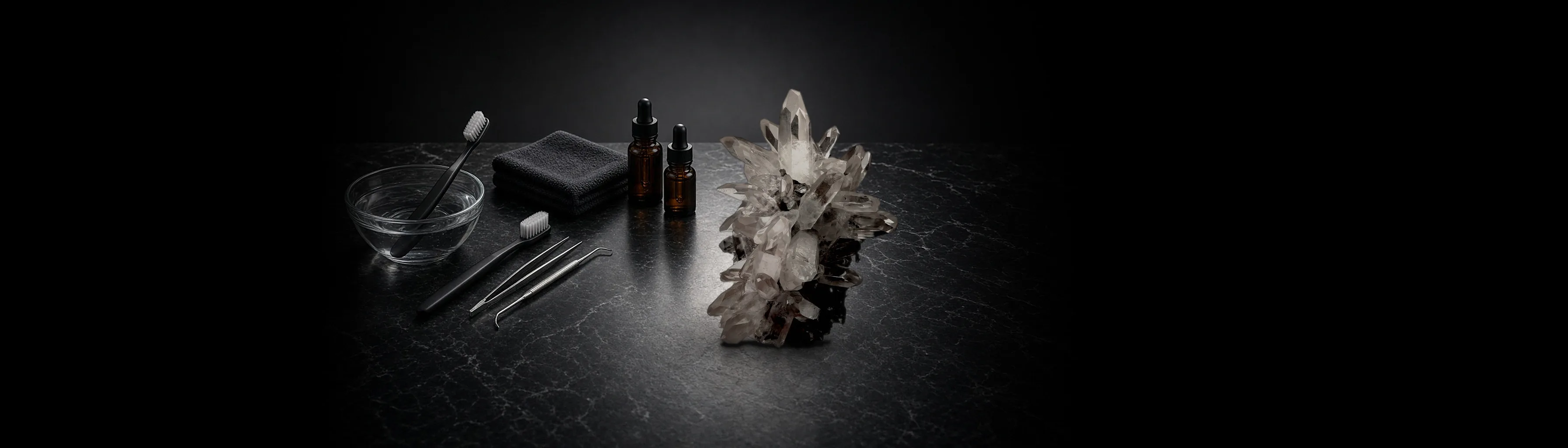
There is no cleaner that's safe for every mineral. Each one helps some species and damages others, and most specimens combine several. Here's what each common cleaner does, how to treat nine mineral groups, and the chemical mistakes that hurt people as well as specimens.By EarthWonders Team · Oct 08, 2026 How to Remove Dust from Mineral Specimens (Without Breaking a Single Needle)
Dust is the problem every collector has, and the one most likely to tempt you into damage. A tap or a can of compressed air feels like the obvious fix, and for many specimens it's the worst one. Here's the safe order, which minerals can be washed and which never can, and how to stop dust building up in the first place.By EarthWonders Team · Oct 08, 2026 How to Care for Mineral Specimens (Because No Two Need the Same Thing)
Most specimen damage comes from well-meant care: a rinse, a dab of vinegar, a sunny shelf. The fix is knowing which group your specimen belongs to. Here's how to sort your collection by sensitivity, the safe order for cleaning, how to dust, handle, store and display each kind, and a quick-reference table for 20 favourites.By EarthWonders Team · Oct 08, 2026