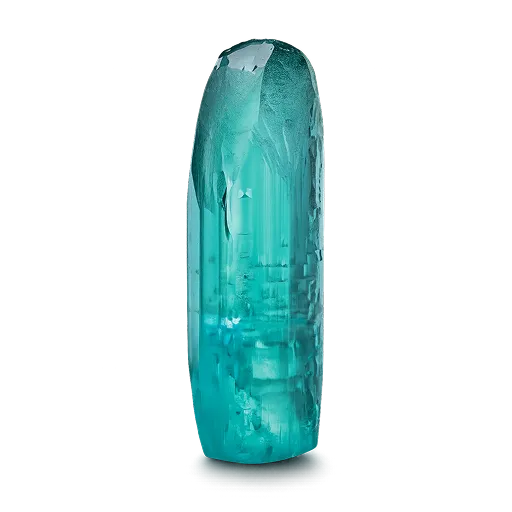
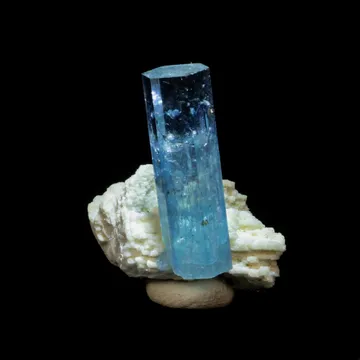
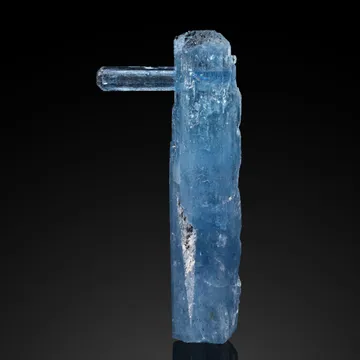
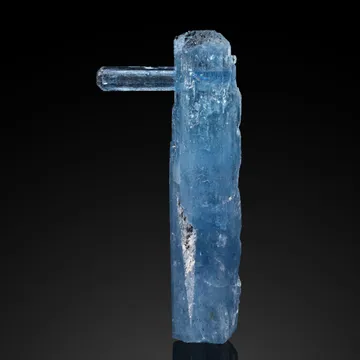
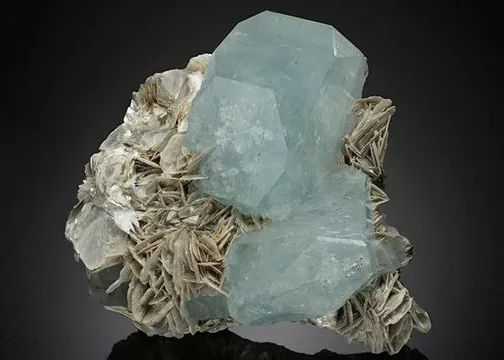
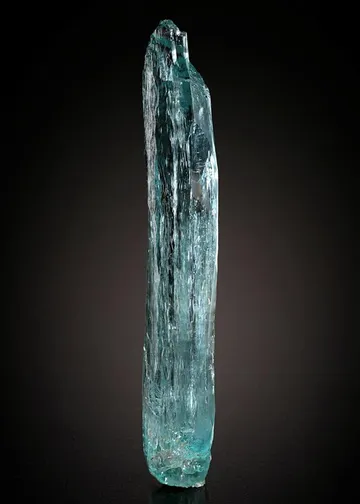
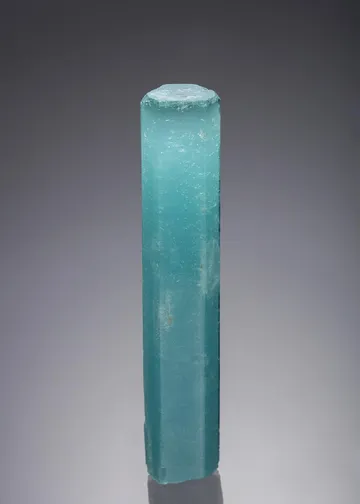
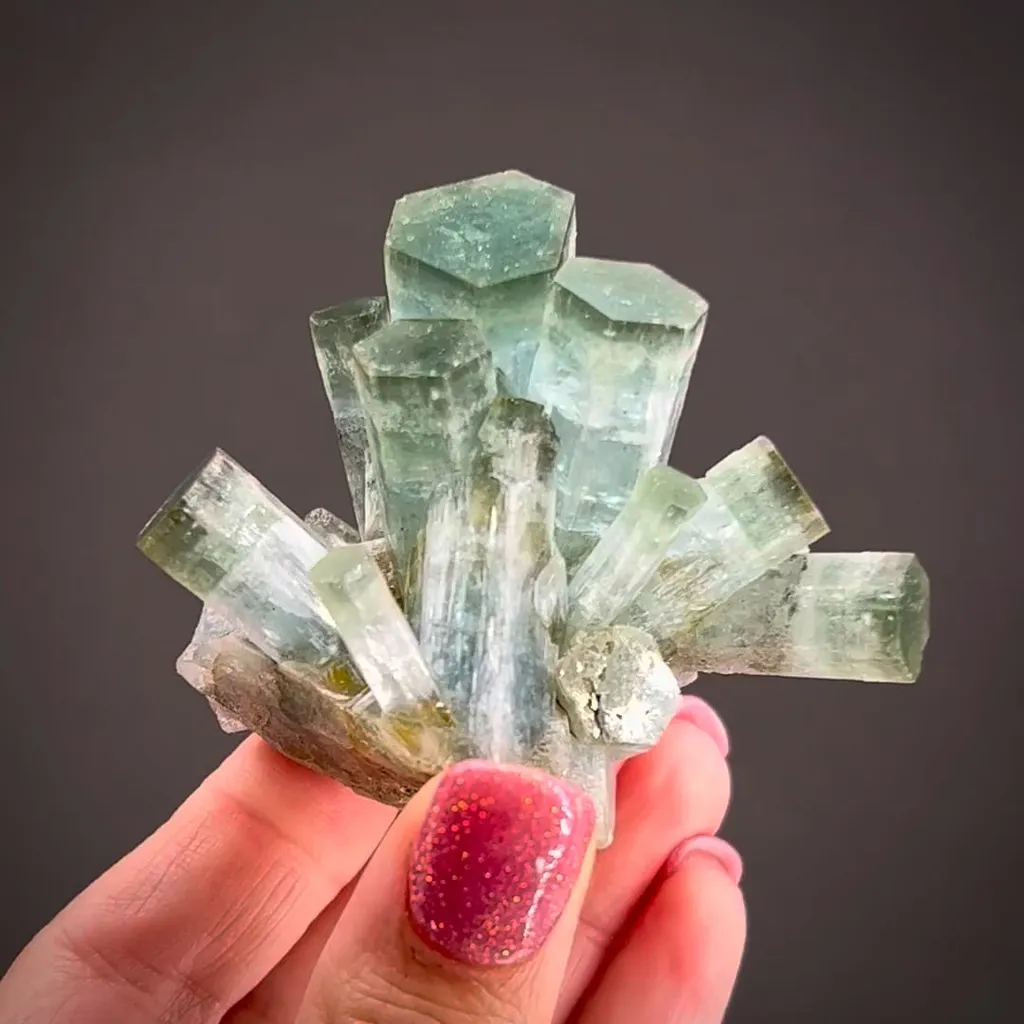
Beryl var. Aquamarine with Heliodor - image 1
specimen video

Beryl var. Aquamarine with Heliodor

Help improve this record

No owner is registered for this specimen yet. If it's yours or you know more about it, you can add the owner, provenance, publications and other details.

Sign in to contribute
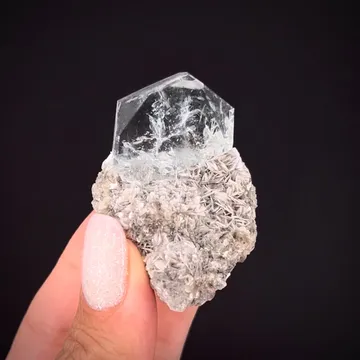
While beryl from Erongo isn't unusual in the form of blue aquamarine, these bicolored beryls certainly are unusual for Namibia or ANY locale. This fine specimen came out of a famous pocket of the early 2000s, and is exceptional for the geometry, quality, and condition. Also, it has lustrous terminations, whereas many were dull. The majority of the flat-topped crystals are blue aquamarine, but the top couple of millimeters on each crystal dramatically alter to a moss green hue (which many people call heliodor, even though it is probably more accurately described as green beryl). The color contrast of the terminations of this pocket is unique in the mineral world, and they have been bought and sold at a premium for nearly 15 years now. No more of this style came out. This is among the best in size class, for quality, condition, aesthetics (and we handled many of them when we bought Charlie Key's collection circa 2010, to compare). This was most recently in the Namibian collection of Marshall Sussman.
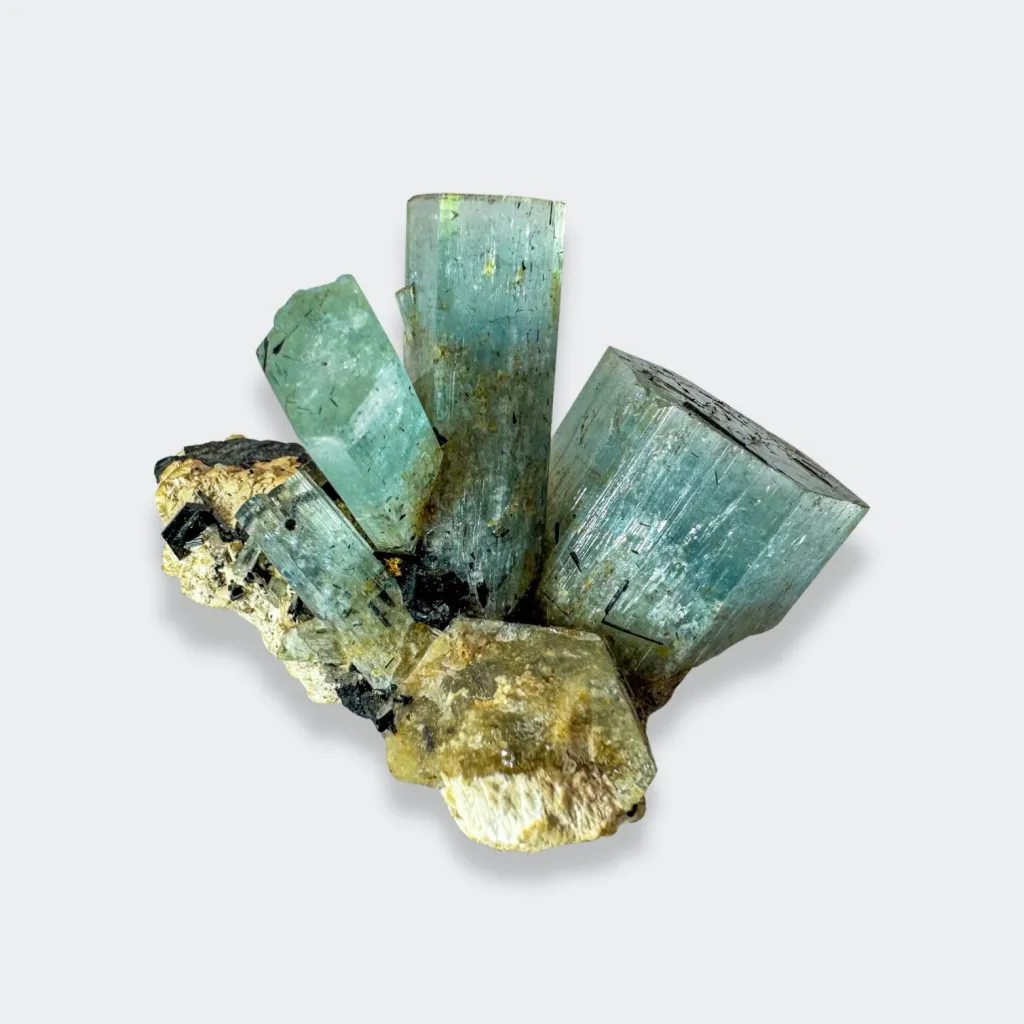
Product details

SizeSmall Cabinet
Dimensions6.4 x 5.7 x 4.1 cm
Added on12/02/2024
Current owner
Unknown Owner
Acquired
Aug 2024
Previous owners
DateCollectorAcquisition price
—The ArkenstoneNot disclosed

Learn more

Aquamarine
Mineral guide
Learn about Aquamarine
sea-blue to blue-green beryl; forms in pegmatites and alpine veins; prized for color, clarity, and dramatic matrix specimens.
Aquamarine
Regional guide
Aquamarine from Erongo Mountains, Namibia
from Erongo Mountains, Namibia - blue beryl in crisp prisms atop black schorl, forming miarolitic pegmatite pockets; a collector's locality.
Locality guide
Erongo Mountains
A collector's guide to Erongo Mountains, Namibia: its geology, mining history and notable minerals, illustrated with the 1326 specimens documented from this locality on EarthWonders.