Franckeite
Unknown Owner
Help improve this recordNo owner is registered for this specimen yet. If it's yours or you know more about it, you can add the owner, provenance, publications and other details.
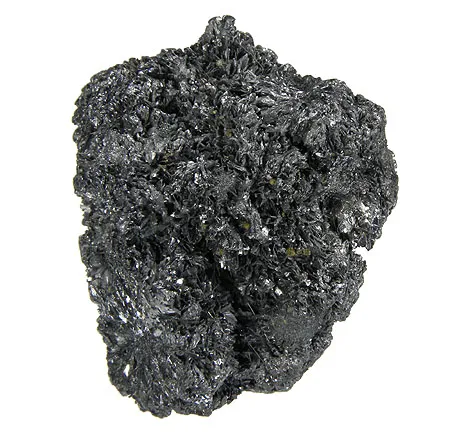
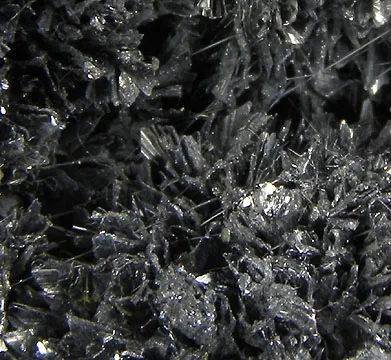
This specimen is over 60 years old and was part of one of the best finds of the material right after the end of WWII. Only a handful of good specimens made their way to the United States, and well crystallized are few and far between. This is one of the rarest sulfosalts in the world. This specimen is a very rich, very rare, crystallized specimen of the triclinic lead, tin, iron, antimony sulfosalt Franckeite consisting of small bladed crystals forming spherical aggregate. This species belongs to the only group of minerals that forms in naturally "round" or "cylindrical" shaped crystals. This piece was from Richard Kosnar's well known Bolivian Collection, and the label indicates that it was once in the collection of the father of Bolivian Mineralogy, Federico Ahlfeld.
Product details
SpeciesFranckeite
SizeMiniature
Dimensions3.9 x 3.3 x 2.8 cm
Added on10/23/2024
LocalityBolivia, Potosí, San Jose Mine
Known provenance
| Date | Collector | Acquisition price |
|---|---|---|
| 08/2024 | Unknown Owner | Not disclosed |
| — | The Arkenstone | Not disclosed |
Learn more
Mineral guide
Learn about Franckeite
, a rare micaceous lead-tin-antimony sulfosalt, forms layered rosettes and curved plates; Bolivian origin and texture make it collectible.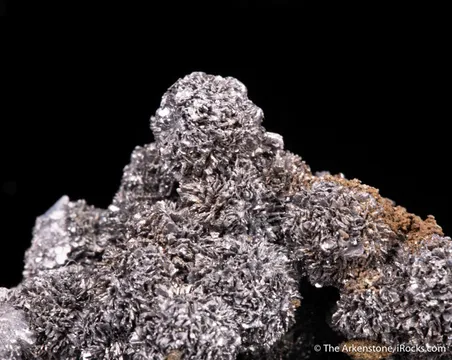
Regional guide
Comments