






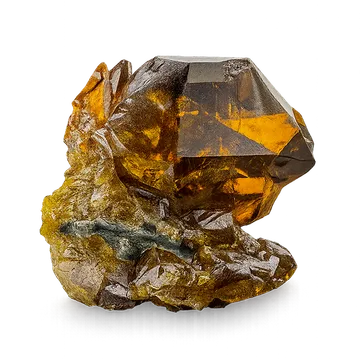
墨西哥奇瓦瓦州奈卡矿区 - 以黑色、有光泽的闪锌矿晶体(常见二方晶面)与铅辉铜矿、黄铁矿及萤石共存而著名,是收藏者的重要产地。
Key facts
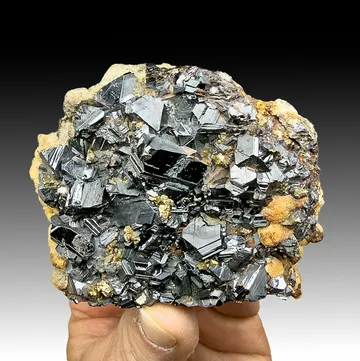
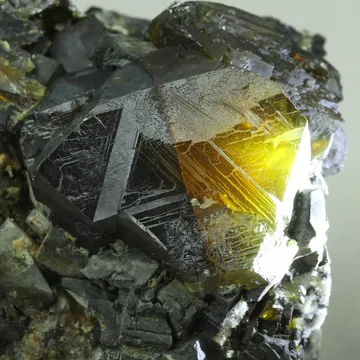
Naica 的闪锌矿是经典的墨西哥硫化物材料:sharp(锐利)、有光泽、铁质富集的黑色到非常深棕色的 ZnS,通常与方铅矿、黄铁矿、方解石、石英以及让矿物收藏者们闻名的淡绿色到无色的氟石并列成对晶体出现。它并非西班牙透明、琥珀色的切割闪锌矿,也不是 Elmwood 的琥珀色方解石-闪锌矿组合;Naica 的最佳闪锌矿更暗、更具建筑感,常呈现出有阶梯状或几何形状生长的光滑面。

照片: 维基共享资源
该产地的身份与其地质学密不可分。Naica 是一个碳酸盐置换与砂岩矿化相关的银-铅-锌-铜体系,位于白垩纪石灰岩中,由花岗岩质侵入体和结构通道供给并定位。从收藏家的实际角度来说,这意味着闪锌矿并非作为孤立的奇观形成:它属于一个坚硬、空腔丰富、复金属的组合体,在那里 sulfides、方硅酸盐、氟石、石英、方解石、硬石膏和石膏记录了一个长期的热液系统。
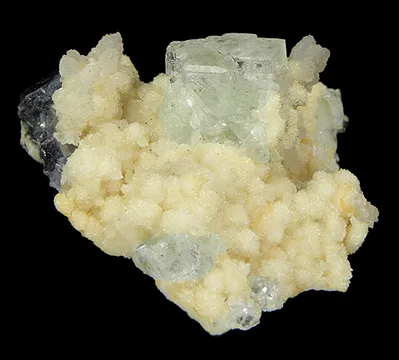
矿井的世界声誉来自巨型长石晶洞,尤其是在 2000 年发现的水晶洞穴,但同一矿区的矿物系统也提供了早期柜式的硫化物标本。出色的 Naica 闪锌矿具有可辨认的外观:黑色、有光泽、成对晶体;晶面清晰的切割面;与亮丽的方铅矿或黄铁矿相伴;在最理想的组合中,绿色或无色的氟石位于深色硫化物之中。对收藏家而言,这种对比是记忆中的画面:以黑色闪锌矿为锚点,以金属光泽的方铅矿作对比底色,黄铁矿带来火花,方解石作为浅色点缀,氟石则作为透明的建筑性中心。

照片: 维基共享资源
寻找标本: 查看墨西哥 Naica 矿区的所有闪锌矿标本
Naica 位于锯齿山脉锡切瓦县萨乌希略自治区城市 Naica 镇南南东偏南方向的 Naica 山脉。该矿是一个大型地下多金属系统,最适合描述为以石灰岩为载体的 mantle 与 chimney 替代沉积,伴有重要的角闪岩发育。主要的矿石金属包括铅、锌、银,较少的铜,历史上还有钨在石英脉带中被发现。
地质框架为白垩纪碳酸盐序列,主要为石灰岩,伴有粘土质泥岩和白云岩。热水改造的碱性岩脉和岩墙切割碳酸盐岩,帮助定位矿化。经典的 Naica 描述将“mantos(覆层)”和“chimneys(烟囱状结构)”区分开来,尽管当地用法可能让人混淆:富含角闪石的碳酸盐-硅酸盐体常被称为 mantos,而大规模的硫化物替代体则被称为 chimneys,即使几何形状并不严格像烟囱。对收藏者而言,重要的一点是闪锌矿属于替代-角岩化系统的硫化物阶段,而非简单的开放脉。
矿产组合以黄铁矿、方铅矿、闪锌矿为主,伴随较少的辉铜矿、砒霜矿、磁黄铁矿、钼辉矿,以及该区报道的几种罕见的硫代锑酸盐。萤石、石英、方解石和阿多拉石在硫化物与硅酸盐矿石中的裂隙晶体中也存在。这解释了常见的标本组合:黑色闪锌矿伴方铅矿和黄铁矿;闪锌矿带有方解石;在最具墨西哥美学的情形中,闪锌矿与绿色到无色萤石共生。
Naica 的采矿历史始于1794年的发现,逐步由小规模矿区发展成为墨西哥重要的铅-锌-银矿之一。现代正式开发始于二十世纪初,随后由佩尼奥莱斯公司掌控。矿区重要性使得 Naica 标本流传国际市场数十年,尤其是萤石-方铅矿-闪锌矿的组合以及黑色双晶闪锌矿群。
现代收藏形势受工业矿业与水资源限制。Naica 不是一个公开的采集地点。矿区在 2015 年 1 月 1 日经历了异常的入水量激增,随后在同年晚些时候佩尼奥莱斯无限期暂停运营,经过长期排水努力未能将矿山恢复到可作业水平。因此,当代标本的供给大多来自旧有收藏、经销商库存,以及偶有转售,而不是来自稳定的新产出。该地区最著名的“发现”并非闪锌矿脉,而是方解石洞穴。剑洞在二十世纪初被发现,产出似剑状的透辉石晶体;晶体洞在2000年左右深度约300米时遇到,里面存在巨型方解石晶体,其规模在普通收藏者的体验中前所未见。这些洞穴对闪锌矿收藏者来说具有重要意义,因为它们赋予纳卡亚神话般的地位,但不应将其与普通的赋存于多金属化合物中的脉洞和空洞混为一谈——在那里,闪锌矿、萤石、方铅矿、黄铁矿、石英和方解石进入了矿物市场。## Naica 矿区(墨西哥)闪锌矿的特征
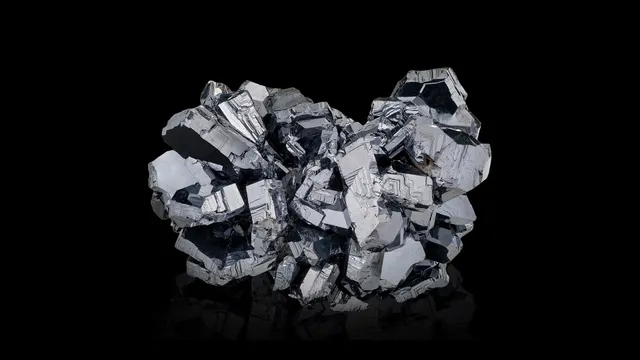
Naica 闪锌矿通常外观较暗且富铁:黑色、漆黑或非常深的棕色,新鲜晶面呈亮丽的树脂状至半金属光泽。单个晶体常被描述为有孪生现象,优质样品显示清晰的改形晶面,而不是粗糙的块状体。阶梯状生长、骸骨状表面纹理以及几何形态标记,在较好的标本上可见。
最好的独立闪锌矿件通常是小型柜式标本,孪生晶体突出,常在1至4厘米范围。经验证的经销商和博物馆样品包括在以方解石为主基质的晶体周围约1厘米的孪生晶体、在小型柜件上约2.2厘米的清晰黑晶、以及以孪生晶体为主的约4厘米的旧材料。微型至小型柜式标本是市场的常见规格;较大柜板上若晶体完好且相互独立的闪锌矿晶体并不常见。
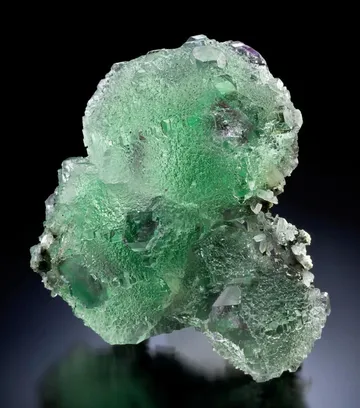
关联物种是该产地吸引力的核心。方解石常见,有时在黑色闪锌矿上和周围形成白色或淡色晶体。石英可能形成晶体基质,闪锌矿散布其上,并伴随少量方黄铜矿或银晶粒。黄铜矿是常见伴生矿,可能以改形的立方十二面体晶体或孪生的金属形态出现。黄铁矿增加金属光泽的辉煌与对比度。萤石是高品位的关联矿:绿、无色或色带分区的晶体,与黑色闪锌矿和金属硫化物共同形成最易识别的 Naica 组合。
品相首先以晶体清晰度与光泽来评判。具有暗淡、磨损或块状表面的 Naica 闪锌矿,远不如晶体锐利的孪生晶面与反光面那样受欢迎。第二是成分:带有吸引力的方解石的闪锌矿是经典,但带有萤石、银矿和黄铁矿的闪锌矿具有更强的产地特征。第三是状态。这些是来自正在运行的地下矿井的硫化物标本,接触点、背部断裂、边缘擦伤和袋壁损伤很常见。若标本在展示面干净,但背面受损,若主晶体仍然完好,仍然可能成为有力的收藏品。
颜色通常不是这里的主要因素。Naica 闪锌矿以黑色光泽与形态而著称,不以透明度或宝石色见长。如果某标本在 promotion 中被主要宣传为明亮橙色、红色或透明宝石级闪锌矿,应对产地进行批判性评估,并与西班牙、保加利亚、中国及其他更知名的宝石闪锌矿产地进行比较。## Collector Notes
Naica 锌铅闪萤石有售,但最佳材料大多为老料。由于矿井在2015年洪水后停产,收藏者应预期大多数好 piece 会带有较早的经销商标签、收藏来源或拍卖历史,而非当前矿区标签。“老材料”、“Ex collection”以及1970s–1990s 样式的标签在此地区是可信的,但标签仍应仔细阅读,因为“Naica”有时被用于区内、镇区,或邻近有名的工作区的宽泛称呼。
最理想的标本具备三点特征:清晰的黑色双晶锌铅闪萤石、良好的陈列取向,以及典型的共生关系,如萤石、方铅矿、黄铁矿、石英或方解石。单个黑色闪萤石双晶若具有光泽且无损伤,亦非常具吸引力;若Naica板上的闪萤石是玻璃状、色带分区或摆放得当,组合起来可能更有价值。对一些 Naica 标本而言,能够在紫外线下发荧光的方解石是一个不错的附加,但不应以此替代基本标本质量。
状态问题是可预见的。闪萤石具有优良的解理与中等硬度,因此晶边和突出的角部很脆弱。方铅矿的共生会增加重量并进一步对解理敏感。黄铁矿在许多 Naica 标本中通常稳定,但任何含硫化物较多的标本应干燥存放并关注氧化,尤其是若来自潮湿储存。方解石可能被挤压、蚀刻或劈裂;萤石在边缘和角落可能碎裂。在 Naica 的组合标本中,应用放大镜观察高点,而不仅仅以整体的亮光来判断。
没有广泛引用的 Naica 特定锌铅闪萤石处理或假冒问题定义该地。主要的真实性担忧在于归属错误和标签过于宽泛。带有黑色双晶闪萤石并伴有方解石、方铅矿、黄铁矿、石英以及绿色或无色萤石的组合符合 Naica 的描述,但在许多多金属矿床也会出现类似的深色闪萤石共生。可信的 Naica 标本应具有合情合理的集合组合、旧的或经销商可识别的标签,或可追溯的来源轨迹。对仅标为“Naica Cave”材料的标本尤需特别谨慎:著名洞穴是石膏环境,并非获得闪萤石标本的常规采集源。
在市场中,具有代表性的 Naica 锌铅闪萤石标本仍可定价适中,尤其是带黑色晶体在方解石或石英上的小柜台级标本。优质双晶晶体、强烈的萤石共生以及具备老收藏来源的标本更具竞争力。地名虽增添趣味,但闪萤石的品质仍然决定一件标本是仅有 Naica 标签,还是真正的 Naica 标本:清晰度、光泽、美观以及损伤程度。## 故事与野外笔记
Naica 是那種地下礦體與傳說交織在一起的地方之一。礦井從石灰岩中開採鉛、鋅與銀;收藏家記得萊姆石、閃鋁石、閃鋁閃、黃鐵礦、方解石與石英;更廣泛的公眾則記得一個如此敵對又如此美麗的洞窟,彷彿虛構。
第一個著名章節來自「劍洞」,在二十世紀初被發現。它位於後來的水晶洞之上,裡面有劍般的石膏晶體,足以自身成為轟動。許多 Naica 的長期收藏中晶燿水晶(selenite)被廣泛或浪漫地歸於劍洞,但礦井內包含多個含晶腔,標籤也未必跟上複雜的地下地形。
偉大的現代篇章出現在 2000 年 4 月。深入 Naica 礦井,礦工開挖新巷道時闖入一個收藏家櫥櫃無法準備的空間:充滿巨型透明石膏光束的洞穴。關於發現礦工的名字各有說法,但這一刻在嚴肅的文獻與報導中是一致的:一條新隧道、一個深層、石灰岩中的虛空,以及如此巨大的晶體,以至於把礦井變成了一座地質大教堂。
這個洞室的大小大約像一間小房間,而非巨大的洞穴,但其中的尺度卻呈現奇異的變化。晶體不是手工樣品;它們是光束、柱和刃。報導稱晶體長度可達約 11 公尺,重量達數十噸。胡安·曼努埃爾·加西亚-鲁伊斯(Juan Manuel García-Ruiz)著名地稱那裡為「晶體的西斯廷禮拜堂」,這個說法之所以流行,是因為一般的礦物語言在那裡無法自如描述。
美麗自有代價。高溫與潮濕讓洞穴幾乎難以居住。探險者描述走進去像進入一座高爐。早期的一位訪客、攝影師理查德·費舍爾回憶說,幾秒鐘內衣物就被汗水浸濕,敬畏之情很快就可能轉為恐慌。那扇門可能只有三十、四十英尺遠,但在那樣的氣氛中,距離變得危險。沒有保護的話,裡頭的時間以分鐘計;有冰冷水冷的防護服與呼吸裝置,科學團隊可以把極限推得更遠,但從不隨便。
科學解釋與發現同樣難忘。Naica 的巨型石膏在一個水熱系統中水下生長,該系統接近一條無水黃石(硬石膏)向石膏過渡的邊界。約在 58 °C 以上,偏好無水黃石;低於該溫度,石膏變得穩定。洞穴水位於鈣與硫酸鹽能以極慢、穩定方式促成晶體生長的狹窄熱窗中。晶體之所以龐大,不是因為生長速度快,而是因為環境保持出人意料的一致性。当抽水保持矿井干燥时,人们可以进入。当抽水停止,洞穴又可能再次泛滥。这不仅仅是一个保护问题;它是洞穴生命的一部分。排斥人类的水也是晶体形成的介质,也是保护它们免受空气暴露破坏条件的环境。对收藏者来说,这个教训令人谦卑:同一座矿井既产出手掌大小的闪锌矿双晶,也产出在外观和脆弱性方面不适合收藏品交易的晶体。## 矿物学记录与出版物
Mindat 地点页面:Naica 矿区,Naica,Saucillo 区,奇瓦瓦州,墨西哥 — 矿物的核心地点记录、坐标、矿史、地质与参考文献。
Ruiz, J. & Barton, M. D. (1985), “Geology and Geochemistry of Naica, Chihuahua, Mexico,” University of Arizona research record — 关键会议论文,概述矿脉层、烟囱、矽卡岩组合与矿石品位。
Stone, J. G. (1959), “Ore genesis in the Naica District, Chihuahua, Mexico,” Economic Geology, 54(6), 1002–1034 — 区域经典成矿学论文。
Erwood, R. J., Kesler, S. E. & Cloke, P. L. (1979), “Compositionally distinct, saline hydrothermal solutions, Naica Mine, Chihuahua, Mexico,” Economic Geology, 74(1), 95–108 — 液相包裹体与水热溶液研究,相关于 Naica 矿化。
Lofquist, D. J. & Ruiz, J. (1984), “Lithologic and structural controls of limestone-hosted Pb-Zn-Ag mineralization in Chihuahua, Mexico,” OSTI record — 会议摘要,对比 Naica 与 Santa Eulalia 的灰岩宿主矿化控制。
Foshag, W. F. (1927), “The selenite caves of Naica, Mexico,” American Mineralogist, 12, 252–255 — Naica 硒柱洞的早期矿物学记述。
Wikimedia Commons: “Sphalerite-208783.jpg” — 已记载的 Naica 硫锰矿样品,尺寸 4.9 × 3.9 × 2.0 cm,由 Rob Lavinsky 拍摄。
Wikimedia Commons: “Fluorite-sphalerite (Naica, Chihuahua, Mexico).jpg” — 公共展示于卡内基自然历史博物馆的萤石-闪锌矿标本。## 视频与媒体
“Naica: The Crystal Cave”,Apple TV — 关于巨型晶洞及探险所需条件的纪录长片。
“Naica: Secrets of the Crystal Cave,” JustWatch 列表 — 关于 Naica 的晶洞纪录片的流媒体可观看性参考。
“Giant Crystal Cave Comes to Light,” National Geographic — 照片集与文章,介绍晶洞发现与形成故事。
“Giant Crystal Caves Yield New ‘Ice Palace,’ More,” National Geographic — 与洞穴探险、冰冷防护服及后续 Naica 洞穴发现相关的媒体报道。## 进一步阅读与外部链接
Industrias Peñoles: Naica — 官方运营商页面,包含矿业历史、暂缓开采细节、产量数据、产能及矿床类型。
Naica Mine, NASA Science Photojournal — 卫星视图背景与对矿山及巨型石膏晶体洞穴的简要摘要。
National Geographic: “Giant Crystal Cave’s Mystery Solved” — 可理解的解释58°C无水硫酸盐-石膏转变以及巨型长石英晶体的生长过程。
Smithsonian Magazine: “Crystal Moonbeams” — 对2000年洞穴发现以及极端地下条件的生动早期报道。
MDPI Minerals: “Evolution of the Astonishing Naica Giant Crystals in Chihuahua, Mexico” — 关于Naica地质、水文地质、洞穴发育与巨晶研究的开放获取综述。
Wikimedia Commons: Minerals of Naica — 包含Naica方解石、闪锌矿、方解石、银辉矿、黄铁矿、石膏等相关样品的图片分类。
Mineral Auctions: Naica sphalerite example, 2025 auction — 黑色Naica闪锌矿晶体,最大至2.2厘米,伴方解石的市场实例。
Mineral Auctions: Naica sphalerite excellent twin, 2023 auction — 4厘米黑色闪锌矿双晶,伴方萤石与石英的市场实例。
Minfind: Sphalerite with Calcite from Naica — 归档的经销商清单,记录Naica产黑色双晶闪锌矿,至1厘米,伴方解石。


.jpg)