






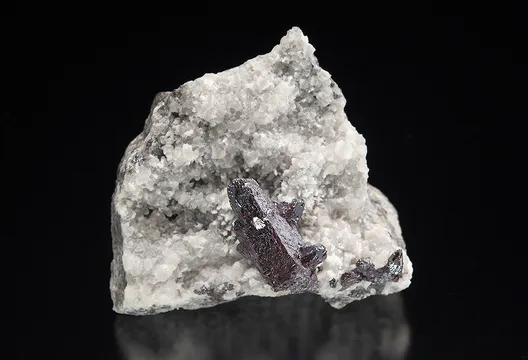
Proustite: ruby-silver trigonal prisms with deep crimson color and gemmy glow; photosensitive, prized for backlit cherry-red interiors and hydrothermal deposit…
Key facts
Proustite (Ag3AsS3) is the legendary “ruby silver,” treasured for its deep crimson color and gemmy internal glow. Under a pinpoint light, fine crystals light up like coals—an effect that has fascinated collectors for centuries. Crystals are typically trigonal prisms with sharp rhombohedral or scalenohedral terminations; habit ranges from slender single prisms to blocky, complex groups and sprays. A silky to adamantine luster and the ability to transmit a pure cherry-red when backlit are hallmarks of quality.
The species forms in low- to medium-temperature hydrothermal silver deposits and commonly associates with the classic silver suite: pyrargyrite, acanthite, stephanite, native silver, calcite, dolomite, and quartz. While truly large, transparent crystals are rare, even millimeter-scale gems can be spectacular under proper light. A crucial consideration: proustite is light sensitive (photosensitive). Extended exposure to bright light causes surfaces to darken or “blacken,” so careful handling and display are essential. With appropriate care, however, its beauty can be preserved for generations.
Few minerals have the mystique of proustite. In the 19th century, iconic European and Chilean mines produced superb “ruby silvers” that became centerpieces of royal and museum collections. These classics set the standard: deep red color, gemmy interiors, and elegant crystallization on carbonate or quartz matrix. In the late 20th and early 21st centuries, renewed interest followed modern discoveries—especially Morocco’s Imiter Mine and Peru’s Uchucchacua—bringing fine micro to small cabinet specimens to market.
Proustite appeals at every level. Beginners are captivated by its red glow even in thumbnail crystals, while advanced collectors chase well-lit, undamaged classics from Freiberg or Chañarcillo, or jewel-like modern crystals perched on bright white contrast matrix. The species’ fragility and light sensitivity add drama: pristine, well-preserved pieces are scarce and command strong premiums. In competitive displays, a perfectly cared-for “ruby silver” often steals the show.
Below are historically and currently important sources known for high-quality proustite. Each locality has an established record of collectible specimens and is represented in many major collections.
Uchucchacua is a modern Peruvian classic, renowned for silver sulfosalts and rhodochrosite. Proustite occurs as micro to small crystals with striking clarity and color, often arranged on snow-white calcite or delicate rhodochrosite blades for exceptional contrast. The best pieces display razor-sharp terminations and that unmistakable internal cherry-red. Most are not large, but their perfection and aesthetics make them favorites with micromounters and cabinet collectors alike.
Notes on distinguishing proustite from pyrargyrite:
Proustite’s beauty can last indefinitely with proper care, but it requires stricter handling than most minerals.
By prioritizing low light, gentle handling, and conservative cleaning, you’ll preserve that incomparable ruby-red glow that makes proustite one of the most magical minerals in the collector’s world.