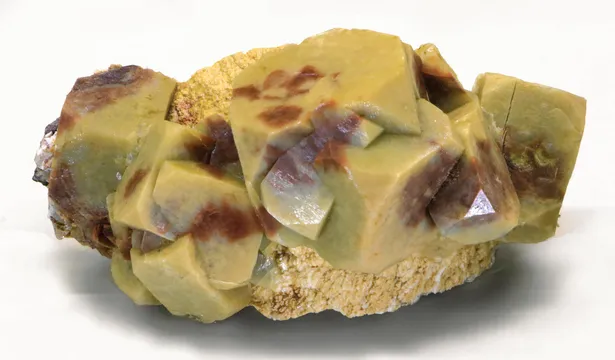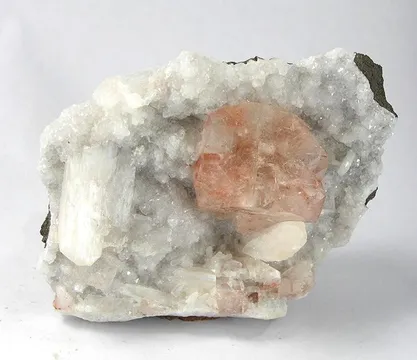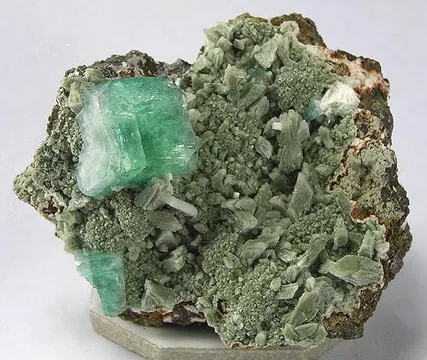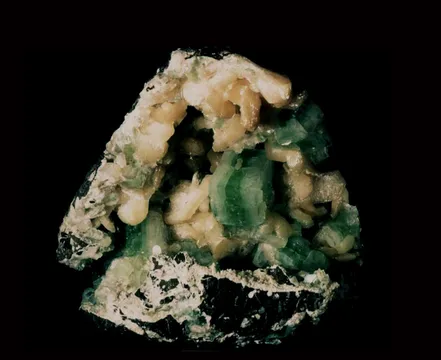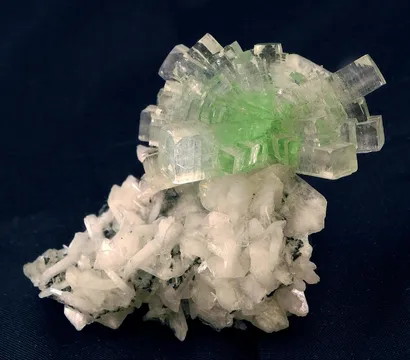
インド、ナシク州 Pandulena Hills 産のパウェライト; デカン・トラップの代表的結晶、黄色から琥珀色の四角晶形、強い蛍光性、コレクターに prized。
Key facts
パンドゥレナ丘陵産のパオライトは、デカン・トラップ標本取引の代表的な希少種のひとつです:CaMoO4、カルシウム・モリブデン酸塩が、通常の小さな付加粒やクリストではなく、鋭く光沢があり宝石のように不透明さを帯びた結晶として、沸石やアポフィライトを含む玄武岩の空洞に乗っています。最良の標本は暖かな琥珀色、麦わら色、はちみつ色、シェリー色、または淡い青みを帯びた色合い、ガラス光沢の顔面、そして結晶の正方晶十二面体のシャープな形状を持ちます。紫外線下では結晶が劇的に明るく発色し、通常は黄色からクリーミーな黄色になり、この産地はデカン産コレクターだけでなく蛍光鉱物専門家にも人気の場所となっています。

産地の setting は西インドのトラップ岩石鉱物学の古典です。パンドゥレナ丘陵、別表記としてパンダブ-レニとも書かれ、マハーラーシュトラ州のネーシクの西南西に位置し、デカン火山州に位置します。標本はデカン玄武岩を掘り抜いた採掘場から来ており、オープンキャビティやアミグダールが後期の流体を招いてゼオライト、方解石、アポフィライト族鉱物を沈着させ、稀にパオライトを含む pockets もありました。地質的な驚きはモリブデンです:デカン玄武岩はモリブデン鉱石ではないため、これらの空洞内でセンチメートル級のパオライトが見られることは、酸化条件下での小規模ながら高濃度の後期熱水イベントを示しています。
この産地の歴史的意義は、1970年代後半にパンドゥレナ丘陵でのインド産パオライトの発見にあり、1982年のミネラロジカル・レコード論文の cluster に記録されています。インドでの発見以前、パオライトは宝石用途のキャビネット標本鉱物として広く評価されていませんでした。パンドゥレナはこの状況を変えました:コレクターは突然、1–3 cm のシャープで透明、蛍光性に富む結晶を手に入れ、大きいものはそれ以上のサイズで、真珠光沢のスティルバイトの刃や淡いアポフィライトの前で展示されることがありました。

コレクターは、完全に表示されたダイアゴナル、研磨されていない先端、明るいガラス光沢、見えるファイス・ストライエーション、良好な透明度、強い紫外線反応、そしてデカン空洞鉱物との自然で乱れのない関連を求めます。最良のパンドゥレナ個体は単なる「インド産パオライト」以上のものであり、サイズ、シャープさ、宝石質、蛍光、トラップ岩の文脈を兼ね備え、ネーシク産パオライトを有名にした産地定義の標本です。## Featured Specimens
Search for specimens: View all powellite specimens from Pandulena Hills, Nashik District, India
Pandulena Hills is a group of hills in the Nashik area of Maharashtra, India, with the mineral locality lying about 8 km southwest of Nashik city on the main Mumbai–Nashik highway. The current place-name spelling is commonly given as Pandav-Leni. A crucial locality point for collectors is that there are twin hills called Pandulena; the powellite-bearing quarries are reported on the hill west of the highway, not indiscriminately across the whole hill group.
The deposit is not a molybdenum mine in the ordinary ore-deposit sense. It is a secondary cavity occurrence in Deccan Trap basalt. The host rocks belong to the immense Deccan Volcanic Province, one of Earth’s great continental flood-basalt provinces. In the basalt flows, vesicles, amygdales, and larger open cavities acted as miniature hydrothermal chambers. First came earlier cavity linings and zeolitic assemblages; later fluids introduced calcite, zeolites, apophyllite, and, rarely, powellite. The most relevant modern model places powellite in the late-stage cavity sequence, with calcite III and apophyllite, after earlier zeolite and chalcedony events.
The quarry history is part of the specimen story. Kothavala’s 1982 account describes nine quarries around the Pandulena hill plus three newer quarries. Mindat’s locality structure recognizes important sublocalities including Aurora Quarry, Jagoda quarry, and Vilholi. Locality photographs from 1986 show Pandulena quarrying already well established by that date, and later collector and dealer records show that material continued to surface intermittently, including notable finds decades after the original discovery.
The productive cavities were opened by quarrying rather than by a purpose-built collector mine. That means specimen recovery depended on quarry faces, blasting, fresh pockets, and the ability of local diggers and dealers to recognize and rescue crystals from the basalt. Collecting access should be treated accordingly: these are quarry localities, not an open public collecting area. Permission, current land status, safety conditions, and local regulations matter, and old labels reading simply “Nasik” or “Pandulena” should be interpreted cautiously unless accompanied by reliable provenance.注目すべき発見は二つの時代にまたがる。1970年代後半の発見は、主要コレクションに入り1982年の文献を引き起こした、古典的な鋭いアンバー色ダイピラミッドを生み出した。後の発見、特にフ fluor apophyllite 上の powellite や stilbite を伴う現代的なポケットは、異なる形状と随伴物を追加した:トゲ状の蜂蜜色の団塊、より尖った結晶集合体、そして powellite と白い方解石のブロック状を組み合わせた標本。したがってこの産地は、従来の古典的スタイル―ゼオライト基質上の単一の大胆な二方錐形―と、視覚的には異なるが Pandulena として認識可能な新しいポケット様式の双方を提供している。## Pandulena Hills, Nashik District, India産 powellite の特性
Pandulena産 powellite は、四角形の二十面体形状から準八面体へと近い結晶が最も知られています。良好な結晶は鋭い終端、筋状の面、ガラス光沢または準金剛光沢を示します。いくつかの個体は単純で力強いピラミッド型、他はより複雑で、複数の二十面体状の面や成長の不均一さを持ちます。 古典的な外観は、クリーム色、白桃色、またはピンクがかったスリブ石(stilbite)の刃から立ち上がる、光沢のある琥珀色または麦わら色のピラミッドです。 その他の検証済み標本は、無色〜わずかに青緑〜薄い緑、シェリ色で無色ゾーンを含むもの、淡黄色、オレンジ、またははちみつ色などです。
支配的な採集サイズ帯は、おおよそ親指の爪サイズ〜ミニチュアサイズです。 記録された標本には、個々の結晶が約1.6 cm、2.3 cm、2.5 cm、2.8 cm、3 cm、3.5 cm、3.8 cm程度のものがあり、4 cm級の大きな例は重要なコレクションで広く見られます。極めて大きなポケット素材は、全体で10 cm程度の標本範囲として記述されており、いくつかの発見から高品質の大型例はごくわずかしか知られていません。種として、鋭い2–3 cmの宝石質Pandulena結晶でさえ相当なものです。
共生物はこの地点の魅力の中心です。Stilbite亜群の鉱物が最も一般的な視覚的相 partner となり、通常はpowelliteの周囲に真珠光沢のある刃、束、またはパステルピンク〜クリームの基質を形成します。フルラポフィライト-(K) およびアポフィライト類の鉱物は、塊状で透明、白、または淡い緑の結晶として現れます。ラウモンサイトはナシックでは重要で、古典的な作品中の白いプリズマ状の断片を形成する場合がありますが、ラウモンサイトは脱水して脆くなる可能性があるため状態上の懸念を引き起こします。カルサイトは最も望ましいPowelliteの組み合わせでは稀にしか現れませんが、PandulenaのPowellite付きカルサイトの親指サイズのサムネイルは、カルサイトが水晶のように透明で損傷していない場合に記憶に残るものです。
UV反応は、現場およびコレクションルームでの最も迅速なチェックのひとつです。Pandulena powelliteは、ショートウェーブUV下で黄色、クリーミーイエロー、または明るい白黄色に蛍光し、長波UV下でも反応する標本もあります。蛍光は、通常は青白い反応を示すスキエライトと区別するのに役立ちますが、重要な購入には機器を用いた検査が依然として望ましいです。
品質は、いくつかの容赦ない要因によって決まります。最高の結晶は、展示面で完璧、透明または少なくとも宝石質の半透明、光沢があり、基質から良好に分離され、自然に座っている(接着や再構成されていない)ことが理想です。面の筋状は、シャープで成長に関連している場合に望ましいです; bruise(打痕)や摩耗と混同してはいけません。色は好みの問題ですが、はちみつ色〜琥珀色、麦わら色、シェリ色の透明感が特に評価されます。基質の違いも重要です:魅力的なstilbiteやapophylliteの巣の中にある鋭いpowelliteは、ばらばらで損傷した結晶よりも一般的に望ましい一方で、過密に成長したり混み合った標本は、科学的には興味深くても視覚的には力強さに欠けることがあります。## Collector Notes
パンデュレナ powellite はクラシックな局地材料ですが、市場にはあまり流通していません。小さな標本や不完全な結晶は時折現れます;美しい母岩に乗った、細かく鋭く宝石のようで損傷のない結晶ははるかに希少です。信頼できる由来の1970年代後半の発見由来の旧 stock ピースは特に望ましく、現代の発見で珍しいアポフィライトの共生を伴うものは、美観が高い場合は強い価値を示します。
最も一般的な状態の問題は先端の損傷です。二出三角晶の形状は端部を脆弱にし、その他優れた結晶でも先端の接触・打撲、側面の割れ間のような欠損、ポケットからの取り付け・取り外し時に背面が損傷したように見える個体が多く見られます。これは自動的に標本を不適格とするものではありません——多くのクラシックは背面の一部が接触していることがあります——しかし損傷は価格に反映され、明確に開示されるべきです。
母岩の状態も重要です。スティルバイトは比較的寛容ですが、ロームォン石は水分を失って湿ったり、保存状態が悪いとチョーク状や crumbly になることがあります。ロームォン石を含む標本は安定した室内湿度を保ち、熱と直射日光を避けて保管してください。アポフィライトは日常的な展示条件ではより丈夫ですが、エッジやコーナーで欠けることがあります。いかなるパンデュレナ作品でも、powellite と母岩の接触を倍率で観察してください。デカン産の価値ある標本には修復が可能な場合があり、旧い修復は UV と拡大鏡を使わないと見分けにくいことがあります。
ダイ染色や熱的強化など、パンデュレナ powellite 市場を定義するような広く報告された局地特有の処理はありません。より現実的な懸念は、誤同定、地域ラベルの過大表示、修復の非開示、組み立て標本です。Powellite の蛍光は有用ですが、単独の証拠として扱うのではなく、鉱物の結晶像、密度、光沢、共生関係、由来とともに解釈すべきです。良いラベルには、既知のときには Pandulena Hills あるいは Aurora Quarry、Jagoda 採石場、Vilholi のようなサブロケーションを特定する表記が望ましく、単に「Nasik」とだけ記された古いラベルは依然として正当である場合もありますが、より正確さには欠けます。
本格的な購入には、自然な基底接触、結晶周囲の未攪乱のゼオライト成長、標本全体にわたる一定の埃やパティナ、隙間の謎めいた接着蛍光がないことを探してください。結晶が修復されているか、母岩が整形または安定化されているか、旧コレクション履歴が入手可能かどうかを尋ねてください。よく知られたコレクションやディーラーへの由来は、特に初期のクラシックピースでは信頼性と価値を高めることがあります。## Stories & Field Notes
パンデュレーナの powellite の物語は、見かけ above deceptively simple な採掘場 setting から始まる: Nashik 近郊の玄武岩丘陵を石材として切り出し、わずかに開くことのある明るい小さな地質的室へとつながるポケットがある。1970年代後半の発見は重要で、1982年に The Mineralogical Record が一連の論考をこの話題に捧げた: まず発見そのもの、次いで Cornelius Hurlbut による鉱物学的ノート、そして大きな結晶の形態に関する詳報。展示物としては地味な付随鉱物として扱われがちだった鉱物にとって、それは地位の顕著な向上だった。
初期標本は多くはなかった。よく文献で記録されたクラシックの一つは、後に Rob Lavinsky によって撮影されたもので、6.4 x 4.2 x 4.2 cm の標本に、2.8 cm 高の琥珀色の powellite がブレード状の stiIbite にセットされている。古い収集の足跡は Bob Jones と George Feist を通り、キャプションには「パンデュレーナ・ヒル由来の1970年代後半の発見素材」と明示されている。これこそが「Nasik 旧来の powellite」と真剣なコレクターが言うところの、シャープで筋状の宝石質のピラミッドが Deccan のゼオライト設定に収まった、種と地点の両方を表すのに十分な標本だ。
別の系統は Australian Museum の Albert Chapman Mineral Collection へと繋がる。 Chapman の収集品は後に Australia 用に購入され、主要な公共鉱物コレクションとして保存されたが、そこには「よく終端され、部分的に透明で、光沢のある 4 x 2 cm の結晶」として記述された Pandulena Hill powellite が含まれていた。これは以前 Ann and Perkins Sams コレクションに属しており、1985 年に Mineral Kingdom から Chapman が購入した。コレクターにとって、そのディテールは重要だ: 1980年代半ばまでには、Nashik 近郊の採掘場の驚きから国際私的コレクションのトップ層へと、 Pandulena powellite はすでに移動していた。
現代のポケットは別の章を加えた。2020年のパンデュレーナ発見は、蛍石和フロラポフライトが unusually 美的な組み合わせを作る powellite を生み出した: 一方にははちみつ色のクラスター、もう一方には凍った氷のような霜降りのアポフィライト結晶のブロック状の結晶、そして以前のマハラシュトラ地方で見られるよりも「尖った」姿の powellite。あるディーラーレコードは、その夏2020年の発見の大半を取得したと記述し、 powellite はしばしば scolecite や calcite と一緒にあることが多いと強調しており、フロラポフライトの結びつきは特に魅力的だった。結果として、1970年代の古いスタイルの繰り返しではなく、新鮮なパンデュレーナ風貌が現れ、同じ玄武岩のキャビティ世界から生まれつつも、独立して際立つものとなった。より後のオークション記録は、2022年の発見が現代のビジュアル語彙をさらに押し広げました:雪のような蛍光を持つ蛍光斜長石 fluorapophyllite 上にとげ状の琥珀色の powellite クラスター、1 cm を超える個々の powellite 結晶、映像で示される強い蛍光。これらの作品は重要です。なぜなら、パンデュレナ Pandulena が単なる古いラベルに保存された使い果たされた古典的産地ではないことを収集者に思い出させるからです。それは、最良の瞬間が不規則に現れ、ポケットごとに現れ、長い静かな間隔の間に現れる採掘区である、ということです。## 鉱物学的記録と出版物
Kothavala, Rustam Z. (1982). “The Discovery of Powellite at Nasik, India.” The Mineralogical Record, 13(5), 303–309. Pandulena/Nashik powellite の基盤となる発見論文。
Hurlbut, Cornelius S. Jr. (1982). “Powellite from Nasik, India.” The Mineralogical Record, 13(5), 310. 発見論文と同号に掲載された鉱物学的ノート。
Embrey, Peter G., and Couper, A. G. (1982). “The Morphology of a Large Powellite Crystal from Nasik, India.” The Mineralogical Record, 13(5), 311–313. 大型 Nashik powellite 結晶の専門的結晶学的解説。
Cook, Robert B. (1994). “Connoisseur’s Choice: Powellite, Pandulena Hill, Nasik, Maharashtra State, India.” Rocks & Minerals, 69(4), 248–250. コレクター向けの Pandulena powellite の鑑賞対象論。
Ottens, Berthold (2000). “Neuigkeiten aus dem Indischen Dekkan Trapp.” Mineralien-Welt, 11(1), 48–62. Pandulena powellite 発生に言及された Dekkan トラップの更新。
Ottens, Berthold, Götze, Jens, Schuster, Ralf, Krenn, Kurt, Hauzenberger, Christoph, Benkó, Zsolt, and Vennemann, Torsten (2019). “Exceptional Multi Stage Mineralization of Secondary Minerals in Cavities of Flood Basalts from the Deccan Volcanic Province, India.” Minerals, 9(6), 351. 丹念な現代論文で、Deccan洞穴中の多段階鉱物生成過程を理解する鍵となる、後期段階 powelliteを含む。
Graham, Lan T., and Pogson, Ross E. (2007). “The Albert Chapman Mineral Collection: Australian Museum, Sydney, New South Wales, Australia.” Rocks & Minerals, 82(1), 29–39. Chapman コレクションにある Pandulena Hill powellite の 4 x 2 cm の記録。
Handbook of Mineralogy: Powellite. Pandulena Hill、 Nashikの南8km地点の異常結晶を指摘する簡潔な鉱物データシート。## Videos & Media
“Powellite, with Stilbite and Apophylite – Pandulena Mts., India” — Fluorescent Mineral Society FMDB — Pandulena powellite の黄色蛍光を示す短波 UV 記録。
“Powellite on Fluorapophyllite (2022 find)” — MineralAuctions / iRocks — 脈状アンバーの powellite がフローラポフィライト上にある現代の Pandulena 発見のオークション映像と UV 応答。
“gem POWELLITE” — Quebul Fine Minerals — Pandulena Hills からの 25 mm のシャリーから無色系ガーネット状 POWELLITE クリスタルの販売者用映像。
Pandulena Hills photo gallery — Mindat — パンドゥレナ山の鉱物全般の広い視覚参照、powellite、stilbite、apophyllite、産地の眺め、現代のポケット材料を含む。
Minerals of Pandulena Hills — Wikimedia Commons — 自由ライセンスの写真、古典的な powellite および calcite-powellite の例を含む。## さらなる読み物と外部リンク
Mindat ロカリティページ:Pandulena Hills, Nashik, Maharashtra, India — 最適なロカリティの枠組み、座標、サブラリティ、鉱物リスト、参考文献、ギャラリリンク。
Mindat 地区ページ:Powellite in Pandulena Hills — 関連鉱物、サブラリティ、文献参照を含む集中記録。
Mindat Powellite 種ページ — 種レベルのデータ、式、分類、局在地、参照文脈。
Mineralogical Record 新巻・第13巻第5号、1982年9月–10月号 — Nasik powellite の発見と形態に関するクラシック論文を含む号。
Ottens 他, 2019年, Minerals: Deccan Volcanic Province 室内洞窟鉱物化 — Deccan 室内洞窟鉱物の現代的地球化学・共生モデル、後期段階の powellite を含む。
鉱物学ハンドブック:Powellite PDF — powellite の簡潔な技術データ、物理的性質と出現ノートを含む。
Wikimedia Commons: Powellite-140358.jpg — Pandulena Hills 産の stilbite 上のクラシックな琥珀色 powellite、標本サイズと産地ノートあり。
Wikimedia Commons: Calcite-Powellite-149188.jpg — Pandulena Hills の calcite 上 powellite のサムネイル標本。
Weinrich Minerals: Pandulena Hills の Powellite — 3.5 cm の無色からやや青緑がかった偽正八面体 powellite結晶の市場例。
MineralAuctions: Nasik地区の Stilbite-Ca 上 Powellite — Nashik powellite のサイズ、蛍光、状態、マーケット言語を示す最近のオークション記録。
MineralAuctions: Pandulena Hills の Stilbite-Ca 上 Powellite — Stilbite を伴う 2.3 cm の淡い金色系偽オクタhedron クリスタルの最近のオークション記録。
Australian Museum ミネラル学コレクション概要 — Chapman コレクションの文脈、Pandulena powellite を含む記録付き。