Magnesite: sharp white rhombohedrons and botryoidal/stalactitic forms, plus Alpine pinolite varieties; prized for contrast, texture, and decorative cabinet app…
Key facts
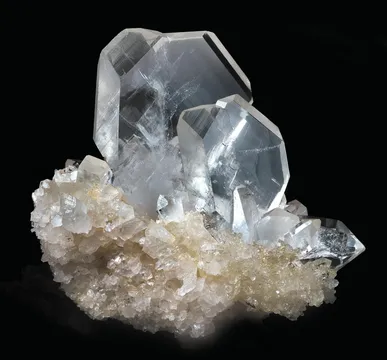
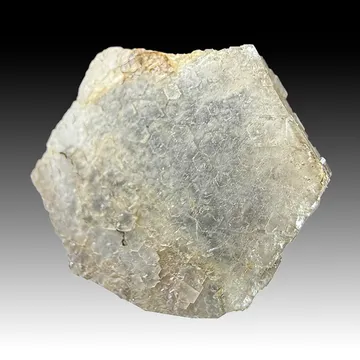
Magnesite (MgCO3) is a carbonate best known to collectors in two very different guises: sharp rhombohedral crystals and sculptural, botryoidal/stalactitic and patterned masses. Well-formed crystals can be striking—glassy to silky white rhombohedra with satiny faces, sometimes intergrown in aesthetic clusters and resting on contrasting dolomite or quartz. At the other end of the spectrum sits pinolite (pinolith), the decorative “pine-nut” stone composed of white magnesite ovoids disseminated in dark dolomite/graphite matrix—an Alpine classic from Austria and northern Italy prized both as a lapidary material and as cabinet-sized natural blocks.
In collections, magnesite offers:
Despite being common as an industrial mineral, fine display specimens are far less common. The best rhombohedra come from select localities, and “designer” associations—such as deep-green uvite tourmaline on white magnesite from Brazil—can be highly coveted.
Magnesite’s popularity rests on variety and aesthetics rather than rarity. The species’ pure white color and satin luster read beautifully in a cabinet, especially on contrasting matrix. Collectors also appreciate the diversity of habits: from sharp rhombs to velvety botryoids and the bold geometry of pinolite. Historic Alpine pinolite enjoys steady demand, with large patterned pieces bridging minerals and decorative arts. Meanwhile, Brazil’s Brumado produced a generation of sought-after specimens pairing crisp magnesite with quartz, dolomite, and accessory uvite tourmaline—matrix pieces with balance and contrast that display exceptionally well. Prices are approachable for typical examples; however, top-tier crystal clusters on elegant matrix, rare stalactitic sculptures with pristine tips, and classic, large, undamaged pinolite slabs command strong premiums.
The Brumado area (Bahia) is the modern benchmark for collectible magnesite crystals. Pockets have produced lustrous to satiny rhombohedra—typically snow-white to tan—ranging from thumbnails to cabinet clusters. Many sit on tan dolomite or glistening quartz druse for superb contrast and composition. The district is also famous for deep-green uvite tourmaline; combinations of uvite on magnesite are among the most sought-after association pieces, as are clean, balanced plates showing multiple untwinned rhombs with sharp edges and silky faces. While production spanned years, truly aesthetic matrix clusters with minimal damage and no repairs remain surprisingly scarce and are prized by collectors.
Styria is the classic home of pinolite (pinolith)—a striking ornamental rock comprised of white magnesite “pine-nut” blebs dispersed in dark dolomite/graphite matrix. Natural blocks can be dramatic sculptural pieces; polished slabs reveal intricate black-and-white patterns reminiscent of abstract art. Well-formed magnesite crystals are unusual in this environment, so collectors seek either eye-catching natural boulders with excellent contrast and rhythm or refined slices showing crisp, high-contrast patterns. Historically significant in Alpine geology and lapidary circles, high-quality, large, undamaged pieces are surprisingly hard to source today.
By focusing on crisp form, bright color, minimal damage, and strong contrast, collectors can assemble a magnesite suite that ranges from elegant Alpine patterns to modern Brazilian showpieces—each underscoring the surprising diversity and beauty of this understated carbonate.