フルオロアパタイト コレクターズガイド
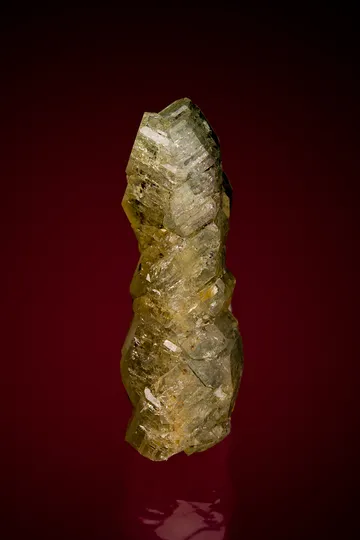
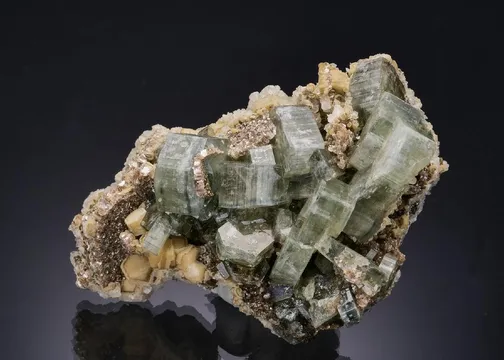
フルオロアパタイト (Ca5(PO4)3F) はアパタイト族の fluorine 优勢メンバーで、世界中のペグマタイト、スカルン、熱水脈における重要種です。その結晶は通常、六角柱状で平坦な端部または錘状の終端を持ち、ガラスのように澄んだものから緑、青、黄、ピンク、紫、茶色に彩られた豊かな色調まで幅広く見られます。優れた標本は明るいガラス光沢、シャープな形態、そして際立つ関連鉱物を示します。例えば、白雲母アリブサイト、金属光沢のある arsenopyrite(砒鉄鉱)、煙水晶などの間に緑色のプリズムがはまるような組み合わせです。UV光の下で蛍光を示すものもあり、しばしば青白色を帯びます。厚いタブ状から細長いプリズム、ロゼット、球状集合体まで、フルオロアパタイトは収集家にとって驚くべき多様性を提供します。手頃なサムネイル級から有名鉱山のキャビネット級の作品まで、さまざまなサイズと予算で楽しめます。
長年、フルオロアパタイトは優れた結晶形態と活気ある色彩、魅力的なマトリックスの組み合わせを兼ね備えているため、コレクターのお気に入りとして人気を博しています。ポルトガルのパナスカライア鉱山の緑色で帯状の結晶、ブラジルのサポ鉱山の黄緑色のスプレー、中国の黄岡鉱山のロゼット結晶、メイン州の紫色のペグマタイト結晶、スイスのアルペン結晶の宝石品質の結晶などが需要の高さを保っています。色の濃さ、透明度、サイズ、展示方法によって価格は高騰します。たとえば、アーセノフィライトまたは鉄側鉄鉱に載ったシャープで透明な緑色のパナスカライア結晶、チェリーピンクのモロッコ結晶、教科書的なスイスアルプスの結晶などは高価格を得ることがあります。同時に、この種は手頃な価格帯の良品も幅広く存在しており、サイズや予算を問わず入手可能で、フルオロアパタイトは新規および上級コレクターの双方にとって中心的な種となっています。## Top Collecting Localities
Below are several renowned sources for fluorapatite, each with a recognizable style and strong collector appeal.
Panasqueira (Covilhã, Castelo Branco) is the benchmark for green fluorapatite on matrix. Crystals range from pale sea‑green to rich emerald-green, commonly zoned and often gemmy near the tips. They occur with lustrous arsenopyrite, siderite, ferberite (wolframite), muscovite, and quartz, creating dramatic metallic‑green or green‑on‑white contrasts. Classic pieces show sharp hexagonal prisms to several centimeters with mirror-bright luster and flat, glassy terminations; larger crystals can show growth zoning and phantoms. The combination of color, clarity, and association has made Panasqueira fluorapatites among the most coveted worldwide.
Famed for vibrant yellow‑green to green fluorapatite, the Sapo Mine (Minas Gerais) has yielded superb, glassy prisms and radiating sprays on snow‑white cleavelandite and muscovite. Many crystals are highly lustrous and gemmy, with textbook hexagonal cross‑sections and strong display presence even at modest sizes. These pieces are particularly desirable for their saturation and contrast. Matrix clusters can be delicate but striking; single crystals are often exceptionally bright and clean.
## Collector’s Guide
- Color: Saturation and purity drive value. Greens (from mint to emerald), vivid yellow‑greens, and true purples/pinks are most coveted. Panasqueira greens and Sapo yellow‑greens are benchmarks; Aït Ahmane’s saturated pinks and Maine’s lilacs are prized for rarity of hue. Zoning and phantoms can enhance interest if they read well on display.
- Clarity and Luster: Transparent to gemmy sections with bright, vitreous faces maximize visual punch. Many top pieces have at least partial transparency, especially near terminations. Dull, etched, or pitted faces detract unless the habit (e.g., Huanggang rosettes) is naturally frosted and aesthetically compelling.
- Crystal Form: Look for sharp hexagonal prisms with complete terminations, or distinctive habits like rosettes/spheres from Huanggang or classic alpine prisms from Switzerland. Symmetry, clean edges, and well-formed terminations define quality. On matrix, balanced composition and strong contrast (green on white cleavelandite, metallic arsenopyrite backdrops, smoky quartz) add display value.
- Size vs. Proportion: Large crystals are impressive but must retain luster, color, and form. A smaller, razor‑sharp, gemmy Panasqueira crystal can outshine a larger but dull or damaged piece.
- Condition: Tips and edges should be as close to pristine as possible—chips stand out against glassy faces. Many pegmatite specimens are repaired; high‑value pieces often have discrete, professionally executed reattachments. Unrepaired, damage‑free matrix specimens command a premium.
- Fluorescence and Zoning: Some fluorapatites fluoresce (often bluish); while not a primary value driver, it’s a desirable bonus. Phantoms and growth zoning can add interest if they present attractively from the viewing angle.
- Repairs: Common in pegmatites. Inspect for straight, planar join lines, slight misalignments in striations, or glossy glue seams—especially where crystals meet matrix. A longwave UV check may reveal fluorescent epoxy. One invisible, well‑done repair is generally acceptable on significant pieces; multiple repairs should be reflected in price.
- Polished Terminations: Broken tips are sometimes polished to mimic natural pinacoids—these can appear overly mirror‑like and lack subtle growth textures. Compare luster/texture of the “termination” to prism faces under a loupe.
- Chemical Cleaning and Etching: Acid can dull or “frost” apatite and attack calcite/feldspar matrix. Over‑etched surfaces look unnaturally matte or pitted. Prefer pieces with natural luster and minimal harsh cleaning.
- Coatings/Fillers: Rare, but fracture fills or surface coatings may alter sheen. Look for uneven, plastic‑like gloss in cracks, or residues along edges.## Care and Storage
Fluorapatite is moderately hard (Mohs 5) but considerably softer than quartz and most cabinet companions, so treat it gently.
- Handling and Display:
- Avoid rubbing against harder minerals; apatite scratches easily.
- Support matrix specimens from the base; do not handle by crystal tips.
- Use mineral tack or custom bases to secure pieces on shelves, especially in vibration‑prone settings.
- Light and Temperature:
- Colors are generally stable, but avoid prolonged direct sun—some pink/purple hues can be light‑sensitive over long exposures.
- Keep away from heat sources and rapid temperature swings to minimize risk of stress fracturing.
- Cleaning:
- Dust with a soft brush or blow gently with air. For grime, use lukewarm water with a drop of mild soap; rinse and air‑dry.
- Avoid acids (HCl, vinegar) which can attack apatite and common matrices (calcite, feldspar, micas).
- Do not use ultrasonic or steam cleaners; vibrations and heat can cause cracks or loosen repairs.
- Iron Out (sodium dithionite) is often safe for iron staining, but always test inconspicuously and protect sensitive matrix minerals.
- Storage:
- Individually pad specimens to prevent contact with harder pieces; apatite can also scratch softer neighbors (fluorite, calcite), so keep separation.
- Maintain a stable, moderate environment; excessive dryness can embrittle some matrices or mounting putties.
- Label provenance—locality and find period significantly influence desirability (e.g., Panasqueira vs. Sapo vs. alpine clefts).
By focusing on color, luster, crisp form, condition, and strong matrix aesthetics—and by caring for pieces with gentle handling and non‑aggressive cleaning—you’ll curate a fluorapatite suite that showcases the species’ remarkable range from classic greens and alpine jewels to modern Chinese rosettes and rare pinks.