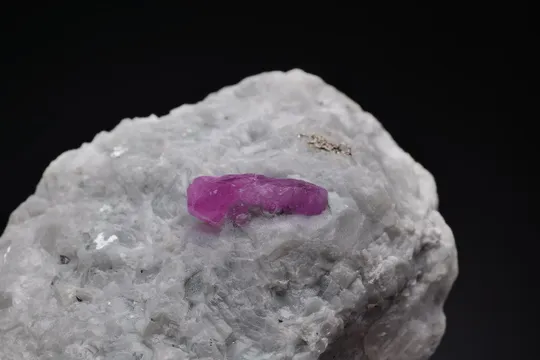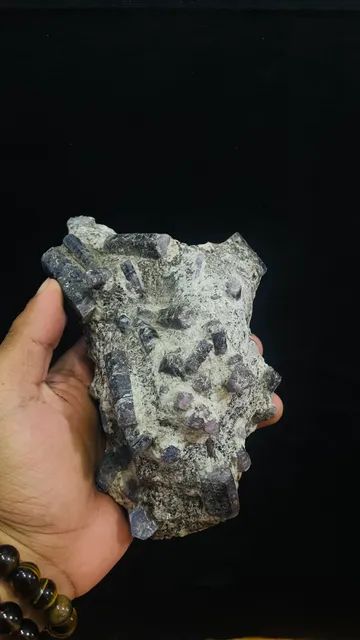
Corundum: iconic mineral with ruby and sapphire varieties; Mohs 9, vivid colors, and sharp crystals; prized for color, form, and provenance.
Key facts
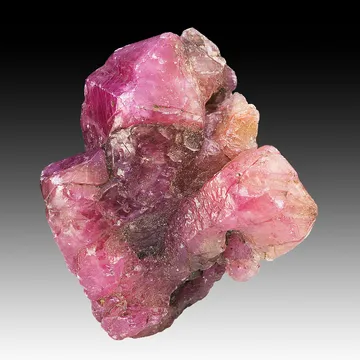
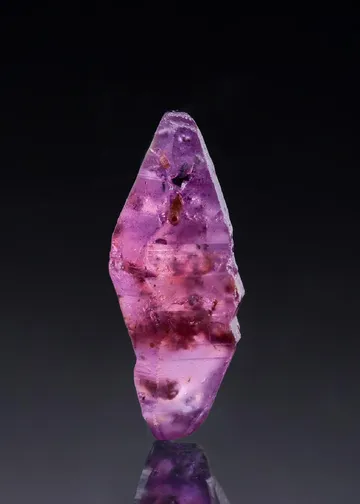
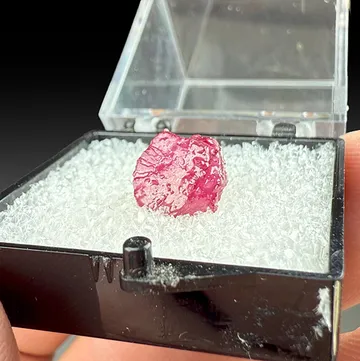
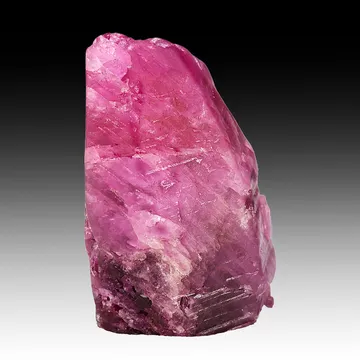
Corundum (Al2O3) is one of the most iconic species in the hobby, famed for its gem varieties ruby (red) and sapphire (all other colors). With hardness 9 on the Mohs scale and a bright vitreous to adamantine luster, corundum forms stout hexagonal prisms and barrel-shaped crystals, often with flat pinacoid terminations. Colors span vivid crimson ruby through royal and cornflower blues, velvety indigo, neon pinks, padparadscha-like pink-orange, golden yellow, green, and colorless. Occurrences range from marble-hosted metamorphic deposits (classic rubies) to alkali basalt fields (prismatic blue sapphires, parti-color crystals), as well as skarn and amphibolite settings. Aesthetically, prized specimens feature saturated color, sharp form, high luster, and, when present, striking associations such as white marble, calcite, apatite, phlogopite, pargasite, or spinel. While faceting rough commands headlines, outstanding natural crystals—especially on matrix—are trophy pieces in advanced collections.
Few minerals command the universal appeal of corundum. As gemstones, ruby and sapphire have been coveted for millennia; as natural crystals, they offer a direct connection to legendary sources like Mogok, Kashmir, and Sri Lanka. The collector market spans widely: affordable opaque ruby-in-matrix to world-class ruby or sapphire crystals from famed pockets. Demand is driven by color first—pigeon’s-blood rubies and pure, saturated blues are benchmarks—followed by form, clarity, and provenance. Historic names (Mogok rubies; Kashmir “cornflower” sapphires; Sri Lankan padparadscha colors; Montana and Australian blues; Vietnam’s Luc Yen; Tanzania’s Winza) ensure enduring interest. Because gem markets often consume the finest material, top-tier uncut crystals, especially on natural matrix and with minimal enhancement, are genuinely scarce and hotly contested.
The “Valley of Rubies” is the most storied ruby locality on Earth. Marble-hosted deposits around Mogok yield saturated, fluorescent rubies (often with a glowing red under UV and daylight due to low iron) plus fine blue, pink, and fancy sapphires. Classic crystals are barrel-shaped hexagonal prisms, frequently embedded in gleaming white marble with accessory spinel, calcite, apatite, and phlogopite. Top specimens show luminous internal “life,” vivid color through the body, and glossy, undamaged terminations. Mogok matrix examples are especially coveted for their contrast and history.
Luc Yen (Yên Bái Province) has emerged as a premier source for both ruby and sapphire in marble-hosted deposits, producing bright red rubies and rich blue to pastel sapphires. Crystals are often sharp and highly lustrous, with excellent translucency to transparency and lively fluorescence in rubies. Choice specimens include ruby prisms set in snow-white marble or clusters of pink sapphire with calcite, recalling some Mogok aesthetics but with distinctly Vietnamese color palettes. Production has been cyclical, and top-quality matrix pieces remain limited.
Discovered in the late 2000s, Winza produced astonishingly vivid, gemmy rubies and fancy sapphires in amphibolite and gneissic rocks. Many crystals show saturated red to pink with excellent clarity, often as prismatic single crystals rather than marble-embedded. The best are transparent with crisp faces and minimal inclusions, a rarity in corundum. Fancy-color sapphires (greenish, yellow, mixed hues) also occur. Fine Winza singles with pristine tips and strong color are modern classics.
Sri Lanka (Ceylon) is famous for sapphires from alluvial gravels—radiant blues, delicate “cornflower,” pastel pinks, and the coveted padparadscha-esque pink-orange hues. Collectors see many waterworn pebbles and rolled crystals, but sharp, unabraded crystals (especially on matrix) are far scarcer. Classic Sri Lankan sapphires often have higher clarity and lighter, bright tones compared to iron-rich basaltic sapphires. Star sapphires and rubies with rutile silk are a notable specialty, prized for asterism under strong point light.
Jegdalek’s marble-hosted rubies are celebrated for their pure, vivid red and strong fluorescence reminiscent of Mogok. Crystals can be sharp and lustrous, frequently present as embedded prisms in white marble, sometimes associated with calcite, phlogopite, and spinel. Fine, undamaged crystals with good translucency and intense color are exceptional and relatively uncommon, making them highly collectible when found.
Color
Clarity and Luster
Crystal Form and Size
Matrix and Associations
Condition
Repairs and Assemblies
Heat Treatment (common in gems, less acceptable for specimens if undisclosed)
Diffusion (notably beryllium in sapphires)
Fracture Filling
Synthetics and Fakes
In summary: ask for disclosure, use a loupe and UV, and buy from trusted sources. Unheated, untreated crystals with original matrix context and strong provenance command premiums.
Handling
Light and Temperature
Cleaning
Storage
With thoughtful selection and proper care, fine corundum specimens—especially natural, minimally altered crystals with classic provenance—will anchor any collection with color, history, and enduring prestige.
Aesthetics