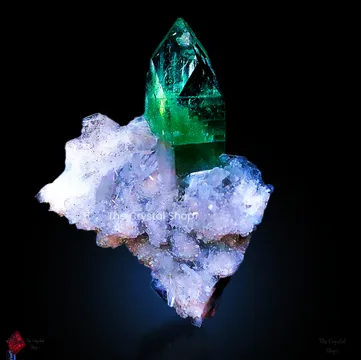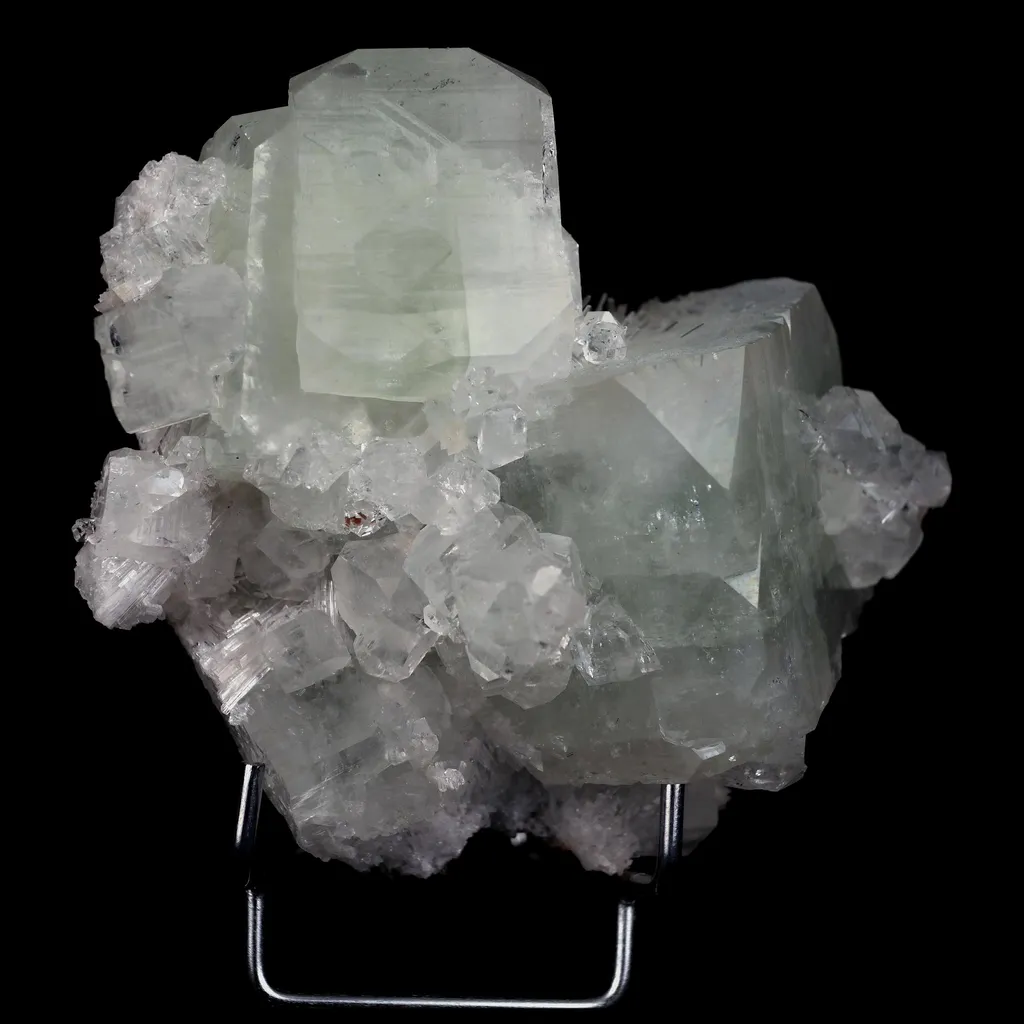
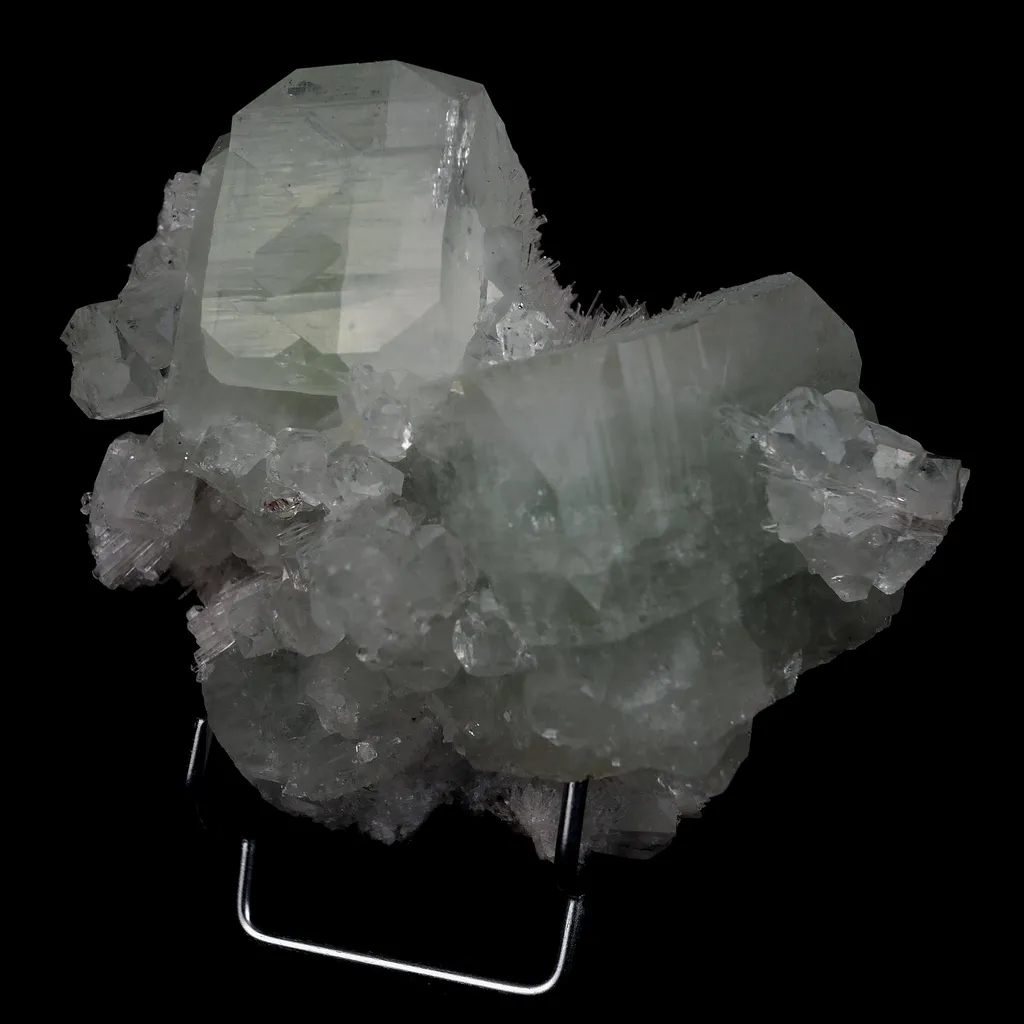
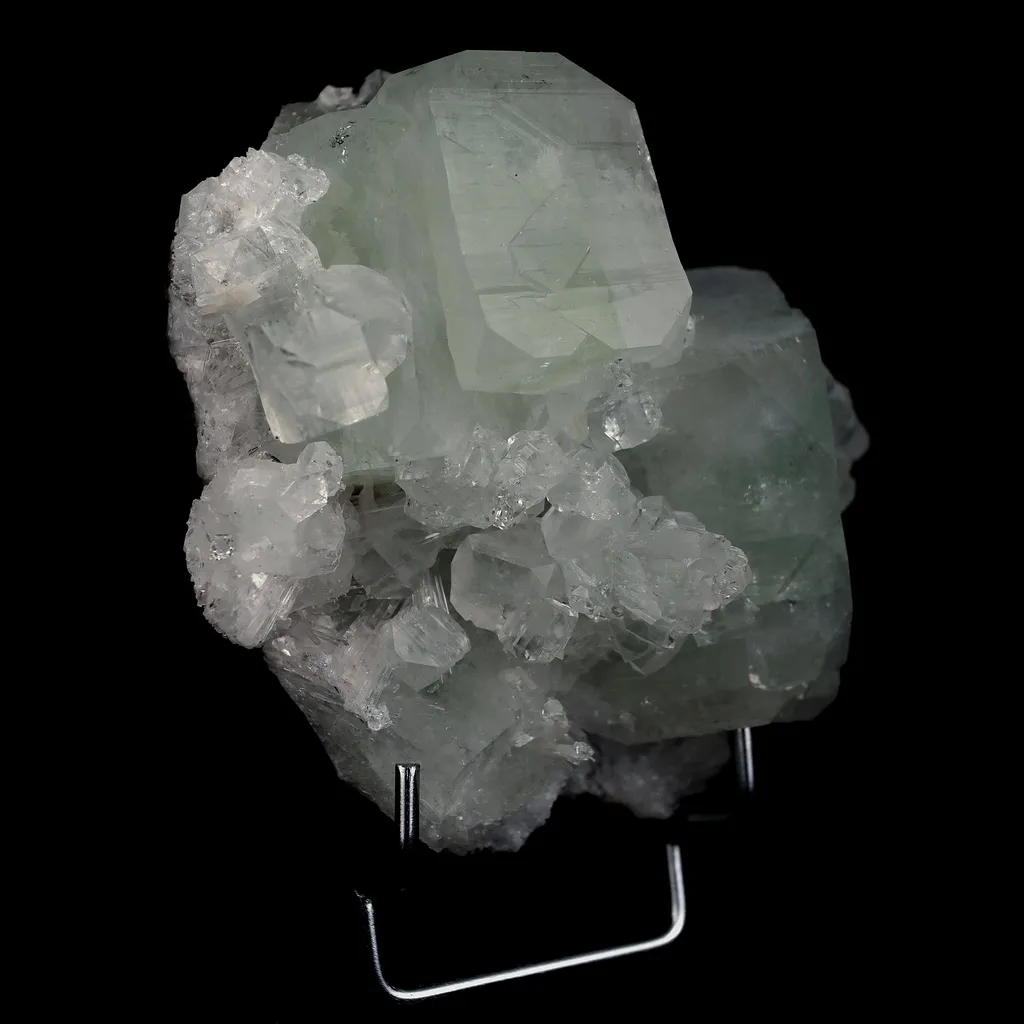
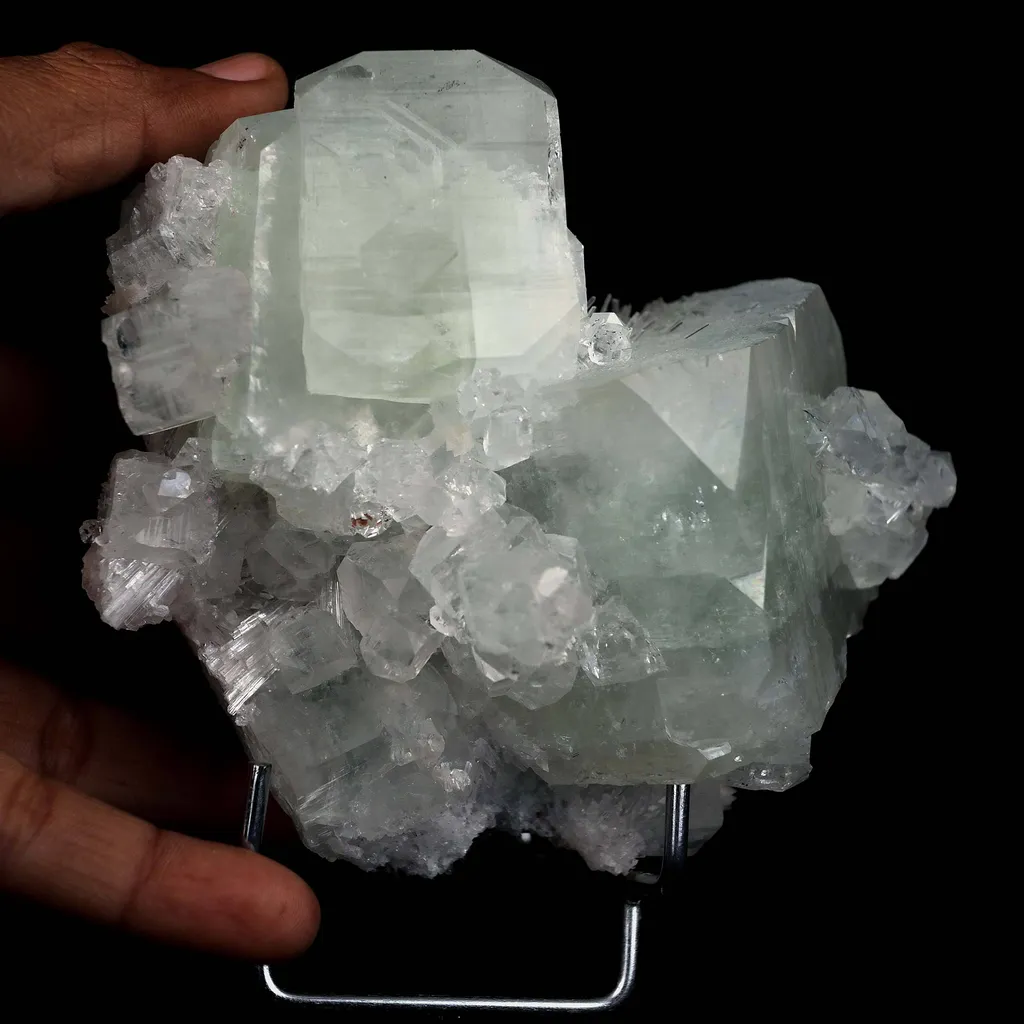
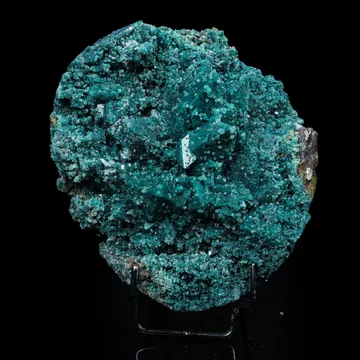
Fluorapophyllite Twin big Crystal with Stilbite Natural Mineral Specimen - image 1
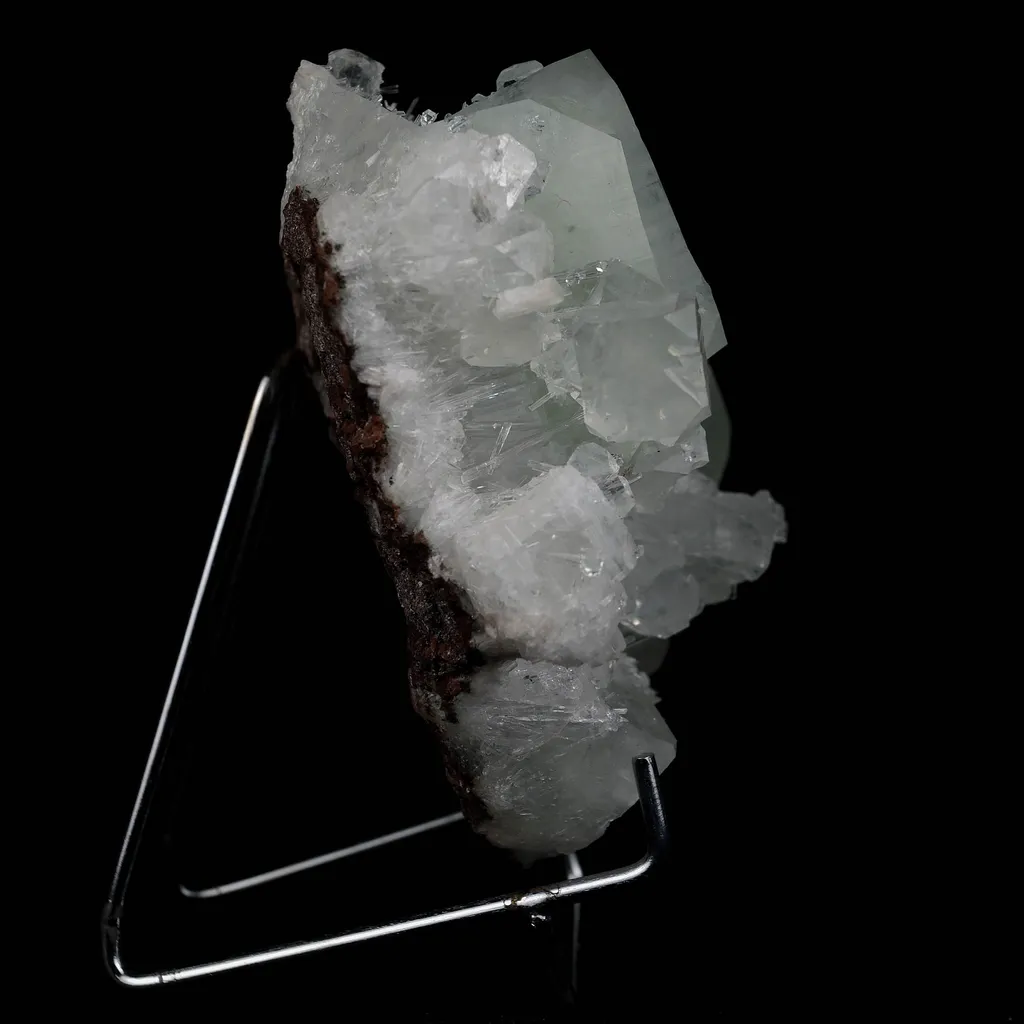
Fluorapophyllite Twin big Crystal with Stilbite Natural Mineral Specimen - image 2
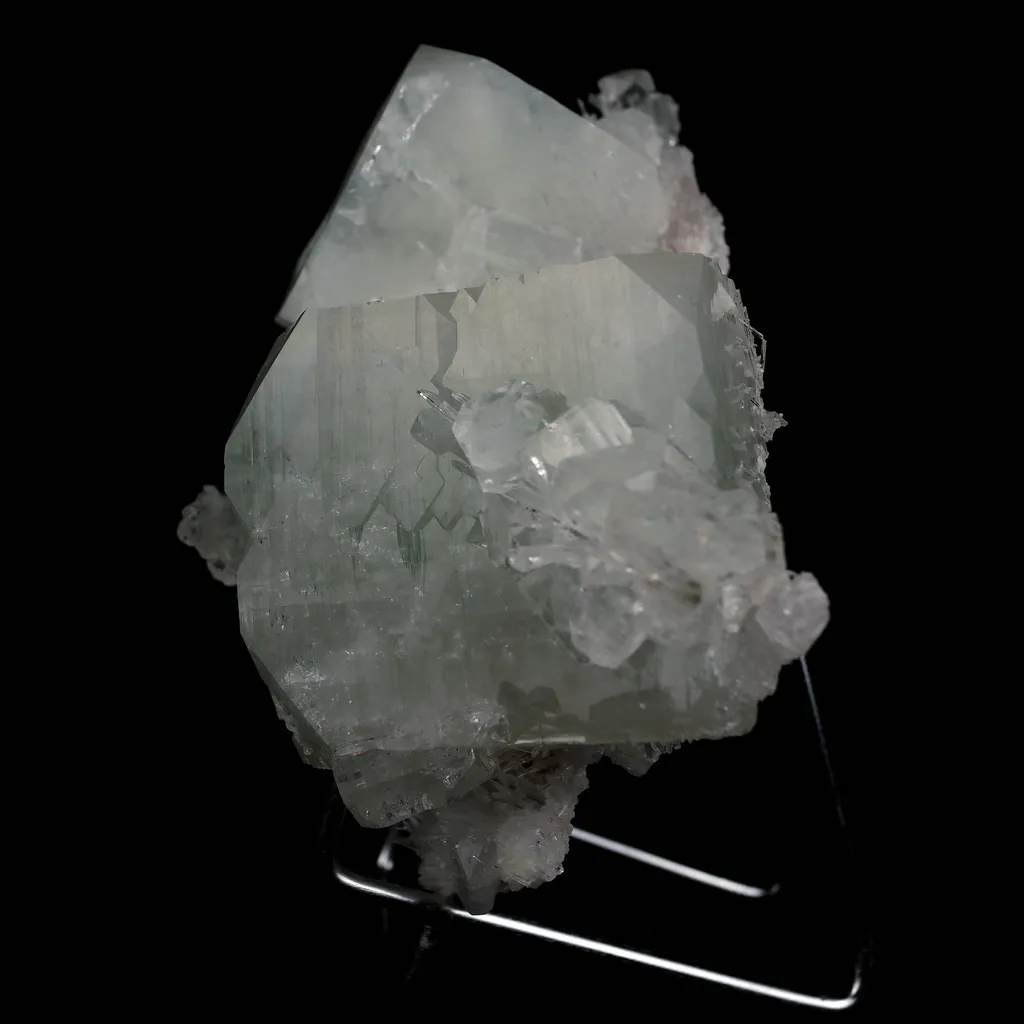
Fluorapophyllite Twin big Crystal with Stilbite Natural Mineral Specimen - image 3
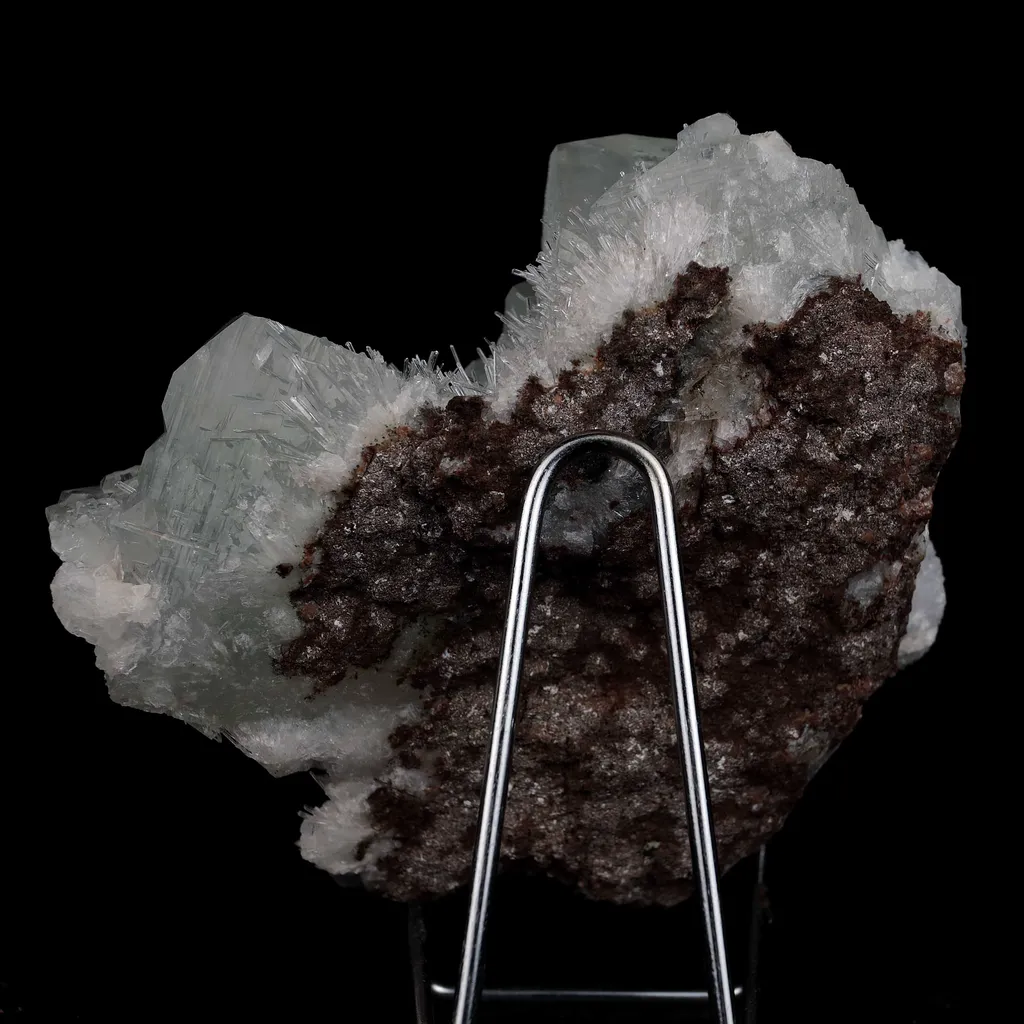
Fluorapophyllite Twin big Crystal with Stilbite Natural Mineral Specimen - image 4
Fluorapophyllite Twin big Crystal with Stilbite Natural Mineral Specimen - image 5
Fluorapophyllite Twin big Crystal with Stilbite Natural Mineral Specimen - image 6
Fluorapophyllite Twin big Crystal with Stilbite Natural Mineral Specimen - image 7

Fluorapophyllite Twin big Crystal with Stilbite Natural Mineral Specimen

Unknown Owner
Help improve this recordNo owner is registered for this specimen yet. If it's yours or you know more about it, you can add the owner, provenance, publications and other details.
Sign in to contribute
Features: A typical Deccan Trap association specimen with strong, extremely glossy, crisp, well-formed, blocky, green and colourless Fluorapophyllite crystals (K).which are linked with extremely glossy, delicate peach coloured Stilbite-Ca "sheaves" A Chalcedony "core" may be seen in a tiny region on the back.The primar

Product details

SizeCabinet
Dimensions13.0 x 11.0 cm
Weight720 grams
Added on10/28/2024

Known provenance

DateCollectorAcquisition price
02/2026Unknown Owner$300.00
Superb MineralsNot disclosed

Learn more

Apophyllite
Mineral guide
Learn about Apophyllite
glassy, fish-tail crystals; colorless to green. Great for display and provenance. Key sources: Deccan Traps (India), New Jersey; collecting value.
Apophyllite
Regional guide
Apophyllite from Jalgaon District, India
Jalgaon District is one of the great modern names in apophyllite collecting: a Deccan Trap basalt locality where glassy, geometric fluorapophyllite-(K) crystals emerge from dark volcanic rock with the kind of sculptural contrast collectors remember. The best pieces combine water-clear to mint-green apophyllite with peach stilbite, brown heulandite, sugary chalcedony, quartz crusts, celadonite-rich matrix, calcite, and, more rarely, powellite. The visual language is unmistakably Indian Deccan: bright vitreous faces, steep pyramidal terminations, pseudocubic outlines, and vug-shaped matrix plates that still read as sections of the original cavity.