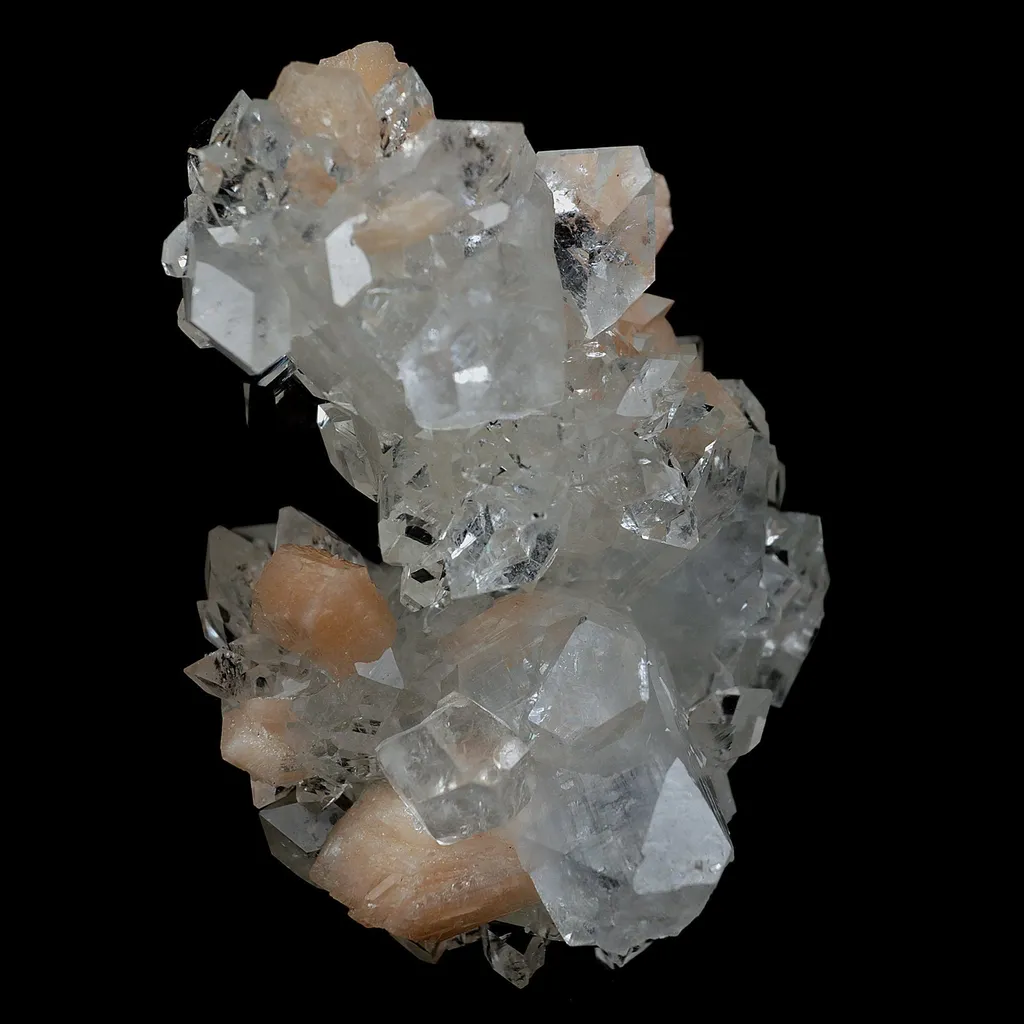
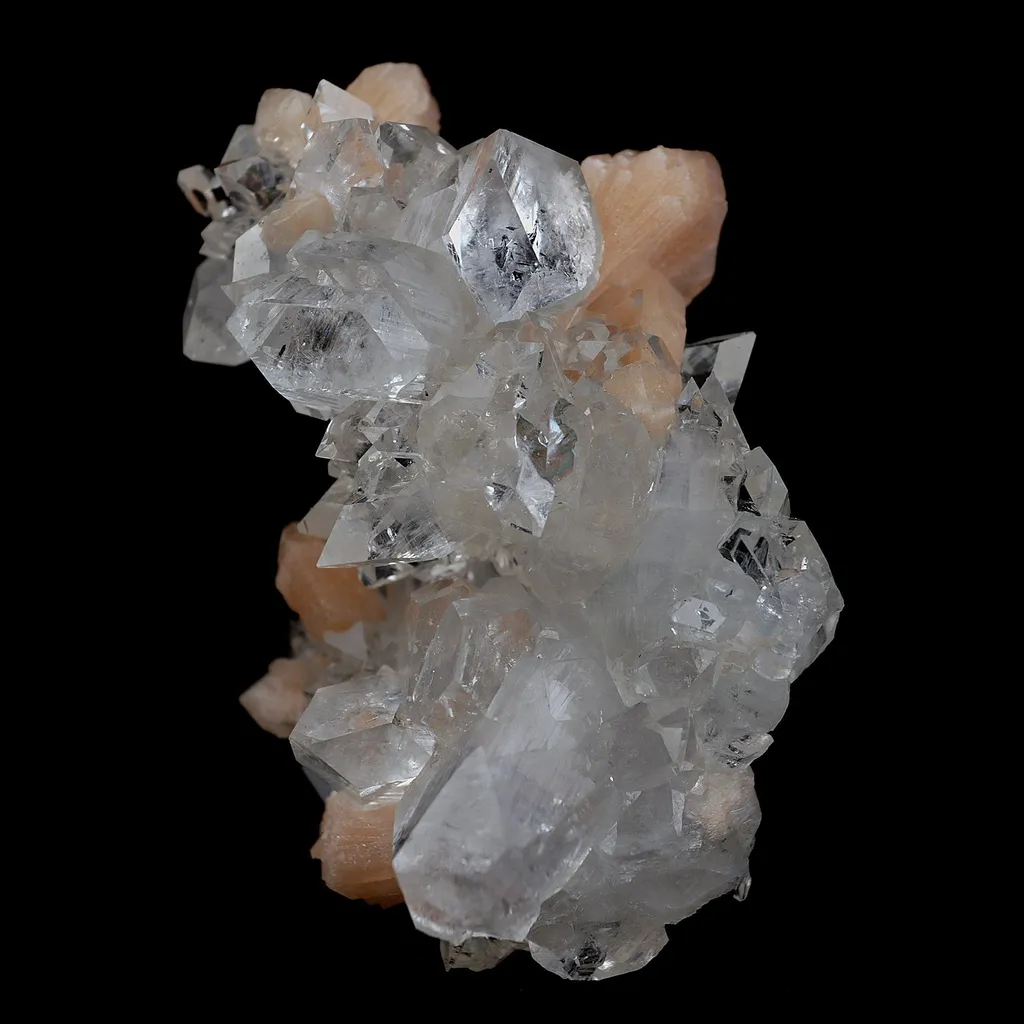
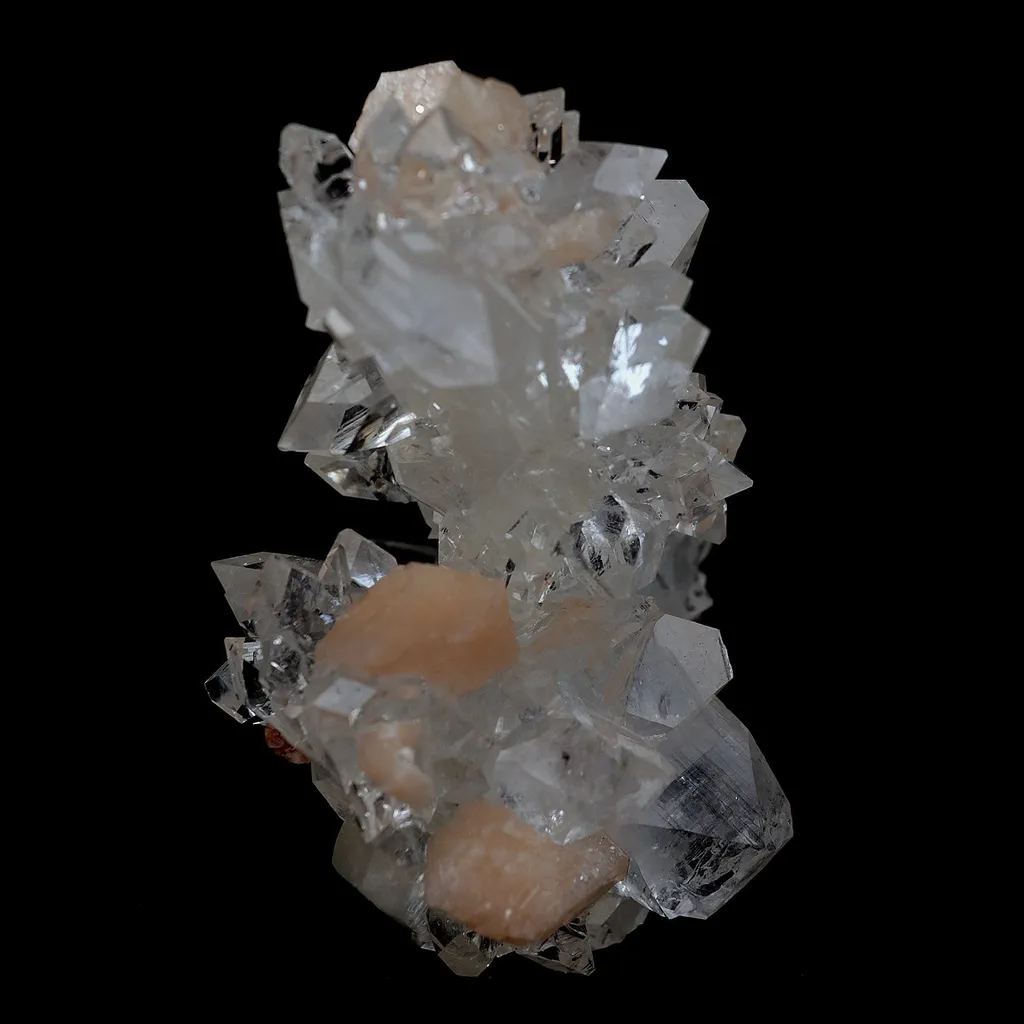
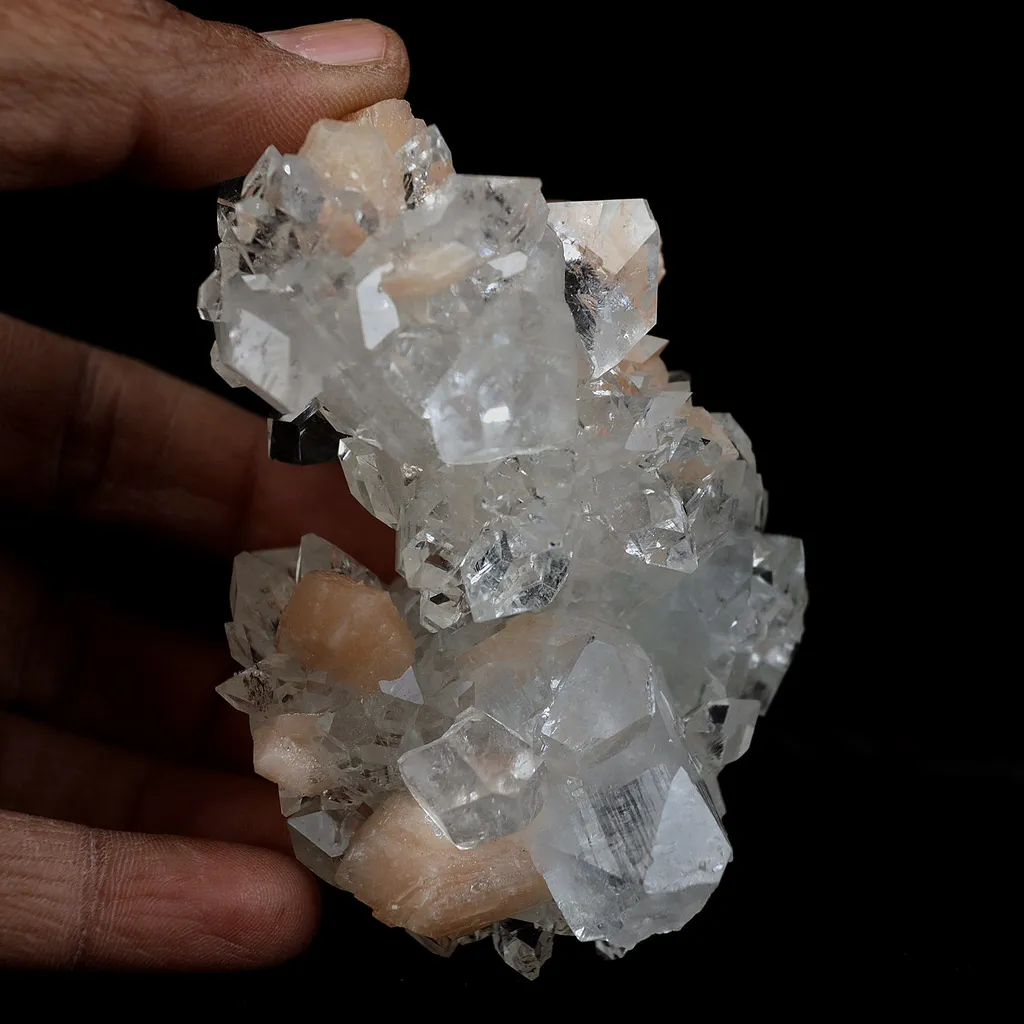
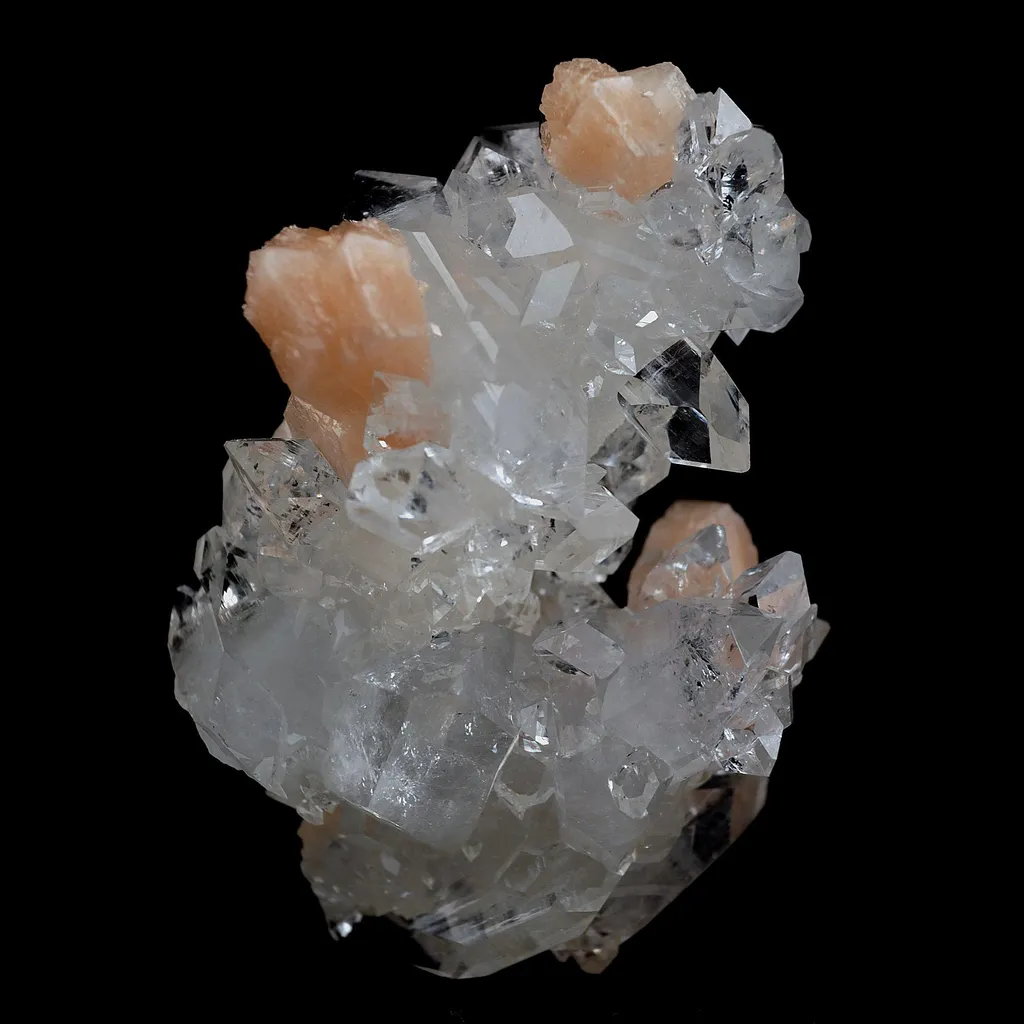
Apophyllite Gemmy Crystals with Stilbite Natural Mineral Specimen
Unknown Owner
Help improve this recordNo owner is registered for this specimen yet. If it's yours or you know more about it, you can add the owner, provenance, publications and other details.
Features:Very fine classic Apophyllite specimen with Stilbite on Quartz from the Jalgaon area Deccan Trap flood Basalts. Sharply formed crystals of Apophyllite, displaying strong development of prism and pyramidal faces. Crystals of Apophyllite have pleasing colourless gemmy pyramidal areas, and translucent prism zones
Product details
SpeciesApophyllite, Stilbite
SizeSmall Cabinet
Dimensions6.0 x 9.0 cm
Weight190 grams
Added on10/28/2024
LocalityIndia, Maharashtra, Jalgaon District
Known provenance
| Date | Collector | Acquisition price |
|---|---|---|
| 11/2025 | Unknown Owner | $200.00 |
| — | Superb Minerals | Not disclosed |
Learn more
Mineral guide
Learn about Apophyllite
glassy, fish-tail crystals; colorless to green. Great for display and provenance. Key sources: Deccan Traps (India), New Jersey; collecting value.
Regional guide
Comments