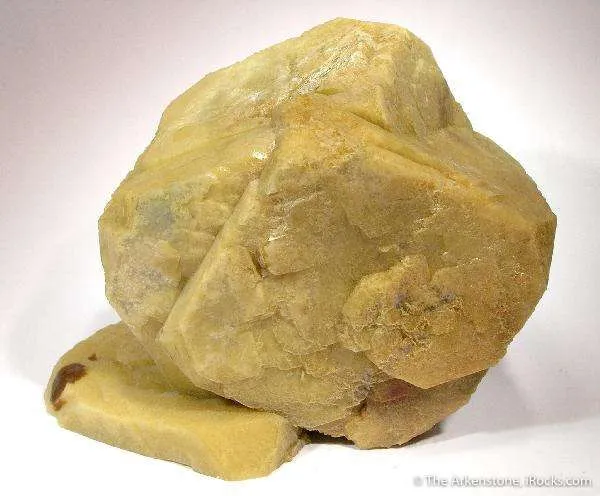
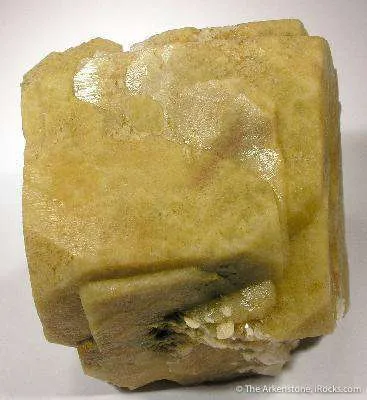
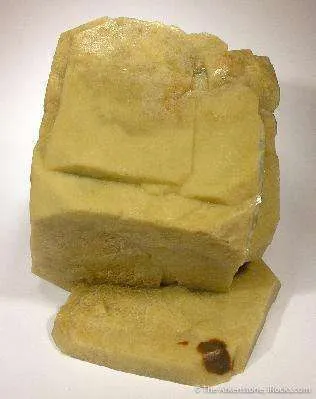
Apophyllite W/Mozartite Inclusions
Unknown Owner
Help improve this recordNo owner is registered for this specimen yet. If it's yours or you know more about it, you can add the owner, provenance, publications and other details.
These unusual specimens became instant classics when they first began showing up a few years ago, and it seems the supply is dwindling. Of those I have handled, this is one of the more intriguing ones. The crystal is 4.5 cm on edge and has very good luster. Additionally, there are two distinguishing features that make this truly outstanding. First, the Apophyllite appears to be penetration-twinned! Second, the main crystal sits on a tabular Apophyllite that ends up serving as a perfect base for the display of the specimen, and that was exactly how it was photographed. Also, its just huge, the biggest I have seen so uniformaly colored. This is a very fine specimen, indeed.
Product details
SpeciesApophyllite
SizeCabinet
Dimensions10.2 x 6.5 x 6.2 cm
Added on10/23/2024
LocalityIndia, Maharashtra, Jalgaon District
Known provenance
| Date | Collector | Acquisition price |
|---|---|---|
| 08/2024 | Unknown Owner | Not disclosed |
| — | The Arkenstone | Not disclosed |
Learn more
Mineral guide
Learn about Apophyllite
glassy, fish-tail crystals; colorless to green. Great for display and provenance. Key sources: Deccan Traps (India), New Jersey; collecting value.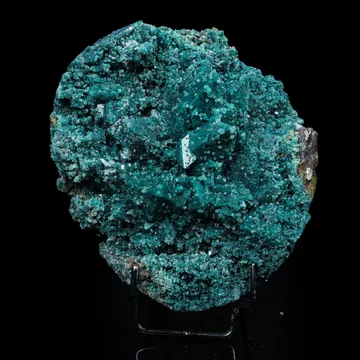
Regional guide
Comments