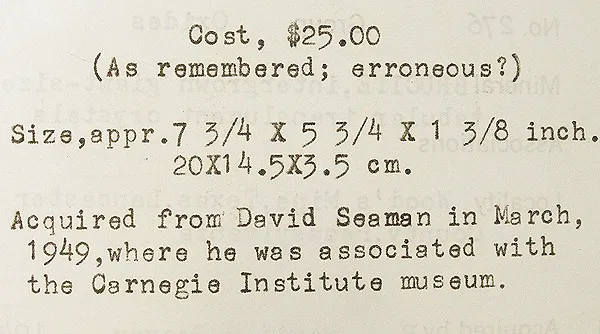
Brucite (Huge Crystal!)
Unknown Owner
Help improve this recordNo owner is registered for this specimen yet. If it's yours or you know more about it, you can add the owner, provenance, publications and other details.
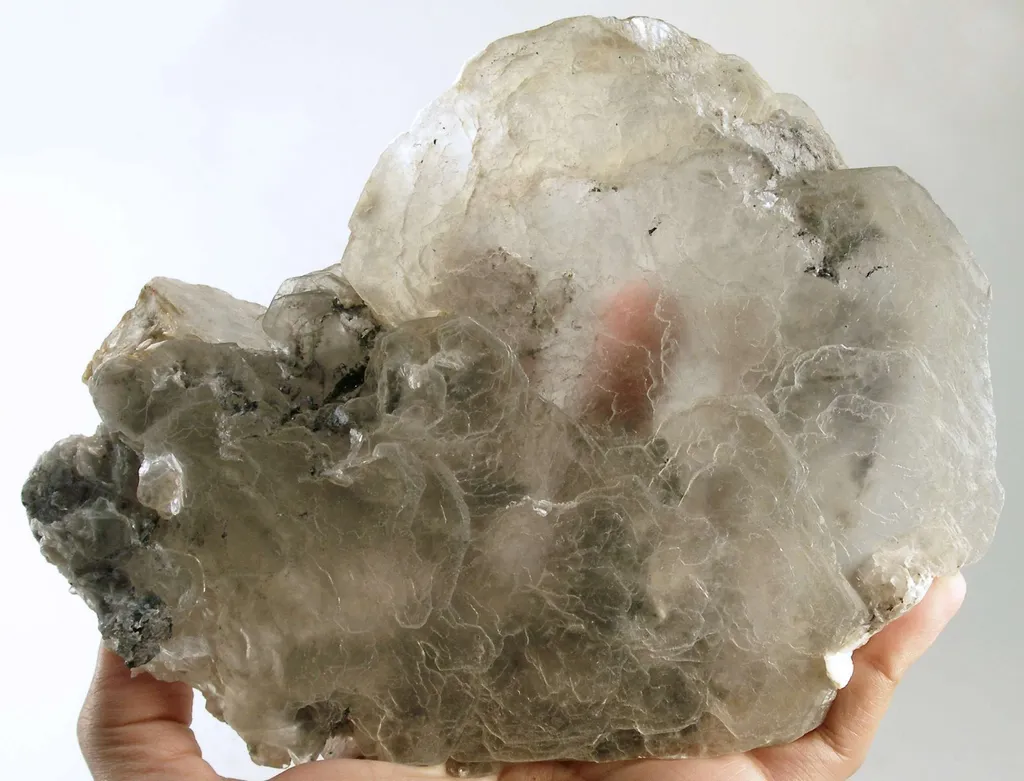
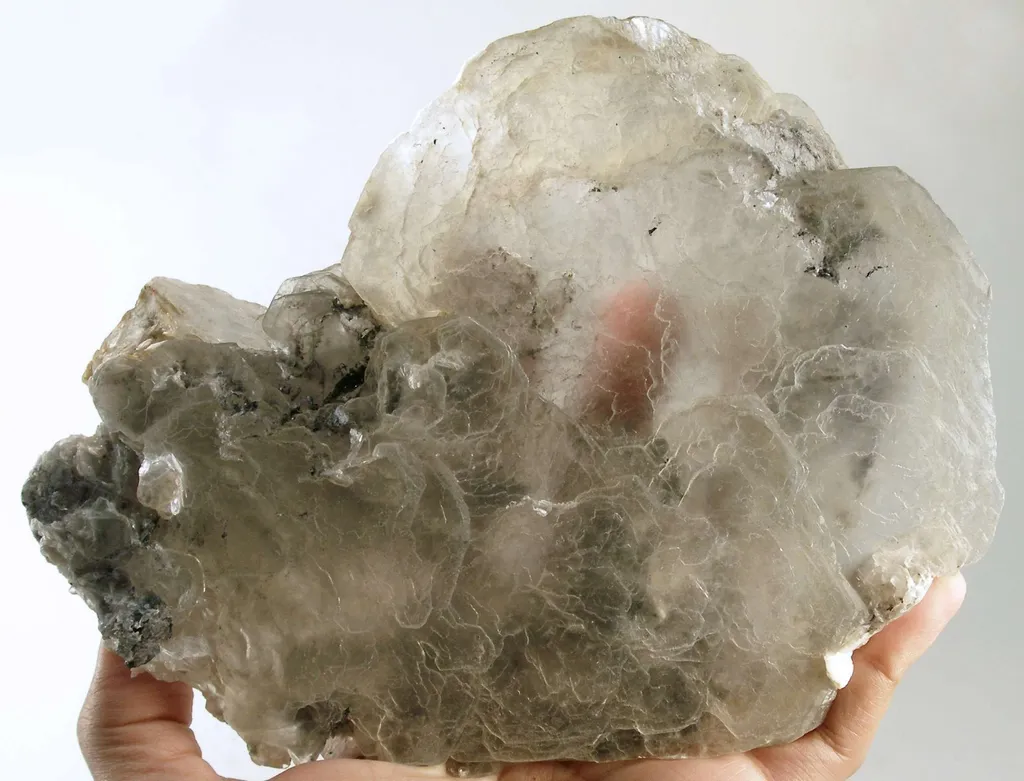
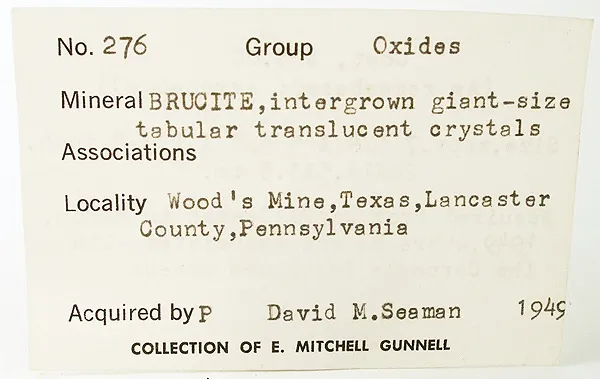
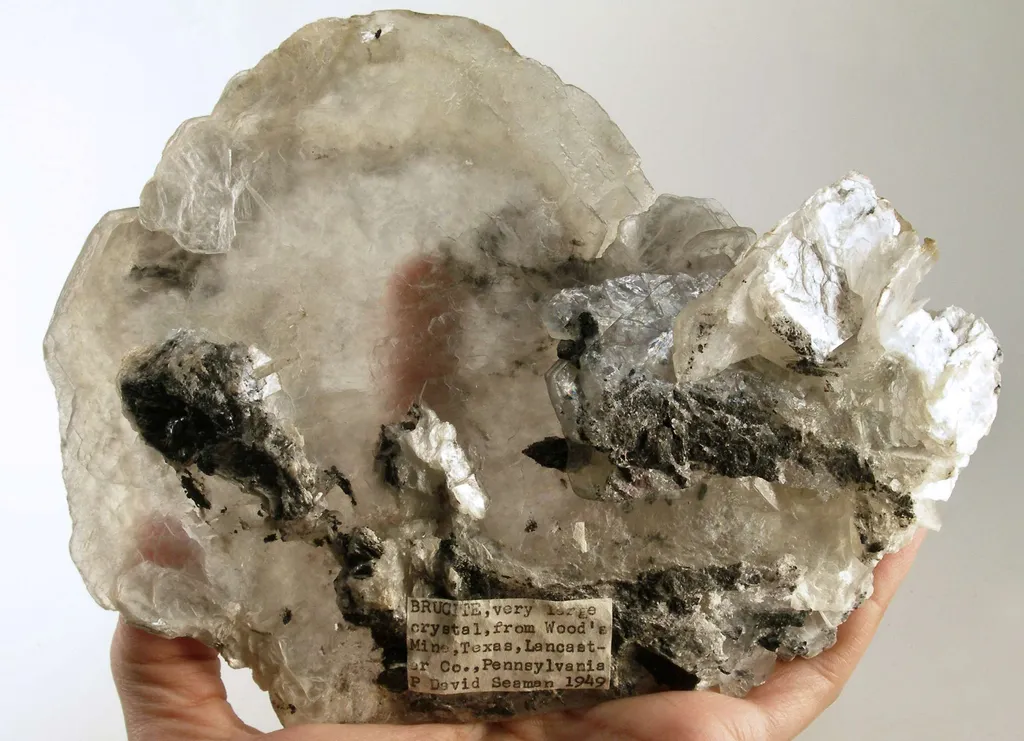
This is a major, museum-sized specimen with 5 inch brucite crystals, transparent! It is an important piece, of the kind of thing one rarely sees for sale in any size, let alone gigantic. Complete on both sides, this is one of the most displayable old examples I have seen. They were mined in the late 1800s and early 1900s. This one, as you can see, has a long history and was in the prominent collection of EM Gunnell. Although somewhat esoteric to the majority of collectors, I consider these to be prized rarities and major United States classics. For the price, you get one of the best, unarguably, of this species and locality - and the sad fact is one cannot say that about many species' acquisition today. I believe this to be one of the more significant US specimens I have been able to offer, in terms of worldwide or museum import, even if its not as sexy as a tourmaline.
Product details
SpeciesBrucite
SizeLarge Cabinet
Dimensions19.5 x 14.5 x 3.2 cm
Added on10/23/2024
LocalityUSA, Pennsylvania, Wood's Chrome Mine
Known provenance
| Date | Collector | Acquisition price |
|---|---|---|
| 08/2024 | Unknown Owner | Not disclosed |
| — | The Arkenstone | Not disclosed |
Learn more
Mineral guide
Learn about Brucite
(Mg(OH)2) - vivid lemon-yellow to blue hues; delicate with perfect cleavage, prized for translucent, sculptural forms from Pakistan and Henan.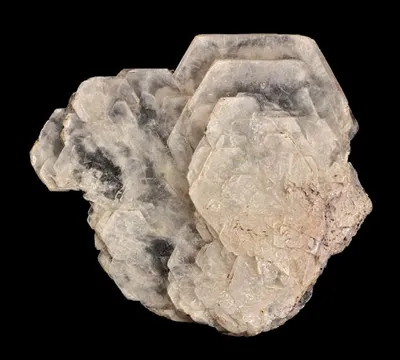
Regional guide
Comments