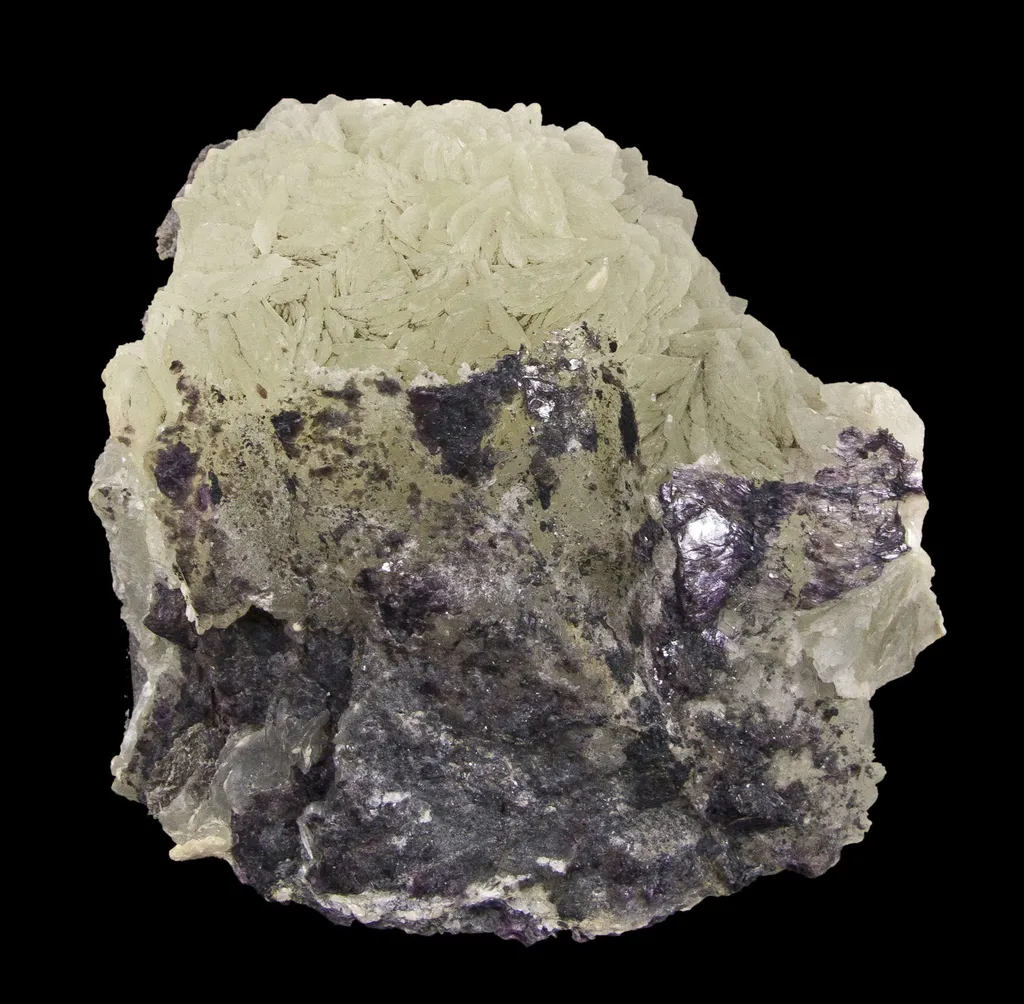
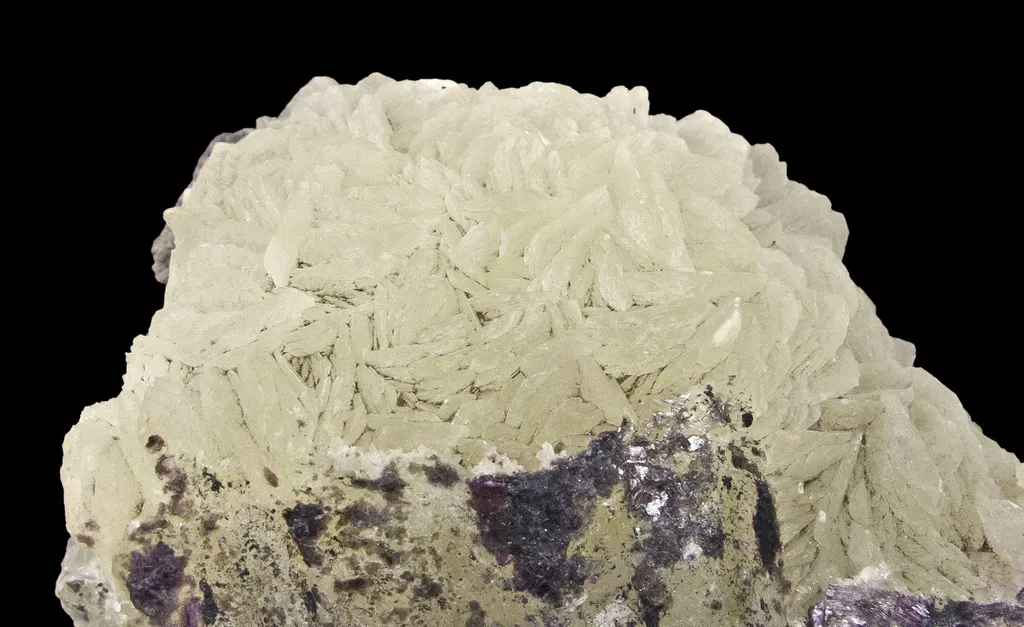
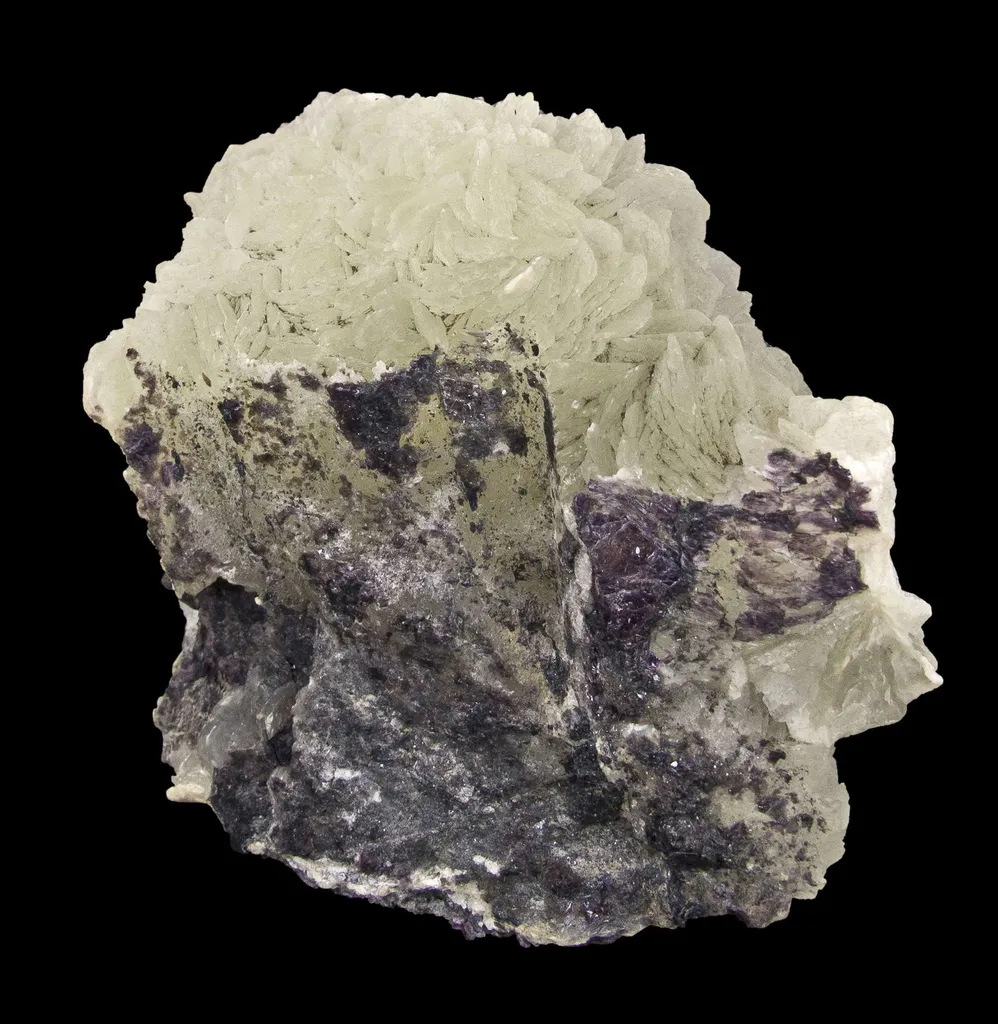
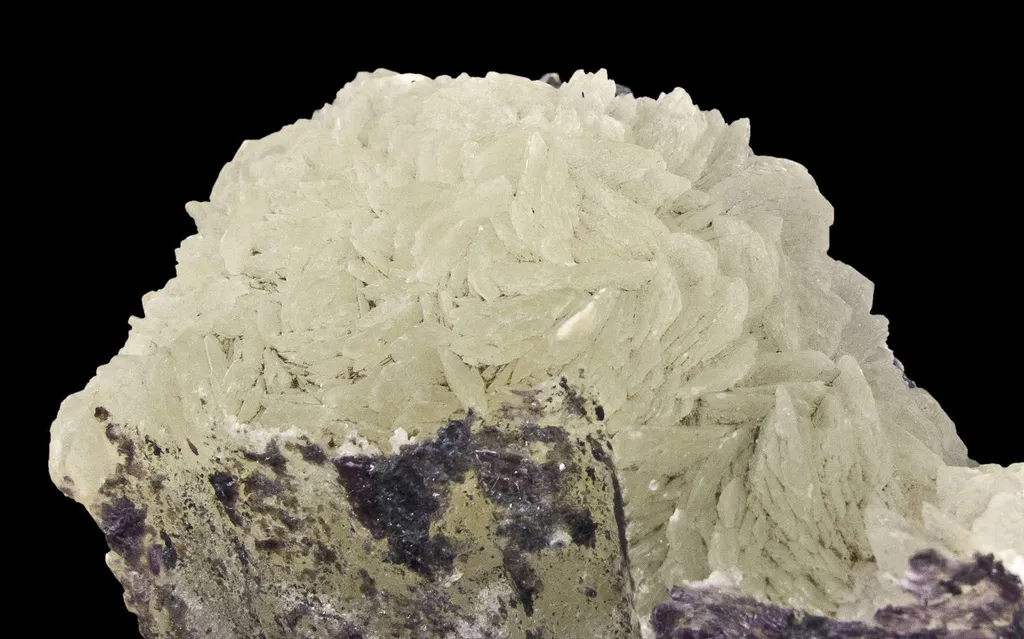
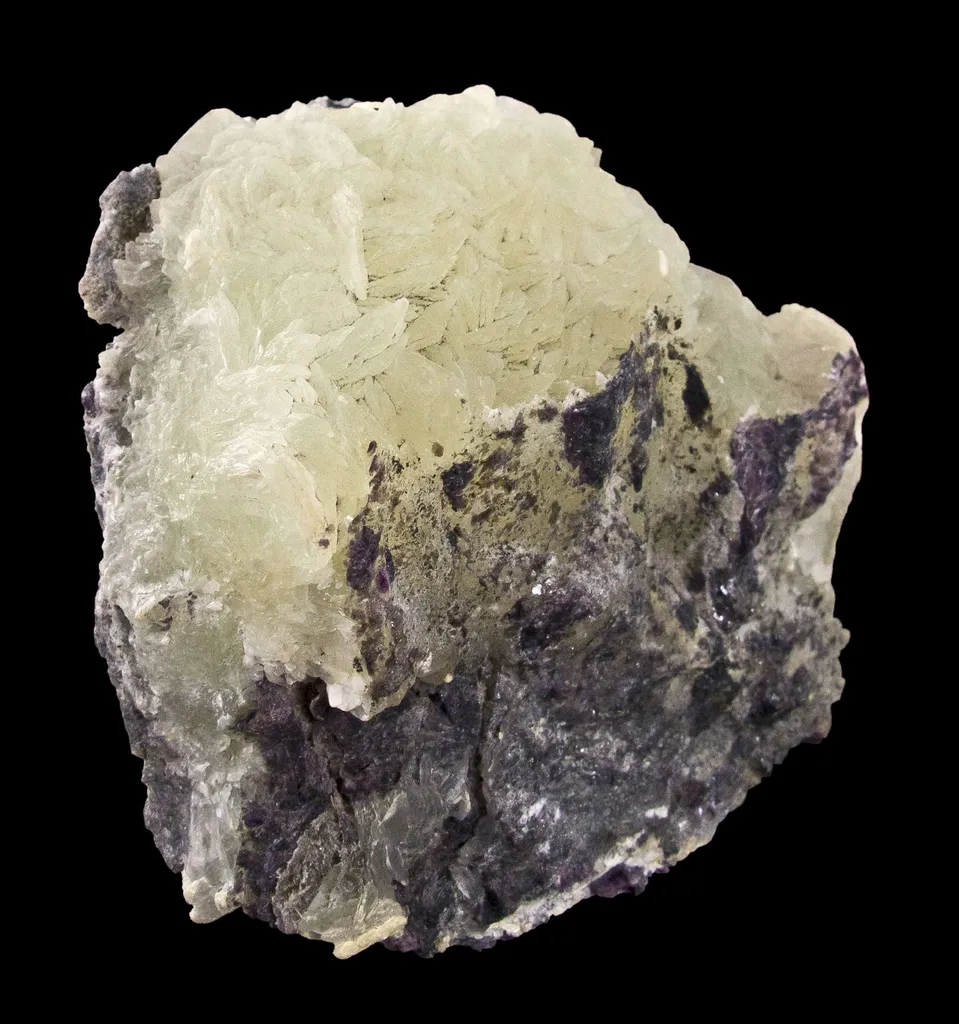
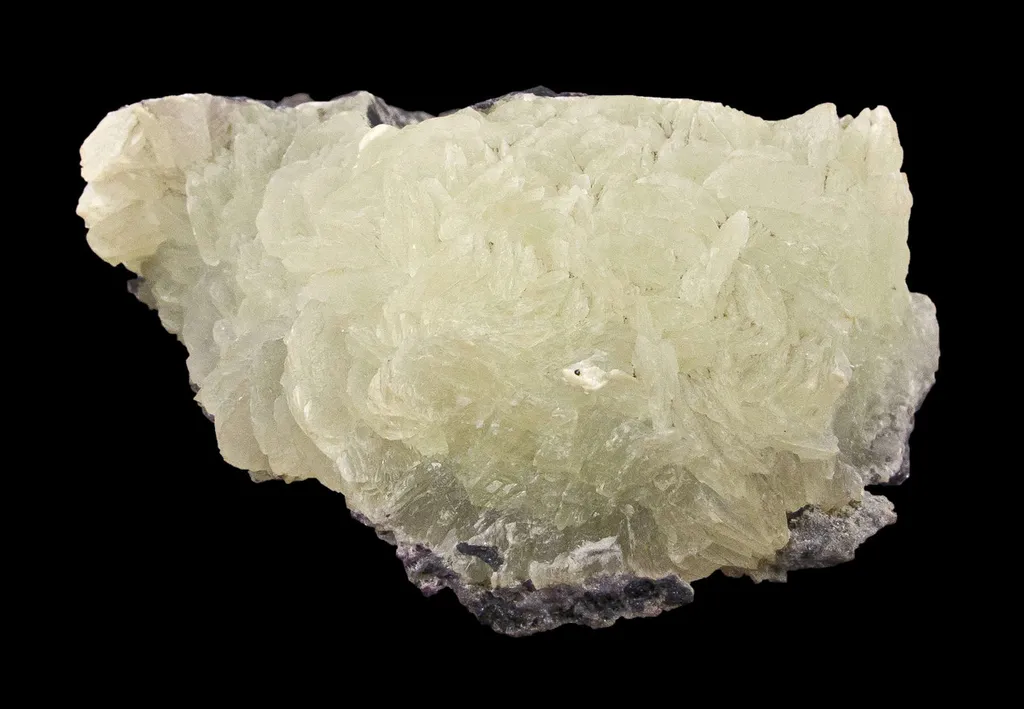
Brucite With Kammererite
Unknown Owner
Help improve this recordNo owner is registered for this specimen yet. If it's yours or you know more about it, you can add the owner, provenance, publications and other details.
The deposit at Texas, Lancaster County, Pennsylvania is the oldest and most famous brucite locality in the United States. It was studied in the earliest days of mineralogy as a science. Old specimens are now hard to come by, and really only come out of museums (as this came from Harvard). The brucite crystals on this specimen are sandwiched between two layers of matrix, one of which contains smears of lustrous, magenta colored kammerite (chromium clinochlore). The brucite is composed of translucent, pastel grayish-green, petal-like crystals to 1.4 cm across. It is a classic style for the occurrence, and a large size to see for sale today.
Product details
SpeciesBrucite
SizeSmall Cabinet
Dimensions9.2 x 9.1 x 4.3 cm
Added on10/23/2024
LocalityUSA, Pennsylvania, Wood's Chrome Mine
Known provenance
| Date | Collector | Acquisition price |
|---|---|---|
| 08/2024 | Unknown Owner | Not disclosed |
| — | The Arkenstone | Not disclosed |
Learn more
Mineral guide
Learn about Brucite
(Mg(OH)2) - vivid lemon-yellow to blue hues; delicate with perfect cleavage, prized for translucent, sculptural forms from Pakistan and Henan.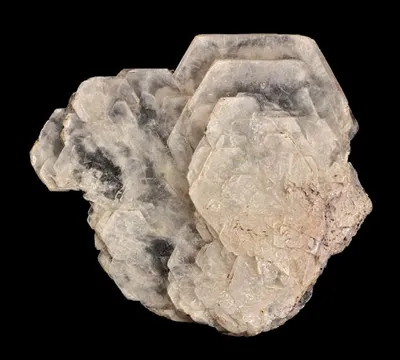
Regional guide
Comments