
1
Quartz (19th century)
1
Unknown Owner
Help improve this recordNo owner is registered for this specimen yet. If it's yours or you know more about it, you can add the owner, provenance, publications and other details.
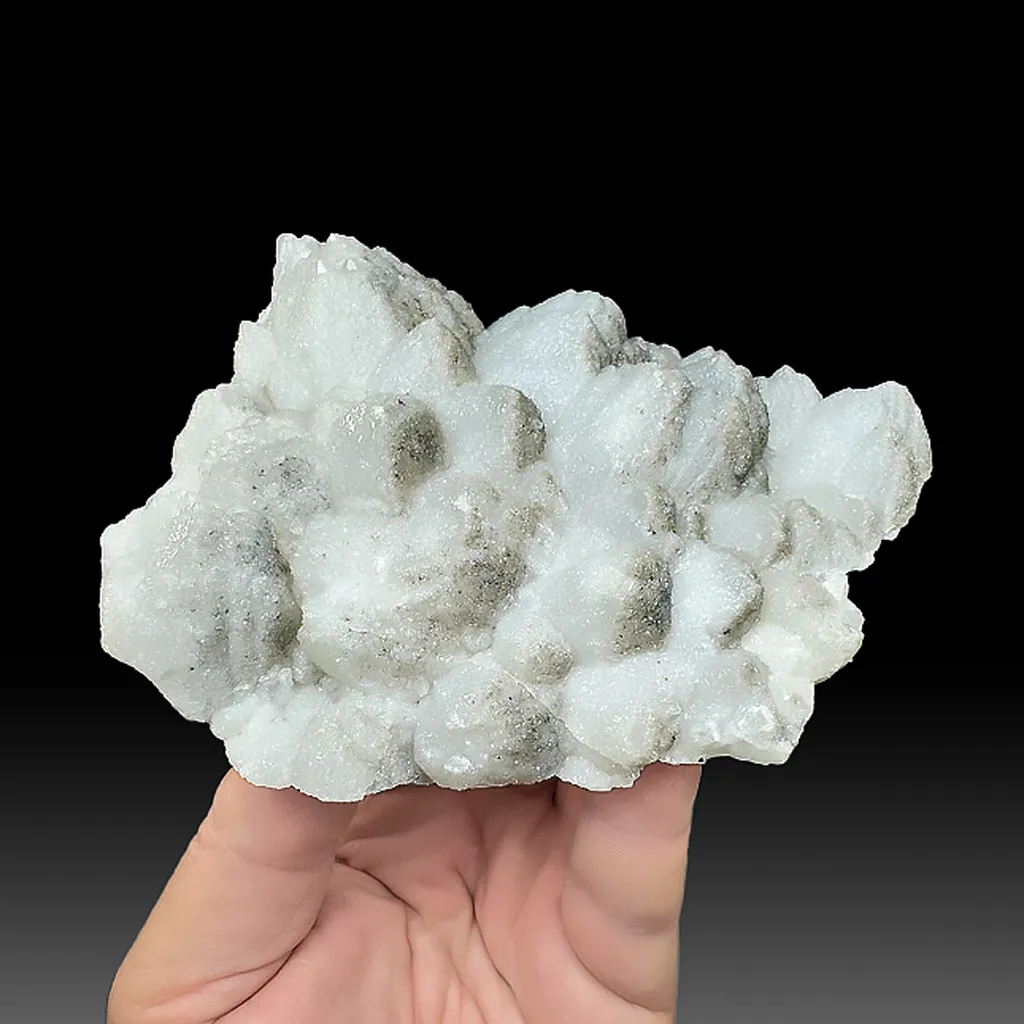
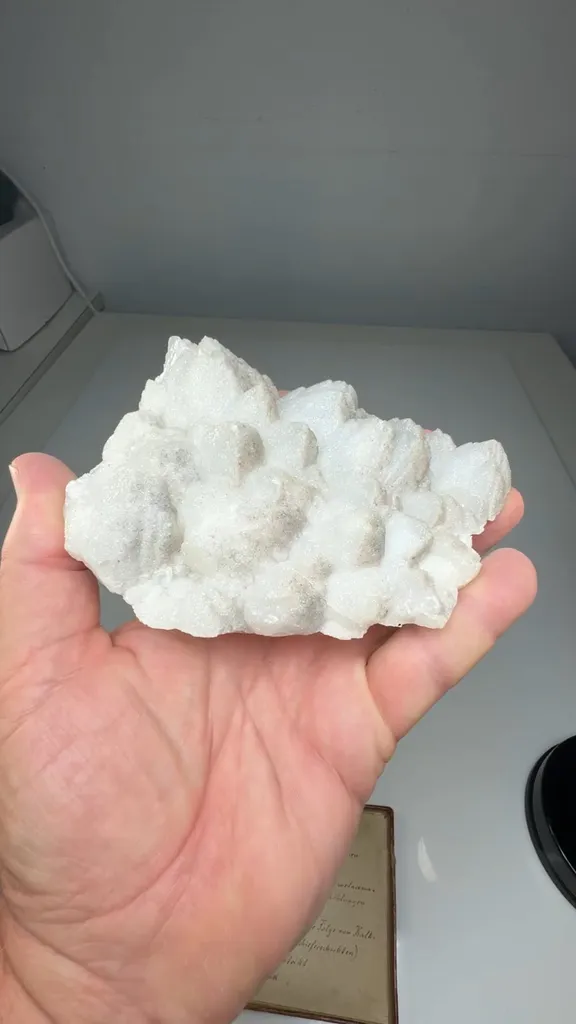
Sparkling colorless crystals of quartz across the top of matrix. In good condition. A neat 19th century example previously from the collection of Wilhelm Hoyer. The specimen comes with an antique label as shown at the end of the video.The Weardale mineral district, situated within the northern Pennines of County Durham, England, is a world-class historic mining locality celebrated for producing spectacular, highly distinct fluorite specimens, including famous twin crystals that display vibrant daylight fluorescence. Geologically, this historic valley is located on the Alston Block within the North Pennine Orefield, where Carboniferous-age limestone, sandstone, and shale strata were cut by an intricate network of hydrothermal mineral veins during late Paleozoic rifting events. Hot, highly saline brine solutions originating from deep sedimentary basins circulated up through major fault fissures, reacting with the host rocks to deposit vast amounts of fluorite, galena, sphalerite, and iron ores inside large dissolution cavities and open flats. Historically, organized underground mining in Weardale dates back to at least the twelfth century under the authority of the Prince Bishops of Durham, reaching its primary industrial peaks for lead extraction during the eighteenth and nineteenth centuries, and transitioning to intensive fluorite quarrying and underground extraction for the steel and chemical industries throughout the twentieth century. Major, prolific underground operations like the Boltsburn, Heights, and Blackdene mines ran continuously until economic declines and ore depletion forced the widespread closure of nearly all commercial workings between the 1940s and 1999, when the historic Rogerley mine was subsequently repurposed strictly for commercial specimen recovery.Wilhelm Hoyer (1849-1913) was a prominent German engineer and mineral collector based in Hanover, whose professional work in railway construction and geology facilitated the assembly of a significant mineralogical collection. Geologically, Hoyer was noted for his deep expertise in the Mesozoic formations of northwestern Germany, particularly the Hildesheim area, where he meticulously documented and collected specimens from active quarries and construction sites. His collection was scientifically important for its comprehensive representation of regional minerals and fossils, reflecting the systematic approach of 19th-century European collectors who bridged the gap between industrial mining and academic mineralogy. Historically, Hoyer was active in the latter half of the 1800s and early 1900s, contributing numerous papers to geological societies and maintaining professional ties with major institutions of his era. Following his death, his extensive mineralogical and paleontological holdings were integrated into the collections of the University of Gottingen and the Prussian Geological Survey in Berlin, where they continue to serve as vital reference materials for researchers through 2026.
Product details
SpeciesQuartz
SizeCabinet
Dimensions15.0 x 10.0 x 3.0 cm
Added on05/28/2026
LocalityAustralia, New South Wales, Durham Co.
Known provenance
| Date | Collector | Acquisition price |
|---|---|---|
| 05/2026 | Unknown Owner | $250.00 |
| — | Weinrich Minerals | Not disclosed |
Learn more
Mineral guide
Learn about Quartz
a versatile mineral with clear, milky, and colored varieties; crystal forms, formation clues, and tips for identifying amethyst and citrine.Regional guide
Comments