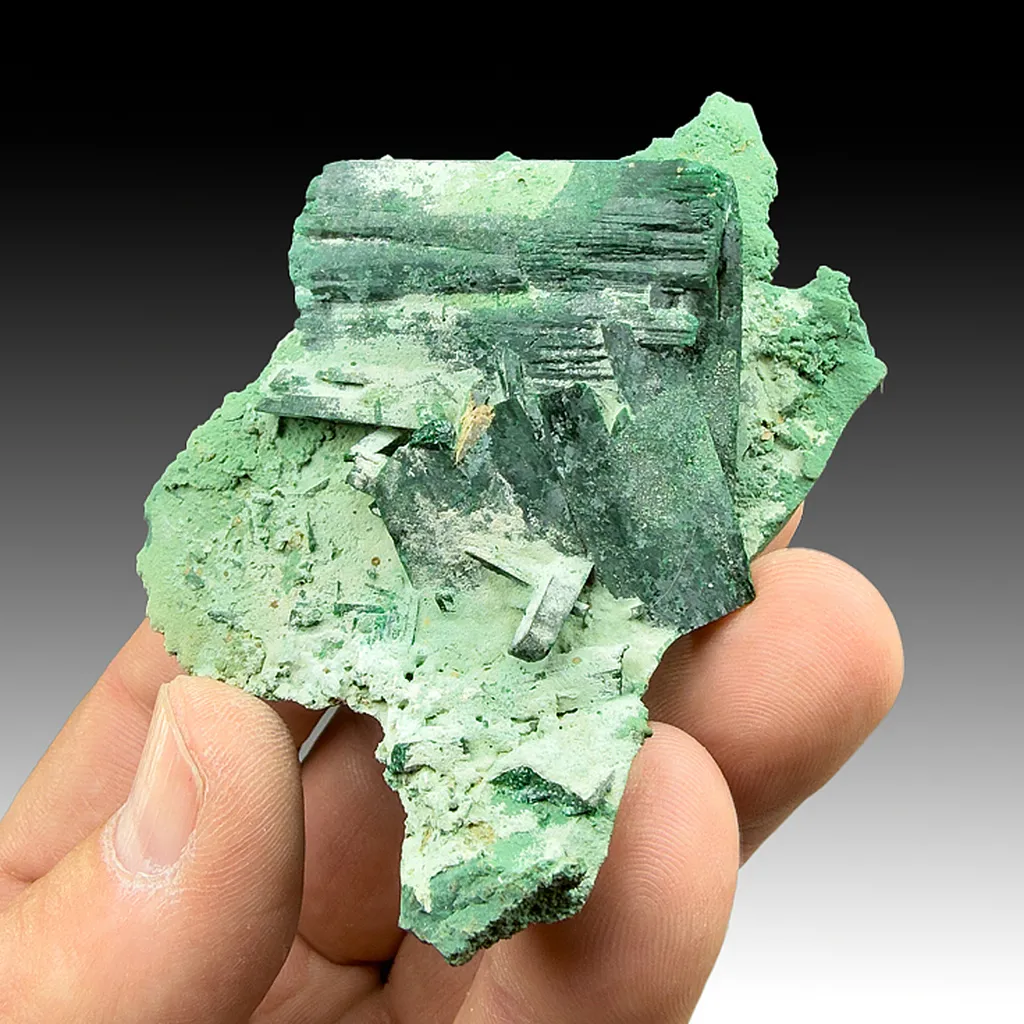
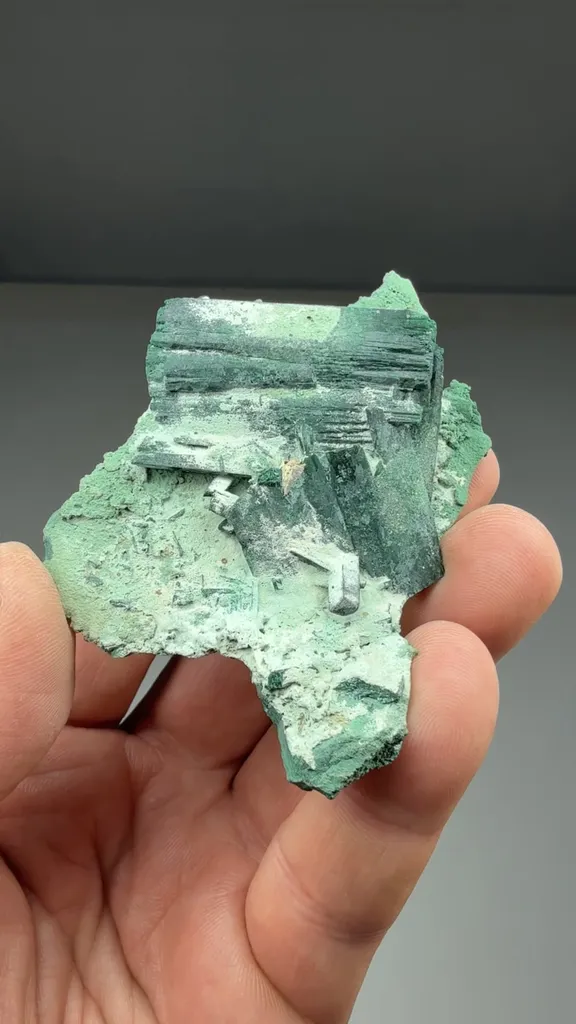

Malachite after Azurite
Unknown Owner
Classic old time specimen from this famous locality. Large bladed crystals of what were once azurite measuring to over 4.0 In great condition. The specimen comes with an antique label as shown at the end of the video and dates to the very early days of mining at this famous locality.The Tsumeb Mine in Namibia is one of the most famous polymetallic deposits in the world, with mining beginning in the early 20th century and continuing for many decades. The deposit is a complex pipe like ore body hosted in dolomitic limestone and is exceptionally rich in copper, lead, and zinc, along with many rare elements. Extensive underground workings were developed to extract ore from great depths, and the oxidized zones of the deposit produced an extraordinary variety of secondary minerals. Tsumeb is especially well known among collectors for the quality and diversity of its specimens, which include many of the finest examples of copper and lead minerals ever found.Pseudomorphs are minerals that have replaced an earlier mineral while preserving the original external crystal form. At Tsumeb, one of the most well known examples is malachite after azurite, where original azurite crystals were chemically altered and replaced by malachite over time. This process occurs in the oxidized zone of the deposit as conditions change and copper bearing solutions interact with the minerals. The result is a specimen that retains the original crystal shape of azurite but is composed of green malachite, often creating striking pieces that show the form of one mineral and the composition of another. These pseudomorphs are highly valued for both their beauty and their demonstration of mineral replacement processes.
Product details
Species
SizeSmall Cabinet
Dimensions8.5 x 5.5 x 1.5 cm
Added on04/28/2026
Locality
Known provenance
| Date | Collector | Acquisition price |
|---|---|---|
| 04/2026 | Unknown Owner | $550.00 |
| — | Weinrich Minerals | Not disclosed |
Learn more
Mineral guide
Learn about Malachite
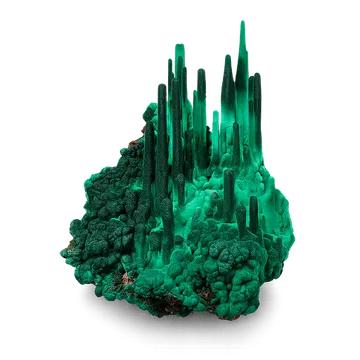
vivid green banded crystals and botryoidal forms from copper deposits; color varieties, formation clues, and identification tips for collectors.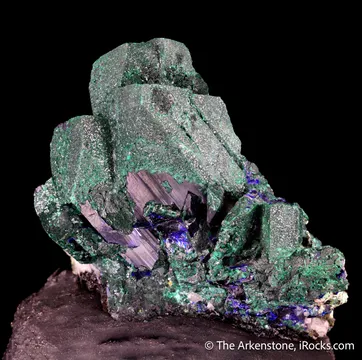
Regional guide
Comments