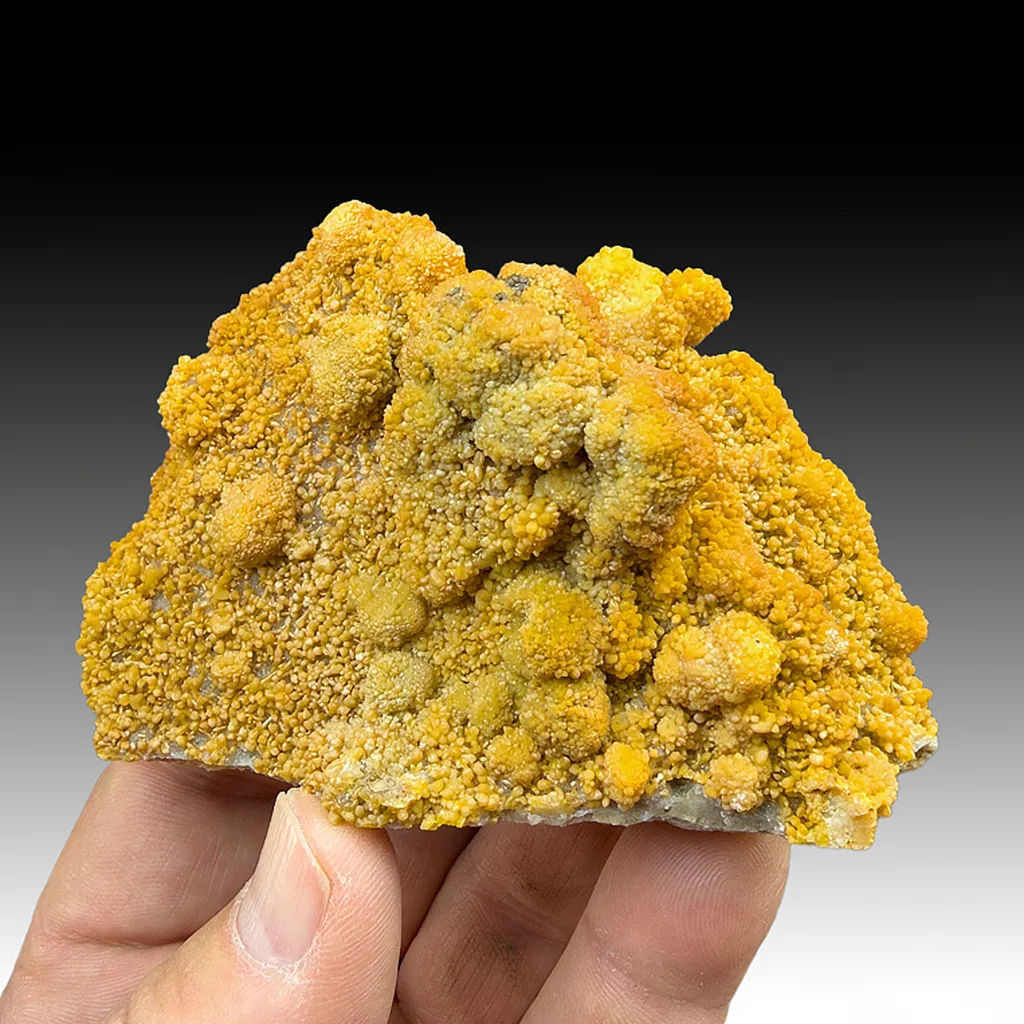
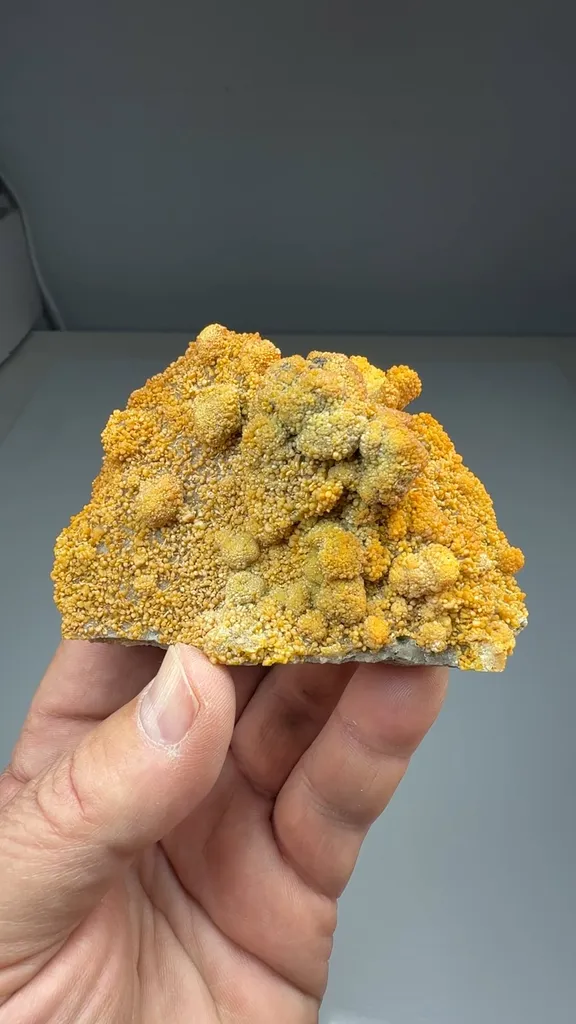

Smithsonite replacing Dolomite, Sphalerite on Quartz (1788)
Unknown Owner
Help improve this recordNo owner is registered for this specimen yet. If it's yours or you know more about it, you can add the owner, provenance, publications and other details.
Rich sparkling crystallized smithsonite across the front of a crystallized quartz matrix and in the process of replacing previous crystals of sphalerite measuring to 2.0 cm in size and smaller rhombohedral crystals of dolomite. This neat specimen is in great condition. Classic for this locality.The Philadelphia Mine near Rush in Marion County, Arkansas, was part of the zinc mining district of northern Arkansas that developed in the late 1800s and early 1900s. Mining in the region focused on zinc ore, primarily sphalerite, from deposits in limestone host rocks. Numerous small mines, including the Philadelphia Mine, were worked through shallow shafts and underground openings. The Rush district became an important producer of zinc during this period before declining after World War I. Today the area is preserved as part of the Buffalo National River and represents the history of zinc mining in the Ozark region.A pseudomorph is a mineral specimen in which one mineral replaces another while preserving the original crystal shape. In the case of smithsonite replacing both dolomite and sphalerite, the process occurs in the oxidized zones of zinc deposits where chemical reactions alter the original minerals. Smithsonite can replace dolomite and sphalerite through interaction with carbon dioxide rich fluids, forming a zinc carbonate while retaining the external form of the earlier minerals. The resulting specimens may show crystal shapes typical of dolomite or sphalerite, but are composed entirely of smithsonite, reflecting multiple stages of mineral replacement.This specimen was on public display at the Tucson Gem and Mineral Show, 2026.
Product details
SpeciesQuartz, Dolomite, Sphalerite, Smithsonite
SizeSmall Cabinet
Dimensions10.0 x 7.0 x 2.5 cm
Added on03/30/2026
LocalityUSA, Missouri, Pea Ridge Mine
Known provenance
| Date | Collector | Acquisition price |
|---|---|---|
| 04/2026 | Unknown Owner | $1,000.00 |
| — | Weinrich Minerals | Not disclosed |
Learn more
Mineral guide
Learn about Quartz
a versatile mineral with clear, milky, and colored varieties; crystal forms, formation clues, and tips for identifying amethyst and citrine.Regional guide
Comments