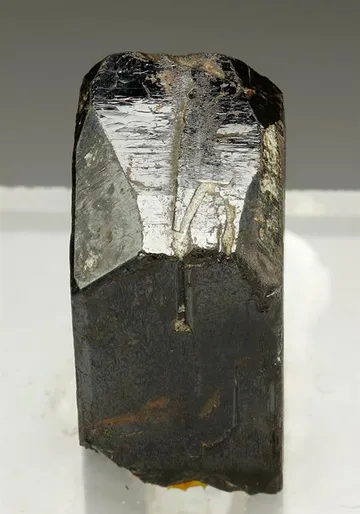
Spodumen aus dem Pala Mining District, USA - Kunzit-Farben von Rose bis Flieder, starke Pleochroie, scharf kantige Kristalle und Taschen-Pegmatit-Reiz.
Key facts
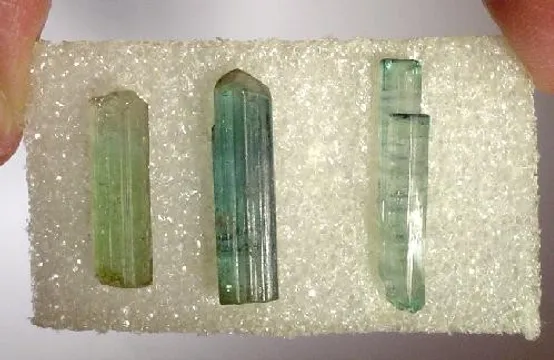
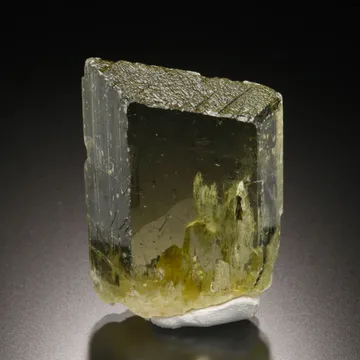
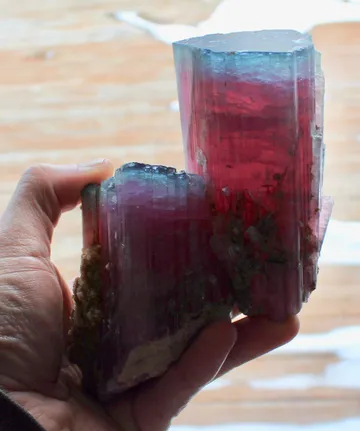
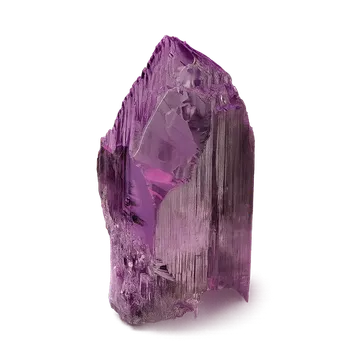
Spodumen aus dem Pala-Mining-Distrikt ist eine der prägendsten amerikanischen Geschichten im Bereich Edel- und Mineralien: der Fundort, der rosa bis lila Spodumen unter dem Namen Kunzit berühmt machte, und immer noch zu den wenigen Distrikten gehört, in denen Sammler klassische Gemmenhistorie der frühen 1900er Jahre mit modernen Pocket-Funden verbinden können. Das beste Pala-Material kombiniert die Qualitäten, die Sammler am meisten bei Spodumen wünschen — transparentes Rosen, Lavendel, Flieder oder Violett; starkes Pleochroismus; scharf applizierte Kristallformen; natürliche Ätzung; und in außergewöhnlichen Stücke vollständige oder beinahe vollständige Kristallterminationen statt bloße Spaltfragmente.

Foto: Wikimedia Commons
Die geologische Umgebung ist das klassische Umfeld südkalifornischer Seltene-Erden-Pegmatite: Lithium-reiche Pegmatitadern, die in die Gesteine des südkalifornischen Batholiths eingebettet sind, insbesondere in gabbroisches Wirtsgestein, wobei ältere Schiefer und Quarzite als Vorhänge und Zierleisten vorhanden sind. Der Distrikt ist kein einzelner Mine, sondern ein Pegmatitfeld mit Hunderten von Adern, konzentriert um Pala, Chief Mountain, Hiriart Mountain, Queen Mountain und benachbarten Bergrücken. In den produktivsten Körpern bildeten grobe Quarz-Spodumen-Kerne und angrenzende Pocket-Pegmatite Spodumen zusammen mit Cleavelandit, Lepidolith, Quarz, Muskovit, Turmalin, Beryll und seltenen Begleitmineralien.
Historisch gesehen sind Palas Spodumen-Themen wichtig, weil das lilafarbene Kalifornien-Material genau zu dem Moment in die Wissenschaft und den Edelsteingeschäft eingeführt wurde, als das amerikanische Sammlen von Edelsteinen zu einer öffentlichen Faszination wurde. Die Beschreibung von Waldemar T. Schaller aus dem Jahr 1903 von „Spodumen aus San Diego Co., Kalifornien“ verzeichnete transparente Kristalle tiefer amethystischer violett, Rosen- und Magentafarbigkeit aus der Nähe von Pala. Kurz danach wurde der Stein zu Kunzit benannt zu Ehren von George F. Kunz von Tiffany & Co. Der Name wurde unzertrennlich mit Südkalifornien verbunden, und zeitgenössische Schriftsteller nannten ihn „Kalos Selbst Edelstein Kaliforniens“.
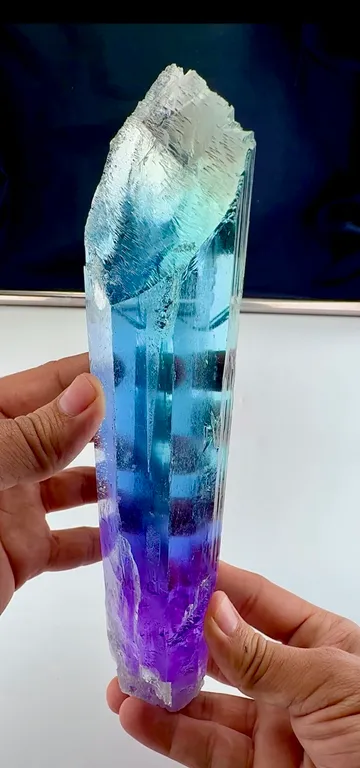
Sammler sollten an Spodumen aus Pala in zwei grobe Familien denken. Das klassische Pala Chief- und Hiriart Mountain-Material neigt dazu historisch zu sein, oft älteren Labels, mit lattenartigen oder spaltbegrenzten Kristallen, starker Ätzung und Farben von blass Rosenrosé über Lavendel bis hin zu blassem Lila. Die moderne Oceanview/Elizabeth R.-Produktion brachte ein neues Kapitel: ungewöhnlich vollständige Kristalle aus den Big Kahuna-Zonen, einschließlich Lavendel, Lila, blau-violett, grünlich und zweifarbigem Material, das im Vergleich zu vielen geätzten älteren Pala-Fragmenten erstaunlich frisch wirken kann.
 Foto: Pala International
Der Reiz des Bezirks liegt nicht nur in der Farbe. Es ist die Lokalkolorit-Identität. Ein Sammler, der eine Pala-Kunzit hält, hält ein Mineral, das mit Schaller, Kunz, Tiffany-Ära-Glasfaser-Gem-Marketing verbunden ist, frühem Kupferberg-Becken Pegmatit-Bergbau in San Diego County und der späteren Wiederbelebung des ernsthaften amerikanischen Pegmatit-Sammelns verknüpft ist. Feinbeispiele werden nach Sättigung, Transparenz, intakter Form, frei von Spaltungsbeschädigungen und der Qualität natürlicher Oberflächenmerkmale beurteilt. Stücke, die sich noch in Ton-, Cleavelandit-, Lepidolith-, Quarz- oder Turmalin-Matrix befinden, sind besonders begehrt, weil Matrix-Spodumen aus Pala viel seltener ist als lose Spaltungsfragmente oder cuttable rough.## Featured Specimens
Specimenien suchen: Alle Spodumen-Exemplare aus dem Pala Mining District, USA ansehen
Der Pala Mining District liegt im nordwestlichen San Diego County, Kalifornien, rund um das Dorf Pala und die jaspisgehaltigen Hügel nördlich und nordöstlich davon. In der mineralogischen Fachsprache wird er oft als Pala Pegmatit-Distrikt oder Pala Edelstein-Distrikt bezeichnet, doch historisch war er kein organisierter Bergbaubezirk im formalen juristischen Sinn; Abbauberechte wurden über County- und Staatssysteme abgewickelt. Für Sammler bezieht sich der Name im Allgemeinen auf die Ansammlung lithium- und edelsteinführender Pegmatite auf dem Chief Mountain, dem Hiriart Mountain, dem Queen Mountain, dem Little Chief Mountain und benachbarten Kämmen.
Die Lagerstätten sind zonierte granitische Pegmatit-Dikes, viele davon lithium-reich und lokal edelsteinführend. Jahns’ und Wrights klassene Studie von 1951 beschrieb mindestens 400 freiliegende Pegmatit-Dikes in einem Gebiet von ungefähr 13 Quadratmeilen. Die meisten folgen überwiegend einer nördlichen Tendenz und fallen sanft bis mäßig nach Westen, mit breiten Biegungen, Verzweigungen, Konvergenz und zusammengesetzten Körpern. Dikes reichen von kleinen Schnüren bis zu großen Pegmatit-Bünden mit Ausläufen, die fast 100 Fuß dick sind. Das wichtigste Edelsteingut tritt in den weiterentwickelten inneren Teilen auf – Quarz-Spodumen-Kerne und Pocket-Pegmatite statt der gewöhnlichen grafitischen Granit-Wandzonen.
In den Pala-Pegmatiten ist Spodumen eng mit den quartzreichen Kernen verbunden. Einige Kerne bestehen aus massivem Quarz mit verstreuten großen euhedralen Spodumen-Kristallen; andere sind Quarz-Spodumen-Gemische, in denen helle, veränderte Streifen die „Kreuzungstextur“ erzeugen, die alte Pala-Miners und Geologen rasch zu erkennen lernten. Edelstein-qualitatives Spodumen ist nur der kleine unveränderte Anteil eines viel größeren Spodumen-Systems. Ein großer Teil des ursprünglichen Spodumens verwandelte sich zu Weiß-, Grau-, Braun- oder Rosafarbtonen Ton – überwiegend Halloysit und Montmorillonit – wodurch klare Kunzit-, Triphane-, Hiddenit- oder farblose Überreste als Überlebende in oder nahe veränderten Umgebungs-Kristallen zurückblieben.
Der Bergbau begann im breiteren Distrikt in den 1870er Jahren, aber der Hauptboom von Edelsteinen und Lithium fand von etwa 1900 bis 1922 statt. Bis 1947 umfasste die gemeldete Ausbringung aus dem Pala-Distrikt 23.480 Short Tons Lepidolith, 2.980 Pfund Turmalin und 1.325 Pfund Edelstein-Spodumen, zuzüglich kleinerer Mengen Amblygonit, Beryll, Feldspat und Quarz. Diese Zahlen unterschätzen den tatsächlichen Gesamtfluss an Proben, da frühe Bergbaurecords unvollständig waren und Sammler, Bergleute und Hochgradierer unregistriertes Edelsteingut entfernten.Die wichtigste klassische Spodumen-Lokalität ist die Pala Chief-Mine am Chief Mountain. Das Grundstück wurde im Mai 1903 von John Giddens, Frank A. Salmons, Bernardo Hiriart und Pedro Peiletch entdeckt und bis etwa 1914 intensiv entwickelt. Jahns und Wright bezeichneten Pala Chief als weltweit führende Quelle für Edelspodumen, wobei die Ausbeute von Kunzit und Triphän dominiert war, aber auch einige grüne und farblose Materialien umfasst. Zu den Abbaustellen gehörten eine lange Reihe von flachen offenen Schnitten, flache unterirdische Gruben, Stollen, Steigleitern und unregelmäßige „Rattenloch“-Gruben, in denen Bergleute pocketsreiche Zonen folgten.
Hiriart Mountain ist gleich wichtig für die früheste Geschichte. Schaller und spätere Schriftsteller verzeichneten die Entdeckung von rosa bis blass-v purpurnem Spodumen auf Hiriart- und Chief Mountains im Jahr 1902. Die Katerina- und verwandte Hiriart-Mountain-Abbaustellen produzierten Kunzit, Triphän, Beryll, Lepidolith, Quarz sowie eine bemerkenswerte Kollektion seltener Phosphat-, Bismut-, Tantal- Niob- und Lithiummineralien. Spodumen von Hiriart Mountain ist oft kürzer und dicker als die klassischen lattenartigen Kristalle des Chief Mountain.
Modernes Sammelinteresse wurde durch die Abbaustellen Oceanview und Elizabeth R. am Chief Mountain transformiert. Im Dezember 2009 und Mitte 2010 stießen Bergleute auf bedeutende Kunzit-haltige Zonen, die in das Big Kahuna Pocket-System mündeten. Das Big Kahuna Pocket produzierte schätzungsweise 1.000 Pfund oder etwa 455 kg Spodumen, wobei ungefähr 10 Prozent als hochwertig zu Edelstein- oder Probenqualität galten. Im Gegensatz zu wesentlich älterem Pala-Kunzite waren eine Reihe dieser Kristalle ungewöhnlich vollständig und weniger stark von dem typischen schweren Nachwachs-Ätzungen betroffen, wie sie bei vielen Pala-Stücken vorkommen.
Der Zugang wird durch aktive Claims und Privateigentum kontrolliert. Der Pala Chief gehört Oceanview Mines, LLC und ist im Allgemeinen nicht für gelegentliches Sammeln offen, obwohl saisonal Sonder-Tagesdigs in kühleren Monaten angeboten wurden. Die Oceanview-Betriebe haben außerdem öffentliches Fee-Digging in ausgefiltertem Grubenmaterial angeboten. Sammler sollten ohne Genehmigung nicht versuchen, alte Arbeiten, Abraumhalden oder aktive Claims zu betreten; abgesehen von rechtlichen Fragen enthält das Gebiet instabile Schnitte, Tunnel, steile Abraumhalden, alte Stopes und lose Pegmatitfassaden.## Eigenschaften von Spodumen aus dem Pala Mining District, USA
Pala-Spodumen ist typischerweise blättrig, plättchen- oder stäbchenförmig oder schuppenförmig, entsprechend dem monoklinen Habitus von Spodumen und der perfekten prismatischen Spaltbarkeit. Jahns und Wright beschrieben eine auffällige Quarz-Spodumen-Gesteinsart, in der plättchenförmige Spodumenkristalle in einem Mosaik grober, anhedraler Quarze liegen. In diesem Gestein reicht Spodumen von äquienten Kristallen, die etwa einen halben Zoll groß sind, bis hin zu Blättern und Stäben von bis zu etwa 7,5 Fuß Länge und 2 × 14 Zoll Querschnitt; im Durchschnitt lagen die von ihnen beschriebenen Stäbe jedoch näher bei ca. 18 Zoll Länge und ungefähr 1/2 × 3 Zoll im Querschnitt. Die meisten dieser großen Kristalle sind nicht himmelhell bzw. facettierbar; viele sind stumpf, undurchsichtig, blass grau bis gelblich-grau oder zu kalkiges Tonstreifen in Quarz verändert.
Das sammelbare Material ist das unveränderte Überbleibsel: transparenter bis transluenter Spodumen als vollständige Kristalle, geätzte Kristalle, Spaltfragmente oder Kristallabschnitte. Die meisten klaren Bruchstücke aus den klassischen Lagerstätten sind weniger als 2 Zoll lang. Außergewöhnliche dokumentierte Edelsteinkristalle aus den Minen Pala Chief, Vanderburg und Katerina erreichten mindestens 15 Zoll Länge und wogen 16 bis 27 Unzen; mehrere lieferten makellose Schliffsteine von 75 bis 250 Karat.
Farbe ist die zentrale Anziehungskraft. Pala-Kunzit reicht von sehr blass rosé-rosa über lila bis hin zu blassviolett, manchmal mit einem schwachen bläulichen Schimmer. Die Beschreibung von Schaller aus 1903 betonte tiefe amethystine violette, rosé- und magentafarbene Kristalle. Das Distriktgebiet produzierte auch Triphän, die farblose bis strohgelbe bzw. gelbliche Sorte; blass grüne versteckte Spodumen-ähnliche Spodumen; und farblose Materialien. Einige Kristalle zeigen Farbzonierung, mit lila Zentren und farblosen bis grünlichen Rändern, wobei die Ränder häufig an den Enden dicker sind als an den Seiten. Oceanview-Material erweiterte den Vokabular der Sammler mit stark pleochroitischen Kristallen, die in einer Richtung blass grün und entlang der c-Achse blau bis tiefviolett erscheinen.
Oberflächenstruktur ist einer der besten Ortshinweise. Pala-Spodumen ist gewöhnlich stark gestriemt parallel zur Verlängerung, gefurcht, geätzt und abgerieben. Schaller widmete besondere Aufmerksamkeit triangularen Ätzfiguren an Prismenseiten und bemerkte, dass sie sich über natürliche Kristallflächen drängen und von mikroskopischer Größe bis zu etwa 3 mm lang und 1 mm breit reichen können. Bei Sammlerexemplaren erzeugen diese Merkmale oft ein schimmerndes, wellenförmiges, wassergetragenes Aussehen. Perfekt glasige, geätzte Oberflächen sind bei älterem Pala-Material weniger typisch, obwohl moderne Oceanview-Kristalle ungewöhnlich vollständige Beispiele enthalten.Die häufigsten Begleitminerale sind Quarz, Albit var. Cleavelandit, Muskovit, Lepidolith, Mikroklin oder Orthoklas, Turmalin und Beryll. Im Pala Chief Pocket Pegmatit kommt Spodumen zusammen mit Quarz, Beryll, Lepidolith, Alkaliturmalin, grobem Potashfeldspat, Albite und seltenen Begleitspezies vor. Manch ein Spodumen ragt in tongefüllte Höhlen mit Quarzkristallen und schuppigem Lepidolith hinein; anderswo ist er in massiven Quarz gebannt oder von Quarz und Lepidolith umgeben. Matrixstücke mit Spodumen, weiterhin natürlich assoziiert mit Cleavelandit-Schäfelchen, Lepidolith, Quarz oder Turmalin, sind deutlich seltener und lagenreicher als lose Kunzit-Brocken.
Die Qualität wird zuerst nach Farbe und Transparenz bewertet, dann nach Form und Vollständigkeit. Ein feines Pala-Präparat sollte eine attraktive Rosé-, Flieder-, Violett-, Blauviolett-, Gelb- oder zweifarbige Färbung zeigen; gute innere Klarheit; offensichtliches Spodumen-Habitus; minimale Prellungen entlang der Spaltbarkeit; und natürliche Oberflächen statt frisch gebrochener Spaltflächen. Bei alten Pala Chief-Stücken kann eine starke Provenienz ebenso wichtig sein wie die Größe: Ein kleines, altetikettiertes, unverändertes Kunzit-Stück mit natürlicher Ätzung kann begehrenswerter sein als ein größeres, aber anonymes Spaltfragment.## Collector Notes
Authentic Pala spodumene usually announces itself through a combination of locality, habit, and history: bladed form, strong cleavage, vertical striations, etched surfaces, pale to saturated pink-lilac color, and association with quartz, cleavelandite, lepidolite, muscovite, tourmaline, oder clay after spodumene. Labels should be read carefully. “Pala” may mean Pala Chief, Oceanview/Elizabeth R., Katerina, San Pedro, Anita, or another mine in the district, and value can change significantly with the exact mine.
Condition is the principal collecting challenge. Spodumene has two directions of perfect cleavage, and Pala pieces are often naturally fractured, etched, partly altered, oder broken from larger crystals. Edge chipping, bruised terminations, internal cleavage flashes, rehealed fractures, and clay-filled surface pits are common. On older Pala Chief and Hiriart Mountain material, many “crystals” are actually cleavage fragments from once-larger laths; this is not necessarily undesirable, but it should be priced honestly. Complete, terminated, transparent crystals are far rarer.
Color stability deserves special attention. Some spodumene colors can fade with prolonged sunlight, especially green, lavender, pale purple, and bluish material. Historic work also showed that strong X-rays can change spodumene to an intense light green that reverts toward the original color in sunlight. For collectors, the practical rule is simple: keep fine Pala kunzite and Oceanview blue-purple or greenish spodumene out of direct sunlight and strong display lighting, and be cautious of unusually intense green stones or rough unless treatment history is disclosed.
There are no widely documented, locality-specific fake Pala spodumene specimens in the same sense as fabricated classic matrix pieces from some other mineral localities, but there are several authenticity traps. Loose kunzite from Afghanistan, Brazil, Madagascar, oder other sources may be casually labeled “Pala” because the name carries prestige. Faceted kunzite is particularly difficult to locality-confirm without reliable provenance. A specimen with matrix is easier to evaluate, but even then, repairs, glued fragments, stabilized clay, or reconstructed pocket associations should be disclosed.
Modern market availability is uneven. Small loose fragments, etched miniatures, and Oceanview self-collected pieces appear with some regularity. Good Pala Chief classics with old provenance are much less common, and large, deeply colored, transparent crystals from early production are genuinely scarce. Fine Oceanview Big Kahuna material is a modern collectible category of its own; the best examples are complete, saturated, and well documented, and they can bring strong prices because they combine American locality, recent pocket history, and superior form.## Stories & Field Notes
Schaller’s 1903 paper has the atmosphere of a discovery being captured almost before the trade knew what it had. He described “beautiful transparent spodumene” from near Pala in deep amethystine purple, rose, and magenta shades, then walked the reader into the geology: a pegmatite dike dipping west at perhaps 20°, broad but irregular, no more than about 30 feet thick, with lithium minerals concentrated in only a small part of the body. The ordinary dike was a coarse muscovite granite with orthoclase and quartz, plus rounded prisms of black tourmaline with broken ends. Where lepidolite replaced muscovite, the color changed: red, blue, and green tourmalines appeared, and with them the spodumene.
The crystals themselves gave Schaller plenty to puzzle over. The ends were rounded, the prism zone carried the useful faces, and the orthopinacoid was “always deeply furrowed vertically.” He noticed three habits: smaller tabular crystals, larger tabular crystals flattened parallel to a broad orthopinacoid, and a rarer octagonal habit in which prism and pinacoid faces were more evenly developed. What most caught his attention were the natural etch figures: triangular pits crowded across crystal faces, sometimes with smaller triangles nested in the base of a larger one, sometimes strung across a prism face in a near-horizontal line. On one crystal, the etch figures penetrated all the way through, emerging on the opposite clinopinacoid.
Then came the name. Schaller’s article was completed in September 1903, and he added a note that short notices had appeared in Science and that the gem had been named kunzite. In the space of a season, a San Diego County pegmatite mineral had moved from a freshly studied spodumene to a named gemstone linked with George F. Kunz. The timing matters: Schaller still wrote like a mineralogist mapping a new occurrence, while jewelers and collectors were already turning the same material into a gem identity.
The Pala Chief story begins with a compact cast of names. In May 1903, John Giddens, Frank A. Salmons, Bernardo Hiriart, and Pedro Peiletch located the deposits on Chief Mountain. They developed the mine through roughly 1914, when the early commercial period faded. The old photographs preserved by Pala Chief Mine show the discoverers working at the face of the pegmatite, prying into pocket zones rather than standing beside industrial machinery. One image from about 1903 or 1904 shows M. S. McLure, Hiriart, Peiletch, and Salmons at the open pegmatite face in the area associated with the first kunzite. Another shows George Frederick Kunz himself with a large Pala Chief kunzite crystal mined around 1903 or 1904 and a cut kunzite on the table before him.Der Pala-Chief entwickelte einen romantischen Wortschatz. Ein früher großer Pocket wurde als die „Brautschmuckkammer“ bekannt. Jahns und Wright beschrieben die Mine mit geologischer Zurückhaltung als Narbe von gestuften offenen Schächten an der southwest-gespeisten Seite eines nahezu flach gekrönten Grats, sichtbar aus Süden und Südwesten. Der Hauptschacht war etwa 280 Fuß lang, 20 bis 65 Fuß breit und stellenweise 25 Fuß tief an der Wand. Unter Tage erstreckten sich die Arbeiten als sanft abfallende Driftpassagen und Neigungen mit unregelmäßigen Rattenloch-Ausgrabungen in den Wänden – genau die Art exploratorischer Geometrie, die von Bergleuten geschaffen wurde, die Pockets folgten, nicht Erzzonen.
Die District hatte auch seine Schattenwirtschaft. Jahns und Wright waren ungewöhnlich offen darüber, wie viel Schmuck- und Muster-Material aus den Büchern entwich. Sie schrieben, dass formale Produktionsaufzeichnungen lediglich Minimalwerte seien, und trennten gewöhnliche Amateur-Sammler von „aktiven Hochstufern“: Bergleute, die einen Teil der Ausbeute zurückhielten, und Personen, die informell arbeiteten, wenn Minen stillgelegt waren. Ihr Urteil ist denkwürdig. Einige dieser Männer, schrieben sie, seien so scharfsinnig darin, die Pegmatitstruktur und die Pocket-Positionen zu lesen, dass sie in bestimmten Minen wahrscheinlich pro Pegmatit-Einheit mehr brauchbares Material zurückgewonnen hätten als die Eigentümer während des regulären Betriebs. In einem Bezirk, in dem der Pay-Streak eine dünne Tonschicht oder eine Pocket am Rand eines Quarz-Primärkerns versteckt sein konnte, konnte praktischer Sense für Pocket-Aktionen formellen Eigentumsansprüchen rivalisieren.
Die modernen Oceanview-Entdeckungen gaben Pala eine zweite Aufführung. Am 3. Dezember 2009 wurde in der Oceanview-Mine eine neue Kunzit-Pocket geöffnet. Bis Mitte 2010 stießen die Bergleute auf eine Zone massiver Lepidolith- und rosa Turmalin-Vererzung mit mehreren verbundenen Taschen, die Rauchquarz, grünen, rosa und zweifarbigen Turmalin und klaren Spodumen enthielten. Die Haupttasche wurde Big Kahuna genannt. Sie produzierte schätzungsweise 1.000 Pfund Spodumen, etwa 10 Prozent davon Schmuck- oder Musterqualität, und schloss Kristalle über 1 kg ein. Das ist eine bemerkenswerte Zahl für eine Lokalität, deren klassische Produktion oft durch gravierte Fragmente und veränderte Überreste dargestellt wurde.
Was das Material vom Big Kahuna so wichtig machte, war nicht nur das Gewicht. Die Kristalle entkamen einem Großteil der nachfolgend entätzenden Prozesse, die für Pala-Kunzite typisch sind, und waren ungewöhnlich vollständig. Mindat verzeichnet einen späteren „Big Kahuna“-Kristall aus der Big Kahuna II-Zone, gesammelt am 20. Dezember 2010, der 28 cm hoch, 15,6 cm breit, 2 cm dick war und etwa 2,2 kg wog. Für amerikanische Spodumen-Sammler verschob diese Art von Muster Oceanview von einer lokalen Gebühr-Dig-Neugier zu einer ernsthaften modernen Quelle weltklasse Kunzit.## Mineralogische Aufzeichnungen & Publikationen
Waldemar T. Schaller, “Spodumen aus dem San Diego County, Kalifornien,” Bulletin der University of California, Department of Geology, Band 3, Nr. 13, 1903, S. 265–275. Schallers grundlegende Beschreibung der Pala-Spodumen-Kristalle unmittelbar bevor der Schmuckname Kunzit verwendet wurde. Lesen bei Pala International
George F. Kunz, “Über einen neuen lavendelfarbigen Spodumen aus dem San Diego County, Kalifornien,” American Journal of Science, 4. Serie, Band 16, 1903, S. 280. Die frühe Veröffentlichung, die mit der Benennung und Förderung von Kunzit als Kalifornien-Schmuckstück verbunden ist. Referenzeintrag bei Mindat
Richard H. Jahns und Lauren A. Wright, Edelstein- und Lithium-haltige Pegmatite des Pala-Bezirks, San Diego County, Kalifornien, California Division of Mines Special Report 7-A, 1951. Das wesentliche technische Monograph zur Geologie des Pala-Bezirks, Pegmatit-Struktur, Mineralogie, Produktion und Minenbeschreibungen. CaltechAUTHORS-Aufzeichnung
Richard H. Jahns und Lauren A. Wright, Edelstein- und Lithium-haltige Pegmatite des Pala-Bezirks, San Diego County, Kalifornien, Internet Archive Scan. Nützlich für durchsuchbaren Text, Tafeln, Karten und historische Produktions tabellen. Internet Archive-Scan
Mark Mauthner, “Jüngste Funde von Kunzit in Pala, Kalifornien,” Gems & Gemology, Sommer 2010, S. 149, mit ergänzenden Fotos aus dem GIA Data Depository. Dokumentiert die Kunzit-Funde der Mine Oceanview 2009–2010, einschließlich des Big Kahuna Pocket. GIA ergänzendes PDF
C. S. Hurlbut Jr., “Dunkle Einschlussstoffe in einem Tonalit aus Südkalifornien,” American Mineralogist, Band 20, 1935, S. 609–630. Kein Spodumen-Papier, aber Teil der breiteren südkalifornischen Batholith-Literatur, die in Pala Pegmatit-Studien zitiert wird. American Mineralogist-Archiv
Peter C. Keller, Edelsteine und ihre Herkunft. Enthält weiteren Kontext zu Edelstein-Pegmatiten und der Art von Seltene-Erz-Mineralisierung, die durch Pala vertreten ist. GIA-Bibliothek Suche## Weiterführende Lektüre & Externe Links
Mindat: Pala Mining District, San Diego County, California — Der zentrale Ortsindex für Mine, Arten, Fotos und Referenzen im Pala-Distrikt.
Mindat: Pala Chief Mine — Ortsseiten-Ebene für die klassische Chief Mountain Kunzitquelle.
Pala Chief Mine offizieller History — Knapp gehaltene moderne Geschichte mit frühen Fotografien, Entdeckernamen, Eigentümernotizen und der Pala Chief Timeline.
Pala Chief Mine offizielle Seite — Aktuelle Eigentums- und Zugangsinformationen für Pala Chief Spezialgräber und oceanview-bezogene Operationen.
Pala International: Schaller’s „Spodumene from San Diego Co., California“ — Vollständige Online-Präsentation des Schaller-Artikels von 1903 mit Tafeln und Kommentar.
CaltechAUTHORS: Jahns & Wright, 1951 — Autoritativer Eintrag für den klassischen California Division of Mines Special Report 7-A.
Internet Archive: Gem- und Lithium-tragende Pegmatite des Pala-Distrikts — Gescannte Kopie des vollständigen Jahns-und-Wright-Berichts mit Tafeln und herunterladbarem Text.
GIA Data Depository: Neuere Funde von Kunzit in Pala, Kalifornien — Ergänzende Fotos und Notizen, die das Oceanview Big Kahuna Pocket dokumentieren.
Mindat-Galerie: Oceanview Mine — Foto-reiche Galerie mit Oceanview-Spodumen, Material aus der Big Kahuna-Zone und zugehörigen Pegmatit-MineraIien.
Wikimedia Commons: Spodumene-57044 — Freizugängiges Foto eines pastell-pinken Pala Chief Kunzit-Kristalls von Rob Lavinsky.
San Diego History Center: Gold in the Sun, 1900–1919 — Lesbare Regionalgeschichte, die Pala Kunzit im frühen zwanzigsten Jahrhundert der San Diego County-Gemminen einordnet.