Spodumene — kunzite, hiddenite, and triphane varieties; vivid colors and pleochroism, formed in granitic pegmatites, with gem and specimen appeal and fragility.
Key facts
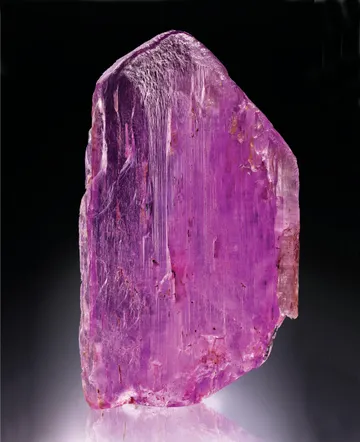
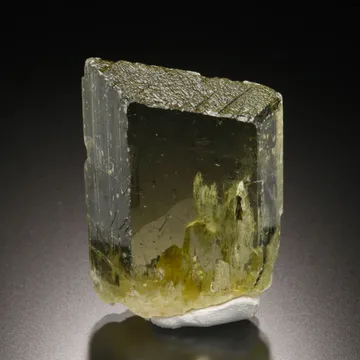
Spodumene is a lithium aluminum inosilicate best known to collectors through its gem varieties: kunzite (pink to purple, Mn2+/Mn3+), hiddenite (chromium- or vanadium-colored green), and triphane (yellow to greenish-yellow). It forms in granitic pegmatites as elongated monoclinic prisms, often thick, deeply striated, and capable of truly colossal sizes—meter-long crystals are known, and Koktokay, China, produced giants several meters in length. Fine crystals display a glassy luster and sharp terminations, though perfect terminations are less common on the largest pieces.
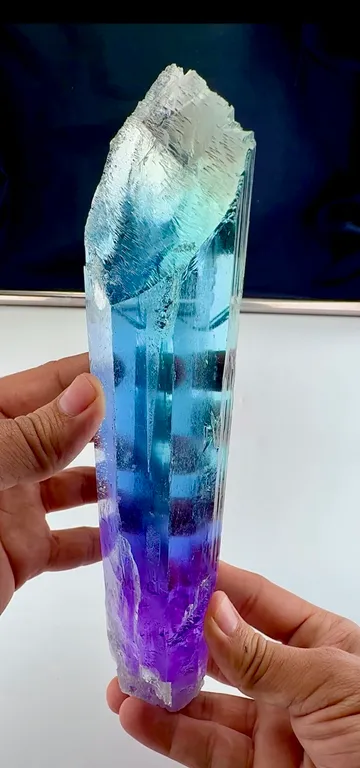
Kunzite is famous for intense pleochroism—color varies dramatically with viewing direction—so orientation matters in both cutting and display. Many spodumene crystals are highly transparent, with limpid interiors that glow when backlit. Collectors seek bright, saturated colors (neon-lilac kunzite, vivid green hiddenite, rich lemon triphane), elegant prismatic form, and aesthetic associations with white cleavelandite, quartz, and lilac lepidolite. Spodumene’s perfect cleavage makes it fragile; pristine, unrepaired specimens are rare and command strong premiums.
Spodumene sits at a crossroads of specimen and gem worlds. Historically, the Pala District (California) popularized kunzite in the early 1900s, while Afghanistan’s Nuristan discoveries from the 1980s onward injected the market with breathtaking, highly lustrous kunzites and triphanes, often on attractive matrix. Brazilian pegmatites have supplied a steady stream of elegant pastel kunzites, and China’s Koktokay field is renowned for huge, display-worthy crystals (even if most are pale).
Today, gemmy Afghan pieces—especially well-terminated, strongly colored kunzite with good size—are centerpieces in modern collections. California classics carry historic cachet, and select Brazilian cabinet specimens provide excellent value. Hiddenite from its classic North Carolina area remains iconic but is scarce in the market. The species’ broad range—tiny thumbnails to museum-scale crystals—means there are options for nearly every collector, though truly top-color, damage-free pieces are uncommon and fiercely contested.
Paprok in Nuristan is the modern benchmark for fine kunzite. Crystals range from elegant, gem-clear prisms to robust, richly colored columns, commonly associated with snowy cleavelandite, quartz, and rose/lilac lepidolite. Many feature bright, glassy faces and crisp terminations that “light up” with backlighting. While most are single crystals, occasional matrix pieces and clusters exist and are highly sought after. Strong pleochroism means display orientation can dramatically affect perceived color; seasoned collectors rotate Paprok crystals to maximize the best axis. Top specimens combine intense lilac-pink color, high clarity, sharp form, and minimal repair—an elusive combination and the reason Paprok kunzite sits among the most desirable on the market.
The Mawi pegmatite field (Kunar/Nuristan region) is famous for both kunzite and triphane, including rare bluish tones reported in certain finds. Mawi crystals can be stout and vivid, with excellent luster and transparency, and sometimes show subtle zoning. Some exhibit natural etching or solution features, adding texture without sacrificing brilliance. Matrix specimens—kunzite on cleavelandite with accessory mica—occur and can be dramatically aesthetic. Because Mawi crystals often formed under dynamic conditions, internal tension is common; undamaged tips and clean faces significantly increase desirability.
Beyond the Himalaya Mine, the broader Pala District includes classic pegmatites (Tourmaline Queen, Oceanview, etc.) that have produced kunzite crystals for more than a century. While Pala is better known for tourmaline, its spodumene production—especially early kunzite—cemented the district’s fame. Collectors value Pala specimens for their history, complementary matrix contrasts, and the district’s signature “old California” aesthetic. Intact, unrepaired matrix pieces are scarce and prized, and even smaller Pala kunzites attract attention due to their provenance.
Spodumene is relatively hard (Mohs ~6.5–7) but has perfect cleavage and can be brittle.
By focusing on color, clarity, form, and careful display orientation—while respecting spodumene’s fragility—you can assemble a compelling suite of kunzite, hiddenite, and triphane that showcases the full beauty of this celebrated pegmatite mineral.