Scorodite Collectors Guide
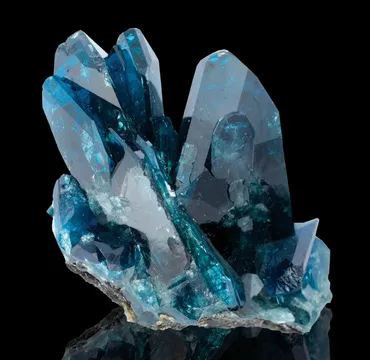
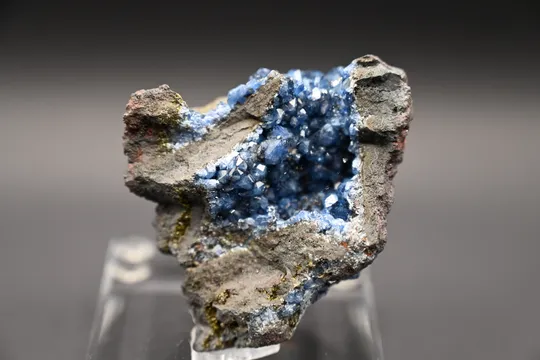
Scorodite is a hydrated iron arsenate (FeAsO4·2H2O) best known for its enchanting blue to blue‑green hues and glassy luster. It forms in the oxidation zone of arsenic-bearing deposits (especially arsenopyrite), typically as sharp orthorhombic prisms and dipyramids, drusy coatings, rosettes, or ball-like aggregates, often perched on limonite/goethite gossan. While microcrystals are common, sizable, sharp, translucent crystals are decidedly rare and highly prized. The best pieces combine saturated color, gemmy clarity, and crisp form with striking contrast on dark iron oxides or pale quartz.
Collectors value scorodite for several reasons:
- Color: few arsenates rival its luminous sky-blue to teal tones.
- Rarity of quality: pretty micro druses abound, but larger, transparent crystals on aesthetic matrix are scarce.
- Diversity of habits and associations: from China’s vivid, gemmy prisms to Mexico’s elegant rosettes on gossan, each locality has a signature look.
As with most arsenates, scorodite is brittle and sensitive to harsh cleaning. It is safe to display and handle with normal care, but mindful, informed stewardship keeps both the specimen and the collector safe.
Scorodite’s popularity has surged with modern finds—especially in China—bringing exceptional, gemmy blues to market that were scarcely seen a generation ago. Classic older sources like Ojuela and Tsumeb produced elegant, smaller crystals and rosettes long treasured by connoisseurs. Today, scorodite straddles two worlds: accessible as attractive micros, yet capable of commanding strong prices when crystals are larger, transparent, and on aesthetic matrix. Because outstanding examples remain uncommon, top pieces are quickly absorbed into major collections.
Below are renowned localities that consistently produced notable scorodite specimens. Each locality has a distinctive style that advanced collectors recognize immediately.
The Ojuela Mine (Mapimí, Durango) is a classic scorodite source. Its crystals typically form as blue-green rosettes, sprays, and drusy coatings on ocherous gossan, with associations including adamite, mimetite, aurichalcite, and legrandite. While most crystals are small (millimeters), they can be surprisingly sharp and vibrant, with strong contrast on dark iron oxides that display beautifully. Matrix specimens showing multiple rosettes in balanced compositions are particularly prized.
The legendary Tsumeb deposit occasionally produced scorodite, albeit infrequently compared to its famed arsenates. Tsumeb scorodite tends toward sharp, dark blue to blue‑green crystals and druses on limonite or carbonate matrix, sometimes with distinctive associations. Specimens are rarities from a storied mine, prized for provenance and for their crisp crystal form reflective of Tsumeb’s geochemical complexity.
- Color and saturation: The most desirable scorodite shows vivid sky‑blue to teal hues that read clearly in ambient light, not only when backlit. Pale or muddy shades are less sought after, though locality provenance can offset paler color.
- Transparency and luster: Gemmy zones with bright vitreous luster give a “wet” look that elevates the specimen. Many scorodites are translucent; transparent terminations or windows are a premium feature.
- Crystal size and form: Sharp orthorhombic prisms or dipyramids with crisp edges carry significant value, especially when crystals exceed a few millimeters. Fans or rosettes can be very aesthetic if the individuals are distinct and undamaged.
- Matrix and composition: Strong contrast on dark gossan (limonite/goethite) is classic and display-friendly. Balanced compositions where the main crystal or cluster is well-positioned and isolated are more desirable than jumbled masses.
- Condition: Scorodite is brittle. Chips on terminations are conspicuous, so intact tips are critical. Inspect edges with a loupe; even tiny nicks can affect value on otherwise fine pieces.
- Provenance: Classic mines (Ojuela, Tsumeb, historic European districts) and documented modern Chinese finds add cachet, especially for museum-level collections.
- Reattachments: Delicate rosettes and isolated crystals are sometimes re-glued to matrix. Look for straight glue lines, slight misalignments of striations, or glossy seams under a loupe. Some epoxies fluoresce under LW-UV.
- Stabilizers: Very fragile druses may be consolidated with thin resin. A localized, unnaturally glossy patch that differs from the surrounding luster can be a clue; ask the dealer for disclosure.
- Polishing/treatments: Polishing is rare for scorodite and ill-advised due to brittleness. Color-enhancement treatments are not typical for mineral specimens (vs. cut gems), but always be skeptical of unusually intense, uniform color with otherwise suspicious traits. Buy from reputable sources and request full disclosure.
- Handling and display: Hardness is modest (~3.5–4.5) and toughness is poor. Handle over a soft surface, support matrix pieces from beneath, and avoid touching delicate crystal tips. Display away from high-traffic areas where vibration or bumps could cause damage.
- Cleaning: Use only soft, dry brushing or a gentle rinse in room‑temperature water with a drop of mild dish soap. Rinse and dry thoroughly. Avoid acids, chelators, ultrasonic cleaners, and high-pressure streams, which can etch or fracture crystals and attack matrix.
- Light and temperature: Normal cabinet LEDs are fine. Avoid prolonged direct sun or high heat; some scorodite can slowly fade or dehydrate under extreme conditions. Do not subject specimens to rapid temperature swings.
- Humidity: Moderate, stable indoor humidity is ideal. Extremely dry, hot environments can promote dehydration/alteration of some arsenates over very long periods.
- Safety (arsenate species): Scorodite contains arsenic. It is safe to display and handle sensibly:
- Do not lick, ingest, or create dust; avoid aggressive mechanical cleaning.
- Wash hands after handling; keep away from food prep areas.
- Consider enclosed display cases for very friable pieces or where children/pets are present.
- Storage and transport: Individually pad specimens (foam or tissue) and separate them from harder minerals that can scratch them—or softer ones they might scratch. Secure display bases with a tiny amount of museum putty if needed, and ensure cases are stable in quake-prone areas.
With patient selection and careful stewardship, scorodite rewards collectors with some of the most alluring blues in the arsenate world—small jewels of the oxidation zone that shine brightly in any cabinet.