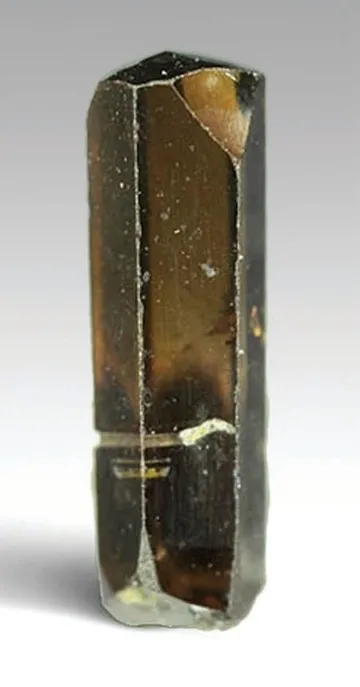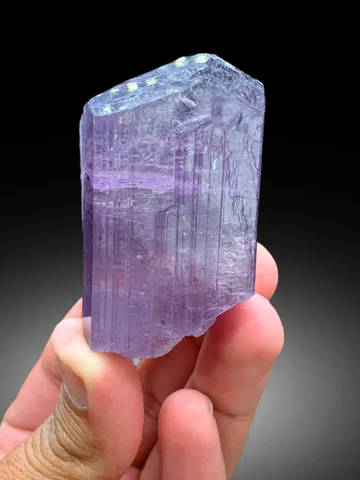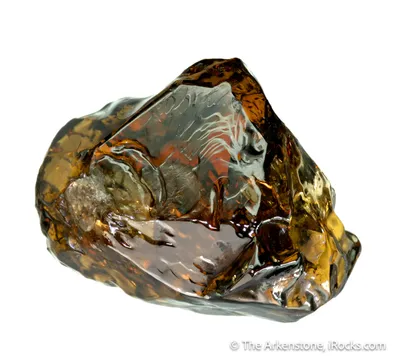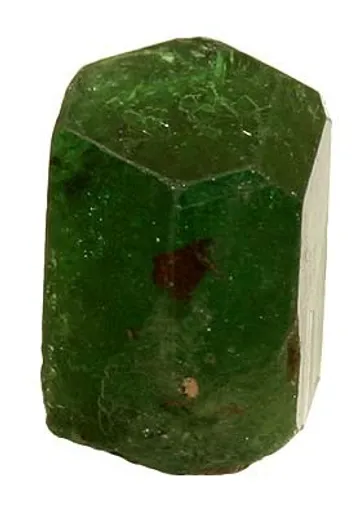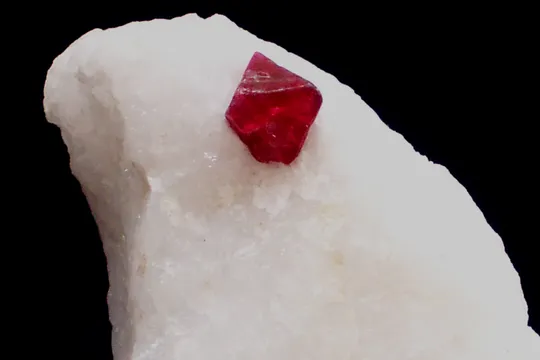
Scapolite du Mogok Valley, Myanmar, cristaux sans couleur vitreux à jaune pâle avec des nuances lavande et rose ; apprécié comme matériel gemme et comme spécimens de localité.
Key facts
La scapolite de Mogok se tient à l’ombre des rubis et spinelles de la vallée, mais les collectionneurs sérieux savent qu’elle est l’un des prix les plus subtils du Stone Tract : un minéral qui enregistre le même environnement marbre de haute qualité et riche en volatiles qui a rendu Mogok légendaire. Les meilleures pièces possèdent l’élégance discrète d’un minéral marbre plutôt que le drame éblouissant du corindon — cristaux prismatiques vitrifiés, transparence jaune pâle à incolore, teintes lavande et rosées dans le matériel gemme, et une association distinctement mogokoise avec le marbre de calcite blanche, rubis, spinelle, diopside, phlogopite, graphite, pyrite, sodalite-hackmanite, et des borates rares tels que le johachidolite.
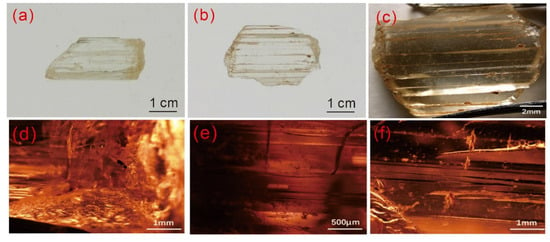
Photo : Yuan et al., Crystals, MDPI
Le cadre géologique est la clé de son attrait. Mogok appartient à la Ceinture métamorphique de Mogok, une longue trajectoire de roches métamorphiques de haut niveau s’étendant à travers le centre de Myanmar. Dans la région de Mogok, des marbres blancs grossiers sont interstratifiés avec des gneiss et traversés par des corps granitiques, sélénitiques et pegmatitiques. La scapolite n’est pas un accessoire accidentel ici ; elle fait partie de l’assemblage minéral porteur de volatiles des marbres et des roches calco-silicatées, surtout là où des fluides riches en chlore et en carbonate ont circulé dans le système. Dans les travaux analytiques modernes, la scapolite mogokoise a été caractérisée comme incolore à faiblement jaune et transparente, appartenant au dipyres riche en Cl, avec du graphite identifié parmi les inclusions sombres.
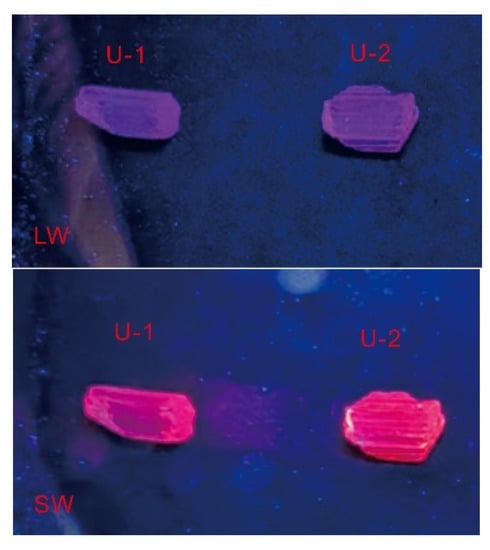
Photo : Yuan et al., Crystals, MDPI
Pour les collectionneurs, la scapolite mogokoise a deux identités qui se chevauchent. L’une est l’identité gemme : pierres transparentes, incluant des teintes rougeâtres-violettes, roses, violettes, et le matériel cabochon à chatoyance représenté dans la Collection Edward J. Gübelin du GIA. L’autre est l’identité échantillon : cristaux et intercroisements issus d’assemblages riches en marbre, en particulier les pièces avec un caractère local fort — scapolite en marbre blanc avec rubis ou spinelle, scapolite avec pyrite dans le marbre de scapolite, et des assemblages fluorescents des localités Pein-Pyit et associées de Mogok où la scapolite coexiste avec hackmanite, johachidolite, feldspath, phlogopite et uranothorianite.

*Photo : Wikimedia Commons*Une belle pièce de scapolite de Mogok n’est pas simplement un cristal de scapolite accompagnée d’une étiquette birmane. Elle devrait démontrer pourquoi Mogok est important : contexte hébergé par du marbre, éclat gemmeux, forme prismatique nette lorsque préservée, fluorescence intéressante, ou une association minéralogique qui la lie à la chimie métamorphique complexe borée, chlorée, sulfurée et carbonatée de la Vallée. Des pièces qui préservent ce contexte sont bien plus prisées que de simples cristaux pâles et anonymes en vrac.## Spécimens en vedette
Search for specimens: View all scapolite specimens from Mogok Valley, Myanmar
Mogok n’est pas une localité minière unique mais un district de gemmes historique centré sur le township de Mogok dans la région de Mandalay, avec des sous-localités nommées et des zones minières réparties dans les vallées de Mogok et Kyatpyin et les collines adjacentes. Mindat enregistre la scapolite au niveau du township et à de nombreuses localités mogokoises plus spécifiques, notamment Baw-lon-gyi, Baw-lon-lay, Thurein-taung, Wet-loo, Kyauk-saung-Kyatpyin, Dan-dagu-taung, Dattaw-taung, Laung-pyit, Ohn-bin-ywe-htwet, Pein-Pyit, Mansin/Thet-kachan, et la mine Pyant Gyi. Cela importe pour les collectionneurs car les étiquettes “Mogok” varient fortement en précision : certains spécimens portent seulement le nom du district, tandis que les pièces les mieux documentées associent la scapolite à une mine ou une colline nommée.
Le type de dépôt est dominé par une minéralisation métamorphique et calc-silicate, hébergée par le marbre, avec une composante secondaire marécageuse importante pour le commerce des gemmes. Les célèbres gravats byon—anciens dépôts alluviaux, lacustres et colluviaux dérivés de bedrock érodé et de résidus de marbre—sont la source traditionnelle de nombreux rubis, spinelles, saphirs et minéraux gemmes associés. Cependant, la scapolite se comprend mieux comme faisant partie de l’ensemble métamorphique primaire et des metasomatiques : elle se produit dans le marbre, dans le biotite schisteux contenant de la scapolite, dans le schiste calcaire, et dans le marbre pyrite–scapolite–diopside, et elle apparaît aussi comme inclusion dans certains corindons mogokois.
La géologie plus large est une intersection compacte mais exceptionnellement complexe entre des marbres de calcite grossiers, desgneiss à forte teneur, des schistes, des roches calc-silicatées, des intrusions de syénite-charnockite, des granites, des pegmatites et des roches ultramafiques. Les marbres contiennent du rubis et de la spinelle mais aussi de la diopside, du phlogopite, de l’oléine, de la scapolite, de la titanite, de la grenat, du graphite, de l’apatite et de la pyrite. Les bodies charnockite-syenite et les skarns jouent un rôle important dans le système gemme régional, et le granite de Kabaing et les corps granitiques apparentés font partie de l’histoire intrusives plus large. La géochronologie moderne situe les principaux événements métamorphiques et ignées dans une histoire multiphasée liée à la collision Inde–Sibumasu, avec des âges de marbre contenant du rubis et de titanite de skarn autour du début du Miocène dans certains échantillons étudiés.L’histoire minière de Mogok est inseparable du rubis, mais les collectionneurs de scapolite bénéficient de cette longue tradition minière. D’anciennes sources mentionnent la fortune gemme de Mogok depuis des siècles; l’exploitation à l’époque britannique a commencé après l’annexion de l’Upper Burma à la fin du XIXe siècle; des tentatives mécanisées ont émergé puis échoué; et des travaux privés plus modestes ont repris après l’effondrement de la Burma Ruby Mines Company. Le récit de Waltham sur les mines de rubis décrit l’exploitation traditionnelle par puits, les mines à ciel ouvert à Byon, le tamis manuel, les tunnels de roche dure suivant des veines riches en calcite, et un district comptant plus de 1 000 mines au moment de son écriture. Les spécimens de scapolite parviennent aux collectionneurs largely comme sous-produits de cette économie gemme, non comme l’objectif d’une extraction de scapolite dédiée.
L’accès à la collecte est donc indirect. Mogok est un district gemme actif avec un accès restreint et en mutation et une structure commerciale centrée sur l’extraction locale, les marchés de pierres, les négociants et les canaux d’exportation plutôt que sur la collecte occasionnelle sur le terrain. Pour les collectionneurs étrangers, l’origine se fait typiquement par l’intermédiaire de négociants, d’anciennes collections, de documents de musée et d’étiquettes de spécimens plutôt que par la collecte personnelle. Les étiquettes les plus utiles incluent la sous-localité, le nom de la mine si connu, l’association, la date ou la période de découverte, et si le spécimen provient du marbre, de Byon, ou d’un assemblage fluorescent mixte particulier.
Des trouvailles notables liées à la scapolite incluent du matériel gemme de Kyatpyin et Kathé représenté dans la Gübelin Collection, une scapolite Mogok violet profond de 4,083 ct décrite par Anderson et Payne en 1954, et du matériel de marché de spécimens ultérieurs tels que la scapolite lavande provenant d’une découverte dite apparue vers 2002. Un intérêt croissant des collectionneurs s’est également porté sur les assemblages Pein-Pyit/Pyant Gyi où la scapolite cohabite avec hackmanite et johachidolite, produisant parfois un spécimen visible en daylight/UV/après-UV complexe plutôt qu’un affichage simple d’une seule espèce.## Caractéristiques de la scapolite de la vallée de Mogok, Myanmar
La scapolite de Mogok va des cristaux de spécimen minéral aux gemmes taillées et cabochons. Les échantillons les plus scientifiquement étudiés récemment étaient transparents, incolores à légèrement jaunes, avec une bonne morphologie cristalline et des caractéristiques de croissance longitudinales visibles. Les indices de réfraction mesurés sur deux échantillons ont en moyenne donné environ 1,556 et 1,560, avec une biréfringence dans la plage 0,010–0,020, et des densités relatives autour de 2,65. Sous lumière ultraviolette, ces échantillons ont montré une fluorescence forte de rose à rose-violet — fort rose-violet sous UV longueur d’onde et fort rose sous UV courte longueur d’onde.
Chimiquement, le matériel Mogok analysé se situe comme dipyre riche en Cl, du côté riche en marialite de la solution solide de scapolite plutôt que du côté meionite. Cette chimie est importante car la scapolite peut incorporer des composants Cl, CO3 et SO4 dans sa structure, ce qui en fait un enregistreur utile des fluides riches en volatils qui ont traversé les marbres de Mogok et les roches calc-silicatées. Dans les scapolites de Mogok étudiées, la spectroscopie Raman a identifié du graphite comme des inclusions noires, reliant les cristaux à l’environnement marbreux porteur de carbone.
L’habitus cristallin est généralement prismatique à court-prismatique lorsque les cristaux sont suffisamment libres pour montrer leur forme. En matrice, la scapolite peut apparaître comme des grains pâles, bloc-like, vitreux ou des cristaux prismatiques dans le marbre, et elle peut être moins visuellement évidente que le rubis, la spinelle, la pyrite ou l’hackmanite à moins que l’échantillon soit examiné de près. Certaines pièces de collectionneur présentent des faces prismatiques striées et des réflexions internes soyeuses, tandis que d’autres sont granuleuses ou intergénérées avec le feldspath, la sodalite et le johachidolite.
La couleur est plus variée dans le commerce des gemmes et des échantillons que ne le suggèreraient les deux échantillons analytiques récents seuls. Les scapolites de Mogok documentées comprennent des matériaux gemmes incolores, jaune pâle, rose, rouge-violet, violet, lavande et rouge-orangé. La collection Gübelin de GIA inclut une cabochon chatoyant de 6,22 ct gris clair rougeâtre provenant de Mogok (Kathé), une pierre triangulaire de 8,09 ct moyen rouge-orangé légèrement jaunâtre et brunâtre provenant de Mogok (Kyatpyin), et plusieurs autres scapolites myanmariennes dans la plage 7–12 ct. Un rapport de 1954 décrivait une scapolite de Mogok d’un violet profond comme une couleur inhabituelle par rapport aux pierres roses et blanches déjà connues dans le district à l’époque.
Les minéraux associés constituent une partie majeure de l’identité du site. Les données photographiques Mindat et les fiches d’échantillons individuelles documentent des scapolites avec johachidolite, hackmanite, feldspath, thorianite/uranothorianite, rubis, phlogopite, spinelle, pyrite et apatite. D’autres études géologiques des marbres ajoutent la calcite, la diopside, la dolomite, le feldspath potassique, la titanite, des inclusions de zircon dans le rubis, le graphite et l’olivine/forstérite. Parmi les collectionneurs d’échantillons, des associations particulièrement attrayantes incluent le rubis et la scapolite dans le marbre, la spinelle avec pyrite dans le marbre scapolitique, et des assemblages fluorescents mixtes du Pein-Pyit/Pyant Gyi.La taille varie selon le mode d’occurrence. Les pierres facettées et cabochon dans les données GIA vont d’environ 6 à plus de 12 ct pour des exemples documentés du Myanmar sur la page publique du projet scapolite, tandis que les crystaux du marché des spécimens incluent des exemples miniatures et de petite armoire, tels qu’un cristal de méionite/groupe scapolite de 3,6 cm provenant d’Ohn-bin-ywe-htwet et un spécimen de scapolite lavande de 4,5 cm de la région Mogok. Les spécimens en matrice avec scapolite comme accessoire peuvent être plus grands, mais la scapolite elle-même peut être un minéral subordonné.
La qualité est jugée différemment pour les cristaux, les pièces de matrice et les gemmes. Pour les cristaux, les collectionneurs recherchent la transparence, les faces prismatiques non abrasées, les terminaisons visibles, un éclat fort, une couleur attrayante et l’absence de meurtrissures sur les arêtes. Pour les spécimens en matrice, la caractéristique locale et l’association priment souvent sur la perfection du cristal : un petit accent de scapolite à côté d’un rubis dans du marbre blanc peut être plus désirable qu’un cristal plus grand et anonyme pâle. Pour les assemblages fluorescents, l’attrait réside dans les réponses séparées sous UV, la tenebrescence documentée de l’associé hackmanite et l’identification claire de la scapolite plutôt que d’une « matrice blanche » pure.## Notes du Collectionneur
Le premier problème d’authenticité réside dans la nomenclature. « Scapolite » est un nom de groupe utilisé par les collectionneurs, et non un nom d’espèce unique approuvé par l’IMA. Les pièces de Mogok peuvent être étiquetées scapolite, meionite, marialite, dipyre, ou simplement « groupe scapolite ». L’analyse moderne des échantillons de Mogok pointe vers le dipyre riche en Cl, tandis que certaines anciennes littératures gemologiques plaçaient certaines pierres près de la frontière marialite–dipyre. À moins qu’un spécimen n’ait été analysé, « scapolite » est généralement l’étiquette la plus sûre.
Le deuxième problème est la précision de la localité. « Mogok » peut désigner la ville, la vallée, le township, l’étendue plus large du Stone Tract, ou une ancienne source commerciale. Un spécimen étiqueté uniquement « Mogok, Birmanie » peut rester légitime, surtout s’il provient d’une vieille collection, mais il est moins informatif que celui étiqueté Kyatpyin, Kathé, Ohn-bin-ywe-htwet, Dattaw, Pein-Pyit, Pyant Gyi, ou une autre localité nommée. Comme Mogok produit de nombreux silicates pâles et minéraux apparentés aux feldspathoïdes, les étiquettes de localité et d’espèce doivent être traitées comme des questions distinctes: une bonne étiquette de localité ne prouve pas automatiquement l’espèce minérale.
Il n’existe pas de spécimens scapolite de Mogok faussement localisés bien documentés qui dominent le marché minéral comme les rubis faussés ou traités le font dans le commerce des gemmes. Les risques plus réalistes sont les erreurs d’identification, les étiquetages incomplets, les cristaux réparés et les associations fluorescentes mixtes dans lesquelles la scapolite n’est qu’un des composants. Dans les matériaux de type Pein-Pyit/Payant Gyi, les phases blanches à pâles peuvent être scapolite, feldspath, sodalite/hackmanite, ou des mélanges; une analyse Raman, FTIR, ou un travail optique attentif peut être nécessaire pour une identification fiable.
Les traitements sont plus pertinents pour les pierres taillées que pour les spécimens minéraux. La scapolite est généralement vendue non traitée, mais des sources gemmes notent que certaines couleurs lavande ou rosées peuvent être produites ou modifiées par traitement thermique. Lorsqu’un collectionneur achète une scapolite Mogok taillée pour la couleur, il doit demander la divulgation des traitements et, pour les pierres significatives, un rapport de laboratoire. Pour les spécimens cristallisés, l’amélioration artificielle de la couleur est moins souvent l’enjeu que les cassures réparées, l’application d’huile ou d’humidification pour la photographie, ou des étiquettes qui exagèrent la rareté ou la spécificité de la localité.
L’état mérite une attention particulière. La scapolite a une dureté modeste, autour de 5–6, et n’est pas aussi résistante que le quartz dans la manipulation pratique. Les cristaux prismatiques peuvent avoir des terminaisons contusionnées, des arêtes ébréchées, des zones clivées ou fibreuses, et une érosion de surface. Dans une matrice marbre, une dureté différenciée peut rendre le nettoyage risqué : un traitement acide agressif peut attaquer la matrice carbonatée et modifier le caractère du spécimen, tandis que l’amincissement mécanique peut bruiser une scapolite pâle avant que les dommages ne soient visibles. Des assemblages fluorescents avec hackmanite, feldspath, johachidolite et uranothorianite doivent être manipulés avec une attention particulière, tant pour leur fragilité que, lorsque des phases porteuses d’uranium/thorium sont présentes, pour une hygiène radiologique raisonnable.La rareté est réelle mais nuancée. La scapolite de Mogok n’est pas rare dans le sens où le district manquerait l’espèce ; Mindat répertorie de nombreuses occurrences de scapolite et de nombreuses photographies. Ce qui est rare, c’est une scapolite fine, digne d’une exposition, avec un fort caractère Mogok : cristaux nets et gemmes ; couleur attrayante lavande ou violette ; scapolite clairement associée au rubis ou à la spinelle dans le marbre ; ou un assemblage fluorescent/tenebrescent bien documenté avec une identification d’espèce étayée par l’analyse. De nombreux échantillons disponibles sont petits, pâles, inclus, granulaires, ou accessoires à des minéraux plus célèbres.
La disponibilité sur le marché est épisodique. Les anciens relevés de ventes aux enchères montrent des prix modestes pour de petits à miniatures exemples, y compris une cristallite gemme de meionite/groupe scapolite mesurant 3,6 cm provenant d’Ohn-bin-ywe-htwet qui s’est clôturée à 38 $ en 2021 et une miniature de scapolite Mogok lavande de 4,5 cm qui s’est clôturée à 123 $ la même année. Ces prix ne doivent pas être interprétés comme un plafond de valeur : une superbe cristallite, une forte association matrice, ou une gemme issue d’une vieille collection bien documentée pourrait valoir bien davantage. Au contraire, ils montrent que la scapolite de Mogok demeure une minéral du spécialiste — encore accessible, encore sous-estimé, et le plus gratifiant lorsque l’acheteur comprend la géologie derrière l’étiquette.## Stories & Field Notes
Les récits les plus vivants de l’exploitation de Mogok concernent les rubis, mais ils décrivent le même gisement d’où entrent dans les collections des assemblages de marbre porteurs de scapolite et d’autres gemmes associées. La visite de Tony Waltham à la fin des années 1990 capture un district où la géologie n’est pas abstraite : c’est un paysage vécu de galeries, de tamis, de pointes de marbre et de paquets de pierres ouverts sur des tables de marché basses.
À Kyatpyin, Waltham décrivit des puits de lebin d’une profondeur de 30 m, ventilés non par une ingénierie minière élaborée mais par de l’air pompé à travers des tuyaux en plastique qui émergaient d’une “boîte de jonction” destinée à un sac porte-bagages. Les mineurs portaient des shorts et des T-shirts ; il n’y avait pas d’échelles. Pour descendre, on montait prudemment le long du revêtement en bambou. Il est difficile d’imaginer un contraste plus direct entre l’élégance d’un cristal gemme et l’improvisation qui l’amène à la lumière du jour.
La scène de lavage est tout aussi précise. Des porteurs transportaient la terre extraite des puits vers un lieu de lavage collectif, où elle était versée dans des boîtes ouvertes d’environ 3 m carrés, imbibée, foulée et pelletée dans des tamis à mailles fines. Les mineurs se penchaient en avant, secouaient et tordaient le tamis de boue à moitié dans l’eau, puis retournaient le contenu sur le tas de décombres pour que les pierres lourdes restent sur le dessus. La couleur expliquait une grande part du travail. Les rubis et les spinelles pouvaient être repérés à l’œil, mais la même concentration patiente est la raison pour laquelle les minéraux accessoires de Mogok — y compris la scapolite — survivent parfois à la chaîne de tri commercial plutôt que de disparaître dans les déchets.
À Shwepyiaye, l’échelle changeait. L’excavation à ciel ouvert avait commencé en 1987 et mesurait environ 300 m de diamètre et plus de 30 m de profondeur lorsque Waltham la décrivit. Près de 10 m de surcouche rouge stérile avaient été déblayés pour exposer le byon. Pourtant, même là, les machines échouaient à la tête de marbre. La dissolution karstique avait fissuré le marbre en un profil chaotique de fissures, lames, côtes, arches et flèches pouvant atteindre 5 m de hauteur. L’argile la plus riche se trouvait entre ces pointes, et les mineurs devaient la creuser à la main, sac après sac, avant que les porteurs ne l’emportent.
L’usine de lavage de Shwepyiaye traitait environ 100 tonnes de byon par jour pour environ 25 carats de rubis, à peu près la même quantité de saphir, et davantage de spinelle et d’autres pierres. C’est l’arithmétique derrière le romantisme de Mogok : un travail immense, un rendement minuscule et la possibilité que la prochaine tamiser à tasse soit celle qui contiendra la pierre que tout le monde se rappelle. Waltham calcula le rendement en rubis à environ 0,05 ppm — une rareté exprimée en concentration, et non un slogan.L’exploitation minière à haute dureté a apporté son lot de drame. À la mine Gatotat, une veine de calcite richement minéralisée, d’une largeur de seulement 2 à 3 m, plongeait à 80° et avait été suivie jusqu’à une profondeur de 300 m. Quinze échafaudages occupaient l’arrêt ouvert, avec des étais en bois minimaux et aucune trace d’échelles. Il a fallu aux mineurs plus d’une heure pour descendre jusqu’aux faces actives, après quoi la calcite émiettée de la veine était hissée étage par étage à l’aide de treuils actionnés à la main. En surface, des groupes d’hommes et de femmes martelaient la calcite cristalline à la recherche de rubis cachés, les spinelles servant de consolation. Pour un collectionneur de scapolite, c’est l’image importante : les minéraux de Mogok ne sont pas simplement des gemmes alluvionnées détachées, mais des produits du marbre, des veines de calcite et de roches de haute qualité ouvertes pièce par pièce.
À Linyaungchi, des tunnels suivaient un complexe de veines de calcite le long d’une faille majeure et de failles mineures. Un tunnel actif, d’environ 2 m de haut et de large, était étayé par du bois à travers des déchets empilés et fendu par des tirs avec une perceuse cloutée manuelle sur une seule patte pneumatique. Non loin, la mine de Dattaw avait percé dans une grotte naturelle de plus de 10 m de haut. Les mineurs continuaient car les zones effondrées et karstiques délivraient de bonnes pierres. Un avis affiché au bureau de la mine listait 127 rubis et 10 saphirs de plus de 3 carats trouvés lors des trois dernières années; le plus gros rubis faisait 87 ct et se vendait pour 100 000 £.
Puis il y a le marché, où la géologie devient des sachets de papier et de la confiance. Mogok et Kyatpyin avaient des marchés en plein air avec de grandes sections pour le négoce des rubis. Waltham observa que la plupart des transactions se faisaient par des femmes, rassemblées autour de tables basses, produisant des sachets pliés à partir de poches et de sacs à main. Les pierres étaient passées autour du cercle en silence; la plupart n’étaient pas taillées, mauvaises, en dessous de 10 carats et de moins de 10 mm de diamètre. D’épaisses liases de billets de banque changeaient de main, mais les discussions restaient discrètes. Aux côtés du rubis se trouvaient le saphir, la spinelle, la tourmaline, le péridot, la tourmaline, le quartz fumé, le lapis-lazuli, la pierre de lune, et les gemmes mineures du byon. La scapolite appartient à cet autre monde : pas la pierre vedette, mais une partie de l’inventaire minéral profond qui rend Mogok inexhaustiblement intéressant.
L’ancien puits à ciel ouvert britannique laisse peut-être le monument géologique le plus durable. La ville de Mogok se tenait à l’origine sur le plancher de la vallée, mais avant 1900 elle fut déplacée afin que la vallée puisse être exploitée comme un gigantesque puits à ciel ouvert. Le byon contint à l’époque 17 horizons riches en rubis. Un tunnel de drainage de 2 000 m permit au puits de rester exploitable jusqu’à son effondrement en 1925; l’extraction inondée devint le lac au cœur de la ville. Le paysage de Mogok n’est donc pas seulement un décor pour l’exploitation des gemmes — il a été réorganisé physiquement autour de la recherche des minéraux.## Registres et publications minéralogiques
Yuan, P.; Zhao, Y.; Xu, B.; Shen, J. « Une étude sur la minéralogie et la fraction volatile de la scapolite de Mogok, Myanmar ». Crystals 12(12), 1779, 2022. — L’article analytique moderne clé sur la scapolite de Mogok, documentant les propriétés gemologiques, la fluorescence UV, les spectres Raman/IR/UV-visible, les inclusions de graphite et la composition dipyrique riche en Cl.
Searle, M. P.; Garber, J. M.; Hacker, B. R.; Htun, K.; Gardiner, N. J.; Waters, D. J.; Robb, L. J. « Temporalité du magmatisme syénite-charnockite et métamorphisme rubis et saphir dans la région de la vallée de Mogok, Myanmar ». Tectonics 39, e2019TC005998, 2020. — Cadre géochronologique et géologique important pour la Mogok Metamorphic Belt, incluant marbre, syénite-charnockite, skarn et assemblages rubis/spinel/sapphire.
Waltham, Tony. « Les mines de rubis de Mogok ». Geology Today 15(4), 143–149, 1999. — Récit géologique et minier vivant des placers byon de Mogok, mines de puits, mines à ciel ouvert, travaux en roche dure et marchés de pierres.
Anderson, B. W.; Payne, C. J. « Trois gemmes de Birmanie ». The Journal of Gemmology 4(8), 1954. — Note gemmologique précoce décrivant une scapolite Mogok profond violet 4,083 ct et la comparant à du matériel Mogok connu rose et blanc.
Mindat: Scapolite from Mogok Township, Pyin-Oo-Lwin District, Mandalay Region, Myanmar. — Entrée de base de données de localité répertoriant la scapolite de Mogok Township, minéraux associés à partir des données photo, et de nombreuses sublocalités spécifiques.
Mindat photo 791600: Spinel, scapolite, et pyrite de Kyauk-saung-Kyatpyin, Marble Ark, Mogok. — Enregistrement de spécimen documenté d’un spinelle profond bordeaux à framboise avec pyrite mineure dans la scapolite marbre.
Mindat photo 1408765: Johachidolite et scapolite de la mine Pyant Gyi, Pein-Pyit, Mogok. — Johachidolite confirmée par Raman avec phase associée scapolite/marialite-like dans un assemblage Mogok fluorescent.
Mindat photo 1409255: Johachidolite, hackmanite et scapolite de la mine Pyant Gyi, Pein-Pyit, Mogok. — Enregistrement utile de spécimen pour différencier la scapolite du hackmanite tenebrescent dans du matériau Mogok fluorescent mixte.
GIA Gübelin Gem Project: Various Gems, Sapphirine–Stibiotantalite. — Page d’index pour plusieurs scapolites documentées de la collection GIA Gübelin, incluant plusieurs exemples du Myanmar.- GIA Gübelin Collection scapolite 34659, Myanmar, Mandalay Division, Mogok (Kathé), 6.22 ct. — Cabochon de scapolite mogok chatoyant rouge-violet documenté avec aiguilles d’exsolution parallèles.
GIA Gübelin Collection scapolite 34597, Myanmar, Mandalay Division, Mogok (Kyatpyin), 8.09 ct. — Scapolite mogok d’un rouge orangé avec données gemmologiques et inclusions en plaques.
Wikimedia Commons: Corundum–Scapolite from Mogok, photo by Rob Lavinsky. — Image sous licence libre d’un rubis en marbre accentué par des cristaux de scapolite, utile pour visualiser l’association classique en marbre-hosté.## Lectures complémentaires et liens externes
Mindat : Scapolite de Mogok Township — Meilleur point de départ pour les sublocalités, minéraux associés et données d’occurrence liées à des photos.
Yuan et al., 2022, Crystals: Une étude sur la minéralogie et la fraction volatile de la scapolite de Mogok, Myanmar — Document scientifique essentiel spécifiquement sur la chimie de la scapolite de Mogok, la spectroscopie, la fluorescence et les inclusions.
Searle et al., 2020, Tectonics: magmatisme syénite-charnockite de Mogok et métamorphisme rubis/saphir — Contexte géologique régional pour le marbre, le skarn et les systèmes intrusiifs qui abritent les minéraux gemmes de Mogok.
Waltham, 1999 : Les mines de rubis de Mogok — Récit riche en terrain des méthodes d’exploitation à Mogok, gravier par on, travaux en roche dure et vie du marché des gemmes.
GIA Gübelin Gem Project scapolite index — Documentation publique GIA pour plusieurs pierres de scapolite, y compris des exemples du Myanmar/Mogok.
GIA Gübelin Collection scapolite 34659, Mogok (Kathé) — Dossier détaillé pour une cabochon de scapolite Mogok chatoyante.
GIA Gübelin Collection scapolite 34597, Mogok (Kyatpyin) — Dossier détaillé pour une scapolite Mogok orange-rouge de 8,09 ct.
Anderson et Payne, 1954 : Trois gemmes de Birmanie — Note gemmologique historique incluant une scapolite Mogok de violette profonde.
Mineral Auctions archive : Méionite des mines Ohn-bin-ywe-htwet, Mogok — Enregistrement de marché utile pour un cristal du groupe scapolite gemme d’une localité Mogok spécifique.
Mineral Auctions archive : Scapolite lavande de la région de Mogok — Enregistrement de marché notant une petite trouvaille de scapolite Mogok lavande datant apparemment d’environ 2002.
Wikimedia Commons : Corundum–Scapolite de Mogok — Photographie de spécimen sous licence ouverte montrant la scapolite dans le contexte classique rubis-marbre.