Heliodor Sammlerführer
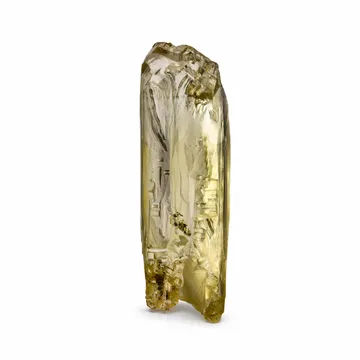
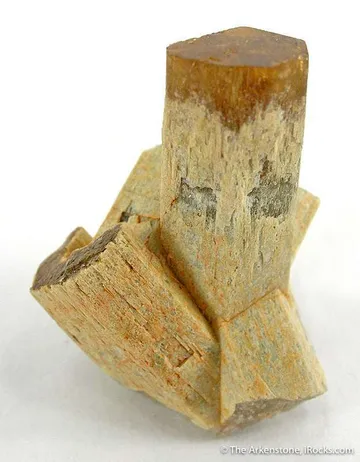
Heliodor ist die goldene bis grünlich-gelbeVariante von Beryll, die wegen ihrer sonnenlichtartigen Farbe, Transparenz und eleganter hexagonaler Prismen geschätzt wird. Der Name (aus dem Griechischen „ Geschenk der Sonne“ ) passt zu seinen warmen Farbtönen, die typischerweise durch Fe3+ in der Kristallstruktur verursacht werden. Kristalle reichen von rasierklingenscharfen Prismen mit gläsernen Terminierungen bis hin zu fantastisch skulpturalen, tief gravierten Formen—vor allem aus der Ukraine—wo natürliche Auflösung komplexe, dreidimensionale „Waben“-Oberflächen erzeugt. Auf den besten Stücken verbinden sich hohe Reinheit und ein helles, ungetrübtes gelb mit knackigen Terminierungen und markanten Matrixkontrasten (weißer Feldspat, rauchiger Quarz oder schiefer Schwarz Schor) und ergeben außergewöhnliche Ausstellungsstücke. Während Juwelier-Schleifer saubere gelbe Abschnitte suchen, schätzen Sammler sowohl handkoloritete Einzelkristalle als auch auffällige Matrixstücke, die die vollständige Pegmatit-Geschichte erzählen.
Heliodor nimmt einen sweet spot zwischen klassisch und exotisch ein: Es ist eindeutig Beryl, doch der goldene Ton hebt sich in den meisten Sammlungen von Aquamarin und Smaragd ab. Das Interesse stieg durch historische ukrainische Funde, die monumentale gravierte Kristalle hervorbrachten, gefolgt von feinen, gut termination prisms aus Namibia, die oft auf Matrix kommen—selten für Beryll. Madagaskar und Brasilien haben elegante, gläserne Kristalle geliefert, die auch neuen Sammlern zugänglich bleiben. Heutzutage wird Heliodor für seine Sortenvielfalt geschätzt: von skulpturaler Gravurarbeit bis hin zu laserrechtem Prismen. Die Preise hängen von Farbintensität, Klarheit und Matrixästhetik ab; intensiv golden, durchscheinende Kristalle auf kontrastierender Matrix können mit Top-Aquamarinen ähnlicher Größe konkurrieren, während blasse oder stark eingeschlossene Exemplare erschwinglichere Einstiegsvarianten sind.## Top Collecting Localities
Die Erongo-Berge sind ein modernes Klassikum für Matrix-Beryll. Heliodor aus Erongo bildet typischerweise glänzende, scharf terminierte hexagonale Prismen, die mit schneeweißem Albit, rauchquarz, Muskovit und schwarzem Schörl für dramatischen Kontrast kombiniert werden können. Die Farben reichen von zartem Zitrone bis zu sattem Goldgelb, mit guter Transparenz ist häufig vorhanden. Viele Kristalle zeigen Lehrbuch-Prismen-Streifungen und flache Pseudo-Oktaeder-Terminationen; gelegentliche Farbzonenbildung und Pleochroismus können zusätzliches Interesse bieten. Die Stärke von Erongo liegt in der Ästhetik: Ausgewogene Kompositionen, vertikale „Stadtlandschaft“-Anordnungen und makellose Spitzen machen sie zu hoch sammelbaren Cabinetstücken.
Dieses berühmte Pegmatitraum in Volyn ist die historische Quelle der spektakulärsten gravierten Heliodore, die jemals gefunden wurden. Große Kristalle können von Pocket-Flüssigkeiten stark „geschnitzt“ werden, wodurch labyrinthartige Oberflächen, höhlenartige Vertiefungen und gestufte Wachstumsfiguren entstehen, jedoch bleiben glühende goldene Innenräume erhalten. Die Farben reichen von warmem Gelb bis zu leicht grünlichen Tönen, oft mit auffallendem Pleochroismus beim Drehen. Während pristine, scharfe Terminationen hier weniger häufig sind, ist die surreale, natürliche Kunstfertigkeit und Größenordnung unübertroffen. Museumsgroße Stücke aus Khoroshiv setzen den Standard für das gravierte Habit und bleiben stark begehrte Trophäen.
## Collector’s Guide
- Color: Die begehrtesten Heliodore zeigen satten, reinen Goldgelbton – weder zu bräunlich noch zu blass. Leichte grünliche Noten sind üblich und unproblematisch, sofern der Gesamteindruck warm und hell bleibt. Zwar kann Gegenlicht die Farbe intensivieren, bevorzugen Sie Stücke, die auch bei Umgebungslicht eine gute Farbe zeigen.
- Klarheit und Glanz: Transparenz ist ein zentraler Werttreiber. Saubere Innenräume mit hellen, glasartigen Prismenseiten und scharfen Terminationen erzielen Prämien. Dennoch können geätzte ukrainische Kristalle optisch weniger „glänzend“ wirken, sind aber wegen ihrer skulpturalen Wirkung hoch geschätzt; bei ihnen suchen Sie nach einem ansprechenden Leuchten und interessanter Oberflächenarchitektur statt nach reiner Klarheit.
- Kristallform:
- Prismenhaftes Habit mit scharfen hexagonalen Querschnitten und gut definierten Pinnakoid- oder pyramidalischen Terminationen ist klassisch (häufig aus Namibia und Brasilien).
- Geätztes/lösungsmodifiziertes Habit (Ukraine) betont komplexe Oberflächen, trichterähnliche Vertiefungen und dramatische Auflösungsmerkmale. Streben Sie ästhetische, kohärente Formen an statt formlose Klumpen.
- Matrixproben steigern den Wert, wenn die Zusammensetzung ausgewogen ist und Kontraste stark sind (z. B. goldener Beryll auf weißem Albiter/rauchquarz oder gegen schwarzen Schur).
- Zustand: Prüfen Sie Terminationskanten und Gratlinien auf Absplitterungen. Bei geätzten Kristallen lernen Sie, natürliche Ätzmerkmale (runde, kohärente Muster mit Kontinuität) von frischen Beschädigungen (scharf, staubig oder unregelmäßige Narben) zu unterscheiden. Reparierte Kristalle sollten offengelegt werden; eine einzelne, saubere Wiedermontage kann bei bedeutenden Stücken akzeptabel sein, doch mehrere Reparaturen mindern den Wert.
- Ästhetik: Gesamtkomposition entscheidet: gefällige Proportionen, gute Standfestigkeit und visueller Kontrast. Ein funkelnder, aufrechter Prism mit einer starken gelben Fläche oder ein skulpturales ukrainisches Stück, das innerlich leuchtet, übertrifft oft ein größeres, aber blasseres oder unbeholfenes Exemplar.
- Reparaturen/Politur:
- Achten Sie auf gerade, planare „Nähte“, falsch ausgerichtete Wachstumsstreifen oder glänzende Epoxidlinien – besonders an Kristallbasen und entlang sauberer Brüche.
- Manche geätzte Kristalle können selektiv polierte Partien haben, um das Funkeln zu erhöhen; diese Zonen wirken neben natürlich matt geätzten Oberflächen unnatürlich spiegelnd. Offenlegung wird erwartet und beeinflusst den Preis.
- Farbveränderungen:
- Beryl kann hitze- oder bestrahlungsgedreht werden; während die meisten feinen Sammler-Kristalle natürlich sind, gibt es behandelte Farbtöne (in der Mineralienhandelswelt häufiger im Juwelengeschäft). Bestrahlung oder Hitze können Gelb-/Grün-Balance anpassen; einige induzierte Farben sind gegenüber langwieriger UV- oder Hitzeeinwirkung weniger stabil.
- Praktische Tipps: Seien Sie vorsichtig bei ungewöhnlich lebhaften, einheitlichen Farben in ansonsten „zu perfekten“ Kristallen; Langwellen-UV kann manchmal Harz in ausgefüllten Rissen offenbaren; Herkunft und seriöse Händler sind Ihre besten Absicherungen.## Pflege und Lagerung
Heliodor (Beril) ist hart (7,5–8) aber spröde; behandeln Sie ihn wie einen feinen Edelstein auf einer empfindlichen Stütze.
- Handhabung und Ausstellung:
- Unterstützung von der Basis; vermeiden Sie Druck auf Terminationen und dünne Kanten.
- Sichern Sie die Ausstellungsposition mit Museumsputty oder einem eigenen Ständer, insbesondere in vibrationsanfälligen Umgebungen.
- Licht und Temperatur:
- Natürlicher Heliodor ist im Allgemeinen lichtstabil, aber wenn eine Probe farbverbessert wurde (und disclosure fehlt), kann direkte Langzeitsonne das Ausbleichen riskieren. Verwenden Sie LED-Ausstellungsbeleuchtung und vermeiden Sie sonnendurchflutete Fenster.
- Vermeiden Sie hohe Hitze und thermische Schocks; Beril kann bei schnellen Temperaturwechseln reißen.
- Reinigung:
- Staub mit einem weichen Pinsel oder Druckluft entfernen. Fremdverschmutzungen mit lauwarmem Wasser und einem Tropfen mildem Spülmittel; sanft schwenken und gründlich abspülen. Abtrocknen.
- Vermeiden Sie Ultraschall- oder Dampfreiniger—Vibrationen/Hitze können Risse verursachen oder alte Reparaturen beeinträchtigen.
- Seien Sie vorsichtig mit Chemikalien: Beril widersteht milden Säuren, aber gängige Matrixen (Calcit, Feldspat, Muskovit) möglicherweise nicht. Testen Sie Eisenentferner (z. B. Dithionit-Lösungen) zuerst an einer unauffälligen Stelle.
- Lagerung:
- Unverzüglich einzeln einwickeln oder in gepolsterten Boxen lagern, um Kontakt mit härteren Proben (Quarz, Korund) zu verhindern und Kratzer an weicheren Nachbarsteinen zu vermeiden.
- Kennzeichnungen und Provenienz beim Exemplar belassen — der Ursprung kann den Wert stark beeinflussen (z.B. Khoroshiv gravierte Giganten vs. scharfe namibische Prisma).
Mit bedachter Auswahl und Sorgfalt kann Heliodor ein strahlendes Zentrum sein – Brücke zwischen skulpturaler Kunst und dem Glanz von Edelsteinen – in jeder fortgeschrittenen Beril-Komposition.