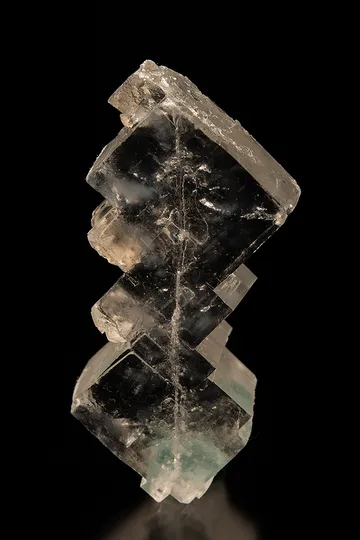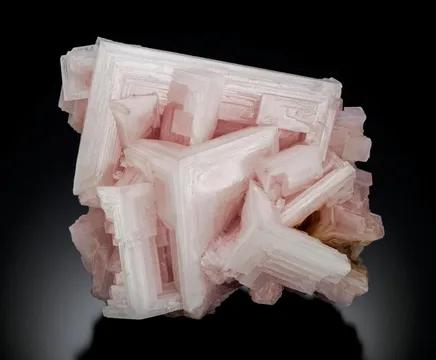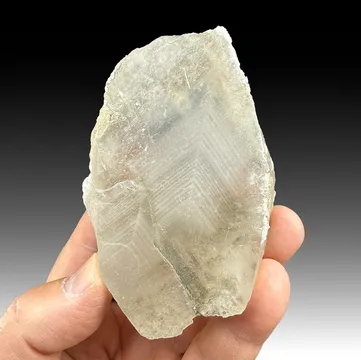
Halite - sharp cubic crystals with hopper forms, from colorless ice to pinks and purples; prized for look, color variety, and brine-lake localities.
Key facts
Halite (sodium chloride, NaCl) is the mineralogically pure form of common salt, but in the collector world it can be anything but common. In ideal conditions, halite forms sharp cubic crystals and spectacular hopper growths with dramatic stepped edges and internal chevron patterns. Colors range from water-clear and icy white to vivid pinks and purples; blues and purples are typically from color centers created by natural radiation in potash deposits, while pinks often result from halophilic microorganisms trapped during growth. Modern finds from brine lakes can produce sculptural, delicate clusters and stalactitic plates, whereas deep potash mines have yielded robust, saturated purple cubes. While many halites are inexpensive, truly fine pieces—large, undamaged, vividly colored, and strikingly formed—are scarce and can be highly sought after. Because halite is water-soluble and sensitive to humidity, condition and proper preservation are crucial to long-term enjoyment.
Halite occupies a unique niche: it’s immediately recognizable and tied to human history, yet it offers surprising beauty and variety. Annual field-collecting events at brine lakes have popularized brilliant pink “cotton-candy” plates, introducing many newcomers to mineral collecting. Meanwhile, deep mine specimens with rich blue to purple cubes have a devoted following for their color and geometry. Collectors appreciate halite for:
Because halite is sensitive to moisture, pristine, undamaged, and well-preserved examples from classic sources hold their appeal and often command a premium.
Below are renowned halite sources that consistently produce specimens valued by collectors. Each locality is chosen because it is present in our locality database and is known for distinctive halite styles.
Searles Lake is famous for striking pink halite formed from highly saline brines. Large, delicate hopper plates, “rose” clusters, and stalactitic growths develop in shallow brine crusts. The pink color commonly comes from pigments of halophilic microorganisms trapped during crystal growth, creating saturated zones and attractive internal veils. Aesthetic, damage-free plates with sharp stepped edges are the hallmark here. Because the crystals are delicate, careful extraction and subsequent conservation are essential; the best pieces show strong color and crisp geometric hopper steps without bruising.
Historic Staßfurt potash workings are among Europe’s most storied evaporite deposits. Halite from the district is known for classic cubes and hopper forms, sometimes richly colored by irradiation defects or inclusions. Old-mine specimens can show remarkable sharpness and internal zoning, occasionally with accessory minerals of the Zechstein evaporite sequence. Well-documented provenance and preservation elevate older Staßfurt halites to “classic European” status in collections.
The UNESCO-listed Wieliczka Salt Mine is a historic marvel. While famed for its underground chapels and sculptures, it also produced halite specimens in massive, fibrous, and crystalline habits. Collectors value transparent to translucent crystals and blocks that display internal veils and zoning, sometimes with subtle color tints from inclusions. Because many pieces were collected long ago, intact, well-formed examples with clear provenance are especially appreciated and tell an important story of Europe’s salt-mining heritage.
When evaluating halite, consider these factors:
Because halite is fragile and soluble, stabilization is common. Be informed and buy from trusted sources.
Honest disclosure is key. Minor, carefully done stabilization may be acceptable for extremely delicate pieces, but it should always be stated.
Halite demands careful long-term care. Moisture is its main enemy.
With proper climate control and minimal handling, halite can remain pristine and beautiful for many years—its sculptural forms and surprising colors make it a lively highlight in any collection.