4
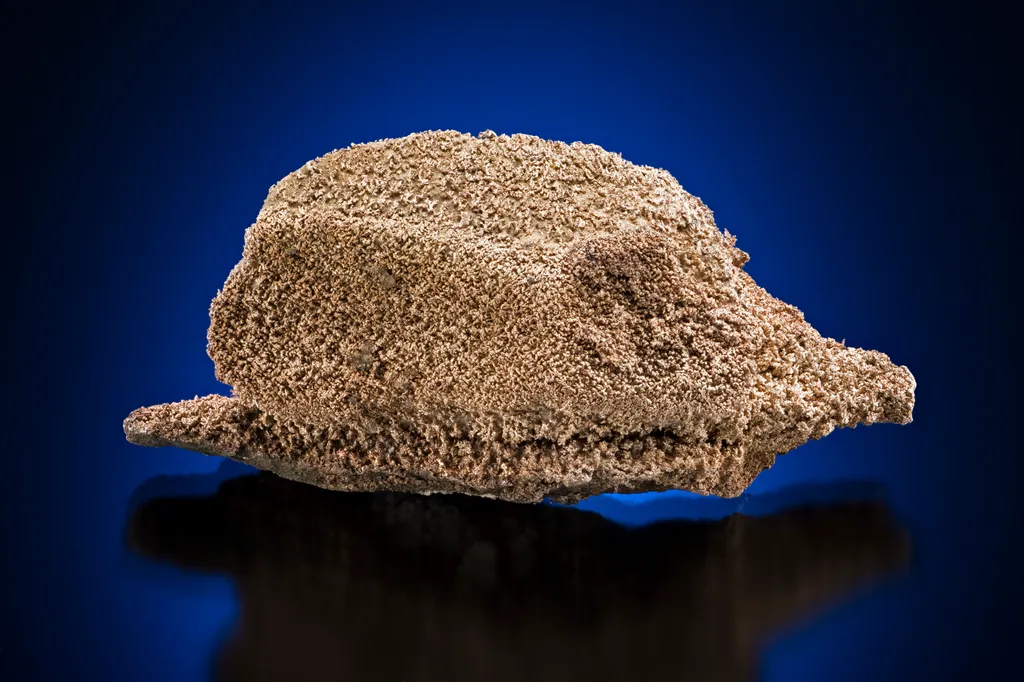
Silver Ps. Quartz (?)
4
I am also deeply interested in pseudomorph specimens, especially for something doesn't look like to be related.
This is a native silver PS. quartz from Pöhla-Tellerhäuser Mine which is famous for spinel twined feather-looking, herringbone structured silver crystals on arsenic. The area is was well-known for silver mining in the late medieval and early modern times, when this region was the world‘s largest silver producer.
I am not familiar with epithermal precious metal deposits but it turns out this place is very unique due to the fast growth textures of silver, probably because of fast cooling or fast precipitation by a turbulent fluid environment. And the zero valence states of both silver and arsenic indicate an extremely low oxygen fugacity.
However, this cannot explain how this specimen formed. I have never heard about these things are exist. It's impossible for chemical exchange to form the pseudomorph as the most common situations, a reasonable guess is that silver filled in the hole where was a quartz, and the quartz was gone before the precipitation of silver.
Pöhla-Tellerhäuser Mine, Schwarzenberg, Erzgebirgskreis, Saxony, Germany
Jingnan Zhang Coll, Ex: Hans Engelbrecht, (1990 by trade). Jeff Scovil photo.
Product details
Current owner
Member since 2026
Learn more
Mineral guide
Learn about Silver
native silver with wire, leaf, and dendritic forms, bright luster and patina; prized for rare isometric crystals and iconic localities in collections.Regional guide
Comments