
Updated 10h ago
Cinnabar


- Free shipping
- Seller offers an extended return window of up to 14 days
 Ships from USA
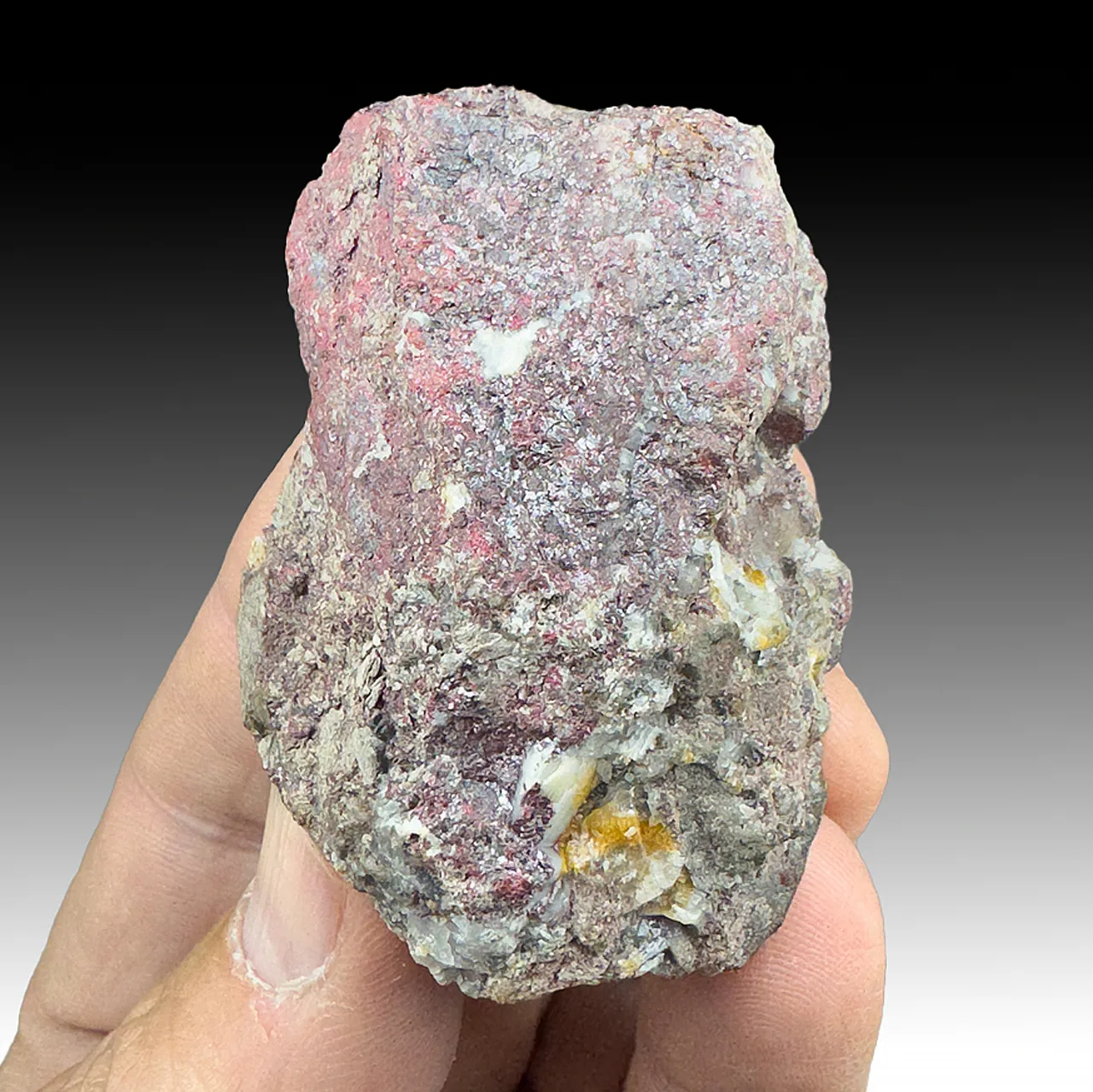
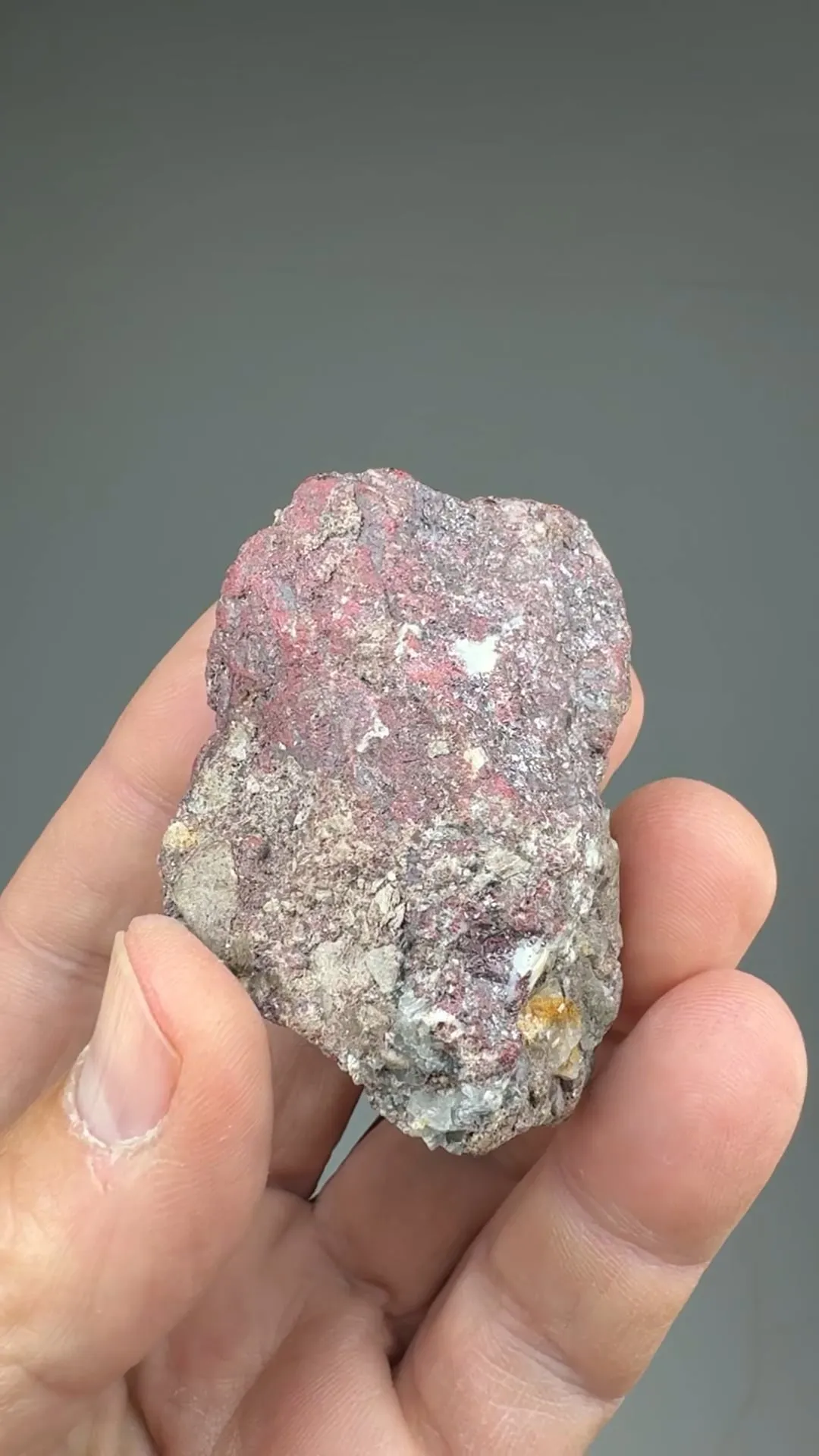
Rich red masses of cinnabar throughout this matrix. Good reference example for the species from this famous old mining area.San Benito County, California, is home to the New Idria district, which was once one of the most productive mercury-producing regions in North America. Geologically, the deposits are hosted within the New Idria Serpentine Massif, where hydrothermal fluids deposited cinnabar, the primary ore of mercury, along faults and fractures in sedimentary rocks and sheared serpentine. The mineralization is associated with the tectonic activity of the Coast Ranges and often occurs in silica-carbonate rocks formed by the alteration of serpentine. Historically, mining began around 1854 following the discovery of cinnabar by settlers and grew rapidly to support gold silver processing in the West. The New Idria Mine was the centerpiece of the district and operated almost continuously for over a century, providing a vital supply of mercury through both World Wars. Most significant mining operations in the county ceased by 1972 due to declining ore grades and environmental regulations regarding mercury toxicity. Today, the area is recognized for its unique mineralogy and remains a significant site for geological study and environmental remediation.
Product details
Species
SizeSmall Cabinet
Dimensions6.5 x 4.5 x 2.5 cm
Locality
SKU2262042
Listed on04/21/2026
Learn more
Mineral guideLearn about Cinnabarvivid scarlet crystals with adamantine luster; brittle yet prized, often on white carbonate, from historic mines and modern Chinese localities.
Regional guideCinnabar from San Benito CountySign in to contribute
OriginSan Benito CountyAbout specimens from San Benito County
Comments