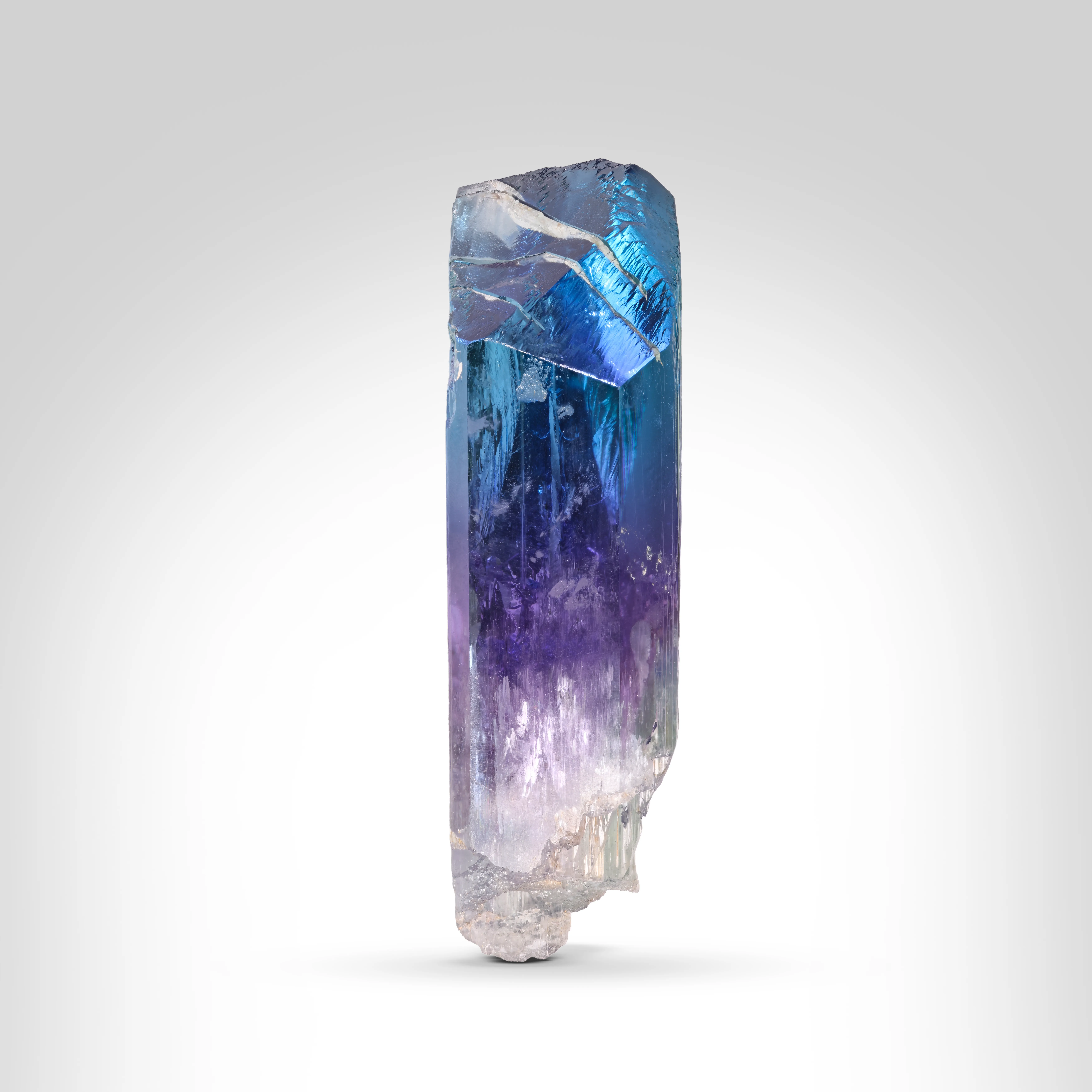
Why taste evolves, instinct sharpens, and every serious collection becomes a reflection of its collector.
Most collectors don’t begin with a clear sense of what they are looking for. In the early stages, attraction is often instinctive — color, size, or rarity catch the eye first. Over time, however, those surface impressions give way to something more personal. Collectors begin to recognize patterns in what draws them in, and their choices become more intentional.
As experience grows, so does discernment. Some collectors are drawn to bold, dramatic pieces, while others gravitate toward subtle structure, balance, or clarity of form. There is no single definition of the “right” specimen. What matters is how a piece resonates with the person building the collection. Taste evolves naturally through exposure, comparison, and reflection.
A collection, over time, becomes a quiet reflection of its owner. The specimens chosen tell a story — not just of geological processes, but of curiosity, patience, and personal preference. This is why two collectors can admire the same piece and feel entirely different connections to it. The value of a collection is not only in the individual specimens, but in the coherence that emerges as it grows.
Being informed plays an important role in this process. Learning about mineral species, localities, and formation styles helps collectors understand what they are seeing and why certain pieces stand out. Knowledge does not replace instinct; it sharpens it. With context, choices become more confident and deliberate, and collecting becomes less about accumulation and more about intention.
In the end, building a collection is not about following trends or rules. It is about developing an eye, trusting it, and allowing a collection to take shape at its own pace. The most meaningful collections are built slowly, guided by understanding and a genuine connection to the specimens themselves.






