




2
Opal ps. Calcite ps. Ikaite
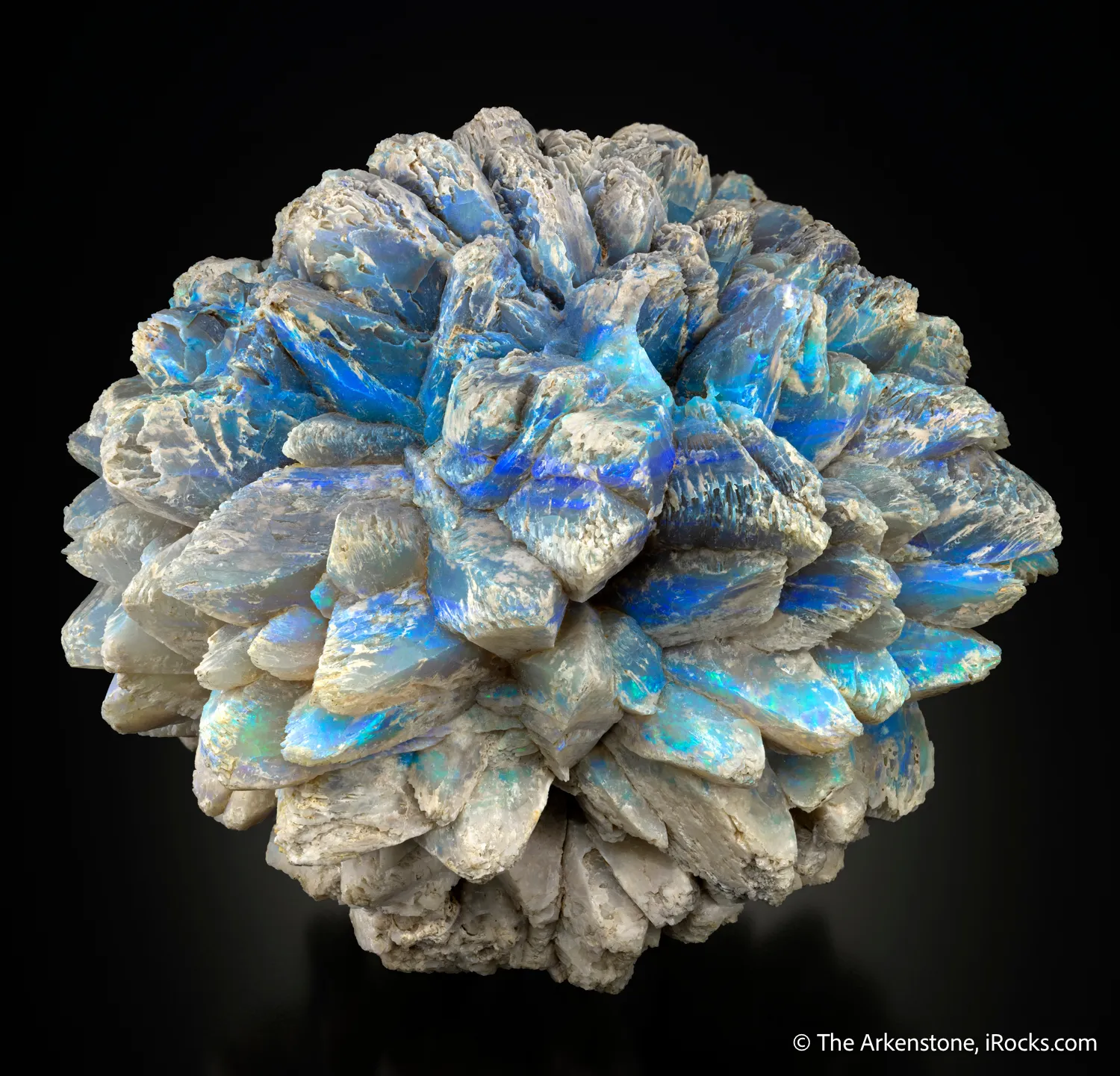
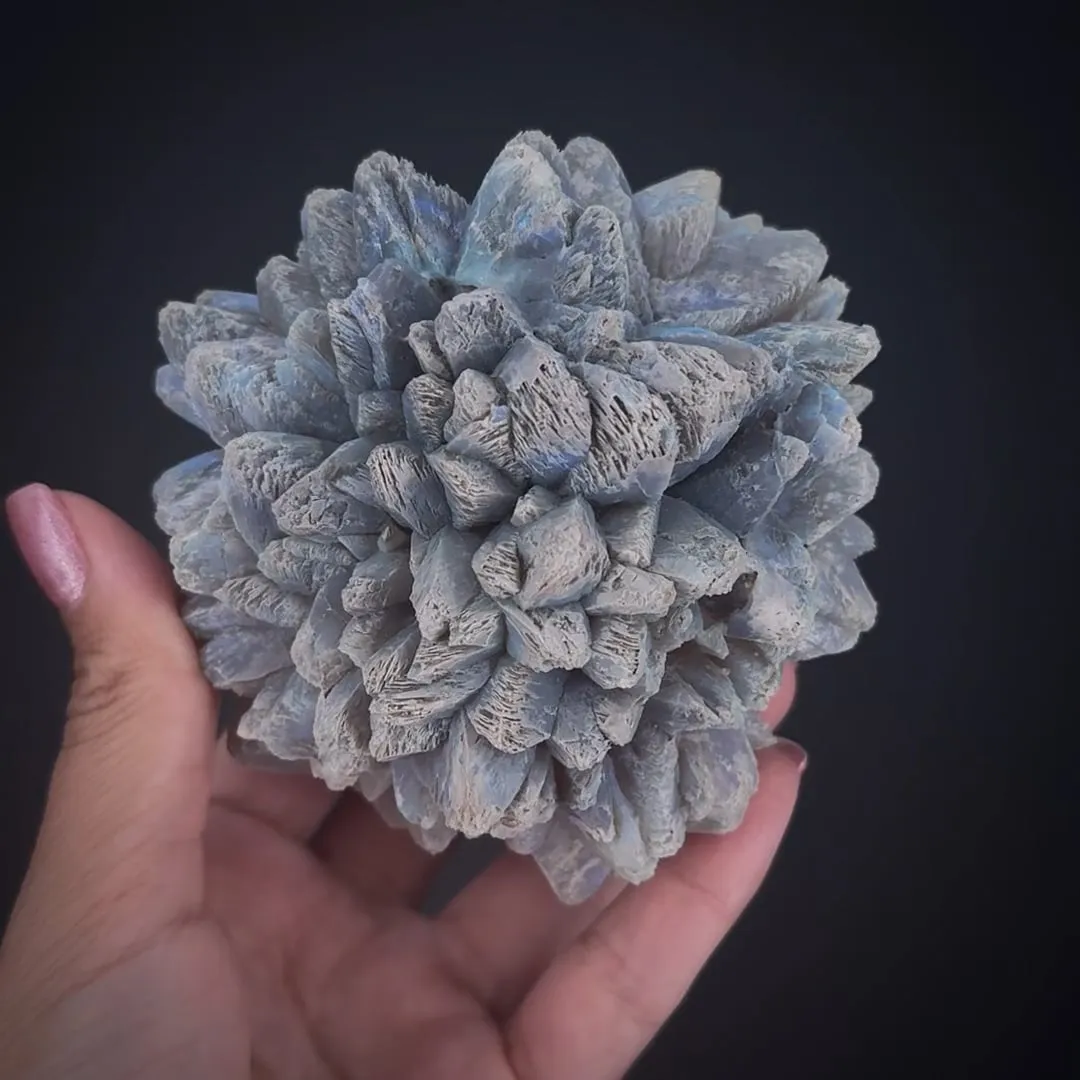
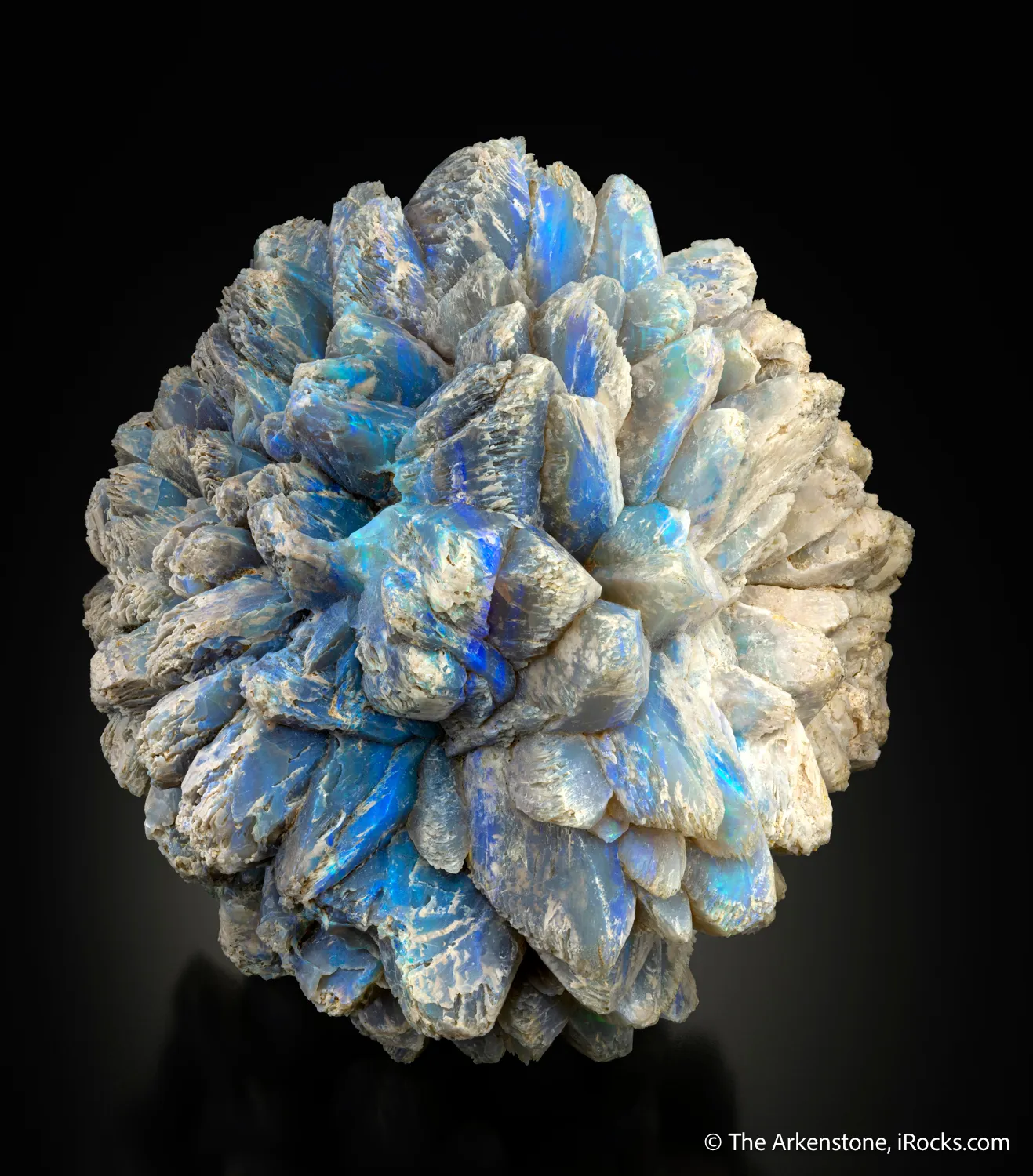
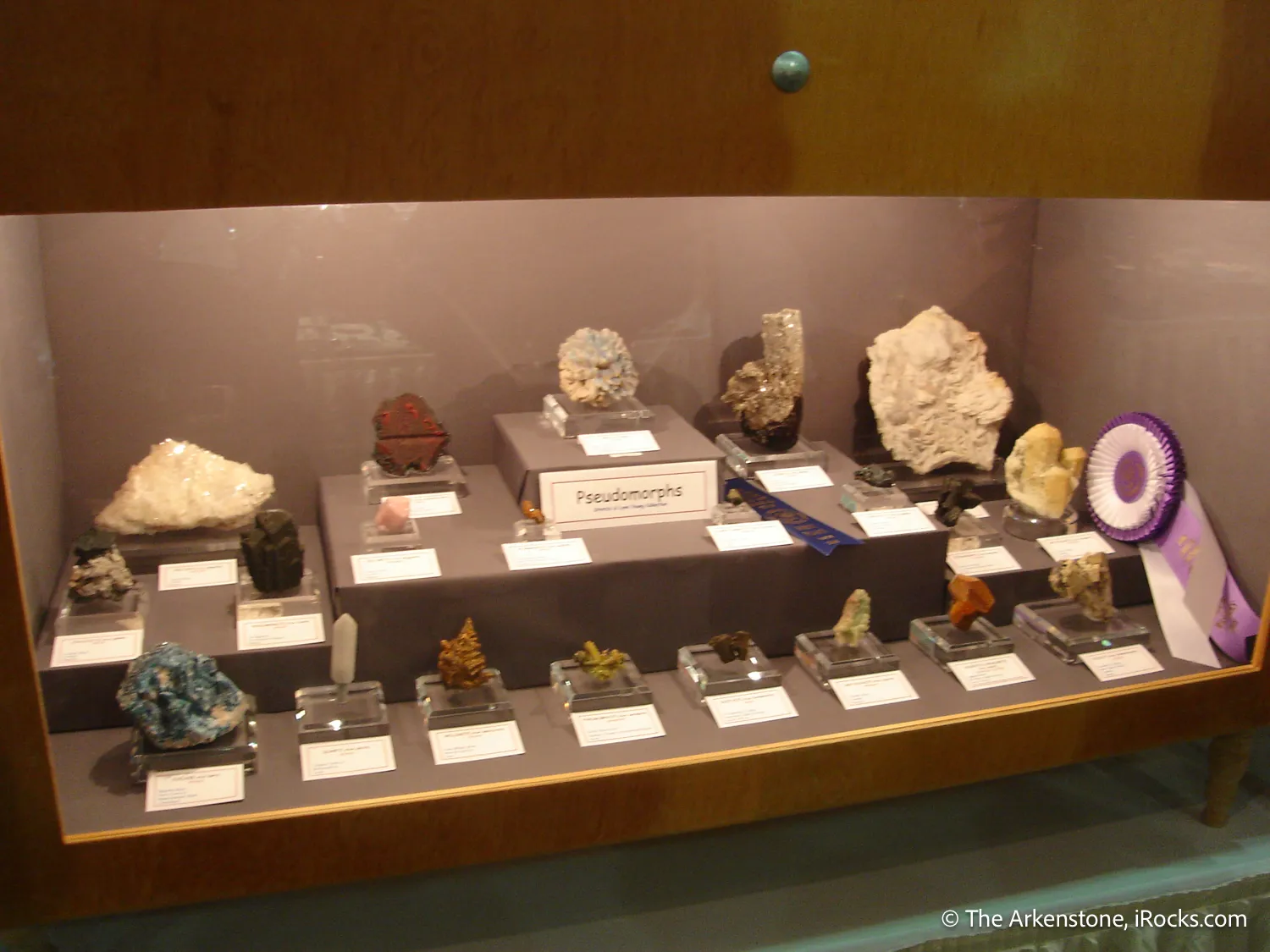
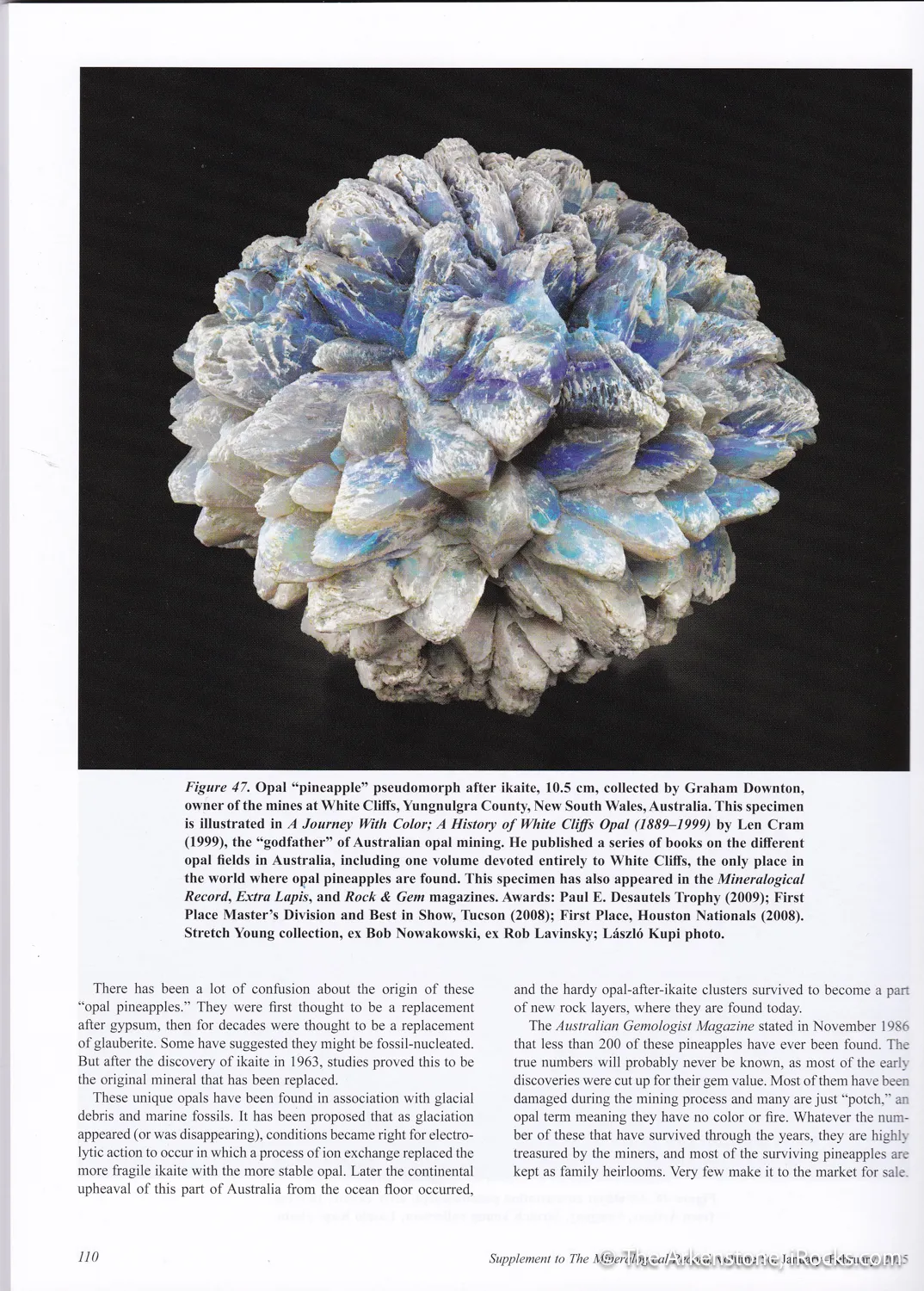
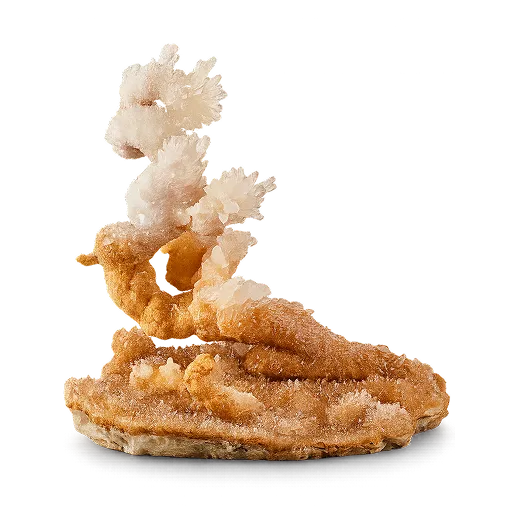
This is probably the most illustrated example of the famous "opal pineapples" from a small region of Australia. This well-known piece was documented at the time it came out (late 1990s) in the mine of Graeme Downton, the most well known modern source for such unique specimens. Once thought to be fossil replacements, or replacements after calcite, they actually consist of (solid) opal that has completely replaced a mineral called ikaite (itself already replacing the calcite in a complicated double replacement process), in highly unusual conditions in the earth where they form as floating clusters. Illustrated in Collecting Pseudomorphs: The Changelings of Mineralogy (Mineralogical Record, Jan 2025) on page 110 and also on the back cover of the book. More importantly, this specimen is quite prominently illustrated in A Journey With Color: A History of White Cliffs Opal (1889-1999) by Aussie expert Len Cram (1999), the “godfather” of Australian opal mining. This book is literally the main history of the field, and Cram is considered the most knowledgeable on the subject. This specimen has also appeared in the Mineralogical Record, ExtraLapis, and Rock & Gem magazines. Awarded Tucson Gem and Mineral Show's best in show Paul Desautels Trophy case (2009 - you can see it right in the middle, too); First Place Master’s Division and Best in Show, Tucson (2008); and First Place, Houston Nationals (2008). Stretch Young collection, ex. Bob Nowakowski (via Rob Lavinsky in the early 2000s). Opal "pineapples" as they are called, are a historic oddity that only comes out, rarely, from the famous opal mines of the White Cliffs. They are dug in massive underground mining projects that span decades, and only a few intact opal pineapples are found in any one area. This example is very balanced and has such an appealing shape to it; combined with unusually good opal play of color (when well lit). Note that, despite being made of solid opal, most of these do not show the strong colors on the outside, although it can be helped with application of water or mineral oil as well. This is typical of most of these specimens, that the opal coloration is hard to see in the natural piece; and this is the reason that they are most often broken open and cut into pieces to get at colorful zones within - further decreasing the number of extant specimens. Laszlo Kupi photo.
Unknown Owner
Known provenance
2025/09
Unknown Owner
Not disclosed—Species and Locality Wiki Pages
Collectors of Calcite
Calcite Sales Data
From
To
From
To
Loading sales data...
All Sales
Loading specimens...